Israel’s Gaza Bombing Surpasses ISIS Days

The nature of Israel’s crimes in the Gaza Strip must be denounced, particularly the crimes’ horrifying scope, methodical execution, and wide-ranging effects, which surpass those of armed groups like ISIS. While the crimes committed by ISIS have been widely denounced by the international community, the same community is now mostly silent—and therefore complicit—as Israel pursues a campaign of declared genocide that aims to exterminate the Palestinian people from their homeland.

For almost 18 months, this campaign has been running continuously.

Israeli occupation forces detonated a robot today (Thursday 3 April 2025) rigged with tonnes of explosives in the heart of the densely-populated Shuja’iyya neighbourhood in eastern Gaza City. The explosion occurred in an area packed with displaced civilians, though there was no military necessity and no combat activity in the vicinity. This act embodies the conduct of existing terrorist organizations, even surpassing them in brutality and disregard for human life, and bears no resemblance to the conduct of a state bound by international law, regardless of any attempts to distort or evade it.

21 killed

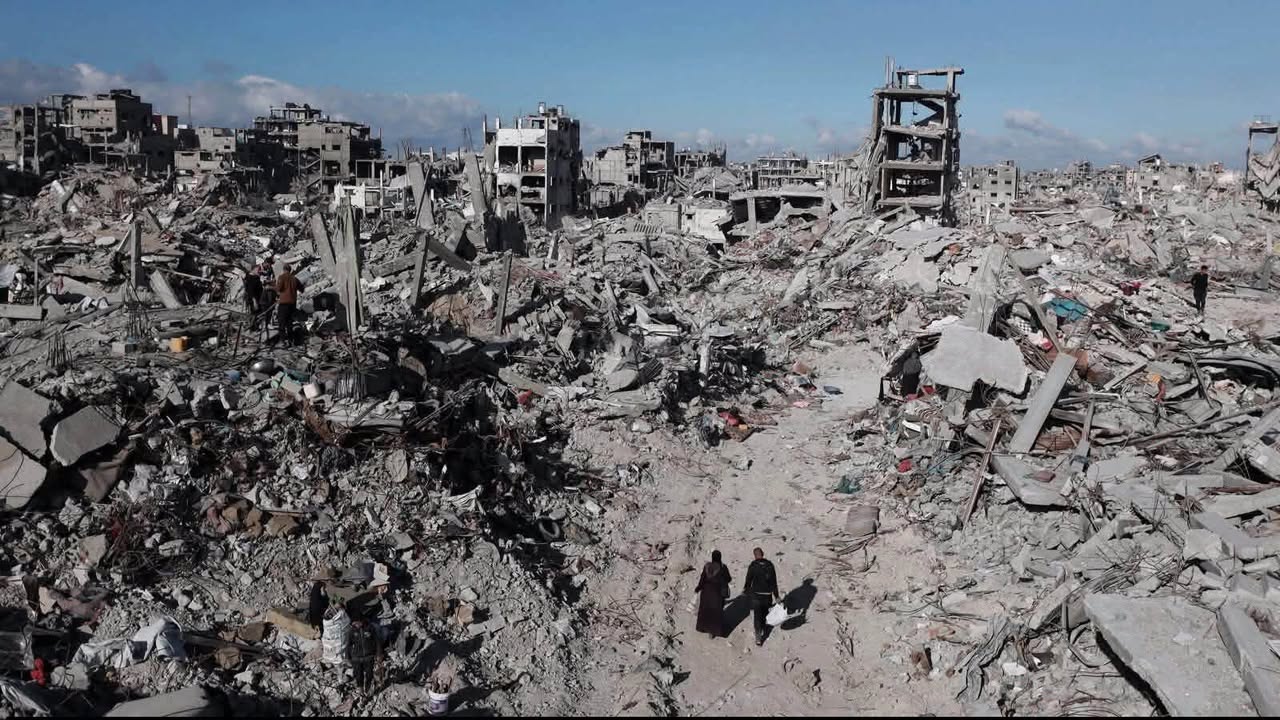
The explosion killed 21 Palestinians and injured around 100 others, the majority of them women and children. A full residential block was obliterated with its residents still inside, and this is not an isolated incident. Over recent months—particularly in the northern Gaza Strip—Israel has increasingly used explosive-laden robots in residential neighbourhoods during its ground incursions. At least 150 such detonations have resulted in the deaths of hundreds of civilians, mostly women and children, and caused wide-scale destruction to homes and other essential infrastructure.

A separate atrocity was committed on 23 March, when Israeli forces detained 15 Palestinian rescue workers from the Palestinian Red Crescent and Civil Defence, along with a United Nations staff member, before executing them extrajudicially—some while their hands were bound. Their bodies were dumped into a pit, and the ambulances they had been traveling in were destroyed. This incident is another blatant example of an intentional Israeli crime mirroring—and exceeding—the brutality of groups like ISIS, as it reveals a clear and deliberate intent to annihilate Palestinians both physically and through psychologically terrorizing residents across the Strip.

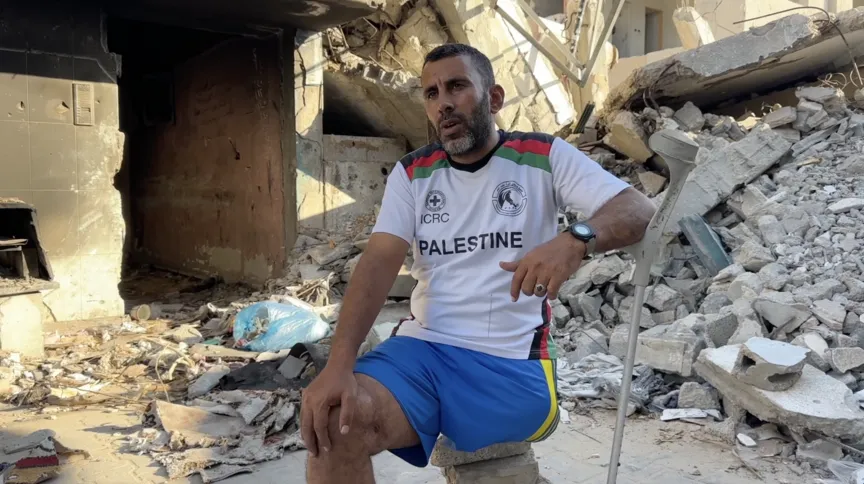
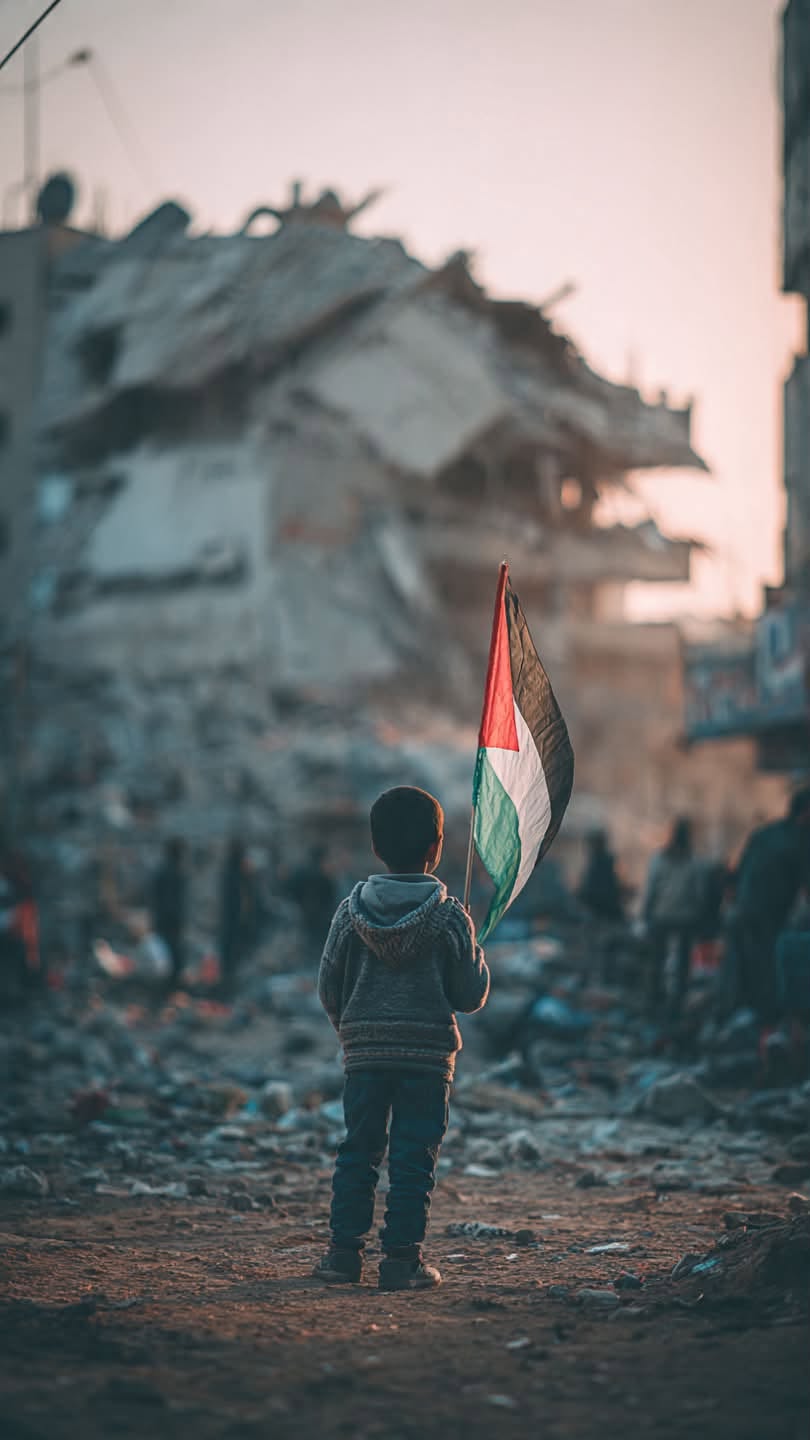
Euro-Med Monitor field teams have documented thousands of crimes committed by Israeli forces, constituting overwhelming evidence of mass atrocities. These crimes include an unprecedented pattern of violence in recent history, in terms of scale, deliberate targeting, and genocidal intent. A minimum of 58,000 Palestinians have been killed, the majority of them women and children, and most have been buried beneath the rubble of homes deliberately destroyed over their heads, while many were killed by sniper fire with clear intent. Over 120,000 individuals have been injured, and at least 39,000 children have been orphaned. The Gaza Strip’s infrastructure, including homes, hospitals, and schools, has been virtually obliterated.

Extermination Campaigns

These acts amount to one of the most extensive and systematic campaigns of extermination in contemporary history, underscoring the urgent need for international accountability, an end to Israeli impunity, and concrete action to halt further atrocities.

Israel’s methods in the Gaza Strip—particularly its mass killing of civilians—bear a striking resemblance to the tactics used by groups the international community has widely condemned as terrorist. However, the atrocities unfolding in the Strip are far more dangerous in terms of scale, brutality, and systematic intent, and cannot be understood merely as a function of violent methods or tools. 

What is occurring in the Gaza Strip constitutes a full-scale genocide carried out by a state actor with international legal personality and obligations under international law to protect civilians. Instead, Israel is deploying its military, legal, judicial, and media apparatuses, and benefiting from broad international political protection, to carry out a systematic campaign of destruction against a defenceless population subjected to its settler-colonial and apartheid regime. Palestinians living under this regime are no longer subjected to exclusion, oppression, and intermittent bombardment, as in past years. Rather, Israel is now granted open legitimacy to pursue the extermination of Palestinians in the enclave—unchecked and without accountability.

These actions cannot be dismissed as random or extreme policies, but rather represent a fully-fledged model of organised state terrorism, driven by a comprehensive blueprint for annihilation and implemented in full view of the international community. These crimes are being committed with clear, declared intent to eliminate the Palestinian people as a national and collective entity, uproot those who remain on their land, erase their identity, and ultimately end their collective existence.

The shocking paradox is that these crimes—greater in scope, structure, and severity than those committed by proscribed armed groups—are not met with proportionate condemnation. On the contrary, Israel commits them under the very banner of international legitimacy. While quick to criminalise the actions of non-state terror groups, the international community has extended a false veneer of legality to Israel’s genocide, enabling its prolongation and offering total immunity to the perpetrators.

Ending this double standard is no longer a matter of choice, as it represents a direct assault on the foundations of international law and reveals a racist hypocrisy in the collective protection framework that must be addressed. Treating Israel’s crimes as exceptional and beyond accountability undermines the core principles of the global legal order and entrenches one of the most dangerous forms of impunity.

Stop the Israeli genocide

All states, both individually and collectively, must fulfil their legal obligations and take urgent action to stop Israel’s genocide in the Gaza Strip in all its forms. This includes implementing concrete measures to protect Palestinian civilians, ensuring Israel’s compliance with international legal norms and the rulings of the International Court of Justice, and guaranteeing full accountability for perpetrators of war crimes and crimes against humanity.

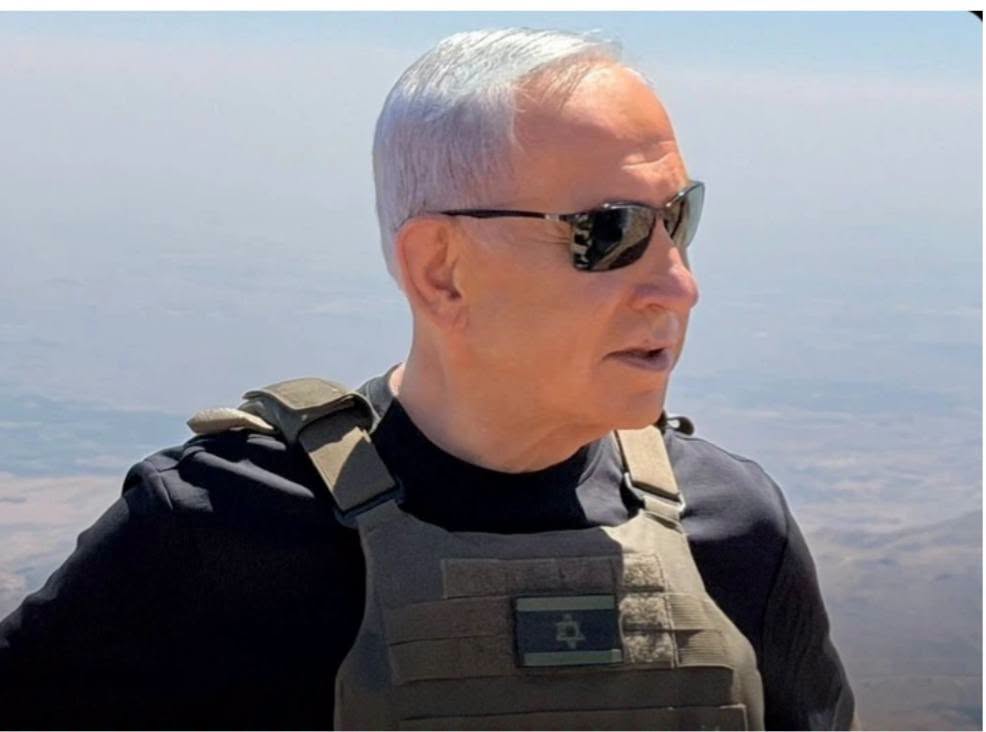
It is important to implement the arrest warrants issued by the International Criminal Court against the Israeli Prime Minister and Defence Minister at the earliest opportunity and ensurethese individuals’ transfer to international justice.

Furthermore, the international community must impose comprehensive economic, diplomatic, and military sanctions on Israel in response to its grave and systematic violations of international law. This includes an arms embargo; the cessation of all political, financial, and military cooperation; asset freezes of implicated officials; travel bans; and the suspension of trade privileges and bilateral agreements that provide Israel with economic benefits, enabling its continued crimes.

Finally, all relevant states and entities must hold complicit governments accountable, foremost among them the United States, along with other nations that provide Israel with direct or indirect support in executing its crimes. Any assistance or engagement in the Israeli military, intelligence, political, legal, or financial sectors, and/or cooperation with Israel’s media, contributes to the continuation of atrocities against the Palestinian people.

Euro-Med Human Rights Monitor

CrossFireArabia

CrossFireArabia
Dr. Marwan Asmar holds a PhD from Leeds University and is a freelance writer specializing on the Middle East. He has worked as a journalist since the early 1990s in Jordan and the Gulf countries, and been widely published, including at Albawaba, Gulf News, Al Ghad, World Press Review and others.

Related Posts

In The Grip of Starvation: Israel Will Not Let Gaza Rest!

Gaza Government Media Office Advisor Taysir Muhaysin warned of a gradual return to famine in the Gaza Strip as a result of continued Israeli policies restricting aid entry and other basic necessities.

He told the Sanad News Agency the amount of aid entering Gaza by truck does not exceed 27% of that stipulated in the last ceasefire agreement.

Muhaysin stated the Israeli policy of reducing aid is not limited to food and humanitarian supplies, but extends to fuel, including diesel, gasoline, and cooking gas, which is an essential commodity for Palestinian families to manage their daily lives and prepare whatever food they can find under the difficult living conditions.

Read also: Al-Hayek: Gaza sounds the alarm of famine due to declining aid

Government institutions in the Strip continue to perform their duties at the minimum level possible, given the available resources and the exceptional circumstances Gaza is experiencing, whilst Muhaysin denying an administrative vacuum in the enclave.

He affirmed that Gaza government institutions continue to function and maintain a minimum level of stability and essential services essential to the population.

The Media Office Advisor indicated different government bodies expressed their full readiness to hand over their administrative and executive responsibilities to the “technocratic committee” as soon as it arrives in the Strip to begin its work, in accordance with the ceasefire agreement signed in 10 October, 2025. He stressed however, there are real obstacles as procedure and conditions is imposed by the Israel occupation that prevent this.

A Complex Humanitarian Crisis…

Muhaysin warned the living conditions in Gaza are really a “complex humanitarian crisis” affecting all aspects of life.

“Hundreds of thousands of citizens are still living in tents amidst the spread of epidemics and diseases,” whilst pointing to the decline in the capabilities of the health system and municipal services in addition to the severe shortage of food and essential shelter supplies.

The health sector faces increasing risks due to the ongoing shortage of fuel and medical supplies. Muhaysin noted the administration of the Al-Aqsa Hospital were forced to shutdown about 50% of its power generators, and this threatens the lives of patients, especially kidney patients, premature infants, and those in operating rooms and intensive care units.

“What Gaza is witnessing today represents an ongoing humanitarian catastrophe, caused by the decisions and measures imposed by the Israeli occupation, which has led to an unprecedented deterioration in living, health, and humanitarian conditions.”

He pointed out that the technocratic committee that is yet to enter the Gaza Strip needs to assuming its responsibilities across the entire enclave, and this needs to happen with the concurrent withdrawal of the Israeli occupation forces from the areas they reoccupied in Gaza and the commencement of international forces operations tasked with monitoring and security separation under the terms of the ceasefire.

Muhaysin accuses the Israeli occupation of attempting to impose new realities on the ground through excluding areas east of what is known as the “yellow line” from the committee’s administrative responsibility. He said these go against the principles agreed upon in the proposals put forward to end the ongoing crisis.

He concluded by saying the occupation continues to impose its own vision on the future of the Gaza Strip by repeatedly introducing new conditions and ideas, contradicting the fundamental understandings and initiatives discussed over the past months. This, he asserted, obstructs any genuine efforts to alleviate the suffering of the population and end the escalating humanitarian crisis.

The specter of famine is returning to haunt the Gaza Strip, and is coinciding with the tightening of military measures at the crossings controlled by the Israeli occupation. Such prevents the entry of humanitarian and relief aid, and allows militias affiliated with the occupation to steal the incoming aid.

At the end of May, the Palestinian Council of Ministers warned of the severity of UN reports that indicate that about 1.6 million Palestinians in the Gaza Strip, nearly 77% of the population, face the immediate threat of famine due to declining humanitarian funding and reduced aid flow.

In a previous statement to Sanad News Agency, Ali al-Hayek, head of the Palestinian Businessmen Association, warned of the deteriorating humanitarian situation in the Gaza Strip. He emphasized that famine indicators are becoming increasingly apparent amid the continued decline in humanitarian aid and the curtailment of relief organizations’ operations. He noted the Gaza situation “threatens the onset of an unprecedented humanitarian catastrophe.”

This article is based on an extended interview by Advisor Taysir Muhaysin published in Arabic by the Sanad News Agency and republished crossfirearabia.com

Continue reading
Jordan 2007! Elections and Hiccups: Looking Backwards

EDITOR’S NOTE: This article was written more than 18 years again in October 2007 for the 7iber.com online portal and is reprinted her

Its election time! As a good non-totalitarian democrat I love the elections, when they happen that is. What I really love about the elections is the time leading up to their finale when voters go up to the polling stations and vote. Although I’ve never voted in my life, I’ve always carefully watched election campaigns, right from start to finish. They are exciting days, of banners hoisted, constituency meets, mini-rallies and all the rest of it.

Prospective candidates, some running for the very first time and of which we are expected to know and vote for, hoist their banners across streets and roundabouts, screaming at the electorate to vote for them because they are the best candidates.

This is the 15th elections for the 15th Lower House, and parliament in Jordan has consistently been in session since 1989, after a long absence of parliamentary life in the country. I am proud to say I covered the 1993 elections, the 1997 ones, and just about missed the 2003 elections because of being away from Jordan.

In all these years, the excitement never faded. Islamic Action Front candidates continuously stood under the IAF banner, but this was never the case with the other political parties, such as the nationalists, the leftists, the middle-of-the-roaders and the tribalists. Although a lot of parties came on the scene after 1993, like Al Ahad, Al Yaqatha and Al Risala and still many others, for some reason or another, many of their candidates preferred to stand as independents arguing they are known for their own independent political personalities rather than as representatives of their parties.

Is this a wrong attitude? Well, maybe. However, once some of them were elected to the Lower House of Parliament, they revealed their true political colors and supposedly argued on party-political lines. Ironically, most of the electorate never knew what those lines were when the MP was just a candidate running for a seat. Many of these parliamentarians argued that they stood a better chance of getting into parliament as individuals rather than under the banner of their political parties. This is due to the belief that such organizations were still seen as relatively new and unknown, despite the fact that many, including leftists, Arab nationalists and Baathists parties, had existed in the 1960s and 1970s, but many of which were effectively banned.

They may of course have been right in their assumptions as political parties were just made legal in the early 1990s, and have thus needed time to be nurtured. As independents, the negative connotations of belonging to political parties would wither away among the electorates who needed to get used to voting for candidates on party political platforms. But the problem with running on independent tickets is that it actually perpetuated individualism, parochialism and depended on the appeal to family, kinship and tribal relations. In past Jordanian parliamentary elections, and even today, the tribal bloc vote has been very important in deciding who wins and who loses.

The effect of this frustrates the process of developing political parties, which, except for the Islamic Action Front, remains weak, ineffective and are no more than talking shop. They have even been used by established politicians to further their own individual political ends and causes. This stands contrary to the need for building modern, strong political parties designed to make democracy and the democratic experiment effective.

Realizing that there is a lot to say about the tribal vote, sometimes political candidates, even Islamists, have been known to appeal to kinship and family relationships as a means of getting into parliament. Once they do, they start the usual game of political party meandering under the parliamentary dome.

That may also be why election banners and slogans on roads are no more than hackneyed, clichéd phrases emptied from their political content. They are read for what they are: brief formulaic statements, lacking the resonance of strong, vibrant agendas and political manifestos that promise change and development, as is the case with elections in more mature democracies around the world.

Political parties in Europe, for instance, are big machines with national and local clout. Everyone, especially the main personalities, know who they are, what they stand for, and what they hope to do once they form the government, or become the party in the majority. In this part of the world, the political culture, machinations and value systems are different and have to be treated differently.

However, in the final analysis, a political party is a political party in which ever part of the world it belongs to; sharing little differences with its counterparts. That’s why such parties have to be strong, come out of their closed shops and enclosures, and appeal to the masses; become broad-based with clout in order to be listened to by decision-makers.

In all fairness however, we have to be gentle with our political parties by understanding the history and the context of where they came from. It took political parties in the western world, centuries to develop and become the national institutions they are today.
They emerged through political struggles and a great deal of pushing and shoving.

But does that mean we have to take that long? Not necessarily, the element of transition from one era to another can take place quickly, but it has to be supported by the state and government. There has to be a political will for democracy, where parties are nurtured rather than left alone.

Jordan is doing well despite different hiccups, but the Arab world in general has to pull itself by the bootstraps if it is to enter into a meaningful political era where representation, democracy and political pluralism is seen as healthy for a society. Our problem now is to move faster in order to catch up with the rest of the world, and develop politically.

In the meantime, let’s for a minute stop and enjoy the political actions of the electoral campaign.

Continue reading

You Missed

Israeli Violates The ‘Gaza Ceasefire’ 10 Times

Israeli Violates The ‘Gaza Ceasefire’ 10 Times

Price of Israel’s War in Lebanon

Price of Israel’s War in Lebanon

Gaza’s Dead Mounts Despite Ceasefire

Gaza’s Dead Mounts Despite Ceasefire

In The Grip of Starvation: Israel Will Not Let Gaza Rest!

In The Grip of Starvation: Israel Will Not Let Gaza Rest!

Trump to Netanyahu: ‘You’re crazy. If it weren’t for me, you’d be in jail’ – Axios

Trump to Netanyahu: ‘You’re crazy. If it weren’t for me, you’d be in jail’ – Axios

Israeli Capitan Killed, 7 Soldiers Injured in Lebanon

Israeli Capitan Killed, 7 Soldiers Injured in Lebanon