‘They Can’t Take The Sea From US’

A Vast Sea, and a Narrow Water

By Ibrahim Isam

The sea was wide enough to carry the dreams of an entire city, yet in Gaza, it seemed narrower than a child’s dream.

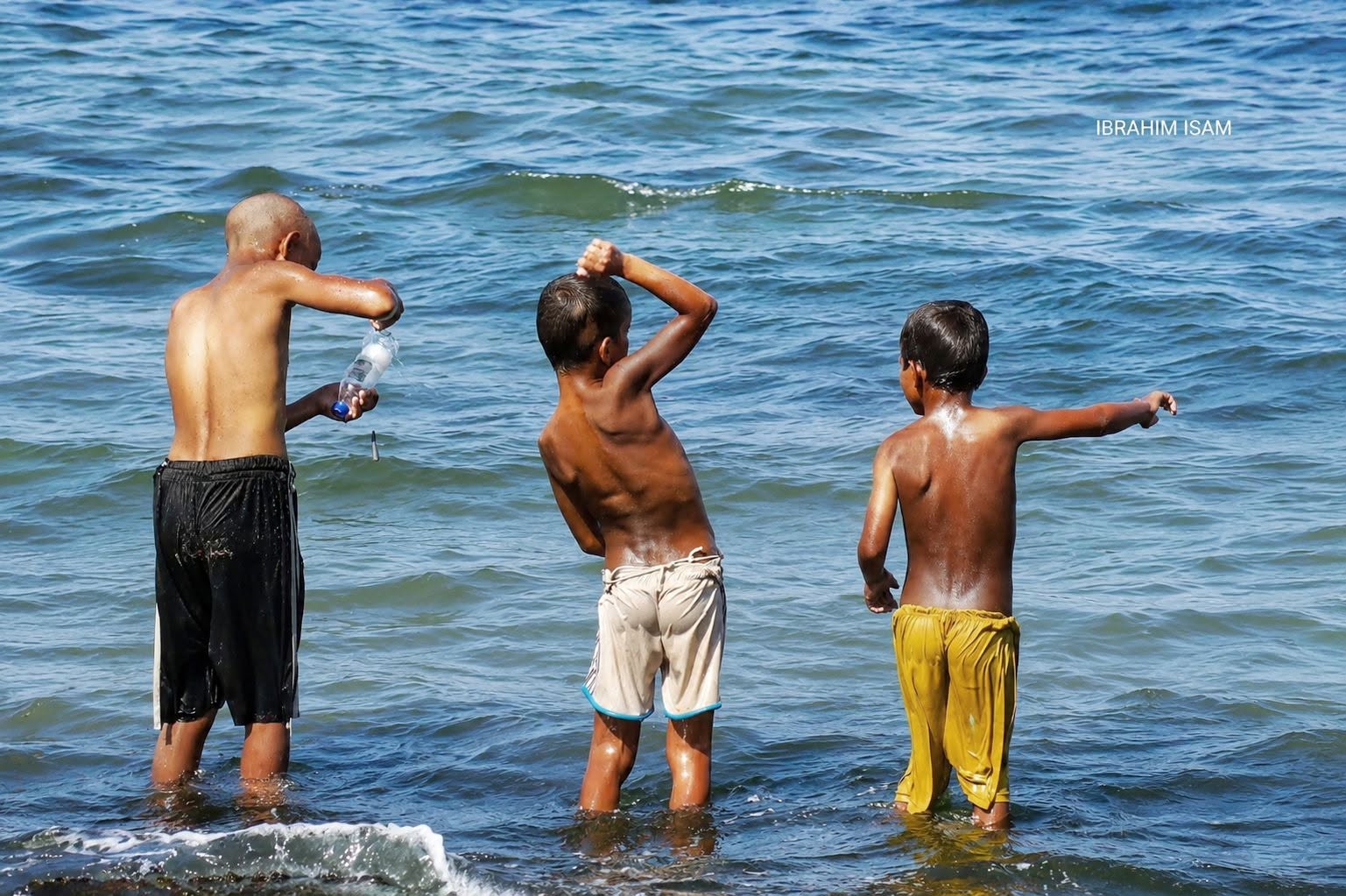
Three children stood in the water, close together, as though sharing a secret they did not want the wind to overhear. No net. No boat. No fishing rod. Only scraps of fishing line they had gathered from abandoned nets along the shore, trying to turn what was left behind into a path toward a fish.

Perhaps they were fishing for fish.

Or perhaps they were fishing for something else.

Something that looked like tomorrow.

The sea stretched open to the horizon, yet they could not go far. A cruel contradiction: To see the road before you and still be unable to take it; to stand before endless water while life itself grows narrower for those who belong to it.

In the old stories, the sea was a passage into the unknown. Ships crossed it in search of a homeland, salvation, or a new beginning.

But these children had only a few meters of water, a broken thread, and a very small wish:

to return with something they could eat.

And still, they laughed.

Perhaps because children do not know surrender in the way adults do.

They see the water.

They see the fish.

They see the hand of a friend.

And they see, beyond the horizon, a place they cannot understand why they are forbidden to reach.

Perhaps innocence begins with this simple question:

Why can’t I go farther?

Perhaps peace begins there, too.

Peace is not a word written on walls, nor a promise postponed until tomorrow. Peace is a child being able to enter the sea without fear; carrying a real fishing net instead of a broken thread; returning home with a fish in his hands—not because that fish will change the world, but because it will tell him that life is still possible.

They walk through the water, step by step, as if teaching the sea itself the meaning of patience.

They do not ask for much.

Only a small piece of the sea,

and a larger space in which to live.

For freedom, in its simplest form, may be nothing more than reaching your hand toward the horizon without anyone telling you where you must stop.

And still, the sea remains vast…

So vast that it makes injustice seem narrower, harsher, and more absurd.

And the children remain in the water:

three small bodies,

three soaked dreams,

three little hands searching for a fish…

or for a tomorrow in which they can finally say:

The sea belonged to all of us.

  • Related Posts

    The True Tale of The Moral Fighter

    This is a page from the tales of popular resistance and the formation of Palestinian consciousness Radwan Barghouti writes in Arabic from his home in Sweden. He points out it is a true story which he posted on his Facebook page.

    He writes: “In that generation, they knew that resisting occupation was not only about courage in the face of the enemy, but also about morality in dealing with oneself.”

    He tells a true tale “of a young man, a member of the Palestinian Communist Party, who he upset mother. The party leadership in his area received word of the story, so they summoned him and held him to a harsh disciplinary hearing.

    Today, the story might seem amusing or a bit strange; someone might ask: What does the party have to do with a young man’s relationship with his mother? But those who lived through that era saw the matter from a completely different perspective.

    In their view, a fighter did not represent only himself. His daily behavior reflects on the cause to which he belongs to. Then morality was not a marginal detail, nor a personal matter that could be separated from the struggle. A fighter was questioned about his actions as much as his stances: How he treated his mother, how he spoke to his neighbor, how he preserved people’s dignity, how he behaved when he disagreed, and how he used force when it was at his disposal.

    Resistance did not grant its adherents any moral privilege simply for resisting occupation. On the contrary, it placed a greater burden upon them: To live up to the ideals they championed in their daily lives.

    There was a profound understanding that the liberation of Palestine could not be merely a change of power on the ground, but also a restoration of the Palestinian people’s dignity, values, and ability to live freely and with honor.

    Therefore, the freedom fighter was required to resist within themselves what he resisted externally: Injustice, arrogance, selfishness, the humiliation of the weak, and the exploitation of position or power.

    Perhaps this is why this small story seems more than just a tale of a mother upset with her son. It unintentionally conveys a complete understanding of what it means to be a freedom fighter: For Palestine you defend to be present in your character, not just in your slogans.

    For what is the value of defeating your enemy if you lose yourself along the way? What does it mean to dream of a free homeland when we don’t know how to create even a modicum of freedom, respect, and justice in our own homes, streets, and relationships?

    They believed that the cause needed not only loud voices but also strong consciences, and that a true fighter is not just one who demands sacrifices from others, but one who begins by holding themselves accountable.

    Therefore, resistance, in its deepest sense, was more than a battle for land; it was an attempt to build a human being worthy of the land they sought to liberate, a human being who understands that the Palestine we struggle for must begin, before it is liberated on the map, in the character of those who bear its name.”

    Continue reading
    Clowning in The Sand

    By Ibrahim Isam

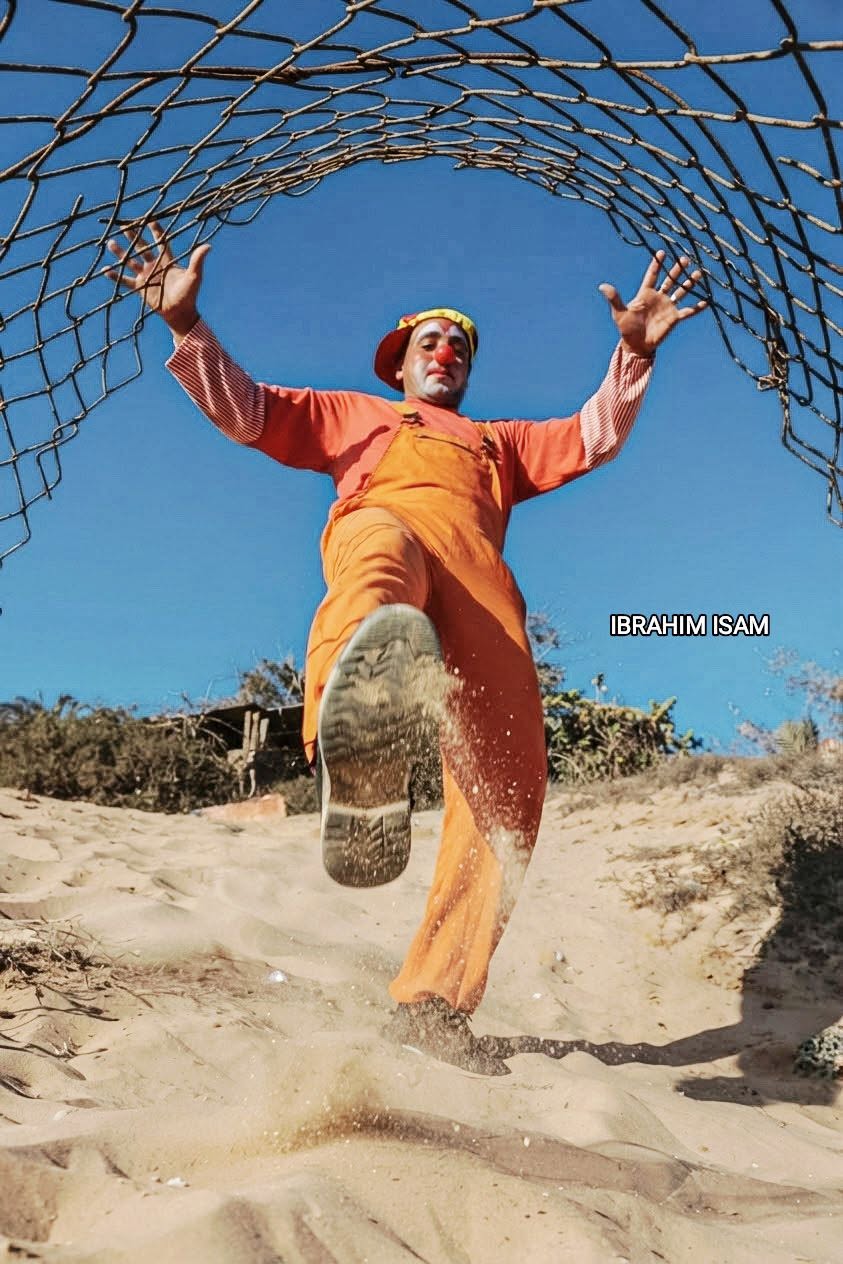
    He reaches his hands toward the sky, not to escape the iron, but to give the body another meaning of freedom.

    The arch above him narrows the horizon, while the orange opens it from within—a color that knows the soul cannot be confined by lines.

    Beneath his feet, the sand shifts, carrying away some of the weight of the day.

    Behind him, distant trees remain still; before his eyes, a journey has yet to begin.

    In that moment, the clown was not performing only for the children. He was releasing a little of what had been held inside him into the air.

    For even when a person gives others a space to laugh, they still need a space of their own to breathe, to loosen the weight within, and to remain human.

    The sky is blue. The iron is closed. And the orange keeps moving between them.

    Perhaps freedom does not always begin with a road.

    Perhaps it begins in the moment the heart remembers how to become light again.

    Continue reading

    You Missed

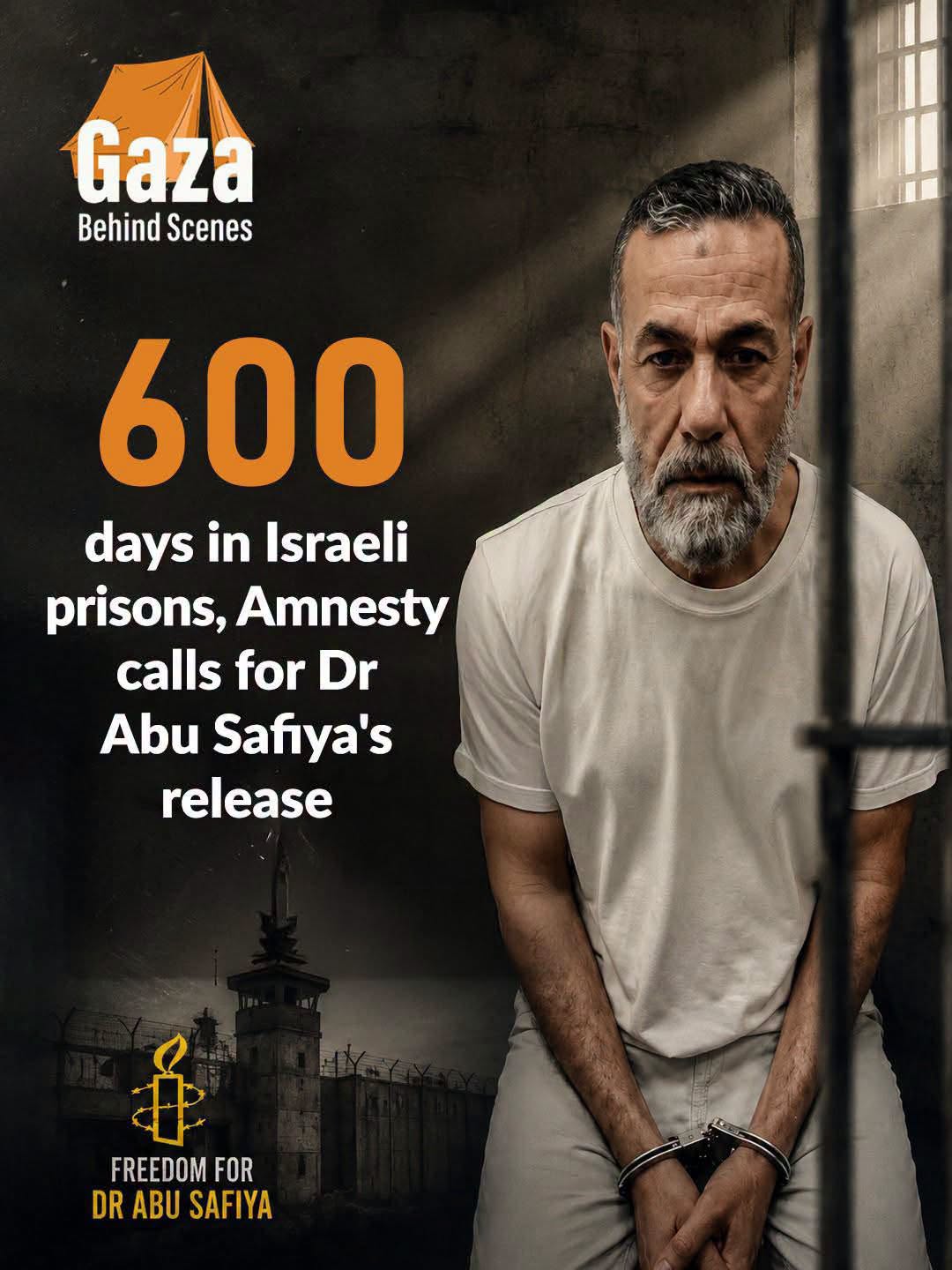
    Amnesty Calls For Release of Dr Abu Safiya

    Amnesty Calls For Release of Dr Abu Safiya

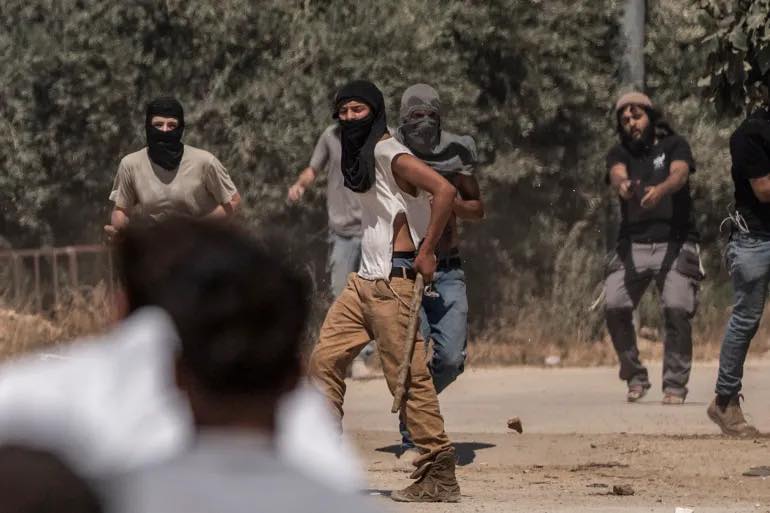
    In August Alone: 2,030 Israeli Army, Settler Attacks on West Bank Palestinians

    In August Alone: 2,030 Israeli Army, Settler Attacks on West Bank Palestinians

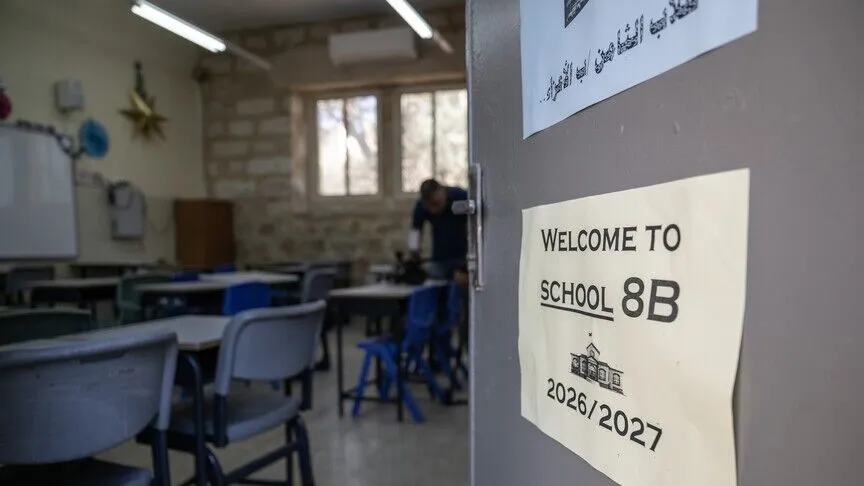
    Israel Slammed For ‘Jewish Curriculum’ on East Jerusalem

    • By marwan
    • September 1, 2026
    • 6 views
    Israel Slammed For ‘Jewish Curriculum’ on East Jerusalem

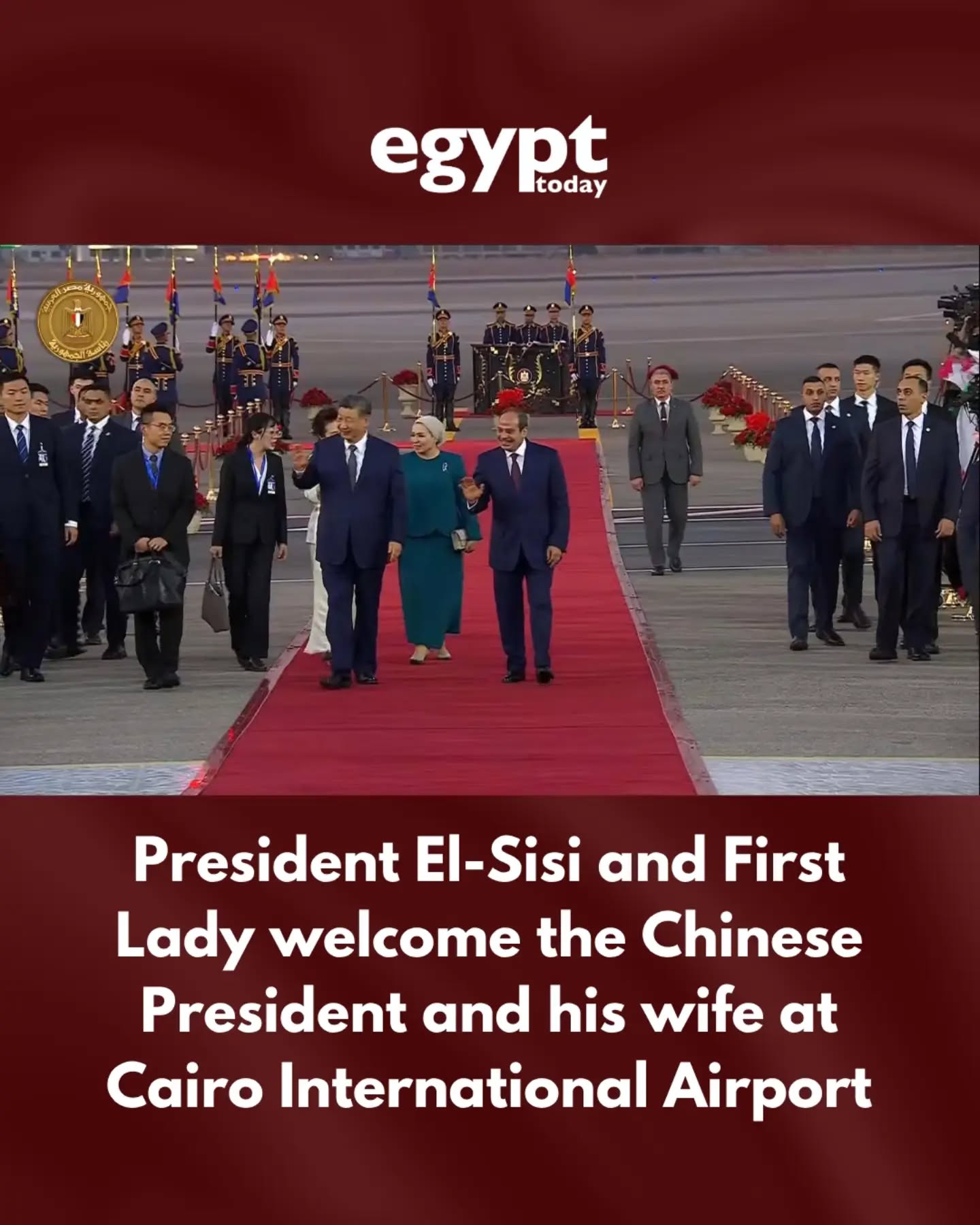
    President Xi Visit to Cairo, 1st in 10 Years

    President Xi Visit to Cairo, 1st in 10 Years

    British Row: Netanyahu’s Son Says Falklands Belong to Argentina

    British Row: Netanyahu’s Son Says Falklands Belong to Argentina

    The True Tale of The Moral Fighter

    The True Tale of The Moral Fighter