UN Begins Clearing 60 M. Tons of Debris in Gaza

The UN on Monday said it was encouraged by renewed Gaza ceasefire commitments, warning that recent violence risked undermining fragile progress, as recovery efforts – including a large-scale rubble removal project – slowly gain momentum across the war-ravaged enclave.

“We are encouraged that the parties have reaffirmed their commitments to implementing the ceasefire in Gaza and commend the steadfast efforts of the mediators,” said UN Spokesperson Stéphane Dujarric at the regular news briefing in New York.

“We do, however, remain concerned by all acts of violence in Gaza and the reported attacks and strikes that took place yesterday.”

Mr. Dujarric urged all sides to honour their obligations and avoid any action that could lead to renewed hostilities, reiterating the Secretary-General’s call for the release of the remains of all deceased hostages.

Over the weekend, Humanitarian Affairs chief Tom Fletcher wrapped up a visit to Gaza, where he met aid workers and inspected UN-supported projects, including a child nutrition centre, a hospital and a road clearance operation.

Debris removal underway

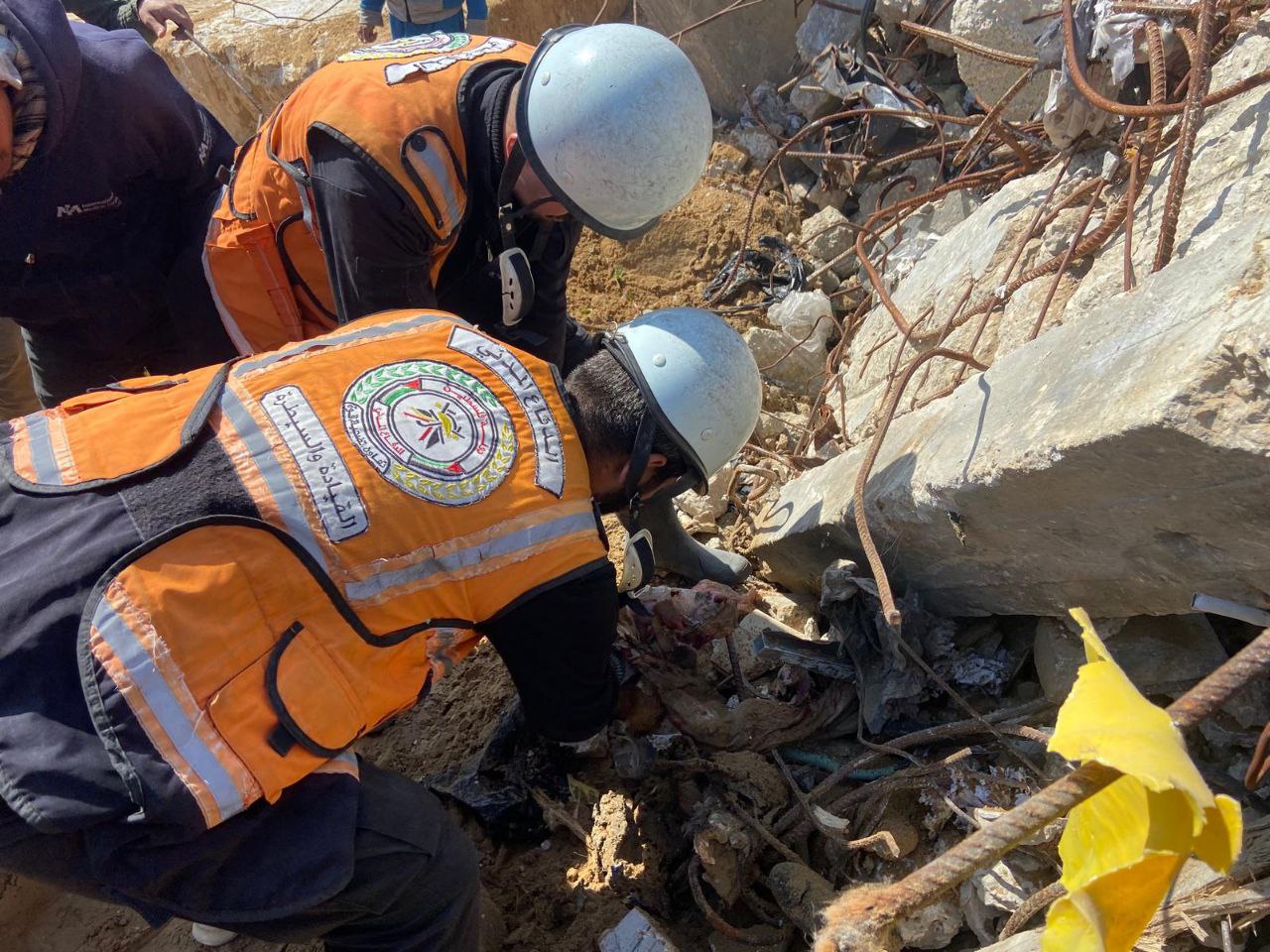
In Gaza City, the UN Development Programme (UNDP) has begun a major debris removal operation – the first phase of a comprehensive debris management plan aimed at restoring access to essential services such as hospitals and schools.

“Rubble represents a major challenge in Gaza, where the estimated amount is between 55 and 60 million tonnes,” said Jaco Cilliers, UNDP Representative in Palestine.

The UN agency taking the vital first step by clearing roads and recycling materials to pave new access routes and temporary facilities.

Dozens of diggers and other vehicles have been deployed along Al-Jalaa Street, where UNDP says it is working around the clock to open roads that have been blocked for months.

“This is a very arduous process and will take many years to complete,” Mr. Cilliers cautioned.

Aid crossings open

UN humanitarians also reported progress in aid delivery under the ceasefire, with the UN agency assisting Palestine refugees (UNRWA) expanding temporary learning spaces and partners resuming food parcel distributions in Deir al-Balah and Khan Younis.

“Over the weekend, we along with our partners continued to collect aid from the Kerem Shalom/Karem Abu Salem and Kissufim crossings. This included post-partum and hygiene kits, medical supplies, fuel, water and food,” Mr. Dujarric said.

He added that on Sunday, for the first time, Israeli authorities allowed the UN to deploy monitors at the Kissufim crossing.

“This is of course a welcome development, as it provides us with much-needed visibility into that segment of the pipeline,” Mr. Dujarric added according to UN News.

CrossFireArabia

CrossFireArabia

Dr. Marwan Asmar holds a PhD from Leeds University and is a freelance writer specializing on the Middle East. He has worked as a journalist since the early 1990s in Jordan and the Gulf countries, and been widely published, including at Albawaba, Gulf News, Al Ghad, World Press Review and others.

Related Posts

Israel Kills 200 Lebanese Children – UNICEF

More than four children have been killed or injured every day on average in Lebanon in the first 25 days of a temporary ceasefire with families still unable to return to their homes, said Save the Children.

New data from Lebanon’s Ministry of Health on Tuesday showed that 22 children have been killed and 89 injured since the temporary ceasefire started on 17 April. This brings the number of children killed in Israeli strikes since renewed escalation in hostilities in Lebanon on 2 March to almost 200 with about 2,900 people killed.

The violence and renewed displacement orders have forced more than one million people – or one in six of the population – from their homes with many now living with relatives, in host communities or in collective shelters.

The number of families living in collective shelters has increased 5% since the conditional ceasefire due to renewed displacement orders by Israeli forces and as families return home to find destroyed houses and damaged farmland so move back the collective shelters. There are now 44,800 children among about 125,000 people in collective shelters.

Thousands of children have been living in collective shelters for over two months in overcrowded conditions with inadequate water, sanitation and hygiene facilities leading to reports of scabies and growing health concerns.

Parents are reporting widespread behavioural changes among children living in collective shelters due to a lack of routine and reduced school engagement including loss of appetite and trouble sleeping. Many children are struggling to continue learning with some schools used as collective shelters and also difficulties accessing online learning due to limited electricity, and poor connectivity.

Tala*, 10, has been living in a collective shelter after being displaced from southern Lebanon, said:

“I just want the war to end so I can go home to my village and sleep in my own bed. I really miss school, I want to see my teachers and be with my friends, and study and play again.”

Nora Ingdal, Save the Children’s Lebanon Country Director, said:

“This ‘so called’ ceasefire that still sees more than four children killed or injured every day is not a ceasefire for children. Attacks on civilians have not stopped – it has simply continued under another name. Colleagues have told me that the airstrikes feel more intense in some areas than they ever did before. Children are not safe until there is a permanent and definitive ceasefire with no violations.”

With further peace talks set to take place on Thursday to determine next steps between Lebanon and Israel, Save the Children is calling on the international community to urgently work toward a permanent and definitive ceasefire and ensure flexible and sustained funding to protect children and allow families to return home to resume their lives.

Save the Children has worked in Lebanon since 1953. In collaboration with partners and local authorities, we are distributing essential items in hard-to-reach areas in the south, provide psychosocial support for children, educate families and children about the risks of unexploded ordnance, ensure access to safe water and sanitation facilities, and distribute essential items for those displaced.

ENDS:

Sources:

Lebanon Ministry of Health

Israeli strikes have killed 380 in Lebanon since truce: Health ministry

Lebanon Ministry of Health

Lebanon-Emergency-Sitrep-23-2026.pdf

Continue reading

You Missed

Jordan 2007! Elections and Hiccups: Looking Backwards

Jordan 2007! Elections and Hiccups: Looking Backwards

Iran is Writing The Final Chapter!

Iran is Writing The Final Chapter!

Gaza Fishermen Dream of Life Prior to 7 Oct

Gaza Fishermen Dream of Life Prior to 7 Oct

Giant Phillippines Volcano Shows no Rest!

Giant Phillippines Volcano Shows no Rest!

The Chinese Fortune Cookie and The “Thucydides Trap”! A  View From Amman

The Chinese Fortune Cookie and The “Thucydides Trap”! A  View From Amman

Israel Kills 200 Lebanese Children – UNICEF

Israel Kills 200 Lebanese Children – UNICEF