US Loses Nearly $4 Billion in Military Assets

The United States has lost approximately $3.84 billion in assets in the first two weeks of “Operation Epic Fury,” according to estimates and data compiled by Anadolu.

The largest items driving the cost are damaged and destroyed AN/TPY-2 radar components belonging to THAAD missile defense systems in the United Arab Emirates, Jordan and Saudi Arabia, valued at an estimated $2 billion. While the extent of the damage is unclear, satellite imagery analyzed by multiple outlets confirms that four AN/TPY-2 radars have been hit across these locations.

A US AN/FPS-132 early warning radar at Al-Udeid Air Base in Qatar, valued at $1.1 billion, was struck by an Iranian missile when retaliatory attacks began on Feb. 28. Qatari authorities confirmed that the radar was damaged according to Anadolu.

US officials speaking to CBS News have so far confirmed that 11 MQ-9 Reaper drones have been downed. At a unit cost of roughly $30 million, the total loss of the drones is about $330 million.

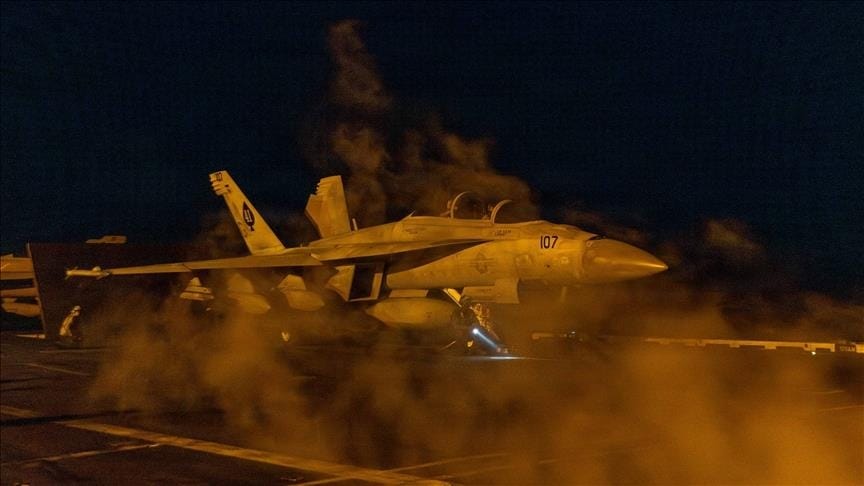
On the second day of strikes, three F-15E Strike Eagle fighter jets were lost in a friendly-fire incident involving Kuwaiti air defenses. While all six aircrew survived, the aircraft were destroyed, with replacement costs estimated at $282 million.

A KC-135 Stratotanker aircraft crashed in western Iraq during an operation on Thursday, killing all six aircrew. The replacement cost of the plane, first adopted in the late 1950s, is $80 million, adjusted for inflation.

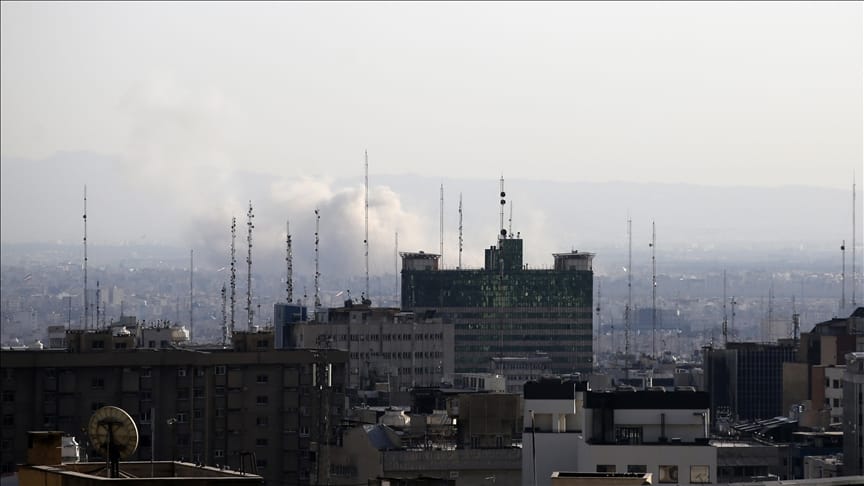
Iran also struck the US Navy’s Fifth Fleet headquarters in Manama, Bahrain, destroying two satellite communications terminals and several large buildings.

Open-source intelligence reports have identified the targeted communication terminals as AN/GSC-52Bs, with an estimated cost of $20 million, factoring in deployment and installation.

In addition to the terminals lost in Bahrain, satellite imagery analyzed by The New York Times of Camp Arifjan in Kuwait showed three destroyed radomes, adding roughly $30 million in damage.

Combining these costs, the US has lost $3.84 billion worth of military assets in its ongoing conflict with Iran.

  • CrossFireArabia

    CrossFireArabia
    Dr. Marwan Asmar holds a PhD from Leeds University and is a freelance writer specializing on the Middle East. He has worked as a journalist since the early 1990s in Jordan and the Gulf countries, and been widely published, including at Albawaba, Gulf News, Al Ghad, World Press Review and others.

    Related Posts

    Iran’s Air Defences Destroy 110 Drones

    Iran on Friday said that its air defenses have destroyed 111 drones since the start of the war involving the US and Israel, according to a statement by the Islamic Revolutionary Guard Corps (IRGC).

    The statement, reported by the official Iranian news agency IRNA, said an armed MQ-9 drone was intercepted and destroyed over Firuzabad in Fars Province, while another drone was also shot down in the skies over Tabriz.

    It added that the total number of drones of various types destroyed since the start of the war has reached 111 according to Anadolu.

    Tensions across the Middle East have flared up since Israel and the US launched a joint attack on Iran on Feb. 28, killing so far around 1,300 people, including the then-Supreme Leader Ali Khamenei.

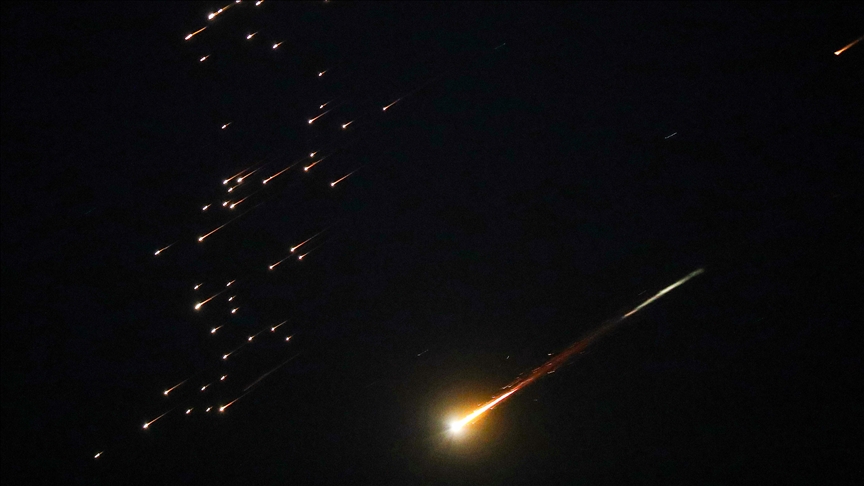
    Tehran retaliated with drone and missile strikes targeting Israel, Jordan, Iraq, and Gulf countries that are home to US military assets, resulting in casualties and damage to civilian infrastructure and affecting global markets and aviation.

    Continue reading
    Lebanon: Women Forced to Deliver on Roads

    As the UN Secretary-General touched down in Beirut on Friday in solidarity with the people of Lebanon, UN agencies highlighted the dangers for civilians and particularly pregnant women and migrant workers, amid ongoing airstrikes and rocket fire between Hezbollah fighters and Israel. 

    “There’s 11,600 pregnant women who are affected, 4,000 are anticipated to give birth over the next three months,” said Anandita Philipose, Lebanon Representative for the UN population fund, UNFPA

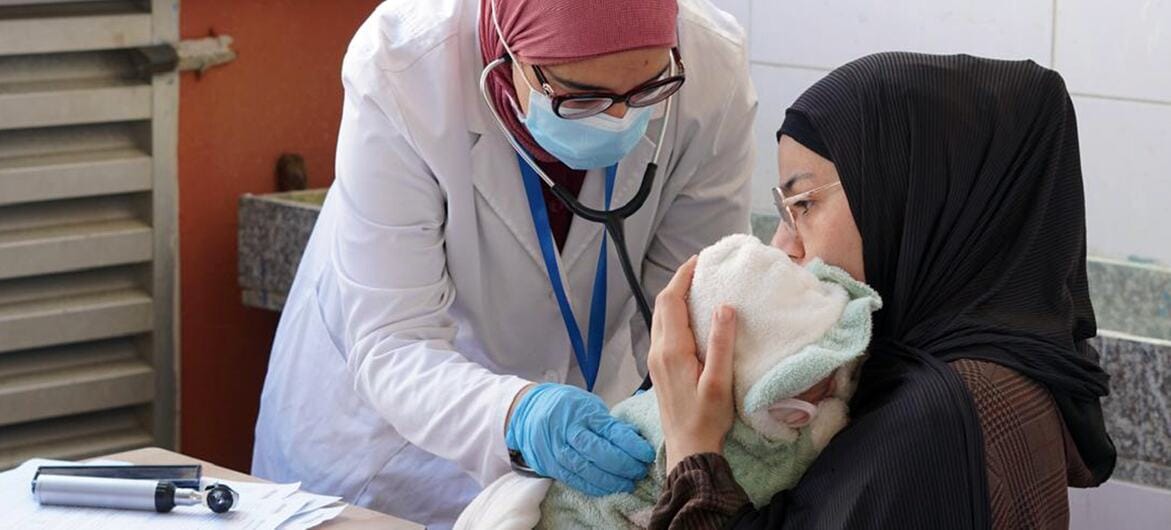
    Many of these women have been forced from their homes, cut off from essential health services and forced to give birth in dangerous conditions, some even by the side of the road.”

    The situation across Lebanon has escalated dramatically – and notably in the south, Beirut, Mount Lebanon and the Bekaa Valley – since war erupted across the Middle East, sparked by Israeli-U.S. strikes in Iran on 28 February, Iranian counterstrikes in many Gulf States, Hezbollah rocket fire into Israel and Israeli airstrikes in response.

    Health care hit

    According to UNFPA, 55 hospitals and clinics have been forced to close, either because they are in zones impacted by Israeli mass evacuation orders, “or because there’s been direct damage to them”, Ms. Philipose added.

    The UN peacekeeping mission in Lebanon, UNIFIL, has recorded daily rocket, missile and drone attacks on Israel and the occupied Golan from Lebanon and artillery fire, air and drone strikes by Israeli soldiers, who have made “ground incursions up to seven kilometres (4.3 miles) into Lebanon”, said Kandice Ardiel, UNIFIL spokesperson.

    Speaking via video from the force’s headquarters in Naqoura close to the Blue Line separating Lebanon from Israel, Ms. Ardiel highlighted a significant escalation on Wednesday evening. That involved more than 100 projectiles “fired from Lebanese territory and over 100 projectiles fired right back from Israel, as well as seven airstrikes within our area of operations”.

    Nonetheless, “things have been more quiet yesterday. We haven’t seen so much activity, and I haven’t seen any numbers from today, but I’ll say here in Naqoura, it’s been fairly quiet…nonetheless, it’s a very volatile situation and anything can change at any moment.”

    Migrant vulnerability

    As the violence continues, the UN migration agency, IOM, warned that more than 822,000 people have been displaced so far inside Lebanon alone, with migrants “particularly vulnerable” and with “nowhere to go”, said Mathieu Luciano, IOM Chief of Mission in Lebanon.  

    “Lebanon hosts 200,000 migrants. They come here for work and they’re particularly vulnerable,” he said from Beirut. “They come from Ethiopia, from Sri Lanka, from Kenya, Sudan, Bangladesh and other countries and most of them were working in agriculture, construction, also domestic workers, and the crisis has hit them hard. It left many with nowhere to go and relying on community organizations, churches, their embassies and NGOs for safety.”

    According to the UN refugee agency, UNHCR, more than 4.1 million people have been internally displaced in Afghanistan, Iran, Lebanon and Pakistan since the beginning of the escalation.

    Help to leave Iran 

    Inside Iran, IOM said that it has already assisted migrants to return home from Iran. “We have requests to assist others. Right now, the barrier is resources to be able to do so,” said David John, Director of Movement, Resettlement and Labour Pathways at the agency.

    “So far, the numbers that are being mentioned are that some 11,400 Iranians have crossed into Türkiye, while over 24,600 Afghans have returned from Iran back into Afghanistan. Both figures are remaining currently within the daily average crossings,” UNHCR spokesperson Babar Baloch told journalists in Geneva.

    The UN agency has found work-arounds to counter supply chain disruption caused by the war. “Despite ongoing airspace closures and many time disruptions, UNHCR has been able to respond quickly,” Mr. Baloch explained. “Essential relief items are pre-positioned across the region, including Termiz in Uzbekistan, strategically close to Iran and several country-level warehouses.” UN News

    Continue reading

    Leave a Reply

    Your email address will not be published. Required fields are marked *

    You Missed

    Sirens Blast Six Times in Israel in One Day

    Sirens Blast Six Times in Israel in One Day

    Iran’s Air Defences Destroy 110 Drones

    Iran’s Air Defences Destroy 110 Drones

    Lebanon: Women Forced to Deliver on Roads

    Lebanon: Women Forced to Deliver on Roads

    US Loses Nearly $4 Billion in Military Assets

    US Loses Nearly $4 Billion in Military Assets

    Hezbollah Prepared For ‘Long War’ With Israel

    Hezbollah Prepared For ‘Long War’ With Israel

    Larijani: Region Would Go ‘Dark’ if The US Attacks Iran’s Electricity

    Larijani: Region Would Go ‘Dark’ if The US Attacks Iran’s Electricity