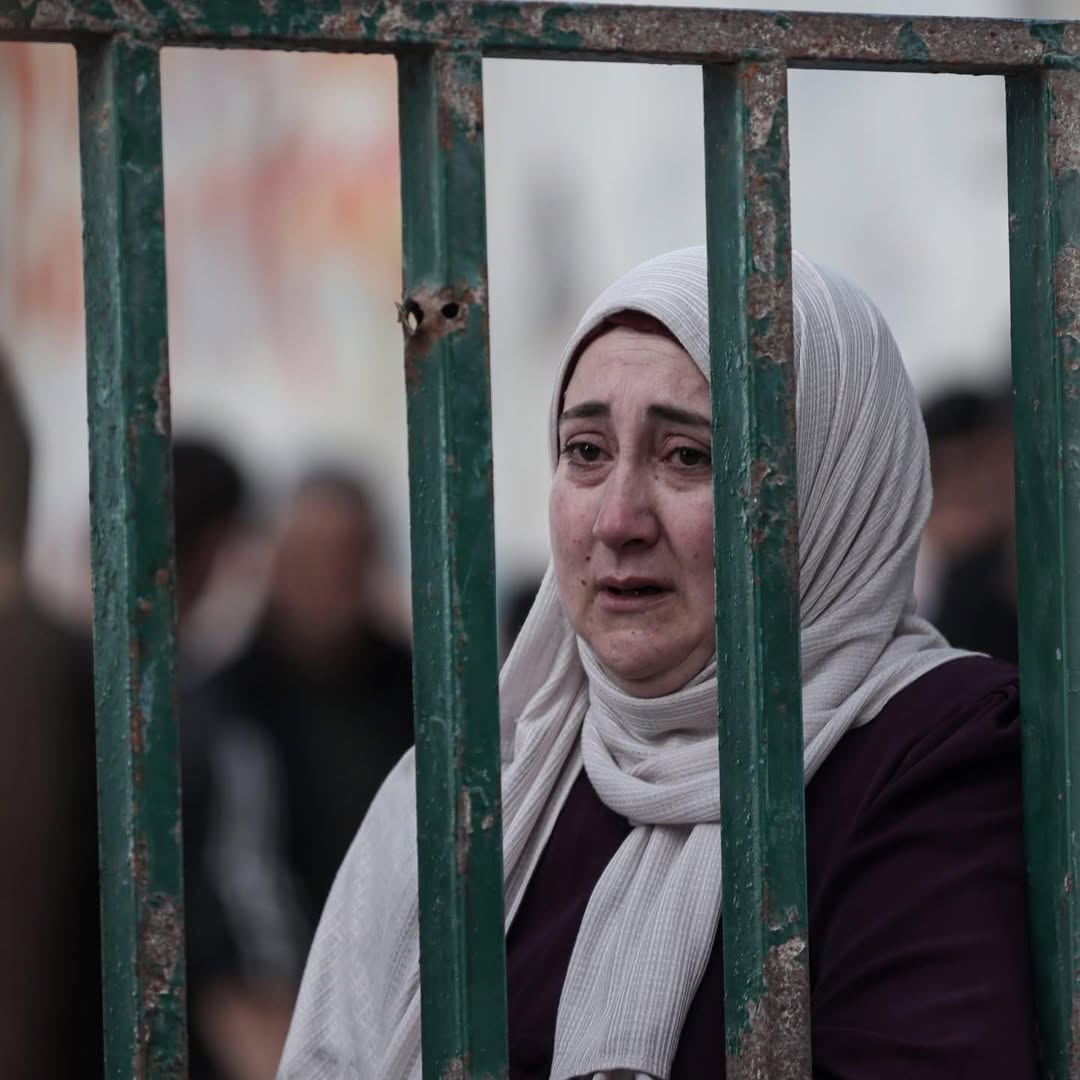
4000 Cancer Patients on Verge of Death

Al-Shifa Medical Complex Director Muhammad Abu Salmiya, warned, Wednesday, of an impending humanitarian catastrophe threatening the lives of thousands of patients and those wounded due to the depletion of chemotherapy and other life-saving medications, amidst a complete paralysis of the healthcare system in the Gaza Strip.

Abu Salmiya confirmed, in statements reported by Sanad that more than 4,000 cancer patients in the Gaza Strip have been completely deprived of treatment now for over a month.

He pointed out the chemotherapy shortage is raising the death rate among cancer patients to about four to five cases daily, given the continued Israeli blockade preventing the entry of diagnostic, therapeutic, and nuclear scanning equipment.

Read also: Gaza Health Ministry: Severe and Unprecedented Shortage of Cancer Medications

He explained medical teams exhausted all available alternative medications, including previously extended-expiration shipments. He emphasized the absence of any component in the chemotherapy protocol completely negates the effectiveness of the treatment, leaving breast, colon, and lung tumors to spread unchecked.

Abu Salmiya added the crisis has extended to other patient groups; children with diabetes are suffering from a complete lack of insulin pens, while kidney failure patients are facing a severe shortage of calcium supplements and blood-strengthening hormones. This is occurring alongside the spread of skin and intestinal diseases and dehydration among displaced people living in tents.

He pointed out that international and UN organizations, such as the World Health Organization, Red Cross, and Doctors Without Borders, have closely observed this collapse, which coincides with the influx of 100s of martyrs and wounded to hospitals as a result of the ongoing escalation of violence.

Abu Salmiya called on the international community and the guarantors of the recently signed agreements to take urgent action and exert pressure to open the crossings and allow the regular entry of medicines and medical supplies to salvage what can still be saved.

On Tuesday, the Ministry of Health in Gaza warned of a catastrophic health crisis due to the severe and unprecedented shortage of essential medicines for cancer patients, emphasizing that the provision of medical services to this group has reached its most critical point ever.

Medical reports and UN statements continue to emerge regarding the collapse of the health system in Gaza, with 26 out of 38 hospitals out of service, in addition to the shortage of basic medicines exceeding 50%, the shortage of medical supplies reaching 70%, and the shortage of laboratory tests reaching more than 87%, which threatens the lives of thousands of patients.

CrossFireArabia

CrossFireArabia
Dr. Marwan Asmar holds a PhD from Leeds University and is a freelance writer specializing on the Middle East. He has worked as a journalist since the early 1990s in Jordan and the Gulf countries, and been widely published, including at Albawaba, Gulf News, Al Ghad, World Press Review and others.

Related Posts

Mojtaba Khamenei in ‘Full Physical Health’

Iranian President Masoud Pezeshkian said Monday that Supreme Leader Mojtaba Khamenei is in “full physical health” following a seven-hour meeting.

“We met with the Leader of the Revolution and discussed all manner of issues. Physically, he was in full health,” Pezeshkian said during a meeting cited by the semi-official Tasnim news agency.

“He offered his guidance, and I raised the concerns and problems. He listened to what I had to say with ease,” he added.

The official IRNA news agency earlier reported that Khamenei and Pezeshkian held a seven-hour long meeting to discuss challenges facing the country.

“Maintaining unity and cohesion was the most important advice that the Supreme Leader of the Revolution emphasized,” Pezeshkian said.

He added that the meeting primarily focused on people’s livelihoods, employment and housing, as well as “the problems caused by sanctions.”

Iran is engaged in a military conflict with Washington since the US and Israel launched a joint offensive against Tehran in February, fueling regional tensions. Iran retaliated with attacks targeting regional countries hosting US military assets.

Iran and the US agreed to a ceasefire in April and subsequently signed a memorandum of understanding in June aimed at ending their military conflict and reaching a lasting peace agreement.

​​​​​​​The deal, however, collapsed last month with Tehran and Washington exchanging attacks for nearly two weeks before US President Donald Trump abruptly halted the bombardment amid reports of talks to resolve the conflict according to Anadolu.

Continue reading
Facing The Israeli Gun: 108 Cases Against Journalists in July

The Freedoms Committee of the Palestinian Journalists Association has documented 108 cases of crimes, attacks, and violations against journalists and media workers in last July 2026. These included arrests, beatings, interrogations, detentions, and prevention from covering events, as well as attacks with stun grenades and tear gas, settler assaults, raids on homes and media outlets, and the confiscation and destruction of equipment.

The Freedoms Committee confirmed that 58 cases of detention and prevention from covering events topped the list of documented violations in that month of July, while restrictions on journalists’ work continued as they covered events in the field.

The committee also recorded 11 attacks by settlers against journalists and media crews, including physical assault, pushing, threats, and preventing journalists from carrying out their work, particularly while covering events and attacks in various areas of the West Bank.

The committee also documented 12 cases of journalists being targeted with stun grenades and tear gas, which in several instances resulted in journalists suffering from suffocation while covering raids, attacks, and field events.

Regarding physical assaults, the Committee documented six cases of beatings, in addition to four cases of journalists sustaining serious injuries while performing their journalistic duties and covering events in the Gaza Strip. These injuries included those caused by shrapnel from rockets and shells.

Concerning arrests, the committee documented two cases of journalists being detained, while also recording four cases of interrogation, as part of measures targeting journalists while performing their work or due to their journalistic activities.

The committee also monitored four cases of raids on homes and media outlets, some of which involved searches, tampering with contents, and interrogations of journalists. Additionally, one media outlet was closed and its contents confiscated.

With regard to journalistic equipment, the committee recorded three cases of confiscation and destruction of equipment, along with two cases of deletion of video footage during the prevention of journalists from covering events or attacks against them while performing their duties.

The Committee for Freedoms also documented two cases of journalists being barred from Al-Aqsa Mosque, where decisions were issued preventing them from entering the mosque’s courtyards for specific periods.

The field reports documented by the Committee during the month show that the attacks were not limited to one type of violation, but extended from arrest, interrogation, and detention to physical assault, targeting with tear gas and stun grenades, as well as preventing coverage, confiscating equipment, and deleting footage.

These findings confirm the continued exposure of Palestinian journalists to multiple risks and restrictions while performing their professional duty of reporting and documenting events, amidst repeated instances of prevention, detention, and attacks on media crews in various locations.

The Palestinian Journalists Association demands guarantees for the protection of journalists and their ability to perform their work without threats, attacks, or harassment. It also calls for respect for press freedom and the public’s right to access information, and for holding accountable those responsible for attacks and violations against journalists and media crews. Quds Press

Continue reading

You Missed

Oliver Stone: Israel’s Policy on Palestine Will be Judge by History as One of The Darkest…

Oliver Stone: Israel’s Policy on Palestine Will be Judge by History as One of The Darkest…

Gaza: No Trucks, No Aid, Israeli-style

Gaza: No Trucks, No Aid, Israeli-style

Israeli Holds 1700 Palestinian Remains For Bargaining

Israeli Holds 1700 Palestinian Remains For Bargaining

View of The Abu Taha Family in Yafa, 1940

  • By marwan
  • August 10, 2026
  • 10 views
View of The Abu Taha Family in Yafa, 1940

Mojtaba Khamenei in ‘Full Physical Health’

  • By marwan
  • August 10, 2026
  • 11 views
Mojtaba Khamenei in ‘Full Physical Health’

Melissa Barrera: ‘I am Not Afraid of Losing My Career…’

Melissa Barrera: ‘I am Not Afraid of Losing My Career…’