CrossFireArabia
By Dr Marwan Asmar
Israel’s government, soldiers and settlers destroyed between 13,000 and 14000 olive trees in the occupied West Bank in the first five months of 2026. The figures are based on different Palestinian and Israeli sources.
In May 2026 alone Israeli Finance Minister Bezalel Smotrich said he had ordered the uprooting and destruction of 3000 trees in northern Palestine. The uprooting of these trees were ordered to be felled in a single day.
In early February, 2006 human rights’ groups reported that over 8000 trees were destroyed and a report by the Palestinian Wall and Settlement Commission (PWSC) released last Mid-May showed that 4,414 had been uprooted, destroyed and/or poisoned.
The uprooting of “Palestinian trees” by Israeli settlers backed by the Zionist army has become a normal state of affairs as it has increased viciously since October 2023 when over 37,200 olive trees were “uprooted”, “broken” and “burned” in conjunction with the Israeli war and slaughter of Gaza.
The situation spelled disaster for Palestinian farmers. In cahoots with Israeli soldiers, settlers would go down on Palestinian villages and towns and start uprooting olive trees out of sheer vandalism.
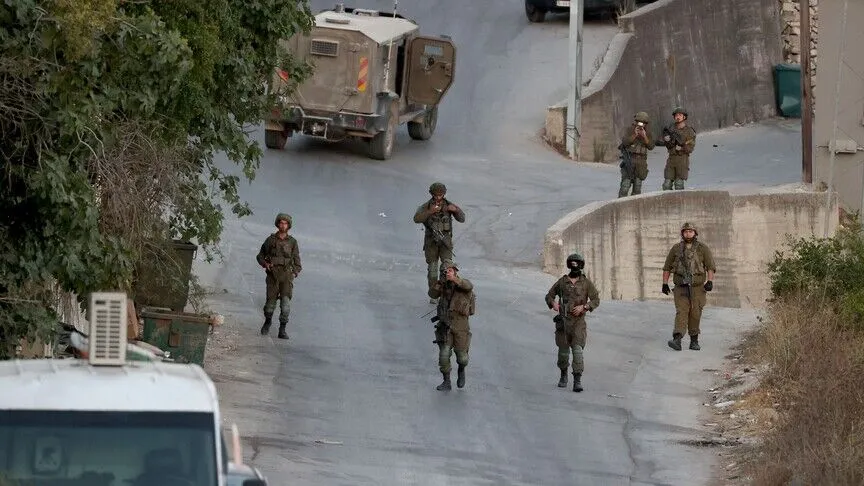
At the end of last April, this is exactly what happened when settlers from the “Adi Ad” settlement descended on the Turmus Aya village that lies to the north-east of Ramallah in the occupied West Bank and started to destroy and vandalize 400 olive trees.
As they did this, on Saturday night, they were guarded by the Israeli army. This attack came days after the settlers descended on the village and set fire to a house and a car there.
The attack on Turmus Aya is not an isolated incident. The village has been targeted for the past few years. The PWSC, a monitoring organization of such attacks said the Israeli army had been responsible for 1,322 of such attacks while the settlers involved for 497 acts of vandalism on different Palestinian cities with Hebron topping the list at (321), Nablus (315), Ramallah (292) and Jerusalem (203).
Statistics point out that Israel has destroyed between 800,000 and 1 million olive trees in the occupied Palestinian territories from 1967 till now. However, since that year, when Israel effectively occupied all of the Palestinian territories, it destroyed 2.5 million trees.
Besides olives, they included orange (different varieties), lemon, grapefruit and clementine trees. The Palestinian territories are known for their varieties like almond, figs, apricots, peaches and plums trees.
These trees were destroyed by the Israeli occupation for basic military takeover to expand the Palestinian lands with Israeli settlements – about 147 settlements and 224 outposts – and create the required infrastructure and roads for these since some of them resemble big cities.
In the case of the Smotrich announcement for example, and the uprooting of 3000 trees on Palestinian lands in the north West Bank, the purpose there was to expand the Israeli Shaked Industrial Park which is next to the settlement there that has the same name.
Gaza, another story
Gaza is another sad story for the Israeli genocide has affected the whole of the agricultural sector. During the last war on the Gaza Strip, Israel destroyed 1 million trees according to Fayyad Fayyad, head of the Palestinian Olive Council. The destruction literally decimated the agriculture sector of the enclave.
Prior to 7 October, 2023, Gaza had 1.1 million trees roughly producing 50,000 tons of olives every year but no more. About 98 percent of Gaza’s tree cropland has been destroyed.
Dr Mazen Qumsiyeh, a biologist at Bethlehem University, calls the destruction in Gaza an “ecocide” as statistics show that over the past two years and more, Israel has destroyed between 500,000 to 700,000 non-olive trees.
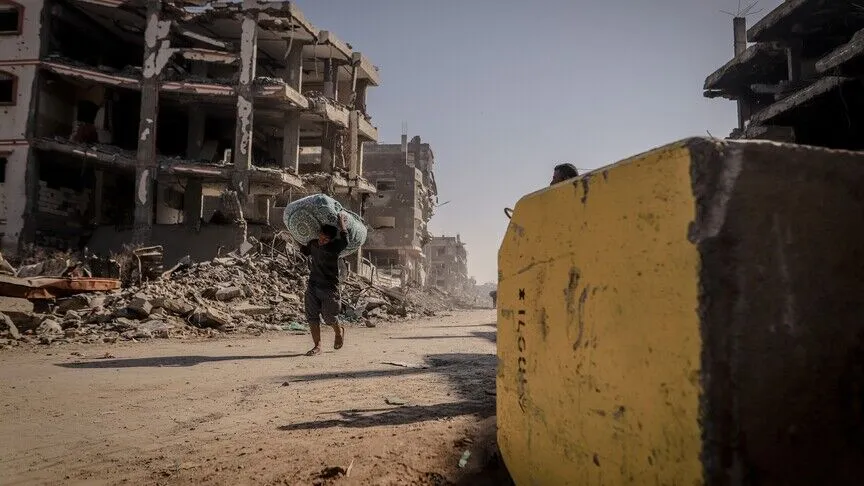
Today in Gaza everything has been razed to the ground. There had once been 35 olive oil presses in the Strip but most of these have been destroyed with only five left as of the end of last year.
The loss of a million olive trees is a $50-million-plus-loss since the total olive oil sector (West Bank and Gaza) contributed between $160 and $190 million to the Palestinian national economy as a direct result of exports to regional and international markets.
The olive oil sector accounts for roughly five percent of the Palestinian GDP and 20 percent of the agricultural sector. Further olive oil production sustains 100,000 families in the Palestinian territories.
Marwan Asmar is a writer from Amman and blogs for crossfirearabia.com

 marwan