Experts: ICC Arrest Warrants is Start For More Israeli Sanctions

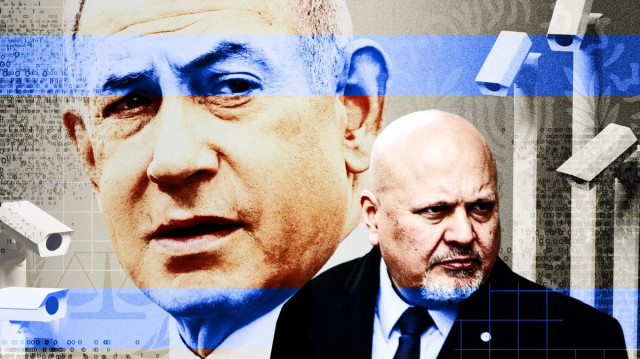
The International Criminal Court’s (ICC) arrest warrants against Israeli Prime Minister Benjamin Netanyahu and former Defense Minister Yoav Gallant could open the floodgates for more legal challenges for other Israeli officials, as well as Western nations supporting the ongoing genocide in Gaza, experts say.

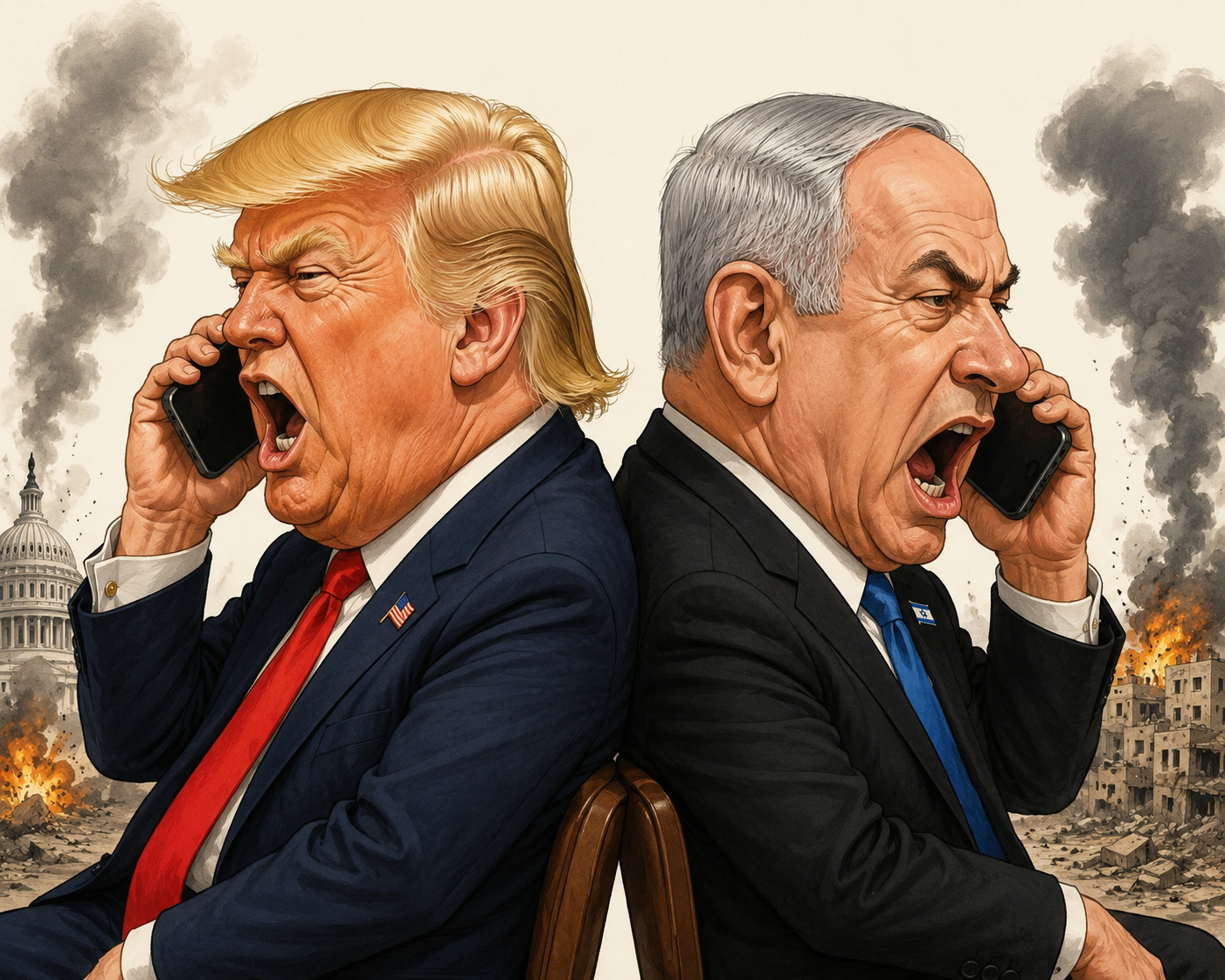
On Nov. 21, ICC Pre-Trial Chamber 1 issued warrants for Netanyahu and Gallant accusing them of using starvation as a method of warfare in Gaza, along with the crimes against humanity of murder, persecution and other inhumane acts.

Israeli academic and law professor Neve Gordon believes this could be the tip of an iceberg of cases and warrants against other top Israeli military officials and leaders.

“It is clear that while Netanyahu and Gallant were at the very top of the decision-making and policymaking apparatus, but there are several other high-ranking politicians and military personnel that are implicated in the starvation and in the systematic attacks on health care,” Gordon, an international law professor at Queen Mary University of London, told Anadolu.

“I will not be surprised if in the coming months or even coming years, there will be warrants against the chief of staff, maybe some other generals, the current defense minister, and maybe other ministers.”

Legal expert Michael Becker pointed to ICC Prosecutor Karim Khan’s statement and reference to ongoing lines of inquiry as an indicator of what could come next.

“It could mean additional charges sought against Netanyahu and Gallant. It could also mean new requests for arrest warrants against other potential defendants,” he said.

“There’s probably no shortage of possible candidates that the court might be interested in pursuing.”

For the initial stage, he said the ICC made “a concerted effort to focus their efforts on the leadership, and those people most responsible for making policy decisions about how to conduct the operation in Gaza.”

“It is, of course, possible that other people could end up being the target or the subject of arrest warrants,” Becker, assistant professor of international human rights law at Trinity College Dublin, told Anadolu.

Also, he added, the warrants issued do not cover all the charges sought by the prosecutor, most notably the crime against humanity of extermination.

“We might see the prosecutor try to challenge that determination as the process goes on, in order to get that charge included,” he explained.


Legal troubles for Israel’s allies

Experts say the ICC warrants could also lead to legal troubles for Western governments that are selling arms to Israel and supporting it militarily.

“The pre-trial chamber has opened an avenue for a whole series of other legal petitions in domestic courts, particularly in Europe, where countries continue to send arms to Israel,” said Gordon.

Given the ICC’s charges against the Israeli leaders, these countries are violating their own laws because most of them have a memorandum of arms trade setting out certain conditions, he explained.

Each country “legally restricts itself from trading arms with entities that carry out serious violations of international humanitarian law.”

“There is a high possibility, according to the ruling by the pre-trial chamber, that Israel has carried out crimes against humanity,” he continued.

“Therefore, by continuing to trade arms with Israel, these countries are in danger of being complicit with crimes against humanity, and that is against their own laws.”

This gives human rights organizations and NGOs in these countries the space to file cases against their governments in domestic courts, he said.

“This can actually lead to an arms embargo on Israel, not by the US, but by Germany, Italy, UK, Spain and France, which are the major European countries that trade arms with Israel,” said Gordon.

As opposed to the US and Israel itself, most of Tel Aviv’s European allies are members of the ICC, part of 124 countries around the world that are now legally obliged to arrest Netanyahu and Gallant should they set foot on their territory.

Most of Israel’s European allies, such as France and Italy, have said they would uphold international law and execute the warrants. Other European nations that have said the same include Ireland, Sweden, Switzerland, the Netherlands, and Belgium.

The UK has also vowed to “always comply with its legal obligations as set out by domestic law and indeed international law,” but has not explicitly said it would arrest the duo.

Germany has pledged continued support for Israel, with a government spokesperson saying the country generally supports the ICC, but it has not yet decided whether it would actually implement the arrest warrant for Netanyahu and Gallant.


Parallel investigations in West Bank, East Jerusalem

In his statement on the warrants, ICC Prosecutor Khan said his office is also “taking forward additional lines of inquiry in areas under the Court’s jurisdiction, which include Gaza and the West Bank, including East Jerusalem.”

Palestinians in the occupied West Bank have been subjected to ever-escalating Israeli violence and repression in parallel to the genocide in Gaza, with at least 797 killed and more than 6,000 wounded since last October. According to the Israeli advocacy group Peace Now, there are more than 720,000 illegal settlers in the occupied West Bank, including East Jerusalem.

“I think that one of the things that we have been witnessing particularly since October 2023 is the kind of efforts to displace communities in the West Bank from their ancestral lands, particularly in the South Hebron Hills and in the Jordan Valley, not far from Ramallah,” said Gordon.

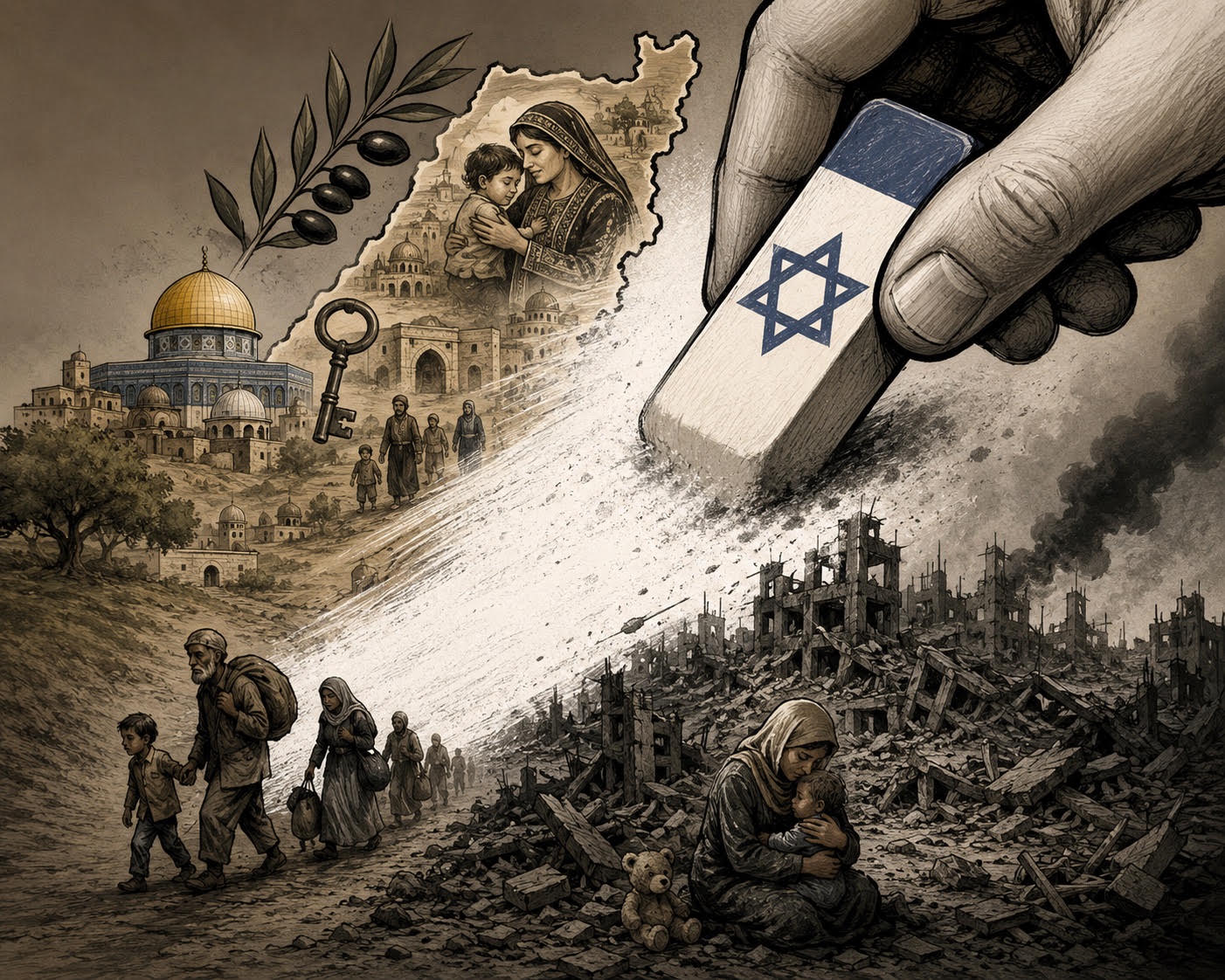
“I think there is a chance that the prosecutor will look at the kinds of efforts to displace Palestinians and replace them with Jewish settlers, which is part of the settler colonial logic of cleaning the land from its indigenous inhabitants.”

Earlier this month, Israel’s far-right Finance Minister Bezalel Smotrich openly called for annexation of the occupied West Bank, drawing worldwide condemnation.

Smotrich, defying international law, declared that “the only way to remove the threat of a Palestinian state from the agenda is to apply Israeli sovereignty over the settlements in Judea and Samaria (West Bank),” vowing that 2025 will be the year for Israeli sovereignty over the occupied Palestinian territory.


Impact on ICJ case

Becker, a former staffer at the International Court of Justice (ICJ), pointed out the interplay between the ICC charges and those in South Africa’s genocide case against Israel at the ICJ.

He said the ICC prosecutor’s decision to focus on the war crime of starvation when he filed for warrants in May arguably was encouraged or facilitated by the ICJ’s provisional measures order in March.

“Out of the three different provisional measures, the risk of starvation and famine was really the focus of that March order. So, it was interesting to see that was what the prosecutors seem to be focused on,” he said, adding that starvation was again a focal point in the warrants.

While any concrete progress at both courts could take years, the ICC warrants could impact the ICJ case in other ways, he said.

The language used in the pre-trial chamber’s decision to justify the warrants “tracks exactly some of the language from the Genocide Convention, even though the charges that the prosecutor has sought are not charges of genocide,” he explained.

“That’s important in the sense that it might give the ICJ further grounds, or the ICJ might find themselves operating on firmer ground, if they also find that Israel’s actions in Gaza have created conditions of life intended to destroy a part of the population, because that’s the language we see in the pre-trial chamber and that tracks language from Article II of the Genocide Convention.”


‘Disincentive for Israel to de-escalate’

On the question of whether the ICC warrants or threat of more legal troubles could stop Israel’s assault on Gaza, Becker fears it could end up having an “opposite effect.”

“If Israel’s defense all along, as it has been, is that we’re not doing anything wrong and we are complying with international law, Israeli officials might say we actually now have no incentive to change our tactics,” he said.

The thinking there could be that if they do make changes, they would “risk that being framed as some kind of admission that what we were doing before was wrong.”

“So, perversely, I think that the ICC arrest warrants might actually be a disincentive for Israel to de-escalate,” he added.

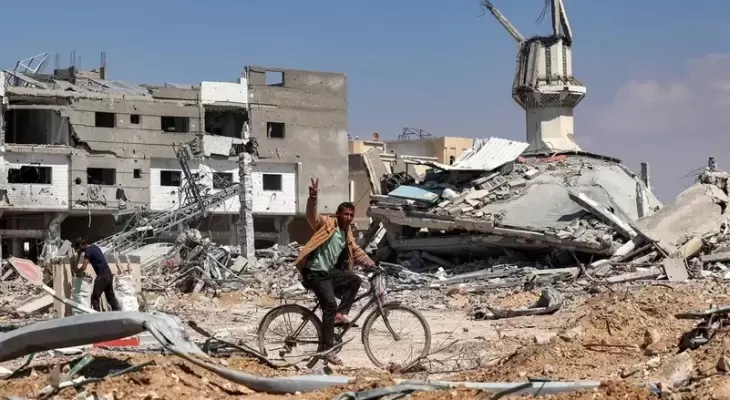
Since last Thursday, Israel has killed at least 150 Palestinians as it continues its relentless attacks on Gaza, raising the overall death toll to nearly 44,200, most of them women and children.

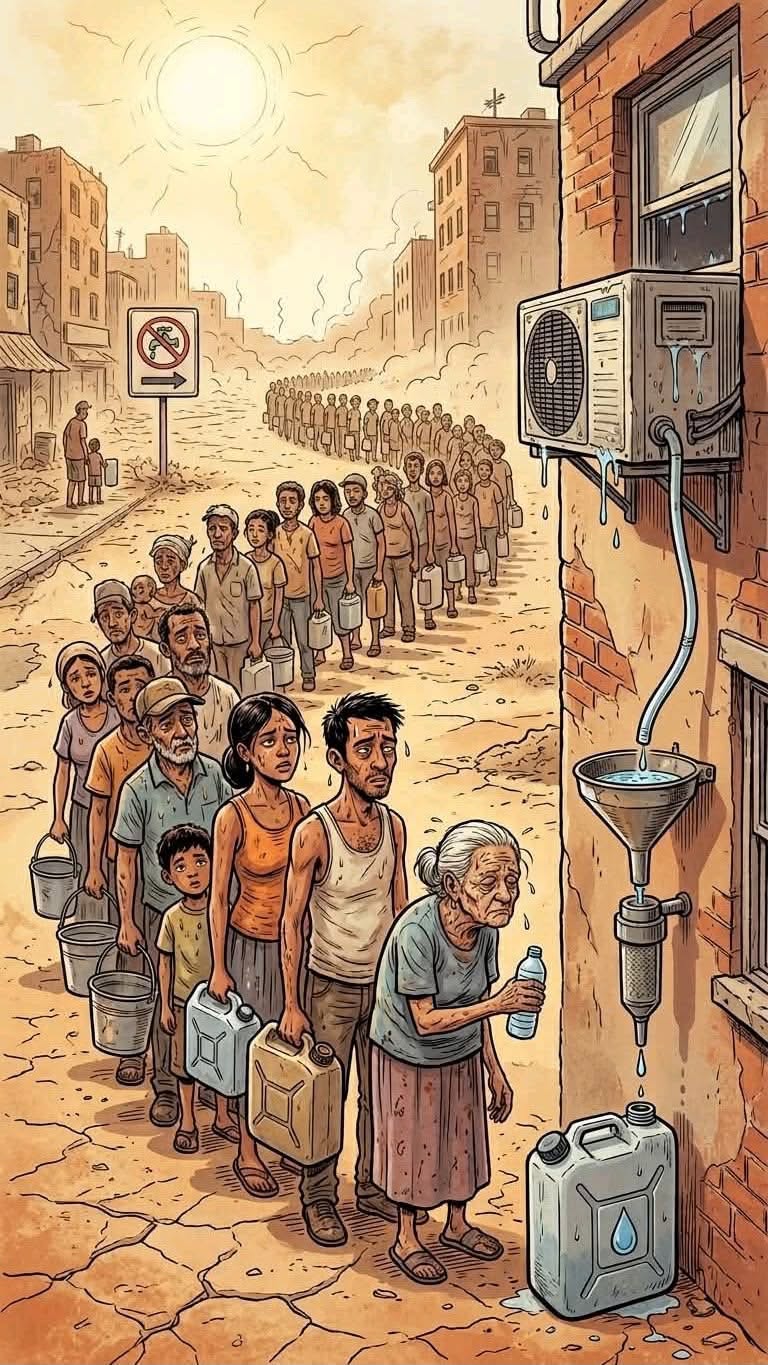
More than 105,000 Palestinians have also been wounded in Israeli attacks, while a crippling siege on water, power, fuel, and all humanitarian essentials has left more than 2 million Palestinians facing death and starvation.

CrossFireArabia

CrossFireArabia
Dr. Marwan Asmar holds a PhD from Leeds University and is a freelance writer specializing on the Middle East. He has worked as a journalist since the early 1990s in Jordan and the Gulf countries, and been widely published, including at Albawaba, Gulf News, Al Ghad, World Press Review and others.

Related Posts

Analysis: Why Did Hezbollah Enter This War?

Hezbollah’s entry into the war reflects strategic calculations shaped by Israeli escalation, regional alliances, and Lebanon’s fractured politics.

Key Takeaways

  • Israel has repeatedly violated the ceasefire in Lebanon through airstrikes, raids, and surveillance operations.
  • Hezbollah’s response has so far remained limited compared to Israel’s sustained military actions.
  • Lebanon’s political leadership has failed to present a unified response to Israeli attacks on Lebanese territory.
  • Hezbollah’s intervention reflects strategic concerns about Israel’s long-term plans in Lebanon and the broader war against Iran.
  • The coordination between Iran, Hezbollah, Ansarallah, and Iraqi factions suggests the Axis of Resistance continues to operate collectively.

A Regional War Expands

Hezbollah’s decision to enter the ongoing regional confrontation did not occur in isolation. The latest escalation began when the United States and Israel launched major strikes against Iran, triggering waves of Iranian retaliation across the region.

The conflict quickly expanded beyond Iran itself. Iranian retaliatory strikes targeted US military assets and positions across the Gulf. The war rapidly assumed the character of a wider regional confrontation involving multiple actors aligned along competing geopolitical blocs.

Within this context, attention turned to Lebanon, where Hezbollah—one of the most powerful non-state actors in the Middle East—began limited military operations against Israeli positions along the border.

The central question quickly emerged: Why did Hezbollah enter the war?

The answer lies in a combination of military, political, and strategic considerations that go far beyond the immediate battlefield.

Did Hezbollah Violate the Ceasefire?

A central claim advanced by Israel and some Western governments – and even anti-Hezbollah factions in Lebanon itself – is that Hezbollah’s actions represent a violation of the ceasefire arrangements that followed previous rounds of conflict along the Lebanese border.

However, the reality on the ground presents a far more complex picture.

For months, Israel has carried out continuous violations of Lebanese sovereignty through airstrikes, drone surveillance, artillery fire, and cross-border incursions.

According to Lebanese government figures and reports by the United Nations Interim Force in Lebanon (UNIFIL), Israel has committed thousands of violations of Lebanese airspace and territory since the ceasefire arrangements took effect.

Lebanese officials have repeatedly documented Israeli overflights, drone operations, and missile strikes inside the country. UNIFIL has also confirmed frequent violations of Lebanese airspace by Israeli aircraft.

These actions have not been merely symbolic. Israeli strikes have caused civilian casualties and extensive destruction of homes and infrastructure in southern Lebanon.

Villages near the border have experienced repeated bombardments, forcing families to flee and damaging agricultural land and civilian property.

At the same time, Israeli officials have openly signaled that they have no intention of withdrawing fully from Lebanese territory or halting military operations.

Several Israeli leaders have stated publicly that Israel intends to maintain military pressure on Hezbollah and potentially establish a longer-term security presence along the border.

In this context, Hezbollah’s response—limited strikes against Israeli military positions—cannot easily be framed as the violation of a functioning ceasefire.

Rather, Hezbollah and its allies argue that no real ceasefire existed, given the scale and persistence of Israeli violations.

Did Hezbollah Violate Lebanese Consensus?

Another argument advanced by critics inside Lebanon is that Hezbollah’s intervention undermines national consensus and drags the country into a war it cannot afford.

Lebanon’s government, which maintains close ties with Western governments and the United States, has repeatedly blamed Hezbollah for escalating tensions.

However, the government has struggled to provide a convincing explanation of how it interprets Israel’s continued attacks on Lebanese territory.

While condemning Hezbollah’s actions, Lebanese authorities have largely failed to respond militarily—or even diplomatically in an effective way—to Israeli strikes.

The Lebanese state has not fired a single bullet at Israeli forces despite repeated attacks inside its territory. This has deepened the political divide within Lebanese society.

Lebanon has long been fractured along sectarian, ideological, and geopolitical lines. Some factions align closely with Western and Gulf states, while others view themselves as part of the Axis of Resistance, which includes Iran, Hezbollah, Ansarallah in Yemen, Palestinian resistance factons and several Iraqi factions.

Within this divided political landscape, there has never been a unified national consensus regarding confrontation with Israel.

For many Lebanese—particularly in communities that have historically borne the brunt of Israeli attacks—Hezbollah’s military posture is viewed as a form of deterrence rather than escalation.

So Why Did Hezbollah Enter the War?

Hezbollah’s decision to join the conflict appears to reflect a broader strategic calculation.

From Hezbollah’s perspective, the Israeli war was likely to expand regardless of its immediate actions.

Israeli leaders have repeatedly declared their intention to reshape the regional balance of power and weaken Iran and its allies.

For Hezbollah, the prospect of Iran being significantly weakened carries profound implications.

If Iran’s position in the region were severely damaged, Hezbollah could find itself facing Israel largely alone—while simultaneously confronting pressure from the United States, Western governments, and regional Arab powers aligned with Washington.

In such a scenario, Hezbollah could be isolated militarily and politically.

Entering the war now, while Iran remains actively engaged and regional allies are mobilized, allows Hezbollah to operate within a broader coalition rather than as an isolated actor.

It also ensures that Hezbollah retains influence over the eventual diplomatic outcome of the conflict.

Wars in the Middle East often conclude not with decisive military victories but through negotiated exits once the architects of war decide to pursue a political strategy.

By participating in the conflict, Hezbollah guarantees that it will have a seat at the negotiating table when such an exit strategy eventually emerges.

Does This Mean the Axis of Resistance Has Been Reborn?

Some analysts have framed the current coordination between Iran, Hezbollah, Ansarallah, and Iraqi factions as the “rebirth” of the Axis of Resistance.

But the reality may be more nuanced.

The Axis of Resistance was never destroyed. Instead, each actor within it has often had to adapt to its own domestic political realities.

Hezbollah operates within Lebanon’s complex sectarian political system. Iraqi factions must navigate Baghdad’s fragile state institutions. Ansarallah governs large parts of Yemen under conditions of war and blockade. Hamas remains focused on defeating the Israeli-US scheme aimed at disarming resistance and ethnically cleansing Palestinians from Gaza,

These differing political contexts often limit how openly each actor can coordinate with the others. Yet recent developments suggest that the axis is functioning in a coordinated manner.

Iranian strikes across the region, Ansarallah’s operations in the Red Sea, and Hezbollah’s engagement along the Lebanese border indicate a level of strategic alignment.

The current conflict has therefore revealed not the rebirth of the axis but its continued operational existence.

Our Strategic Analysis

Hezbollah’s intervention reflects a calculated strategic move rather than an impulsive escalation.

Israel’s continued military pressure on Lebanon, combined with the wider war against Iran, created conditions in which Hezbollah perceived long-term risks in remaining passive.

By entering the conflict in a limited but coordinated manner, Hezbollah seeks to shape the strategic environment before the war reaches a stage where diplomatic negotiations become inevitable.

In doing so, Hezbollah is signaling that the future of Lebanon—and the broader regional balance of power—cannot be determined without its participation.

Palestine Chronicle

Continue reading
Israel’s Next AI Solution to Gaza

The Israeli and US plans aiming to transform the Gaza Strip into an economy lacking financial sovereignty are extremely concerning. The plans suggest abolishing cash currency and enforcing a transition to a digital economy managed by external entities aligned with Israel.

This would change access to money and basic transactions from a fundamental right into a revocable privilege, making food, medicine, and shelter dependent on security decisions and military assessments. It reflects a coercive restructuring of daily life aimed at pushing the population toward poverty and displacement, managed through technology.

After over two years of financial blockade, Liran Tancman, an Israeli businessman and former officer in Israeli Intelligence Unit 8200, who has been involved with the Gaza Humanitarian Foundation (GHF), said at an event in Washington that rebuilding Gaza depends on restoring its digital and economic connectivity. He outlined a vision for creating a “secure digital backbone” to support electronic payments, education, and financial services, alongside an “Amazon-like logistics system”. This approach aims to transition the economy from a rights-based framework to one focused on operational and security control.

Introducing digital wallets as a technical solution for reconstruction functions as a cover for a new phase of engineering control over the population and increasing economic reliance on Israel. This strategy transforms financial technology into a programmable instrument for collective regulation, enabling real-time monitoring, arbitrary restrictions, and selective freezing of funds amidst ongoing blockade and occupation, all while lacking Palestinian sovereignty over data, financial systems, operational conditions, or options to object.

Subjecting the right of access to financial resources to a security authority, whether directly or indirectly, undermines the core of economic and social rights. It damages the right to food and human dignity and breaches international humanitarian law, which prohibits collective punishment and criminalising the population. Additionally, it violates the prohibition on the use of starvation as a warfare tactic and conflicts with the fundamental obligation to protect civilians and guarantee their access to essential survival needs.

Any digital infrastructure established under occupation or international tutelage without full Palestinian sovereignty over data and financial systems risks becoming a tool for collective control and subjugation. Israel has frequently enforced arbitrary movement restrictions based on vague and non-appealable security reasons, raising fears that similar restrictions could extend to access to financial resources.

Euro-Med Monitor warns that creating a digital financial system under Israeli control could serve as a comprehensive coercion tool against Palestinians, especially journalists, activists, and human rights defenders. Digital wallets might be frozen based on a single decision, or individuals could be assigned broad security labels, resulting in the loss of access to funds without proper oversight, due process, or remedies. This situation risks making essential rights to food, medicine, and shelter dependent on unchecked security judgments.

Israel’s extensive security classification system for Palestinians, which designates hundreds of thousands as having political or national affiliations, could potentially be used as a financial weapon under such a framework to block access to their wallets and enable coercion. This situation is similar to the current restrictions on travel for medical care or movement freedom, often justified by “lack of security approval,” despite the lack of clear standards or real chances to contest these decisions.

The threat goes beyond simply denying funds; it involves turning the economy into a network of conditions and restrictions. Basic services would become dependent on political and security compliance, while aid, salaries, and trade could be used as tools for classification. People would be tracked through digital records that decide their access to essential needs. This method risks reinforcing arbitrary discrimination and could lead to collective punishment that affects both individuals and groups.

Restricting the development of advanced internet services to areas like the so-called “New Rafah,” combined with partial reconstruction efforts, raises concerns about using technology as a pressure tool to alter demographics and enforce coercive changes. Digital services risk becoming a privilege tied to geographic location rather than a universal public right, thereby weakening the principles of non-discrimination and equitable access to services.

Euro-Med Monitor emphasises Tancman’s crucial role in the GHF, which is associated with contentious aid distribution methods amid the Gaza genocide. Field data indicate that the foundation’s policies helped engineer starvation in the enclave, resulting in about 1,200 civilian deaths and injuries to thousands more during food access efforts. He is also among those who suggested tying aid distribution to “biometric” checks, effectively turning relief efforts into mechanisms for data gathering, coercion, and security control.

Any digital or economic initiative that overlooks the occupation’s realities and provides the occupying power with more control tools over the population’s lives does not contribute to rebuilding Gaza or facilitating recovery. Instead, it solidifies an illegal system of domination and risks turning technology into a means to prolong violations and maintain the blockade in a “smart” manner. In this form, the blockade becomes programmable, with punishment that is swift and direct, serving as leverage to drive the population into poverty, displacement, and uprooting by limiting livelihoods and linking survival to security policies.

The reconstruction efforts and any transitional phase must be grounded in respect for international humanitarian law and human rights law, guarantee full Palestinian sovereignty over resources, systems, and data, and ensure the separation of humanitarian arrangements from security and intelligence functions.

Euro-Med Monitor underscores the prohibition on linking any financial services, humanitarian aid, or access to basic necessities to “biometric” verification, security classifications, or political conditions. It advocates adopting the principle of data minimisation and preventing the transfer or sharing of data with any third party, particularly security bodies or companies contracted with them.

Since October 2023, Israel has barred all cash entries into Gaza and enforced a strict financial blockade, resulting in the closure of all bank branches during the genocide. Although some branches later reopened partially, they were still not allowed to bring in cash, thereby preventing cash withdrawals.

Euro-Med Monitor urges rejection of any financial or digital arrangements imposed on Palestinians under occupation or made in their name without real Palestinian sovereignty, independent civil representation, and enforceable oversight and appeal processes. The idea of “consent” in the context of occupation lacks legitimacy as long as Palestinians do not control money and data.

Any system that does not guarantee full Palestinian sovereignty over data, infrastructure, standards, and governance, and that grants the occupying power or its agents the ability to access, disable, or freeze operations, remains an unlawful instrument of control, regardless of any humanitarian or developmental framing.

All digital systems should undergo regular independent audits focusing on privacy, cybersecurity, and human rights impacts, with the results openly published. Full transparency is required regarding funders, owners, operators, contractors, and contractual conditions. Euro-Med Monitor calls for safe non-digital alternatives and opposes making survival or access to services dependent on digital wallets, which could exclude vulnerable groups or those without connectivity or technical means.

The establishment of independent and effective appeal mechanisms with well-defined jurisdiction, competent judicial authority, and quick decision-making regarding asset freezes or transaction restrictions is crucial. These mechanisms should ensure transparency in operational standards and objection procedures and require that decisions be reasoned.

Euro-Med Monitor urges the establishment of an independent Palestinian civil authority to govern the financial and technological systems without interference from the occupation. It emphasises that genuine economic progress depends on lifting unlawful restrictions on crossings, cash flow, goods, and communications, rather than replacing a physical blockade with a “smart” digital one that increases dependency and perpetuates violations.

Continue reading

You Missed

IRGC says Iran started its Operation True Promise 26 by launching missiles and drones against Israel

IRGC says Iran started its Operation True Promise  26 by launching missiles and drones against Israel

Iran Halts Attacks on Neighboring States Unless…

Iran Halts Attacks on Neighboring States Unless…

Iranian govt spokesman: 30% of victims are children; 165 of them killed among 1300 civilians who died by US/Israeli bombing

Iranian govt spokesman: 30% of victims are children; 165 of them killed among 1300 civilians who died by US/Israeli bombing

White House: ‘We destroyed more than 30 Iranian ships and are moving to destroying the navy completely’

White House: ‘We destroyed more than 30 Iranian ships and are moving to destroying the navy completely’

White House: ‘We Have 4 to 6 Weeks to End The Military Operations in Iran’

White House: ‘We Have 4 to 6 Weeks to End The Military Operations in Iran’

IRGC: Iran Has Not Closed The Hormuz Strait Except to Ships Linked to Israel/USA

IRGC: Iran Has Not Closed The Hormuz Strait Except to Ships Linked to Israel/USA