Ali Larijani: The Behind Iran’s War

As war reshapes Iran’s leadership landscape, veteran power broker Ali Larijani has emerged as a central figure coordinating strategy and continuity.

Key Takeaways

  • Ali Larijani, a veteran Iranian statesman and former parliament speaker, now plays a central role in Iran’s wartime decision-making.
  • Reports indicate Larijani is coordinating strategic policy through Iran’s Supreme National Security Council during the ongoing conflict.
  • His decades-long career spans the Revolutionary Guards, state media leadership, nuclear diplomacy, and parliamentary politics.
  • Larijani is widely regarded as a pragmatic conservative with deep ties to Iran’s clerical and security establishments.
  • In a moment of leadership transition, Larijani has emerged as one of the key figures ensuring institutional continuity in Iran.

Iran’s Pragmatic Power Broker

Few figures embody the institutional continuity of the Islamic Republic as clearly as Ali Larijani, a veteran politician whose career spans Iran’s military, media, parliament, and national security establishment.

Born in Najaf, Iraq, in 1958, Larijani comes from one of Iran’s most influential clerical families. His father, Ayatollah Mirza Hashem Amoli, was a prominent religious scholar, and several members of the Larijani family have held senior positions within the Iranian state.

This combination of clerical pedigree and political experience would later position Larijani as one of the Islamic Republic’s most enduring insiders.

Revolutionary Guards

Larijani began his career in the early years following the 1979 Islamic Revolution, serving within the Islamic Revolutionary Guard Corps.

Over the following decades, he moved steadily through the ranks of Iran’s political and administrative institutions. He held a series of posts within government ministries before becoming head of Iran’s state broadcasting organization, Islamic Republic of Iran Broadcasting (IRIB), in 1994.

Larijani remained in that position for nearly a decade, overseeing the country’s powerful state media apparatus during a critical period in Iran’s political development.

In 2004, he was appointed security adviser to Supreme Leader Ayatollah Ali Khamenei, a move that placed him closer to the core of Iran’s decision-making structure.

Nuclear Negotiator

Larijani’s national prominence expanded significantly in 2005 when he became secretary of the Supreme National Security Council, Iran’s top strategic policy body.

In that capacity, he also served as Iran’s chief nuclear negotiator, representing the country in early talks with Western powers over its nuclear program. Although he later stepped down from that role, Larijani remained central to Iran’s political landscape.

From 2008 to 2020, he served as speaker of Iran’s parliament, the Majles, one of the longest tenures in the history of the position.

During that period, he played an important role in shaping legislation related to Iran’s nuclear policy, economic governance, and relations with the outside world. He was also instrumental in helping shepherd the 2015 nuclear agreement with world powers through the Iranian political system.

Pragmatic Tendencies

Ideologically, Larijani is associated with Iran’s principlist conservative camp, which broadly supports the political framework of the Islamic Republic.

Yet analysts frequently describe him as a pragmatic figure capable of navigating Iran’s complex factional landscape. Larijani has often positioned himself as a bridge between competing political camps within the Iranian system.

His reputation for strategic thinking and bureaucratic competence has made him a trusted figure within the country’s governing institutions.

Wartime Decision-Making

Today, Larijani once again stands near the center of Iran’s strategic apparatus.

Serving as secretary of the Supreme National Security Council, he plays a key role in coordinating Iran’s national security and defense policies during one of the most volatile periods in the country’s modern history.

The position places him at the intersection of Iran’s political leadership, security institutions, and military command structures.

As Iran navigates war and internal leadership transition, Larijani’s long experience across multiple branches of the state has made him one of the most influential figures guiding the country’s response.

(The Palestine Chronicle)

CrossFireArabia

CrossFireArabia

Dr. Marwan Asmar holds a PhD from Leeds University and is a freelance writer specializing on the Middle East. He has worked as a journalist since the early 1990s in Jordan and the Gulf countries, and been widely published, including at Albawaba, Gulf News, Al Ghad, World Press Review and others.

Related Posts

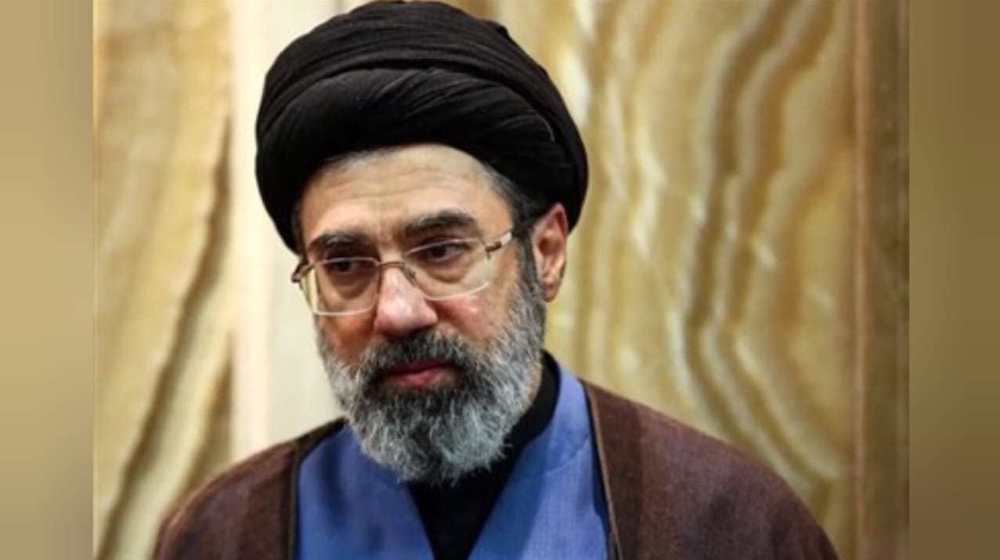
Expert: Mojtaba Election Means More Escalation

Military and strategic expert Nidal Abu Zeid stated that the election of Mojtaba Khamenei to a prominent position within the Iranian decision-making apparatus is a clear indication of the escalating trend being pursued by the Iranian Revolutionary Guard Corps (IRGC) at present.

In a statement to Jordan 24, Abu Zeid explained that the developments on the ground that followed the announcement of Mojtaba’s appointment within hours—namely, the launching of missile barrages toward neighboring countries—reflect a direct message that the hardline military faction has seized control of the political and security landscape in Tehran.

He added that Mojtaba Khamenei, whose name rose to prominence during the events of 2009 when he played a key role in suppressing the protests led by the reformist movement known as the “Green Movement,” is known for his rigid approach to managing domestic affairs. He noted that at that time, Khamenei directly confronted reformist opposition leaders such as Mehdi Karroubi and Mir Hossein Mousavi.

Abu Zeid explained that this political history suggests Mojtaba may be heading towards managing Iran’s internal affairs with an iron fist, while dealing with regional and international issues with a more radical and hardline mindset, especially given the escalating regional tensions.

He pointed out that Mojtaba’s initial appearance in a position of power might witness a clear show of support from Revolutionary Guard generals and religious figures, a message reflecting the Iranian regime’s hardline establishment’s commitment to escalation on both the regional and international levels.

Conversely, Abu Zeid noted that the reformist movement’s stance within Iran remains unclear regarding this appointment, while Iranian social media platforms have begun to witness a significant wave of criticism. This reflects indications of popular rejection of the radical mindset’s dominance in running the state, particularly in light of what he described as the existential political and economic crisis the Iranian regime is currently experiencing.

Continue reading
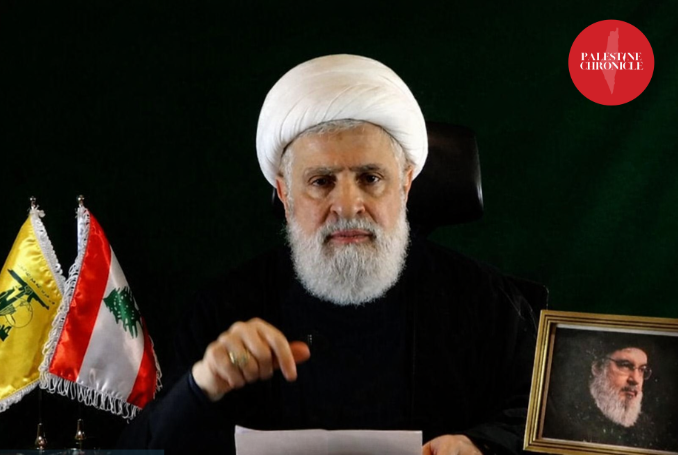
Analysis: Why Did Hezbollah Enter This War?

Hezbollah’s entry into the war reflects strategic calculations shaped by Israeli escalation, regional alliances, and Lebanon’s fractured politics.

Key Takeaways

  • Israel has repeatedly violated the ceasefire in Lebanon through airstrikes, raids, and surveillance operations.
  • Hezbollah’s response has so far remained limited compared to Israel’s sustained military actions.
  • Lebanon’s political leadership has failed to present a unified response to Israeli attacks on Lebanese territory.
  • Hezbollah’s intervention reflects strategic concerns about Israel’s long-term plans in Lebanon and the broader war against Iran.
  • The coordination between Iran, Hezbollah, Ansarallah, and Iraqi factions suggests the Axis of Resistance continues to operate collectively.

A Regional War Expands

Hezbollah’s decision to enter the ongoing regional confrontation did not occur in isolation. The latest escalation began when the United States and Israel launched major strikes against Iran, triggering waves of Iranian retaliation across the region.

The conflict quickly expanded beyond Iran itself. Iranian retaliatory strikes targeted US military assets and positions across the Gulf. The war rapidly assumed the character of a wider regional confrontation involving multiple actors aligned along competing geopolitical blocs.

Within this context, attention turned to Lebanon, where Hezbollah—one of the most powerful non-state actors in the Middle East—began limited military operations against Israeli positions along the border.

The central question quickly emerged: Why did Hezbollah enter the war?

The answer lies in a combination of military, political, and strategic considerations that go far beyond the immediate battlefield.

Did Hezbollah Violate the Ceasefire?

A central claim advanced by Israel and some Western governments – and even anti-Hezbollah factions in Lebanon itself – is that Hezbollah’s actions represent a violation of the ceasefire arrangements that followed previous rounds of conflict along the Lebanese border.

However, the reality on the ground presents a far more complex picture.

For months, Israel has carried out continuous violations of Lebanese sovereignty through airstrikes, drone surveillance, artillery fire, and cross-border incursions.

According to Lebanese government figures and reports by the United Nations Interim Force in Lebanon (UNIFIL), Israel has committed thousands of violations of Lebanese airspace and territory since the ceasefire arrangements took effect.

Lebanese officials have repeatedly documented Israeli overflights, drone operations, and missile strikes inside the country. UNIFIL has also confirmed frequent violations of Lebanese airspace by Israeli aircraft.

These actions have not been merely symbolic. Israeli strikes have caused civilian casualties and extensive destruction of homes and infrastructure in southern Lebanon.

Villages near the border have experienced repeated bombardments, forcing families to flee and damaging agricultural land and civilian property.

At the same time, Israeli officials have openly signaled that they have no intention of withdrawing fully from Lebanese territory or halting military operations.

Several Israeli leaders have stated publicly that Israel intends to maintain military pressure on Hezbollah and potentially establish a longer-term security presence along the border.

In this context, Hezbollah’s response—limited strikes against Israeli military positions—cannot easily be framed as the violation of a functioning ceasefire.

Rather, Hezbollah and its allies argue that no real ceasefire existed, given the scale and persistence of Israeli violations.

Did Hezbollah Violate Lebanese Consensus?

Another argument advanced by critics inside Lebanon is that Hezbollah’s intervention undermines national consensus and drags the country into a war it cannot afford.

Lebanon’s government, which maintains close ties with Western governments and the United States, has repeatedly blamed Hezbollah for escalating tensions.

However, the government has struggled to provide a convincing explanation of how it interprets Israel’s continued attacks on Lebanese territory.

While condemning Hezbollah’s actions, Lebanese authorities have largely failed to respond militarily—or even diplomatically in an effective way—to Israeli strikes.

The Lebanese state has not fired a single bullet at Israeli forces despite repeated attacks inside its territory. This has deepened the political divide within Lebanese society.

Lebanon has long been fractured along sectarian, ideological, and geopolitical lines. Some factions align closely with Western and Gulf states, while others view themselves as part of the Axis of Resistance, which includes Iran, Hezbollah, Ansarallah in Yemen, Palestinian resistance factons and several Iraqi factions.

Within this divided political landscape, there has never been a unified national consensus regarding confrontation with Israel.

For many Lebanese—particularly in communities that have historically borne the brunt of Israeli attacks—Hezbollah’s military posture is viewed as a form of deterrence rather than escalation.

So Why Did Hezbollah Enter the War?

Hezbollah’s decision to join the conflict appears to reflect a broader strategic calculation.

From Hezbollah’s perspective, the Israeli war was likely to expand regardless of its immediate actions.

Israeli leaders have repeatedly declared their intention to reshape the regional balance of power and weaken Iran and its allies.

For Hezbollah, the prospect of Iran being significantly weakened carries profound implications.

If Iran’s position in the region were severely damaged, Hezbollah could find itself facing Israel largely alone—while simultaneously confronting pressure from the United States, Western governments, and regional Arab powers aligned with Washington.

In such a scenario, Hezbollah could be isolated militarily and politically.

Entering the war now, while Iran remains actively engaged and regional allies are mobilized, allows Hezbollah to operate within a broader coalition rather than as an isolated actor.

It also ensures that Hezbollah retains influence over the eventual diplomatic outcome of the conflict.

Wars in the Middle East often conclude not with decisive military victories but through negotiated exits once the architects of war decide to pursue a political strategy.

By participating in the conflict, Hezbollah guarantees that it will have a seat at the negotiating table when such an exit strategy eventually emerges.

Does This Mean the Axis of Resistance Has Been Reborn?

Some analysts have framed the current coordination between Iran, Hezbollah, Ansarallah, and Iraqi factions as the “rebirth” of the Axis of Resistance.

But the reality may be more nuanced.

The Axis of Resistance was never destroyed. Instead, each actor within it has often had to adapt to its own domestic political realities.

Hezbollah operates within Lebanon’s complex sectarian political system. Iraqi factions must navigate Baghdad’s fragile state institutions. Ansarallah governs large parts of Yemen under conditions of war and blockade. Hamas remains focused on defeating the Israeli-US scheme aimed at disarming resistance and ethnically cleansing Palestinians from Gaza,

These differing political contexts often limit how openly each actor can coordinate with the others. Yet recent developments suggest that the axis is functioning in a coordinated manner.

Iranian strikes across the region, Ansarallah’s operations in the Red Sea, and Hezbollah’s engagement along the Lebanese border indicate a level of strategic alignment.

The current conflict has therefore revealed not the rebirth of the axis but its continued operational existence.

Our Strategic Analysis

Hezbollah’s intervention reflects a calculated strategic move rather than an impulsive escalation.

Israel’s continued military pressure on Lebanon, combined with the wider war against Iran, created conditions in which Hezbollah perceived long-term risks in remaining passive.

By entering the conflict in a limited but coordinated manner, Hezbollah seeks to shape the strategic environment before the war reaches a stage where diplomatic negotiations become inevitable.

In doing so, Hezbollah is signaling that the future of Lebanon—and the broader regional balance of power—cannot be determined without its participation.

Palestine Chronicle

Continue reading

Leave a Reply

Your email address will not be published. Required fields are marked *

You Missed

Ali Larijani: The Behind Iran’s War

Ali Larijani: The Behind Iran’s War

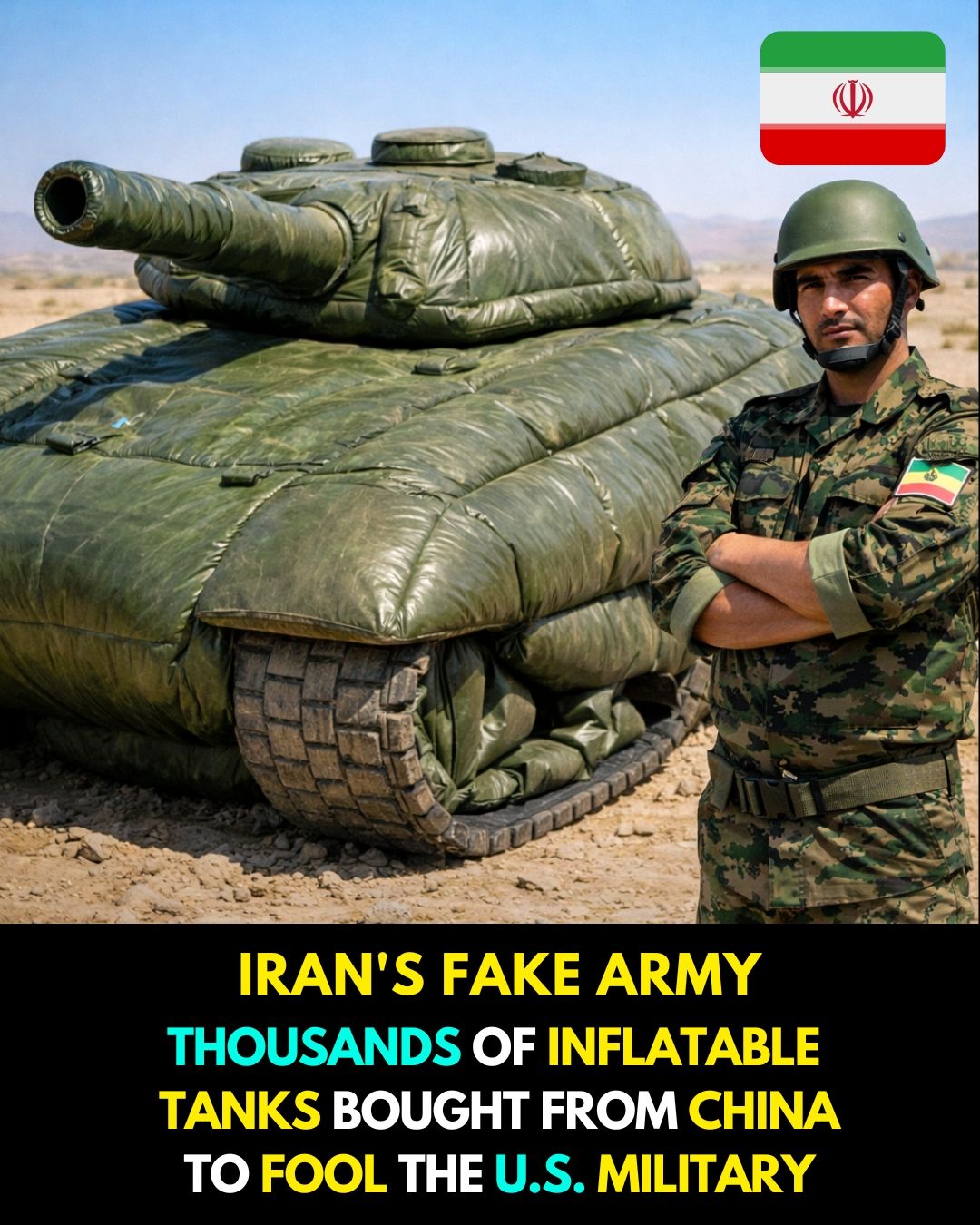
Iran Fools Israel With Inflatable Tanks

Iran Fools Israel With Inflatable Tanks

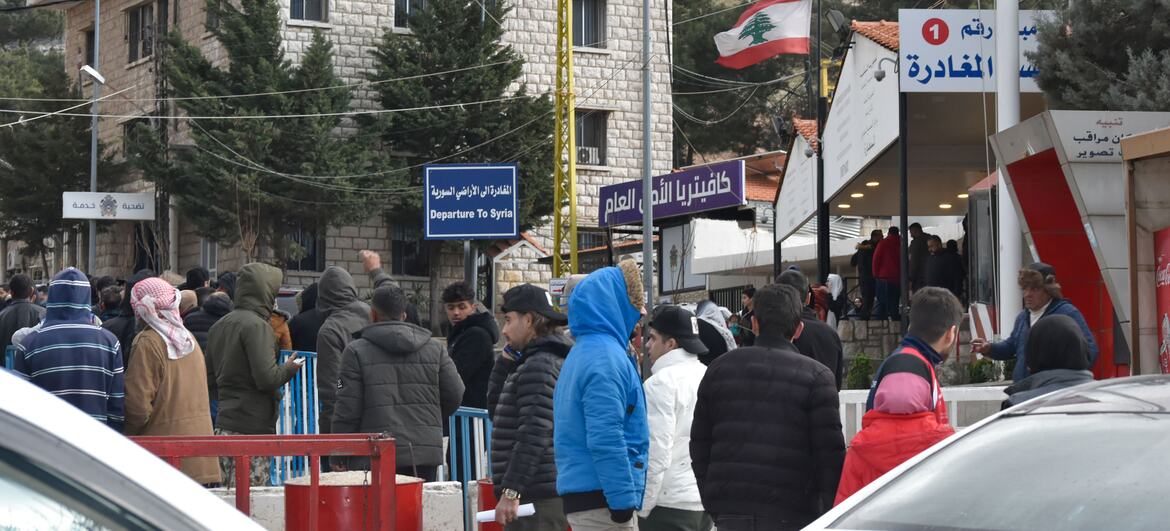
Israeli War on Lebanon Displaces Around 700,000

Israeli War on Lebanon Displaces Around 700,000

What Hold Does Netanyahu Have on Trump?

What Hold Does Netanyahu Have on Trump?

Mideast in Tailspin of Destruction

Mideast in Tailspin of Destruction

US-Israel Attacks on Iran Kill 460 People, Injures 4,309

US-Israel Attacks on Iran Kill 460 People, Injures 4,309