CrossFireArabia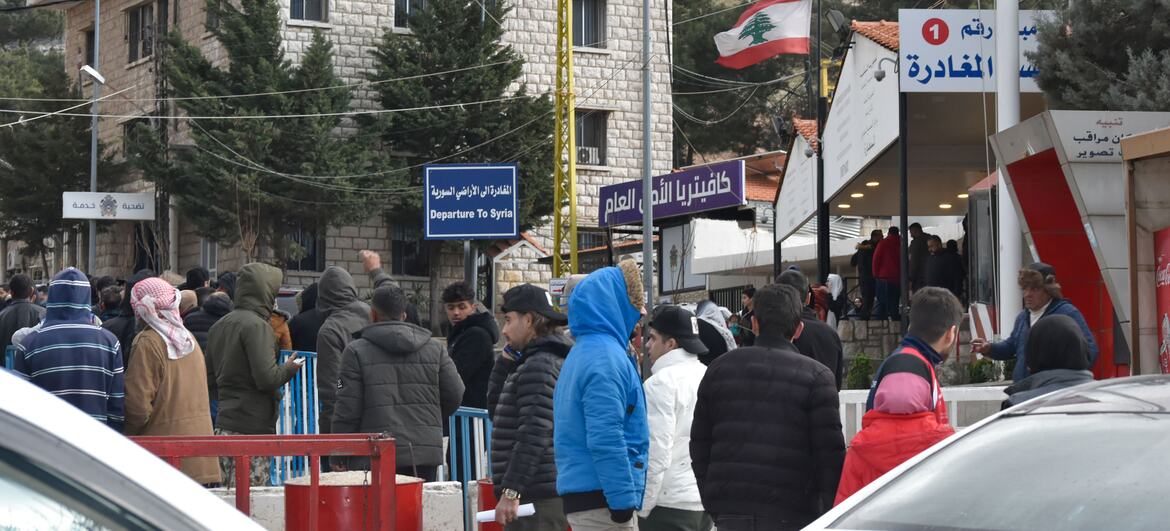
It has been just over a week since the new escalation in conflict started on 2 March, when Israeli evacuation warnings to residents of more than 53 villages and densely populated areas in Lebanon and intensified airstrikes forced families across Lebanon to flee within minutes. Lives have been upended on a massive scale.
According to the authorities, as of today, more than 667,000 people in Lebanon have now registered on the government’s online displacement platform – an increase of over 100,000 in just one day – and numbers continue to rise.
Around 120,000 of the displaced are sheltering in government-designated collective sites, while many others are staying with relatives or friends, or are still searching for accommodation. Many – often displaced for the second time since the hostilities in 2024 – fled in a rush with almost nothing, seeking safety in Beirut, Mount Lebanon, northern districts and parts of the Bekaa.
During a visit yesterday to a shelter in Beirut, I met a woman in her 90s who had lost 11 members of her family during the 2024 attacks. She is now displaced again, staying in the same school that was turned into a shelter. Stories like hers illustrate the fear, uncertainty and repeated trauma families are facing.
We are also seeing urgent movements into Syria. According to Syrian authorities, more than 78,000 Syrians have entered from Lebanon since the escalation began, and over 7,700 Lebanese. Among them are Syrian refugees who had been planning to return home in the coming months, and others who now rushed to return due to the current escalation. UNHCR teams are present at Syrian border crossings alongside authorities and partners to support those arriving with essential relief.
In Lebanon, since day one, UNHCR has supported the government and local authorities in responding to the crisis. To date, we have delivered around 168,000 emergency items to more than 63,000 displaced people across over 270 government-designated collective shelters. These include mattresses, blankets, sleeping mats, sleeping bags, solar lamps, and jerry cans, helping displaced families meet their most urgent needs.
To ensure this critical assistance reaches as many displaced people as quickly as possible, UNHCR is dispatching relief items from our warehouse to the collective shelters through multiple channels: through national and international NGO partners, as well as through municipal authorities and partners like the Lebanese Red Cross, ensuring fast, coordinated support, even in hard‑to‑access areas where some families remain.
I have seen first-hand over the past week how this volatile situation and displacement also trigger fear and emotional trauma. Children and adults alike, including many older people, are in shock and fear. UNHCR, through community centres, outreach volunteers and protection partners, is providing psychosocial support, identifying people at heightened risk, reuniting separated children with families, and assisting people with disabilities. – Reliefweb
At the current pace of displacement, we are working hard to replenish our country-level stocks of essential items, but UNHCR’s operation in Lebanon is currently only 14 per cent funded. Fast and sustained international solidarity is critical to enable us to support the Lebanese Government and authorities in responding to the emerging needs. Every day this conflict continues, more suffering is inflicted on hundreds of thousands of civilians, while Lebanon and the region are further destabilized.
Civilians must be protected at all times, and safe, unhindered humanitarian access must be guaranteed so aid can reach those who need it most.
For more information, please contact:
- In Beirut, Dalal Harb: [email protected], +961 70113107
- In Amman, Rula Amin: [email protected], +962 (0) 790 045 84
- In Geneva, Babar Baloch: [email protected], +41 79 513 95 49

 marwan