Israeli War on Lebanon Displaces Around 700,000

It has been just over a week since the new escalation in conflict started on 2 March, when Israeli evacuation warnings to residents of more than 53 villages and densely populated areas in Lebanon and intensified airstrikes forced families across Lebanon to flee within minutes. Lives have been upended on a massive scale.

According to the authorities, as of today, more than 667,000 people in Lebanon have now registered on the government’s online displacement platform – an increase of over 100,000 in just one day – and numbers continue to rise.

Around 120,000 of the displaced are sheltering in government-designated collective sites, while many others are staying with relatives or friends, or are still searching for accommodation. Many – often displaced for the second time since the hostilities in 2024 – fled in a rush with almost nothing, seeking safety in Beirut, Mount Lebanon, northern districts and parts of the Bekaa.

During a visit yesterday to a shelter in Beirut, I met a woman in her 90s who had lost 11 members of her family during the 2024 attacks. She is now displaced again, staying in the same school that was turned into a shelter. Stories like hers illustrate the fear, uncertainty and repeated trauma families are facing.

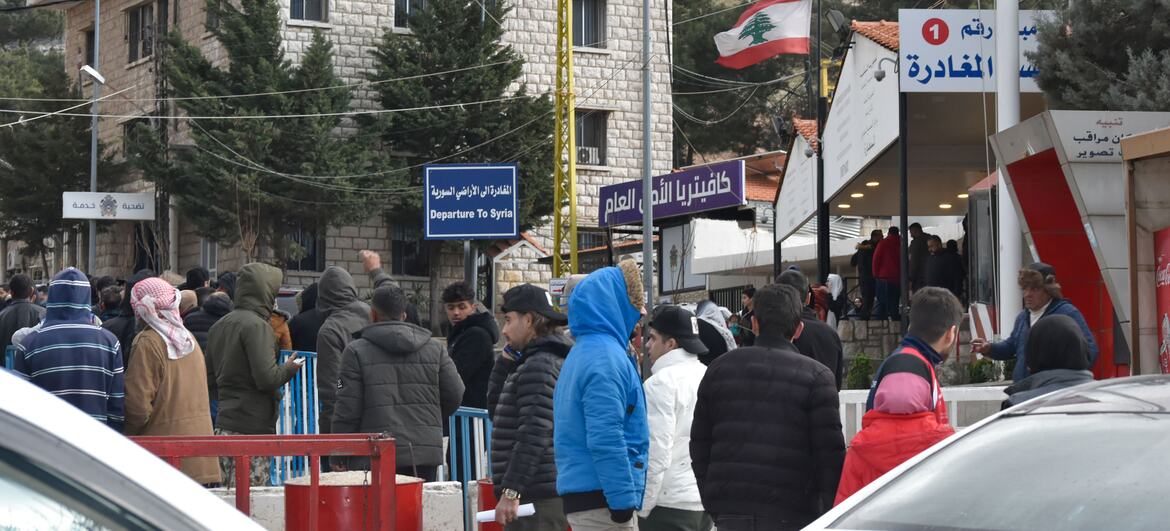
We are also seeing urgent movements into Syria. According to Syrian authorities, more than 78,000 Syrians have entered from Lebanon since the escalation began, and over 7,700 Lebanese. Among them are Syrian refugees who had been planning to return home in the coming months, and others who now rushed to return due to the current escalation. UNHCR teams are present at Syrian border crossings alongside authorities and partners to support those arriving with essential relief.

In Lebanon, since day one, UNHCR has supported the government and local authorities in responding to the crisis. To date, we have delivered around 168,000 emergency items to more than 63,000 displaced people across over 270 government-designated collective shelters. These include mattresses, blankets, sleeping mats, sleeping bags, solar lamps, and jerry cans, helping displaced families meet their most urgent needs.

To ensure this critical assistance reaches as many displaced people as quickly as possible, UNHCR is dispatching relief items from our warehouse to the collective shelters through multiple channels: through national and international NGO partners, as well as through municipal authorities and partners like the Lebanese Red Cross, ensuring fast, coordinated support, even in hard‑to‑access areas where some families remain.

I have seen first-hand over the past week how this volatile situation and displacement also trigger fear and emotional trauma. Children and adults alike, including many older people, are in shock and fear. UNHCR, through community centres, outreach volunteers and protection partners, is providing psychosocial support, identifying people at heightened risk, reuniting separated children with families, and assisting people with disabilities. – Reliefweb

At the current pace of displacement, we are working hard to replenish our country-level stocks of essential items, but UNHCR’s operation in Lebanon is currently only 14 per cent funded. Fast and sustained international solidarity is critical to enable us to support the Lebanese Government and authorities in responding to the emerging needs. Every day this conflict continues, more suffering is inflicted on hundreds of thousands of civilians, while Lebanon and the region are further destabilized.

Civilians must be protected at all times, and safe, unhindered humanitarian access must be guaranteed so aid can reach those who need it most.

For more information, please contact:

Continue reading
One More Israeli Soldier Killed in Lebanon

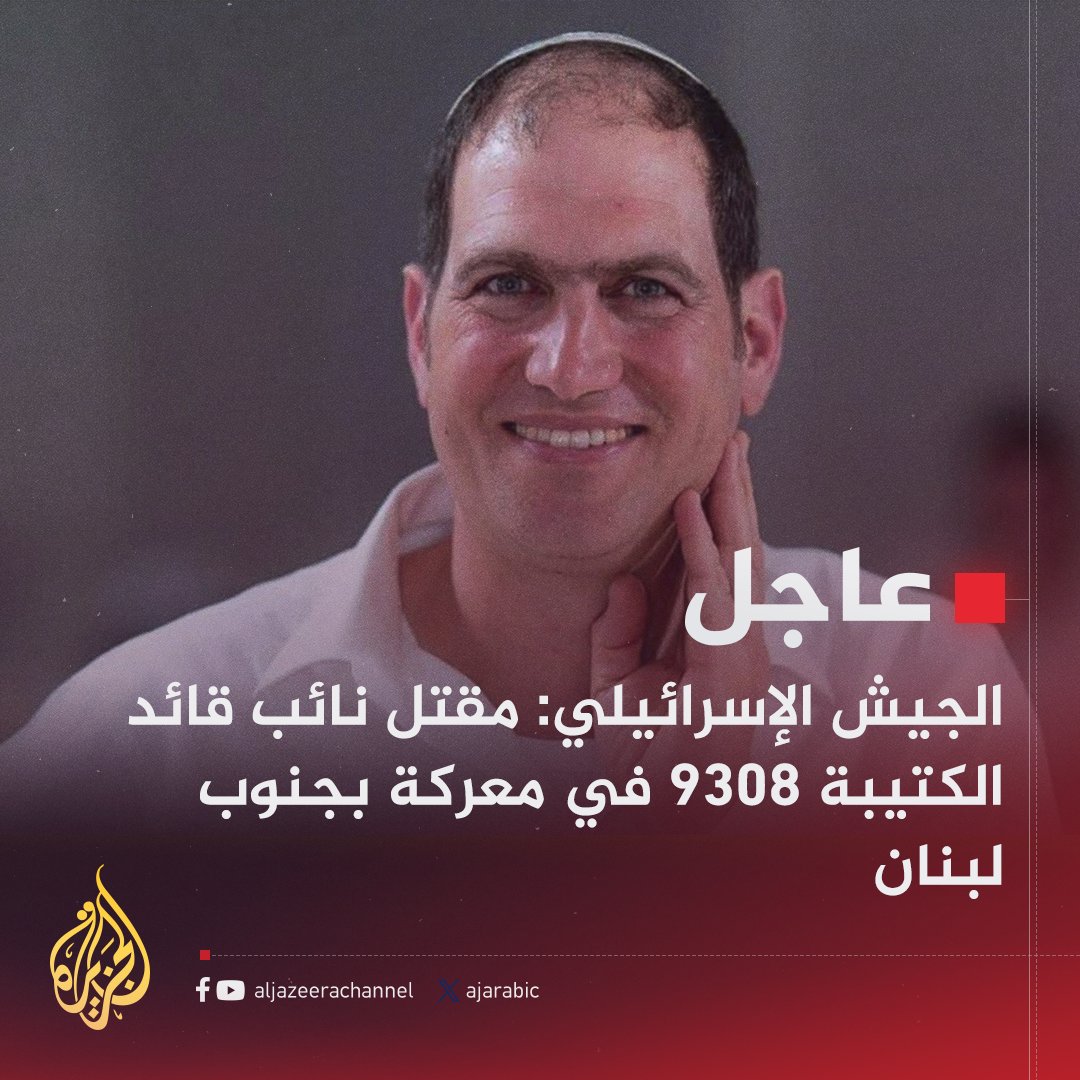
Israeli Deputy Commander of Battalion 9308 Killed in Battle in South Lebanon.

As per report of Al Jazeera TV, the deputy commander was killed in a confrontation in southern Lebanon.

Lebanon’s 24 media conveyed that, as per Israeli media reports, 16 soldiers from their ranks were taken to Safed Hospital following clashes along the Lebanese border Tuesday.

The number of Israeli soldiers killed is raising daily. On 17 October it was reported that five Israeli soldiers from the Golani Brigade were killed in battles in Southern Lebanon.

According to Iran’s Tasnim news agency, the latest officer to have dies came from Dulyu city and had been engaged in military operations in the Middle East for an extended period.

This incident marks the second instance this week of a senior Israeli military official being killed in Gaza and Lebanon.

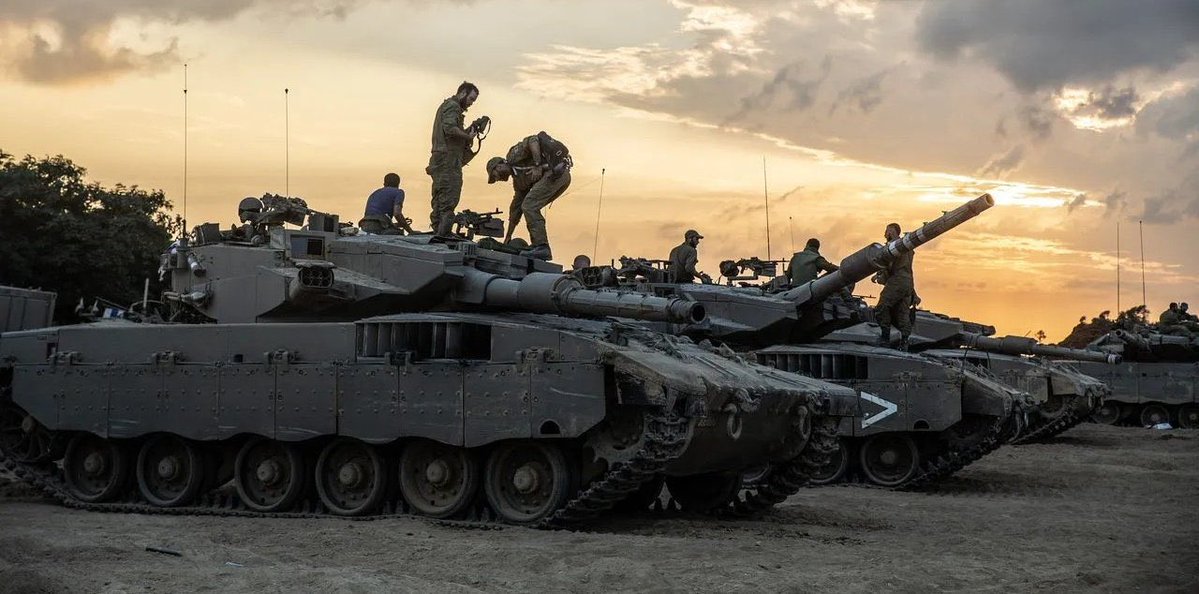
Up till now six Merkava tanks have been destroyed in Lebanon.

Other Hebrew media sources report that 22 Israeli soldiers were injured in the past 24 hours, 20 of these being in the northern front on the border between Israel and Lebanon while two in Gaza.

Continue reading
Can Israeli Troops Invade Lebanon?

𝗜𝘀𝗿𝗮𝗲𝗹 𝗵𝗮𝘀 𝘁𝗼𝗹𝗱 the 𝗨.𝗦. 𝗶𝘁 𝘄𝗶𝗹𝗹 𝗹𝗮𝘂𝗻𝗰𝗵 𝗮𝗻 𝗶𝗻𝘃𝗮𝘀𝗶𝗼𝗻 𝗶𝗻𝘁𝗼 𝗟𝗲𝗯𝗮𝗻𝗼𝗻.

Israel has informed Washington it will launch an imminent limited ground operation in Lebanon. But this is hard to believe on the ground level.

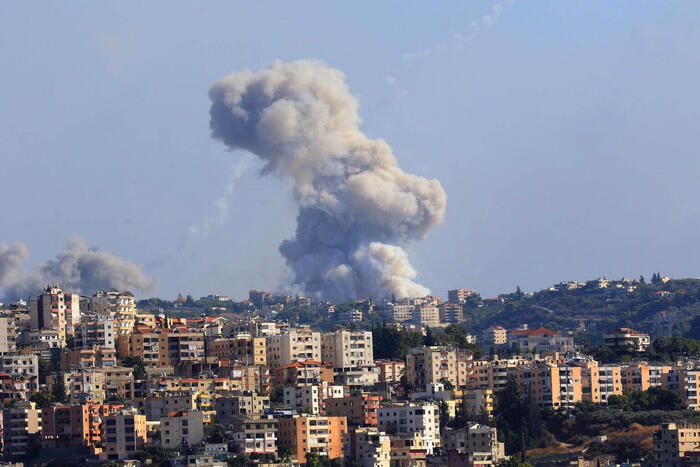
Israeli troops have been waiting to enter southern Lebanon soon after 23 September, 2024 when their warplanes started to bomb the southern part of the country and the southern district of Beirut that is deemed to be a Hezbollah stronghold.

Although, its troop divisions and military brigades switched to the north of Israel from Gaza, there are still standing on the border with Lebanon, meeting stiff resistance from Hezbollah fighters with skirmishes quite often described as heavy.

According to reports that whilst Israeli troops may have moved one or two kilometers inside the Lebanese borders from the south and the east, they couldn’t hold their positions and were soon pushed back.

These limited Israeli incursions have been continuing on a daily basis but with not much success.

Continue reading
Lebanon: ‘Were Are We Going to Go?’ 1 Million Displaced Families Ask

 Families fleeing violence in Lebanon are struggling to find safety in shelters across the country with at least one million people – a fifth of the population – now displaced with half leaving their homes in the past four days, Save the Children said.

Numbers are expected to swell following new relocation orders issued by Israeli forces on Tuesday, demanding residents in more than two dozen villages in the south of Lebanon to relocate north of the Awali River, approximately 50 km into the country.

The beginning of ground military operations has been widely reported by media as well as air attacks across Lebanon, including strikes on Ein El Helwe, the largest refugee camp in Lebanon, that reportedly killed seven people, including four children.

The speed of the crisis is placing immense pressure on hospitals, with over 37 Primary Health Care Centres forced to close due to safety concerns, while airstrikes have severely damaged 25 water facilities, leaving 300,000 people without access to clean water.

Over 154,000 displaced people are currently taking refuge in 851 active shelters, including public schools, with 70% of them already at full capacity, and only some equipped with proper showers, sanitation facilities, hot water and heating. Others are staying with host families, often in overcrowded conditions.

Since 23 September, Save the Children has distributed relief items to over 27,000 individuals, including 11,000 children, across 70 shelters, such as blankets, mattresses, hygiene kits, and bottled water. Distributions are ongoing in the North, Bekaa, West Bekaa, Rashaya, Mount Lebanon, Saida, Sour, and Beirut.

The rate of displacement is unprecedented. During the 2016 Lebanon-Israel conflict, a similar number of people were forcibly displaced – over 970,000 – over the course of one month.

According to media reports, about 60,000 Israelis have been displaced from their homes in northern Israel.

Almost 2,000 people have been killed by Israeli airstrikes in Lebanon, including 104 children, and over 8,000 have been injured, according to Lebanon’s Ministry of Health.

Ahmad*, 37, a father of daughters aged two years and seven months, spent a day on the road seeking safety and is now staying at a shelter in Mount Lebanon. He said:

“My wife and I are terrified about what might happen next. We’re scared for our daughters. What if something happens to them? And if something happens to us, what will become of them? Our 7-month-old cries constantly because she senses our fear; she can tell her mother is frightened, and now we’re passing that fear on to her and her two-year-old sister.”

“We need diapers and baby food, proper clothes, and basic necessities. We couldn’t bring anything with us, we barely managed to grab our children and ran for our lives.”

Abir* is a 35 -year-old mother of three children, aged 10, eight and five. Her family fled their village in the south after it was bombed and is now staying in a shelter supported by Save the Children in Mount Lebanon. She said:

“It breaks our hearts to have left our home, but we had to put our feelings aside for the sake of our children. Our village, which had never been targeted before, was bombed, and our children were already terrified by the sonic booms and fake raids.

I barely managed to pull myself together. We had prepared a bag, knowing for almost a year that we needed to be ready, but nothing could have prepared us for the carnage that erupted on 23 September. It took us a full day to travel from South Lebanon to Mount Lebanon, an exhausting journey with no final destination. At first, we had no idea where we were heading; all my husband knew was that we had to escape as quickly as possible. I worry about how my children will cope with all of this. I know the scars this experience will leave on them, and it weighs heavily on my heart.”

Jennifer Moorehead, Save the Children’s Country Director in Lebanon said:

“Children all over the country are affected by this escalating violence, their lives turned upside down almost overnight as they lose their home and sense of safety. There are families in shelters, but also so many still in their cars or in the streets of Beirut, looking for some place to go. The sense of terror is palpable. Our teams are saying that more than anything, families are paralysed by the fear of the unknown.

Children will be disproportionately affected by this armed conflict. As in all recent armed conflicts, children will number too many among casualties.

Schools are closed, shelters and hospitals in Lebanon are under growing pressure, and we are doing our best to support displaced families, but with the launch of ground military operations in southern Lebanon, we are now inevitably going to see even more large-scale forced displacement and destruction.

Children’s lives in Lebanon and in the whole region are hanging in the balance. We call for an immediate ceasefire to prevent further suffering, ensure safe humanitarian access, and stop the conflict from escalating further across the region.”

Save the Children has been working in Lebanon since 1953. Since October 2023, we’ve been scaling up our response in Lebanon, supporting displaced Lebanese, Syrian and Palestinian children and families, and now have escalated an emergency response throughout the country in 70 shelters. Since October 2023, we’ve supported 71,000 people, including 31,000 children, with cash, blankets, mattresses and pillows, food parcels, water bottles and kits containing essential hygiene items.

Reliefweb

Continue reading
‘Fleeing My Home Under Airstrikes and Fire’

Maryam Srour, a field communications manager for Médecins Sans Frontières (MSF) from Beirut, Lebanon, reported from a car as she fled, describing scenes of chaos in the southern suburbs of Beirut.

On Friday 27/09/2024, we heard and felt a huge series of blasts while we were in meetings at the office.

We wrapped up work and got stuck in heavy traffic. I had just relocated to a safer place since the bombing around Beirut and across the country intensified on Monday. When I reached my new home around 10 p.m., my relatives had already joined us – leaving their homes, thinking it would be safer where we were.

From my balcony, I saw dozens and dozens of people walking in the streets carrying what they could, plastic bags, backpacks, or nothing. People in the southern suburbs around ours had received evacuation orders from the Israeli armed forces. We saw people fleeing on foot, some walking with sticks, young and elderly. Some people were in cars. We were not in the neighborhood that was targeted but we heard drones and planes. We felt them close by.

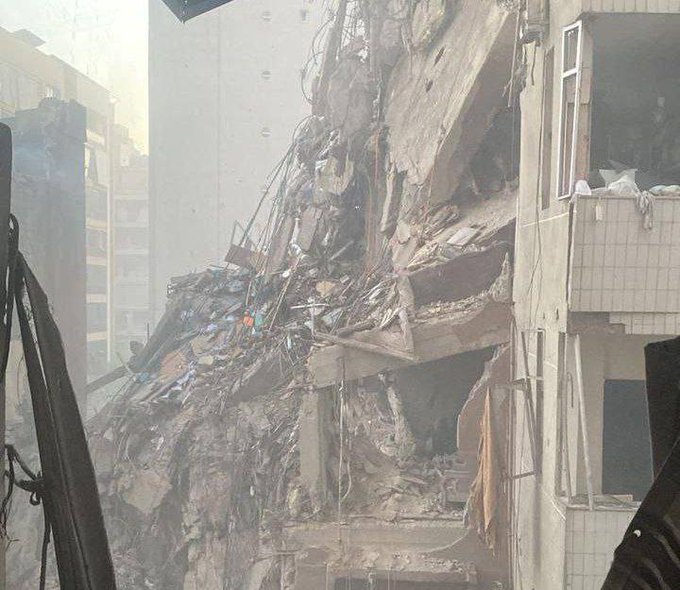
Suddenly, there was darkness all around and bombing started everywhere. There was heavy smoke and people in the streets were coughing. I was with my mum, brother and sister, and trying to figure out what to do next. Are the roads safe? Where do we go?

I had just left my house in *Dahieh—* the southern suburb of Beirut—a few days ago because of the heavy bombardments and moved to this one. We thought we would be safer here. Now we had to leave again. I grabbed a bag of essential items I had at hand. We were told that it’s better to bring mattresses, so we stuffed two in our car and took a pack of water bottles. I didn’t know what to do. There were fires everywhere following the airstrikes, and I heard a huge blast. We heard, felt and saw the strikes. Our building was shaking. There was a huge blast in a place with no advance warning for evacuation.

Surrounded by fire and smoke, I was repeating to myself, “all we need is a plan and to take action, a plan and take action; do not wait here.” We just left the place as fast as we could. I don’t know what happened to my own house, or the new house. We kept calling around and drove for a couple of hours before we figured out where to go. Around 5 a.m, we found a place on the other side of the mountains.

We were very lucky that we left when we did because the fires after the airstrikes were still raging where we had been. We just needed a place to rest a little, to see where to go next, and we still haven’t slept.

Some people are still in cars. Now we’re watching the news and shocking footage of what is happening. I know that my colleagues, MSF teams, are in the field, supplying water by trucks to shelters and schools in Beirut and Mount Lebanon, where displaced families are staying. Some people are lying down on the sidewalks. MSF managed to provide 86,000 liters of water in 24 hours, and is also distributing kits containing basic hygiene and relief items, as well as mattresses to the displaced people.

Our mental health teams are on the streets providing psychological first aid to people who are traumatized and to people seeking refuge in schools. I am used to being a humanitarian worker, but now I am also a person displaced by air strikes in my own country. We are in a safe place, for now.

Reliefweb

Continue reading