Trending News:Palestinian Women, Makers of HistoryAya Isleem: ‘We Are Tired of The War’‘These Are Your Israeli Soldiers’Welcome to Gaza: ‘We Are Not Leaving’A Woman From GazaBalcony of LifeWho is Afraid of Palestinian Revolutionary Art?In The Past: Za’atar Coffee Shop in JerusalemSweet Tooth in Damascus GateA Life After The War!Beit Sahour Family, 1930Civil Defense Recovers 55 Bodies Under Debris of Gaza BuildingGideon Levy on 7 OctoberJordan Appoints New Army ChiefKey of ReturnScene From GazaFighting For Water!A Tribute to a CartoonistMom, Kids in CharcoalHussam Abu Safiya: The Doctor HostageThe Girl, The Smile and The SlipperBlair Asked PA to Remove Palestine From TextbooksTeacher’s Cartoon Not to ForgetThe Broom SellerSummer MadnessMartyred After Engaging An Israeli ForceKids of The SeaPalestinian Dresses & HeritageYoussef Heikal: Last Mayor of YafaA Traditional Dress TributeIsrael’s War: Lebanese Deaths Spikes to 4354 With 12325 Injured26 Raids on Al Aqsa, Ban on Athan in Ibrahimi Mosques 155 TimesIsrael Arrest 500 Palestinians in AugustA Child From GazaGaza Death Toll Spikes to 73,470, Israel Kills 8, Injures 31 in 24 HoursDefense Systems Intercept 13 Ballistic Missiles Over JordanHunted! HRF Files Complaint Against Genocide Soldier in GreeceAmnesty Calls For Release of Dr Abu SafiyaIn August Alone: 2,030 Israeli Army, Settler Attacks on West Bank PalestiniansIsrael Slammed For ‘Jewish Curriculum’ on East JerusalemPresident Xi Visit to Cairo, 1st in 10 YearsBritish Row: Netanyahu’s Son Says Falklands Belong to ArgentinaThe True Tale of The Moral FighterClowning in The SandIsraeli Army: Settler Attacks Puts The West Bank in Resistance-modeGlorious Past: The Red Bidas Palace!Bushra Al Tawil: Punished For Holding The CameraAnalysis: Israel Assassinates to Change The Power BalancePalestinian Journalists, Nidal and Haitham, MissingA Traditional Wear, Bethlehem 1880Israeli Gunboats Fire at, Injure 5 Gaza FishermenChristian Schools Strike in Jerusalem. Why?Inside The Home of A Musician, 1940Slain Footballer Adds to The 1,014 Sportsmen Killed by IsraelIsraeli Army Probes 27 Cases of Looting by its Soldiers in Gaza, LebanonPoll: 74% of College Students Believe Israel is Committing GenocideStarry Night Over Bethlehem‘We Are Killing Like We Haven’t Killed Since 1967’Thobe: Identity, Thread and NeedleNetanyahu and The Settlers: Cart and Horse in ActionPupils From The Bishop’s School, JerusalemJerusalem’s Mamilla in The 1940sVolunteers Collect Stones From Destroyed Mosque To Rebuild it in The FutureDestitution Gaza: Girl With The ChildOmer Bartov: ‘Its Genocide’Existence…The Girl With The White HorseBen-Gvir Mocks Palestinian Prisoners in Their CellsCamel of Hardships….Israeli Army Blows up a Home For The Elderly!Where Did They Go! Up to 3000 People Just VanishedSaid Elatab: A Journey of FlowersAutumn LeavesAya Faqaha Reunited Parents After Israeli Prison‘I am The Earth’Handala Never Dies1,660 Israeli Settlers, Army Violations in The West Bank in a WeekIsraeli Settlers, Army Besiege Qusra Families For 21 Days900 Fires Caused by Israeli Settlers in The West BankGazans Protest The Bombing of Their Water PlantSoap-making in Yafa – Early 1920sSliman Mansour: ‘Artist of The Intifada’Palestinian Hassan Arar Freed After 22 Years in Jail‘My Curious Camera’The Road to BethlehemMy Homeland, My Palestine233 Bodies Recovered From Under The Gaza Wreckage, 174 Still MissingFlying Kites and The Politics of Fear‘No Rest Even in Death:’ Israel Holds on The Bodies of 1700 PalestiniansIsraeli Army Forced to Release The Body of a 15-Year-Old it Kept For 9 Months‘My Tent, My Museum’Tradition and IdentityPhoto Removal in Deauville Exhibit Raises Anger Among The French Gaza’s Vanishing Minarets: Israel Destroys More Than 1,000 Mosques Since 7 October 2023Art in Revolution: The Dove, The Girl and The Rope‘Dr of The Poor’ Passes Away in NablusGetting Ready For School in GazaBeware! Qusra and The Next NakbaIsraeli Settler Attacks Spiked by 63 percent in the Occupied West BankA Jerusalem Wedding, 1945
Trending News:Palestinian Women, Makers of HistoryAya Isleem: ‘We Are Tired of The War’‘These Are Your Israeli Soldiers’Welcome to Gaza: ‘We Are Not Leaving’A Woman From GazaBalcony of LifeWho is Afraid of Palestinian Revolutionary Art?In The Past: Za’atar Coffee Shop in JerusalemSweet Tooth in Damascus GateA Life After The War!Beit Sahour Family, 1930Civil Defense Recovers 55 Bodies Under Debris of Gaza BuildingGideon Levy on 7 OctoberJordan Appoints New Army ChiefKey of ReturnScene From GazaFighting For Water!A Tribute to a CartoonistMom, Kids in CharcoalHussam Abu Safiya: The Doctor HostageThe Girl, The Smile and The SlipperBlair Asked PA to Remove Palestine From TextbooksTeacher’s Cartoon Not to ForgetThe Broom SellerSummer MadnessMartyred After Engaging An Israeli ForceKids of The SeaPalestinian Dresses & HeritageYoussef Heikal: Last Mayor of YafaA Traditional Dress TributeIsrael’s War: Lebanese Deaths Spikes to 4354 With 12325 Injured26 Raids on Al Aqsa, Ban on Athan in Ibrahimi Mosques 155 TimesIsrael Arrest 500 Palestinians in AugustA Child From GazaGaza Death Toll Spikes to 73,470, Israel Kills 8, Injures 31 in 24 HoursDefense Systems Intercept 13 Ballistic Missiles Over JordanHunted! HRF Files Complaint Against Genocide Soldier in GreeceAmnesty Calls For Release of Dr Abu SafiyaIn August Alone: 2,030 Israeli Army, Settler Attacks on West Bank PalestiniansIsrael Slammed For ‘Jewish Curriculum’ on East JerusalemPresident Xi Visit to Cairo, 1st in 10 YearsBritish Row: Netanyahu’s Son Says Falklands Belong to ArgentinaThe True Tale of The Moral FighterClowning in The SandIsraeli Army: Settler Attacks Puts The West Bank in Resistance-modeGlorious Past: The Red Bidas Palace!Bushra Al Tawil: Punished For Holding The CameraAnalysis: Israel Assassinates to Change The Power BalancePalestinian Journalists, Nidal and Haitham, MissingA Traditional Wear, Bethlehem 1880Israeli Gunboats Fire at, Injure 5 Gaza FishermenChristian Schools Strike in Jerusalem. Why?Inside The Home of A Musician, 1940Slain Footballer Adds to The 1,014 Sportsmen Killed by IsraelIsraeli Army Probes 27 Cases of Looting by its Soldiers in Gaza, LebanonPoll: 74% of College Students Believe Israel is Committing GenocideStarry Night Over Bethlehem‘We Are Killing Like We Haven’t Killed Since 1967’Thobe: Identity, Thread and NeedleNetanyahu and The Settlers: Cart and Horse in ActionPupils From The Bishop’s School, JerusalemJerusalem’s Mamilla in The 1940sVolunteers Collect Stones From Destroyed Mosque To Rebuild it in The FutureDestitution Gaza: Girl With The ChildOmer Bartov: ‘Its Genocide’Existence…The Girl With The White HorseBen-Gvir Mocks Palestinian Prisoners in Their CellsCamel of Hardships….Israeli Army Blows up a Home For The Elderly!Where Did They Go! Up to 3000 People Just VanishedSaid Elatab: A Journey of FlowersAutumn LeavesAya Faqaha Reunited Parents After Israeli Prison‘I am The Earth’Handala Never Dies1,660 Israeli Settlers, Army Violations in The West Bank in a WeekIsraeli Settlers, Army Besiege Qusra Families For 21 Days900 Fires Caused by Israeli Settlers in The West BankGazans Protest The Bombing of Their Water PlantSoap-making in Yafa – Early 1920sSliman Mansour: ‘Artist of The Intifada’Palestinian Hassan Arar Freed After 22 Years in Jail‘My Curious Camera’The Road to BethlehemMy Homeland, My Palestine233 Bodies Recovered From Under The Gaza Wreckage, 174 Still MissingFlying Kites and The Politics of Fear‘No Rest Even in Death:’ Israel Holds on The Bodies of 1700 PalestiniansIsraeli Army Forced to Release The Body of a 15-Year-Old it Kept For 9 Months‘My Tent, My Museum’Tradition and IdentityPhoto Removal in Deauville Exhibit Raises Anger Among The French Gaza’s Vanishing Minarets: Israel Destroys More Than 1,000 Mosques Since 7 October 2023Art in Revolution: The Dove, The Girl and The Rope‘Dr of The Poor’ Passes Away in NablusGetting Ready For School in GazaBeware! Qusra and The Next NakbaIsraeli Settler Attacks Spiked by 63 percent in the Occupied West BankA Jerusalem Wedding, 1945
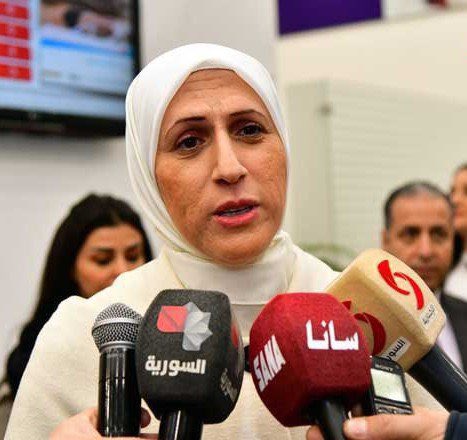
Syria’s new interim government is moving full-blast ahead on women’s right. It has just appointed, Monday Maysaa Sabrine as the new governor of the country’s Central Bank.This is the second woman appointment in the new administration of Ahmed Al Sharaa, seen as an Islamist extremist turned liberal.
She becomes the first woman to hold such a top position in the bank’s seven decade history and is expected to lead Syria into the modern age in a post-Baathist government.
But there is a hitch and apparently that doesn’t seem to be much bothering the new government in Damascus for Sabrine has served under the old Baathist regime as deputy governor of the Central Bank for the last six years and holds a degree in accounting.
Maysaa Sabrine was formerly a deputy governor of the Syrian central bank. She would be the first woman to lead the institution in its more than 70-year history, replacing Mohammed Issam Hazime who was appointed by toppled President Bashar al-Assad.
Thus it would seem the new government is looking for meritocracy than ideological or political affiliation for Sabrine is will versed in the country’s fiscal system having also served on the board of directors of the Syria securities exchange.
Her appointment is trending on the social media as she is the second woman after Aisha Al Dibs who was made head of the Women Affairs Section in the interim administration, an appointment designed to allay the fears of the West who still see this government as an Islamist extremist one.
Therefore the appointment of Sabrine has created much talk among the social media buffs related to those who supported the move and those against it as she was part-and-parcel of the former Baath regime.
But those in favor believe the woman has a wide ranging economic experience that would be essential for the current administration. So maybe practicalities has over-ridden the ideological garb.
Dr. Marwan Asmar holds a PhD from Leeds University and is a freelance writer specializing on the Middle East. He has worked as a journalist since the early 1990s in Jordan and the Gulf countries, and been widely published, including at Albawaba, Gulf News, Al Ghad, World Press Review and others.
Napoleon Bonaparte once said: “The woman who rocks the cradle with her right hand rules the world with her left.”
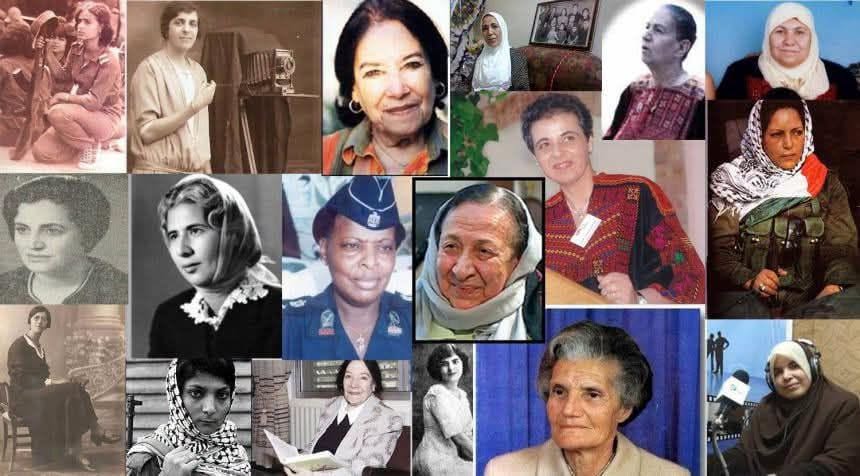
This truly describes the Palestinian woman, to whom we bow in reverence to on International Women’s Day. She is the mother, sister, wife, companion, prisoner, and martyr. She carries the most powerful message in the world and is the foremost example for women in the Arab world. She is distinguished in all aspects of political, social, and resistance life. She offers her life and the lives of her loved ones as sacrifice to the homeland. Many women in Palestinian society worked tirelessly to build the nation, experiencing the struggle, resistance, and national work, and participating actively in social work, embodying the highest ideals of sacrifice, resilience, and excellence.
On this day, Palestinian women move forward with confident steps, never looking back. They advance with strength, shedding all the false beliefs that have clung to them over the years, the restrictions imposed upon them, and the shackles of pre-Islamic prejudices. They believe in their rights, which are guaranteed by all divine laws.
For many years, Palestinian women faced the same hardships as all Palestinians, from the British Mandate to the Israeli occupation: Displacement, forced migration, and exile. Each Palestinian woman has chosen a form of resistance, becoming a pillar of support for men and a nurturer of future generations. On this special day, we remember some of the women of our nation who have enriched all aspects of Palestinian life, particularly in the struggle for liberation, national liberation, and social work.
Shadia Abu Ghazaleh
She was the first female military martyr after the 1967 defeat. Born in Nablus in 1949, she began her political activism at a young age and joined the Arab Nationalist Movement in 1962. After the defeat, she emerged from the movement joining the Arab nationalist Popular Front for the Liberation of Palestine, becoming a leading member, and participated in resistance operations against the occupation. However, on November 28, 1968, while preparing a bomb at her home to detonate in an Israeli building in Tel Aviv, the bomb exploded in her hands, leading to her martyrdom.
Zakia Shammout
She was among the first female resistance fighters to carry out operations against the occupation, and the first Palestinian woman to give birth inside a Israeli prison. Born in Haifa in 1945, she joined the resistance in 1968. She carried out seven operations, but in the early 1970s, she and her husband were arrested while she was five months pregnant, and sentenced to 12 life sentences. On February 18, 1972, Zakia gave birth to her daughter, Nadia, inside the Neve Tirtza, the Israeli prison in Ramla. In 1983, she was released and deported to Algeria, where she died in 2014.
Dalal Mughrabi
She is one of the most famous Palestinian female fighters. Born in 1958 in a refugee camp in Beirut, she was the daughter of a family from Jaffa who fled to Lebanon after the 1948 war. She joined the ranks of the Palestinian revolution early on and received several military training courses, including instruction in guerrilla warfare and weapons use. Mughrabi was deeply affected by the assassination of three leaders: Kamal Adwan, Kamal Nasser, and Abu Yusuf al-Najjar in 1973. This led her to participate in the Kamal Adwan operation, planned by Khalil al-Wazir. On March 11, 1978, Dalal and her group successfully reached Tel Aviv and seized an Israeli bus carrying soldiers. A clash ensued between the fighters and the soldiers, resulting in deaths and injuries among the Israeli army. After Ehud Barak ordered the bus to be stopped and the fighters killed, Dalal detonated the bus with its passengers inside.
Mai Ziadeh
She was the first female orator in the Arab world, renowned for her captivating oratory skills in clubs and gatherings. She charmed her listeners with her melodious voice. Born in Nazareth in 1886, she was passionate about reading and writing and mastered both English and French. Mai immigrated to Cairo in 1911 with her father, who had established the newspaper “Al-Mahrousa” in Egypt. She began writing literary articles in Arabic, and in 1914, she held her own literary salon, which became the most famous in Cairo. She published 13 books and passed away in 1941.
Fatima Al-Budairi
She was the first Arab woman to broadcast her voice on “Here is Jerusalem” radio in 1946, alongside her husband, Issam Hammad. Born in Jerusalem in 1923, Fatima worked in education in 1946 before transitioning to media work, where she presented cultural programs and news bulletins. She passed away in 2009.
Karima Abbud
She was the first Palestinian female photographer, practicing her profession in 1913. Born in Nazareth in 1894, she learned the craft of photography from an Armenian photographer in Jerusalem. Her father gifted her a camera, and she began taking pictures of cities, natural landscapes, and historical landmarks. She then opened a photography studio for women in Bethlehem, allowing conservative families to have their women photographed without embarrassment. Karima played a significant role in this profession, which was relatively new to Arab society, especially given the initial resistance many families felt to this unfamiliar invention. She passed away in the late 1960s, leaving behind hundreds of photographs that capture an important period in modern Palestinian history.
Samira Azzam
A pioneer of the short story, she was born in Acca in 1927. She studied English language and literature and published a series of articles in the newspaper Falastin. Azzam won the Short Story Prize in Beirut and authored five collections of short stories, as well as more than 12 books translated into Arabic.
Maha Abu Dayyeh
She was the director of the first center to provide legal aid to Palestinians in Israeli prisons, “Quakers Legal Services,” and one of the most prominent Arab activists who contributed significantly to advancing the human rights movement. Born in Jerusalem in 1951, she was known for her extensive activism in the feminist field. She worked to establish the Women’s Center for Legal and Social Guidance in 1991, a center that addresses the social issues of Palestinian women and serves as a safe haven for abused women. She received the “Woman of the Year” award in 2002 and passed away in 2015.
Yusra Al-Barbari
She was the first female university graduate from the Gaza Strip. Born in Gaza City in 1923, she participated with the youth of Gaza in demonstrations against the British Mandate, calling for the annulment of the Balfour Declaration, a halt to Jewish immigration and the confiscation of Palestinian lands, and an end to settlement activity. She began her career in education and became a prominent social, political, and educational leader in the Gaza Strip. This led to her being one of eight Palestinian women among the thousand women worldwide nominated for the Nobel Peace Prize in 2005. She was awarded the Star of Jerusalem medal in 2009 at the opening of the Fifth Conference of the General Union of Palestinian Women. She passed away on May 13, 2009.
Hind al-Husseini
She was the first Palestinian woman to establish an institution dedicated to orphans after the 1948 war. Born in Jerusalem in 1916, she studied English and Arabic literature in 1938. In 1945, she left her teaching career and began a phase of voluntary social work, establishing the Women’s Social Solidarity Association in Jerusalem. With the help of Adnan al-Tamimi, Hind gathered 55 orphaned children from Deir Yassin. Despite having only 138 Palestinian pounds, she vowed to live or die with it, thus beginning the establishment of the Arab Children’s Home in 1948. For her experience and role in caring for orphans and establishing the school, Hind received the Italian Adélaï d’Istouri Medal of Excellence for pioneering women in the world in 1980.
Zuleikha Shahabi
She was the first to form the first Palestinian women’s union with the aim of opposing the British Mandate, and the first to lead a women’s demonstration protesting the arrest of a number of leaders of the Palestinian revolution. She was born in Jerusalem in 1903, she co-founded the Arab Women’s Union and established its clinic for pregnant women, a childcare center, and a center for teaching embroidery and sewing to girls. She passed away in 1992.
Fatima Barnawi
She was among the first Palestinian women to engage in armed resistance since the launch of the modern Palestinian revolution in 1965. She was also the first female prisoner officially recorded in the annals of the women’s movement in the history of the modern Palestinian revolution. She founded the Palestinian Women’s Police in 1994. Born in Jerusalem in 1939, she was arrested in 1967 after planting a bomb in the Zion Cinema in Jerusalem. She was sentenced to life imprisonment but served only 10 years, a measure described by the prison administration as a “goodwill gesture” towards Egypt. After her release, she was deported to continue her struggle.
Fadwa Tuqan
She was the first woman to fight for the freedom of Palestine with her words and poetry. Born in Nablus in 1917, her family considered female participation in public life unacceptable. She educated herself with the help of her brother, the poet Ibrahim Tuqan, who nurtured her talent, guided her towards writing poetry, and encouraged her to publish in several Arab newspapers. After the 1967 defeat, Tuqan emerged from her isolation to participate in public life in Nablus. She dedicated her life to poetry and literature, publishing numerous collections and books, and holding several university positions. She passed away in 2003.
Leila Khaled
She was the first woman to hijack an Israeli plane in 1969. Born in Haifa in 1944, she hijacked a World Airlines plane and diverted it to Syria with the aim of securing the release of Palestinian prisoners and drawing global attention to the Palestinian cause. Later, she hijacked a TWA plane, which landed in London, and was arrested. A prisoner of Scotland Yard, she was released by the British government in a prisoner exchange.
Samiha Khalil
She is one of the pioneers of the Palestinian national movement. She confronted the policies and unjust oppression of the occupation in various ways. She was the first to work on establishing the Family Welfare Association in 1965 and founded the Arab Women’s Union in Al-Bireh. Khalil was born in the Tulkarm district in 1923. Throughout her life, she played a prominent role in the national struggle and represented Palestinian women at numerous international conferences. She actively contributed to confronting the social injustice inflicted upon Palestinian women by providing them with support through institutions and associations. She also ran in the 1996 presidential elections as the sole opponent of the late leader Yasser Arafat.
Rahab Kanaan
She is known as “Khansaa of Palestine” after losing more than 54 members of her family in the Tel al-Zaatar and Sabra and Shatila massacres. Born in Beirut in 1959 after her family was displaced from Safed in 1948, she uses her poetry to resist the oppression and practices of the occupation. She lost her daughter in the Sabra and Shatila massacre and believed she had been martyred. However, after 22 years of separation, the mother was reunited with her daughter live on television. Kanaan returned to Palestine with members of the Palestine Liberation Organization and settled in Gaza.
Artist Umayya Juha
She is the first female cartoonist in Palestine and the Arab world. Born in Gaza City in 1972, she was labeled a terrorist and anti-Semite by the Israeli authorities and was banned from entering the West Bank for security reasons. She participated in numerous local, Arab, and international exhibitions. She won the Arab Press Award for Best Cartoon in 2000 and also won first place in the annual Creativity Competition held by the Palestinian Ministry of Culture in 1999, representing all Palestinian governorates.
There are countless Palestinian women who have played a significant role in all aspects of life, particularly in the national struggle and social work throughout Palestinian history. We must celebrate them on International Women’s Day and appreciate every woman who works to build the nation and raise the men of the future.

 CrossFireArabia