Food Airdrops: Humiliating, Degrading, Dangerous

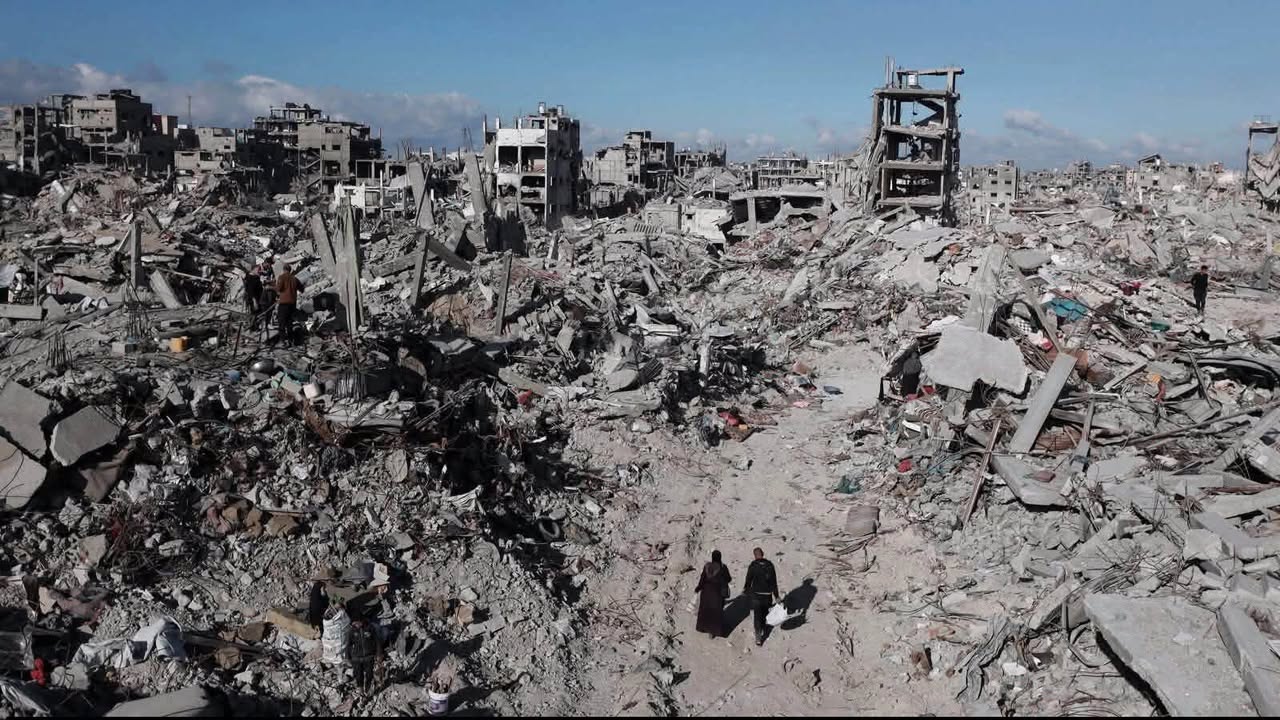
The airdrop of aid into the Gaza Strip is yet another act of humiliation and degradation against Palestinians. It endangers civilians crowded into less than 15 per cent of the enclave and serves a graver purpose: enabling Israel’s policy of mass starvation, deliberately used as a tool of genocide in its systematic effort to eliminate Palestinians in Gaza.

The resumption of aid airdrops, following months of widespread starvation, neither meets the minimum humanitarian needs nor alleviates the catastrophe caused by Israel’s deliberate policy of starvation. Instead, it perpetuates the illusion of relief while starvation continues to be used as a weapon against civilians.

This step, approved by Israel and implemented on Saturday evening, does not reflect a genuine shift in the humanitarian response. Rather, it aims to mislead international public opinion and downplay the severity of the crime, diverting attention from Israel’s systematic starvation policy in the Gaza Strip, which has caused an unprecedented humanitarian catastrophe. This catastrophe is marked by widespread famine, denial of food, water and medicine, destruction of supply chains, obstruction of land-based aid delivery, and continued attacks on those seeking food. These actions reveal Israel’s persistent use of starvation as a primary tool to decimate the population and undermine their means of survival.

The catastrophic conditions on the ground underscore the severity of Israel’s starvation policy, especially after 55 people were officially declared dead from starvation and malnutrition in just one week. It is also estimated that around 1,200 elderly people have died in the past two months due to a lack of food and medical care, amid the total collapse of the healthcare system and the continuing blockade.

The airdrops do not constitute a genuine humanitarian response but rather mark a new chapter in the ongoing humiliation of civilians in the Gaza Strip, following the public degradation and repeated killings at distribution centres operated by the Gaza Humanitarian Foundation under Israel’s direction.

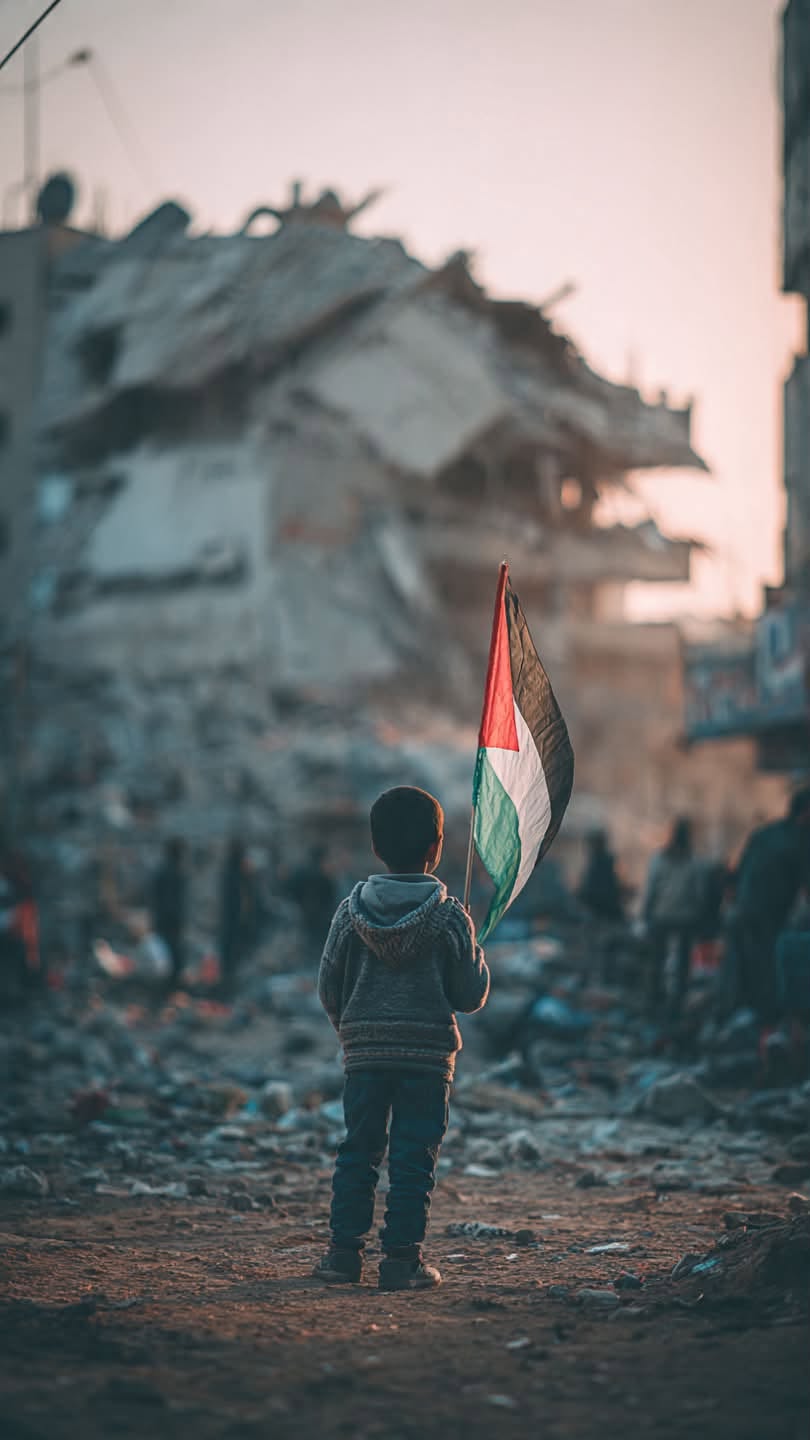
Instead of opening safe and organised land corridors, residents are forced to crowd into dangerous areas under bombardment to retrieve parcels dropped randomly from the air, in conditions that compromise their dignity and endanger their lives, as has occurred repeatedly. Such practices strip relief of its humanitarian purpose and reproduce a colonial dynamic based on subjugation and control, reducing the right to survival to a humiliating favour instead of a fundamental human right.

With 2.3 million Palestinians displaced into less than 15 per cent of the Gaza Strip due to Israeli control and forced evacuation orders, airdropped aid poses a serious risk to civilian lives amid severe overcrowding and the absence of safe areas.

Euro-Med Monitor recalls that when airdrops were first introduced several months ago, even while the accessible area was relatively larger, they led to the deaths of 18 Palestinians and injuries to dozens more.

Last night’s airdrops injured at least 11 civilians, further highlighting the failure of this mechanism to ensure safe and orderly access to aid. It also reinforces serious concerns that civilians are being placed in harm’s way rather than protected, especially amid severe overcrowding and the shrinking of safe areas due to Israeli-imposed policies of forced annexation and displacement.

The reality on the ground demonstrates that airdropped aid is scarce, randomly distributed, and poses serious risks. It frequently lands in densely populated areas, on displaced people’s tents, in evacuated zones, in areas under Israeli control, or in the sea, making it an unsafe and ineffective method from a humanitarian perspective.

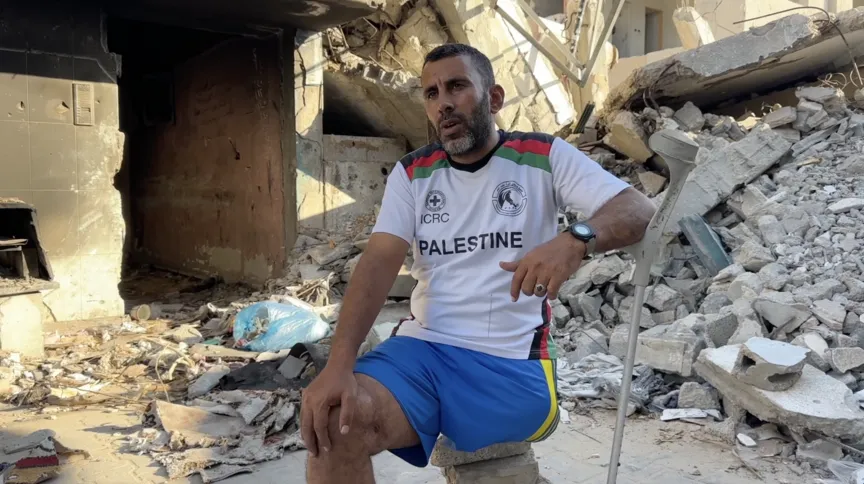
The extreme starvation civilians are enduring has, for weeks, driven them to seek aid along delivery routes and at distribution centres, despite knowing these places are humiliating and have become death traps. Their desperate search for aid has turned into a daily scene of collective humiliation, exposing them to immediate danger and fuelling tension and conflict among the population over access to scarce food supplies.

Addressing the famine in Gaza cannot be achieved through superficial or gaudy measures but requires an immediate end to the blockade and the opening of safe, stable land corridors to enable the regular and sufficient delivery of food, medicine, and fuel. This must be done through official UN mechanisms that previously managed aid distribution through approximately 400 centres, before Israel deliberately dismantled them. Only the restoration of this system can ensure that aid reaches all those in need fairly, safely, and transparently, without discrimination or subjugation.

Operations of the Gaza Humanitarian Foundation must be halted. Established by Israeli authorities, the foundation functions as a mechanism of collective humiliation and military control over aid, operating outside any recognised legal or humanitarian framework. Rather than ensuring fair and safe access to aid, it enables Israel to manipulate distribution in line with its own objectives. Under this system, distribution centres have become sites of mass killing, managed directly under Israeli supervision.

The continued operation of this foundation obstructs any genuine humanitarian response and reinforces Israel’s full control over relief channels. This is evident in the airdrops conducted under Israeli supervision, driven by a colonial logic rooted in genocide, deliberately stripping the besieged population of both humanitarian aid and human dignity.

States must urgently push for the restoration of humanitarian access and the lifting of the illegal blockade, as this is the only way to stop the accelerating humanitarian deterioration and ensure the entry of aid, given the imminent threat of famine.

The establishment of safe humanitarian corridors under UN supervision is vital to ensure the delivery of food, medicine, and fuel to all areas of the Strip, with independent international monitors deployed to verify compliance.

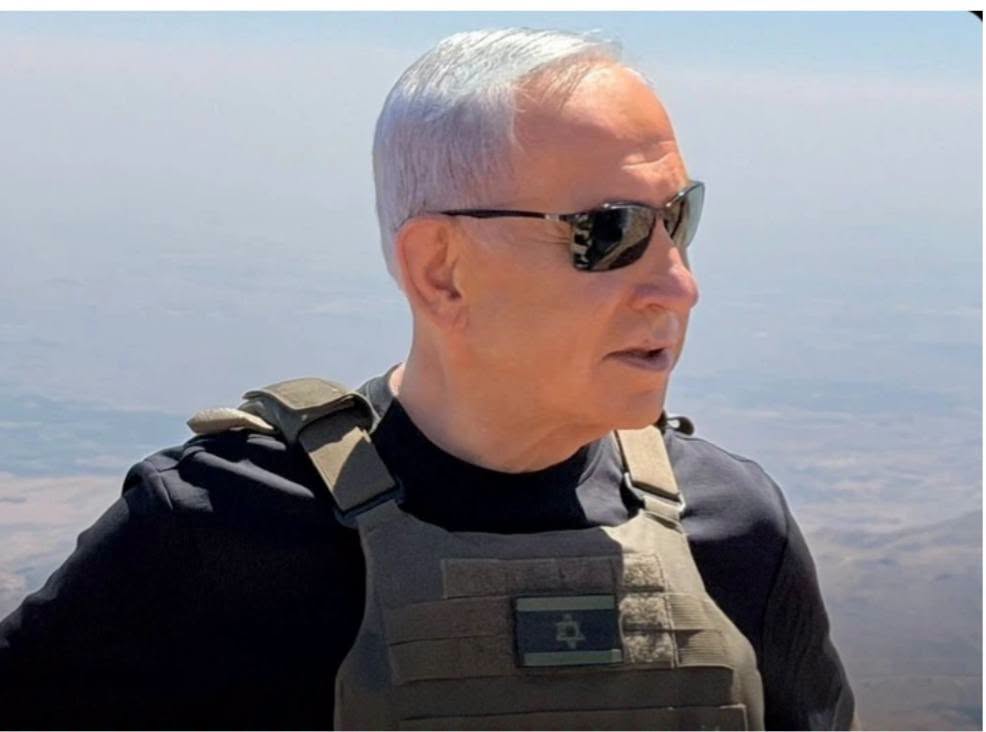
All states, individually and collectively, must urgently fulfil their legal obligations to halt the genocide in the Gaza Strip in all its forms. This includes taking concrete measures to protect Palestinian civilians in the enclave, ensure Israel’s compliance with international law and the International Court of Justice rulings, and guarantee full accountability for crimes committed against Palestinians. Euro-Med Monitor also calls for the enforcement of the International Criminal Court arrest warrants issued for the Israeli Prime Minister and former Defence Minister, and for their swift surrender to international justice without regard to immunity.

The international community is urged to impose economic, diplomatic, and military sanctions on Israel and its more powerful allies, particularly the United States, for their grave and systematic breaches of international law; these sanctions should include comprehensive arms embargoes and the suspension of all forms of political, financial, military, and intelligence cooperation. In addition, Euro-Med Monitor calls for freezing the assets of responsible Israeli, US, and any complicit EU officials, banning their travel, halting their military and security companies’ access to international markets, and suspending trade privileges and bilateral agreements that facilitate Israel’s ongoing Western-backed crimes against the Palestinian people.

  • CrossFireArabia

    CrossFireArabia

    Dr. Marwan Asmar holds a PhD from Leeds University and is a freelance writer specializing on the Middle East. He has worked as a journalist since the early 1990s in Jordan and the Gulf countries, and been widely published, including at Albawaba, Gulf News, Al Ghad, World Press Review and others.

    Related Posts

    Open War: 1967 Naksa Remembered

    Every year on 5 June, Palestinians and Arabs remember the 1967 war, known as the Naksa (Setback).

    This is a pivotal turning point in the history of the Palestinian cause. The war ended with the Israeli occupation of the West Bank, including East Jerusalem, and the Gaza Strip, the Syrian Golan Heights and the Egyptian Sinai Peninsula.

    This year it is the 59th anniversary of that terrible war. But the Israeli appatitite for aggression continues. Apart from its genocide on Gaza Israel has moved ahead with its settlement construction, arrests, with its military operations in the West Bank are escalating. It reflects the ongoing repercussions of the Naksa and the occupation policies that have entrenched military control and prevented a just settlement to the Palestinian question.

    Six-Day War – Decades of Occupation

    The war began at dawn on 5 June, 1967, with a massive Israeli air attack targeting Arab airfields and military bases. Six days later, it ended with the occupation of the remaining Palestinian territories, in addition carving up parts of Syria and Egypt.

    The war’s consequences didn’t stop at altering geographical borders but also paved the way for an expansionist settlement project based on land confiscation, displacement of residents, and the imposition of new realities on the ground. These acts were in continuous violation of international law and UN resolutions that demanded an end to the occupation and withdrawal from the occupied territories.

    International Resolutions: Ink on Paper

    The war was followed by a series of international resolutions, most notably UN Security Council Resolution 242, which called for Israel’s withdrawal from the territories it occupied in 1967. However, the occupation continued its settlement expansion and the imposition of a fait accompli, ignoring repeated international demands to end the occupation and the respect for international law.

    Over the following decades, settlements transformed from limited projects into a vast network that spread throughout the West Bank and occupied Jerusalem, undermining the prospects for establishing an independent and geographically contiguous Palestinian state.

    Displacement and Settlements: Policy Since the 1967 War

    The 1967 war led to the displacement of about 300,000 Palestinians from the West Bank and Gaza Strip. Displacement policies, land confiscation, and settlement expansion continued at an escalating pace in the years since.

    Palestinian Central Bureau of Statistics data shows of the existence of 645 Israeli settlement sites and military bases in the West Bank as of the end of 2025, including 151 settlements and 350 outposts.

    The number of settlers also rose to 778,567 by the end of 2024, while the Israeli occupation authorities continuing to seize Palestinian land and expand their settlement projects, despite their illegality under international law.

    Oslo: Political Process Stalled…

    The Oslo Accords in 1993 marked a significant political milestone, stipulating a transitional phase to pave the way for the establishment of an independent Palestinian state. However, the continued expansion of Israeli settlements and the imposition of facts on the ground have weakened the prospects for the success of the political process.

    With successive Israeli governments, the chances for a settlement gradually diminished, and political negotiations stalled since 2014, amidst Palestinian accusations that Israel is using negotiations as a cover to continue settlement construction and seize more land.

    Palestinians believe that successive Israeli policies have emptied the settlement process of its substance by reneging on signed commitments and refusing to implement the political obligations related to ending the occupation and establishing a Palestinian state.

    A Military System Governing Every Detail of Palestinian Life

    Following the occupation of the Palestinian territories in 1967, Israel imposed a system of military orders that granted it broad control over all aspects of life, from managing land and natural resources to arrests, trials, and civil laws.

    The occupation authorities issued dozens of military orders that reshaped the legal system in the occupied territories, while military courts continued to try Palestinians according to procedures that international human rights organizations refuse to consider compliant with international standards of justice.

    Prisoner support organizations also confirm that more than one million Palestinians have been arrested since 1967, while approximately 9,500 prisoners and detainees are currently held in Israeli prisons.

    War on Gaza: An Extension of a Long Conflict

    Palestinians believe that the ongoing war on the Gaza Strip, which began in October 2013, represents an extension of the occupation’s policies based on the use of military force and the imposition of facts on the ground by force, far removed from any political solutions that would end the conflict.

    The war resulted in tens of thousands of martyrs and wounded, most of them women and children, in addition to thousands missing and widespread destruction of infrastructure and civilian facilities.

    In the West Bank, raids, arrests, and settlement expansion continued, leading to the martyrdom of 1,168 Palestinians, injury of 12,666 others, the arrest of approximately 23,000, and the displacement of 33,000.

    The Naksa Anniversary: ​​A Reality Persisting for 59 Years

    Fifty-nine years after the June 1967 war, the effects of the Naksa remain present in the Palestinian landscape, through the continuation of the occupation, settlement activity, land confiscation, displacement of residents, and the stalled political settlement process.

    As the anniversary is commemorated this year amidst the war in Gaza and the escalation of violence in the West Bank, Palestinians emphasize that the core of the conflict remains linked to the ongoing occupation and Israel’s refusal to implement international resolutions and fulfill its obligations. This has kept the Palestinian cause open to further crises and tensions over the past decades. Palestinian Information Center

    Continue reading
    Stories From Hell: Food at Gun-point

    Doctors Without Borders/Médecins Sans Frontières (MSF) continues to treat scores of patients suffering from life-changing injuries, chronic pain, and psychological trauma sustained while attempting to access food assistance from US-backed, so-called Gaza Humanitarian Foundation (GHF) sites. This militarized food distribution scheme launched one year ago but only ran for six months before being forced to stop after significant controversy and criticism.

    The GHF, which replaced a 400-site UN-coordinated aid distribution system, was run by Israel with financial support from the United States and other allies. GHF sites became operational on May 26, 2025, and were “secured” by private American armed contractors, with Israeli forces maintaining control over the wider perimeter.

    US-backed aid distribution points are sites of orchestrated killing

    Read more

    Violence occurring at and related to GHF’s four distribution points led to deaths and injuries for thousands of people who were desperately seeking food during Israel’s months-long total blockade.

    An MSF staff member checks Saad's patient file at Al-Mawasi primary health care center. Saad has to wear an external fixator after he was injured during a GHF food distribution in 2025.
    At Al-Mawasi primary health care center, an MSF staff member greets Saad, who has to wear an external fixator after he was injured during a GHF food distribution in 2025. Palestine 2026 © Nour Alsaqqa/MSF

    The legacy of the GHF is widespread violence against hungry people

    “As MSF has documented with medical evidence, people who were seeking food in desperate and siege-like conditions suffered horrendous levels of targeted and indiscriminate violence,” said Joan Tubau, MSF head of mission for the Occupied Palestinian Territory.

    “Children were shot in the chest while reaching for food, people were crushed or suffocated in stampedes, and entire crowds were gunned down at distribution points. Today, many GHF-related patients are entirely dependent on charity and community kitchens due to their mobility issues and lack of ability to work and provide for their families.”

    People who were seeking food in desperate and siege-like conditions suffered horrendous levels of targeted and indiscriminate violence.Joan Tubau, MSF head of mission for the Occupied Palestinian Territory

    Between June and October 2025, MSF teams recorded at least 32 deaths and treated 1,885 patients for injuries linked to the GHF sites at MSF’s Al-Attar and Al-Mawasi primary health care centers in Khan Younis.

    Neama Awad

    “Even if it meant death, I had to go bring food”

    I am from Miraj, originally from Rafah. Everything was destroyed. The occupation came near us. They were shooting at our children and here too we are displaced. I only wish to return home. Honestly, my situation is very bad. I am sick, and my husband is sick.

    I went looking for a loaf of bread. I went walking as I don’t even have one shekel for transportation. One day people came and said, ‘Go to the aid point in Al-Tina to get food.’ I said I would go. I wanted to bring food for my children. There was no food, nothing. We became skin and bones. I went to the aid distribution because we had no support at home — no flour, no food, no aid reaching us, not even a loaf of bread.

    View moreA Palestinian woman injured at a GHF site in Gaza.

    Palestine 2026 © Nour Alsaqqa/MSF

    Patients recount horrific scenes

    “My friend was executed in front of my eyes,” said Karim, a former barber who suffered life-changing injuries permanently damaging a nerve in his leg. “It still haunts me. Both of us were caught and handcuffed [by Israeli soldiers] behind our backs. A drone hovered above me, and four men were asked to take me away.”

    Mustafa, a taxi driver from Rafah, developed a heel infection that caused rotting after a gunshot wound broke two of his bones as he was trying to access food. His 17-year-old nephew was shot in the head and killed by a sniper.

    “[It] was so humiliating,” Mustapha said. “Thousands of people would run towards [the food], then the IDF would shoot on us from fixed points. Two thirds of the injured people in Gaza I know were cases from GHF.”

    Saad Hussein, MSF patient

    “Hunger: That is what made us go”

    I am from southern Rafah. Neither our grandfather nor the many displaced people before us lived through this. So many homes were destroyed. Everyone was displaced. We were living in the Iqlimi area, but with the famine and everything that was happening, we were forced to leave. We have children, pregnant women, and breastfeeding mothers. We had to take whatever we could because nothing was available. We were forced to go to the American aid distribution points.

    We had no clean food, no clean clothes, no clean bathrooms. Nothing was clean. We did not eat breakfast, lunch, or dinner. We would bring lentils from the community kitchen and survive on them until the next day. My mother, my brothers, my brother’s six orphaned children, my brother’s wife, me, my mother, and my father. God is with us and with them.

    View morePortrait of Saad Hussein. Saad was injured in 2025 during a food distribution by the Gaza Humanitarian Foundation.

    Palestine 2026 © Nour Alsaqqa/MSF

    The opposite of humanitarian work

    The GHF also played a key role in the malnutrition crisis manufactured by Israel. The drastic reduction of food and aid distribution points compounded by the total siege, intensified violence, mass displacement, and destruction of health facilities had a direct role in the famine declared in mid-2025, with devastating consequences on vulnerable groups such as pregnant women, newborns, and children.

    “Nothing about GHF was a humanitarian solution,” Tubau said. “One year on, the magnitude of the harm inflicted on people at GHF distribution points without any accountability requires an independent investigation. Israel has an obligation to ensure unhindered humanitarian access and condemns aid models, including the GHF, that fail to alleviate suffering.”

    My friend was executed in front of my eyes. It still haunts me. Both of us were caught and handcuffed [by Israeli soldiers] behind our backs.Karim, MSF patient

    This militarized system of aid delivery resulted in significant harm and suffering and should never be replicated. Israel, the US, and all actors of influence to ensure that aid is non-militarized, accessible, and built on independence, impartiality, neutrality, and humanity. Civilians must be able to safely reach humanitarian assistance — based on vulnerability and need — wherever they choose to reside, and at scale.

    *Names of patients have been changed for their safety.

    MSF

    Continue reading

    You Missed

    Israeli Settlers Carry Out 1,659 Attacks in May

    Israeli Settlers Carry Out 1,659 Attacks in May

    Israel Soldiers Shoot, Kill Baby in Hebron

    • By marwan
    • June 6, 2026
    • 20 views
    Israel Soldiers Shoot, Kill Baby in Hebron

    59 Years of Israeli Occupation…

    59 Years of Israeli Occupation…

    Memorizing The 1967 War Defeat!

    Memorizing The 1967 War Defeat!

    Open War: 1967 Naksa Remembered

    Open War: 1967 Naksa Remembered

    Israeli Soldiers: ‘…We Had to Kill Arabs’

    Israeli Soldiers: ‘…We Had to Kill Arabs’