CrossFireArabia
Senior Hamas official Mousa Abu Marzouk said Friday that the Palestine resistance group had agreed to US President Donald Trump’s plan on a ceasefire in the Gaza Strip “in principle,” endorsing its main outlines, while stressing that implementation would require negotiations.
Abu Marzouk emphasized in an interview with Qatar’s Al Jazeera network that the group “would hand over its weapons to a future Palestinian state,” and the fate of Palestinians is a “national matter that Hamas alone cannot decide.”
“We agreed to the US plan in its main outlines, as a principle,” he said.
Abu Marzouk noted that the plan’s implementation “requires detailed negotiations through mediators.”
He pointed out that Hamas “will enter negotiations over all issues related to the movement and its weapons.”
“For example, all the details concerning the peacekeeping force require understandings and clarification.”
Abu Marzouk explained that Hamas “will hand over weapons to the coming Palestinian state, and whoever governs Gaza will hold the weapons.”
He said that “shaping the future of the Palestinian people is a national issue that Hamas alone cannot decide,” calling on Washington to “look positively at the future of the Palestinian people.”
Abu Marzouk noted that “there was a national agreement to hand over Gaza’s administration to independents whose reference is the Palestinian Authority.”
He affirmed that Hamas is “a national liberation movement, and that the definition of terrorism in the plan cannot be applied to it.”
Earlier, Hamas announced that it approved the release of all Israeli captives, the delivery of deceased bodies and the handover of Gaza’s administration to an independent Palestinian body in its response to Trump’s ceasefire plan for Gaza.
The Palestinian group said in a statement on Telegram that “other issues raised in President Trump’s proposal concerning the future of the Gaza Strip and the legitimate rights of the Palestinian people are tied to a unified national position based on relevant international laws and resolutions.”
A Palestinian source told Anadolu that Hamas delivered its response to Trump’s plan to mediators and requested clarifications on some clauses.
Hamas indicated that it had conducted “in-depth consultations within its leadership institutions and broad consultations with Palestinian forces and factions, as well as with mediators and friends, to reach a responsible position in dealing with US President Donald Trump’s plan.”
It affirmed its readiness to “immediately” enter, through mediators, into negotiations to discuss the details of the plan.
Israel estimates that 48 Israeli captives are in Gaza, including 20 alive, while around 11,100 Palestinians are held in its prisons, suffering from torture, starvation, and medical neglect, with many killed as a result, according to Palestinian and Israeli media and rights reports.
Earlier Friday, Trump gave Hamas until 6 pm Washington time (2200GMT) on Sunday to approve his plan regarding the Gaza Strip.
The White House issued a detailed plan on Sept. 29, calling for an immediate ceasefire in Gaza, followed by a comprehensive program for reconstruction and a reorganization of the enclave’s political and security situation.
The plan seeks to turn Gaza into a weapons-free zone, with a transitional governance mechanism overseen directly by Trump through a new international body tasked with monitoring implementation.
It includes the release of all Israeli captives held by Hamas within 72 hours of approval, in exchange for the release of hundreds of Palestinian prisoners from Israeli jails according to Anadolu.
The plan stipulates halting hostilities, disarming the Palestinian resistance and Israel’s gradual withdrawal from Gaza, to be governed by a technocratic authority under the supervision of an international body led by the US president.
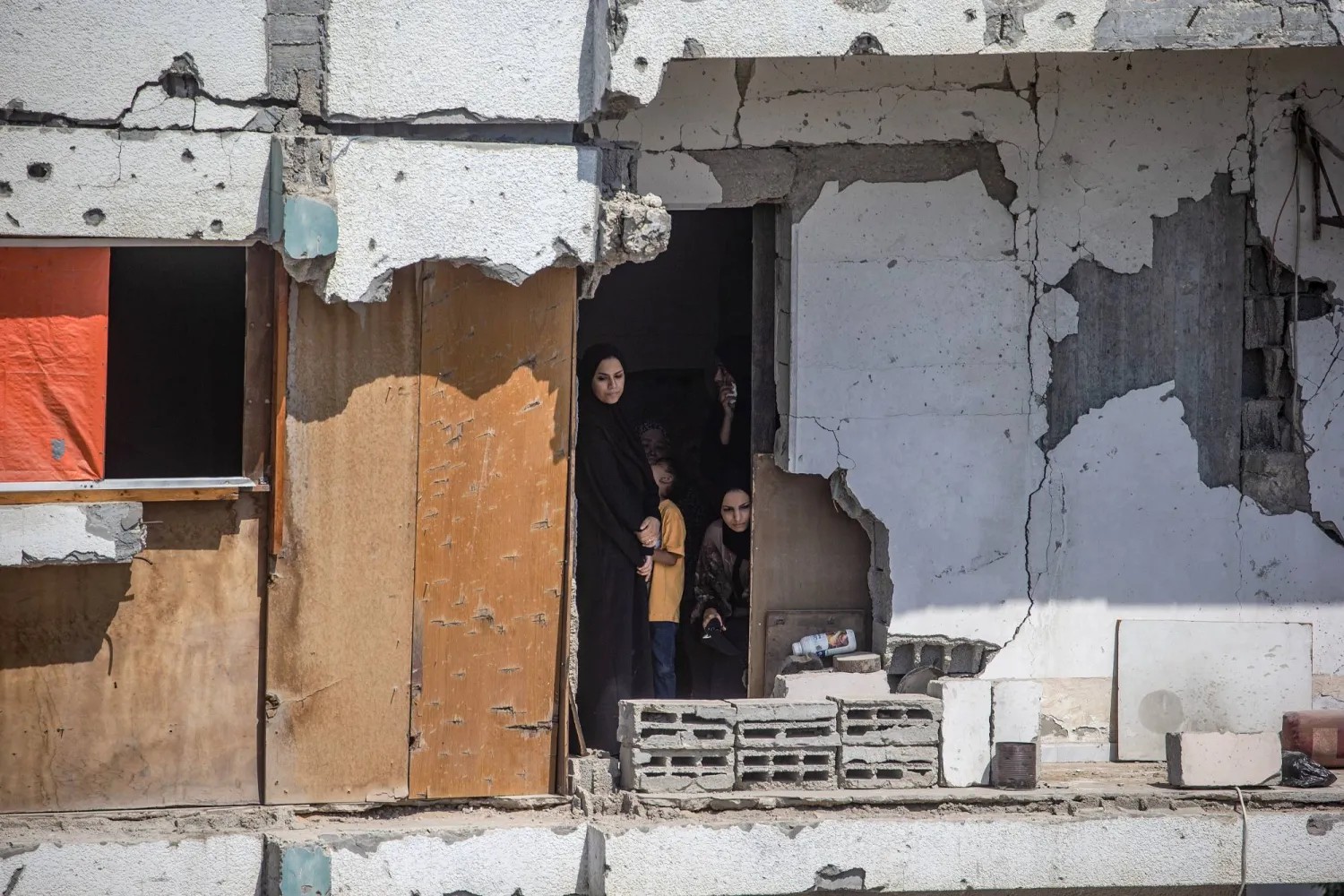
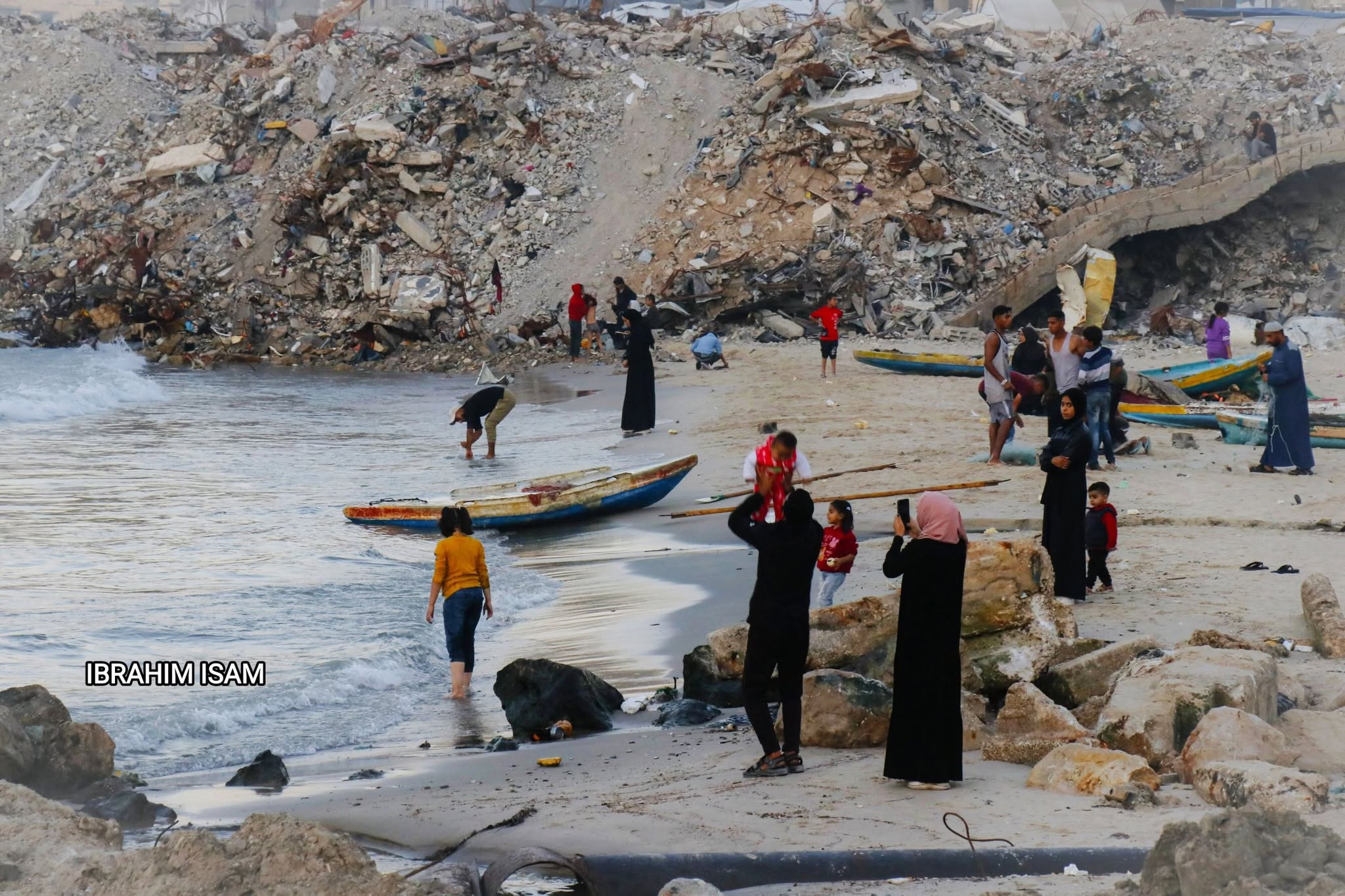
Israel has maintained a blockade on Gaza, home to nearly 2.4 million people, for nearly 18 years. It tightened the siege in March when it closed border crossings and blocked food and medicine deliveries, pushing the enclave into famine.
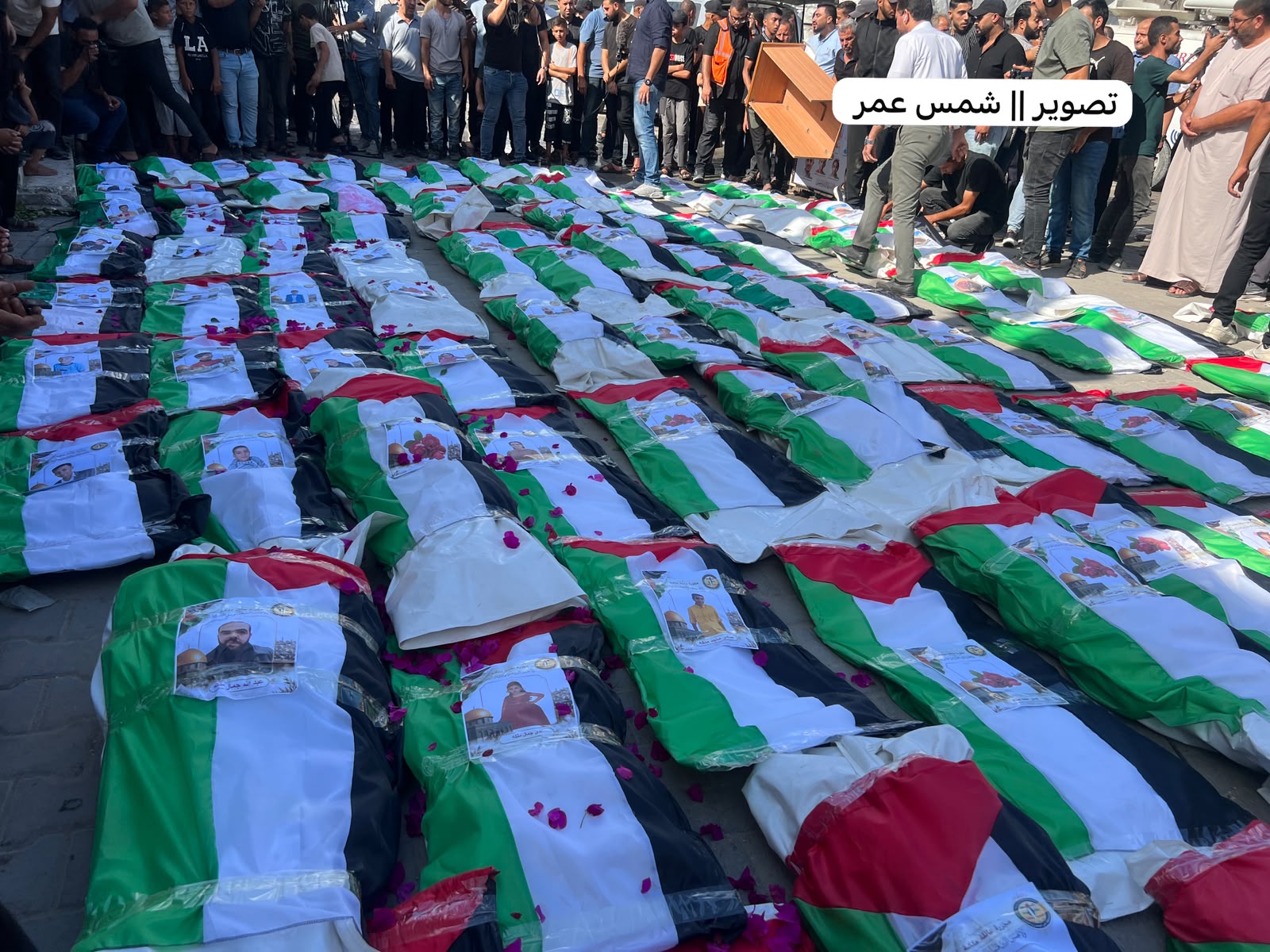
Since October 2023, Israeli bombardment has killed nearly 66,300 Palestinians, most of them women and children. The UN and rights groups have repeatedly warned that the enclave is being rendered uninhabitable, with starvation and disease spreading rapidly amid widespread displacement.