CrossFireArabia
Anyone following the news of the prisoner exchange deal talks can see that it has become clear that Israel’s Benjamin Netanyahu has been repeatedly thwarting efforts to secure prisoner exchange deals with the resistance. Despite various attempts to facilitate these exchanges and several approvals by the resistance movements led by Hamas, Netanyahu’s actions have consistently led to delays and complications according to the Quds News Network.
The following timeline provides a look at how Netanyahu’s decisions and strategic leaks have derailed progress on multiple occasions, raising questions about the underlying personal motives, which have turned the lives of the Palestinian people and Israeli prisoners alike into a political game.
January 17, 2024: Netanyahu cancels the outcomes of the preparatory meetings for the first Paris meeting without coordinating with the Israeli War Council or the Israeli negotiating team, and tightens Israel’s stance.
January 24, 2024: Netanyahu delays granting authorization to the Israeli negotiating team and postpones the first Paris meeting.
The Qatari foreign ministry spokesperson, Majed Al-Ansari, publicly criticized him for the first time in a tweet.
“If the reported remarks are found to be true, the Israeli PM would only be obstructing and undermining the mediation process, for reasons that appear to serve his political career instead of prioritizing saving innocent lives, including Israeli hostages”, he said.
“Instead of concerning himself with Qatar’s strategic relations with the United States, we hope Netanyahu decides to operate in good faith and concentrate on the release of the hostages.”
January 28-31, 2024: During the first Paris meeting, progress was made. However, upon his return to Israel, the head of Mossad was surprised by Netanyahu’s publication of five statements that widened the gaps, revealing confidential information during the negotiations.
February 6, 2024: Amidst efforts to reach a humanitarian truce before the month of Ramadan, Hamas announced it had responded positively to mediator initiatives. However, Netanyahu quickly leaked statements to Channel 13 under the name “a senior Israeli political official” declaring that Hamas’s stance meant rejecting the deal.
February 13, 2024: At the Cairo meeting, Netanyahu delayed sending a delegation. When he did, he sent them without authorization and accompanied by his personal advisor to restrict the head of Mossad. He then refrained from sending a delegation to continue the talks despite the negotiating team’s support.
February 23, 2024: At the second Paris meeting, Netanyahu called the head of Mossad on his way to Paris to inform him of reducing his authorized powers, despite it being approved by the War Council.
March 16, 2024: Netanyahu refused to hold a War Council meeting to discuss the negotiating team’s authorization on the eve of proposed talks in Doha. A military representative on the negotiating team leaked to the media his frustration with Netanyahu’s actions.
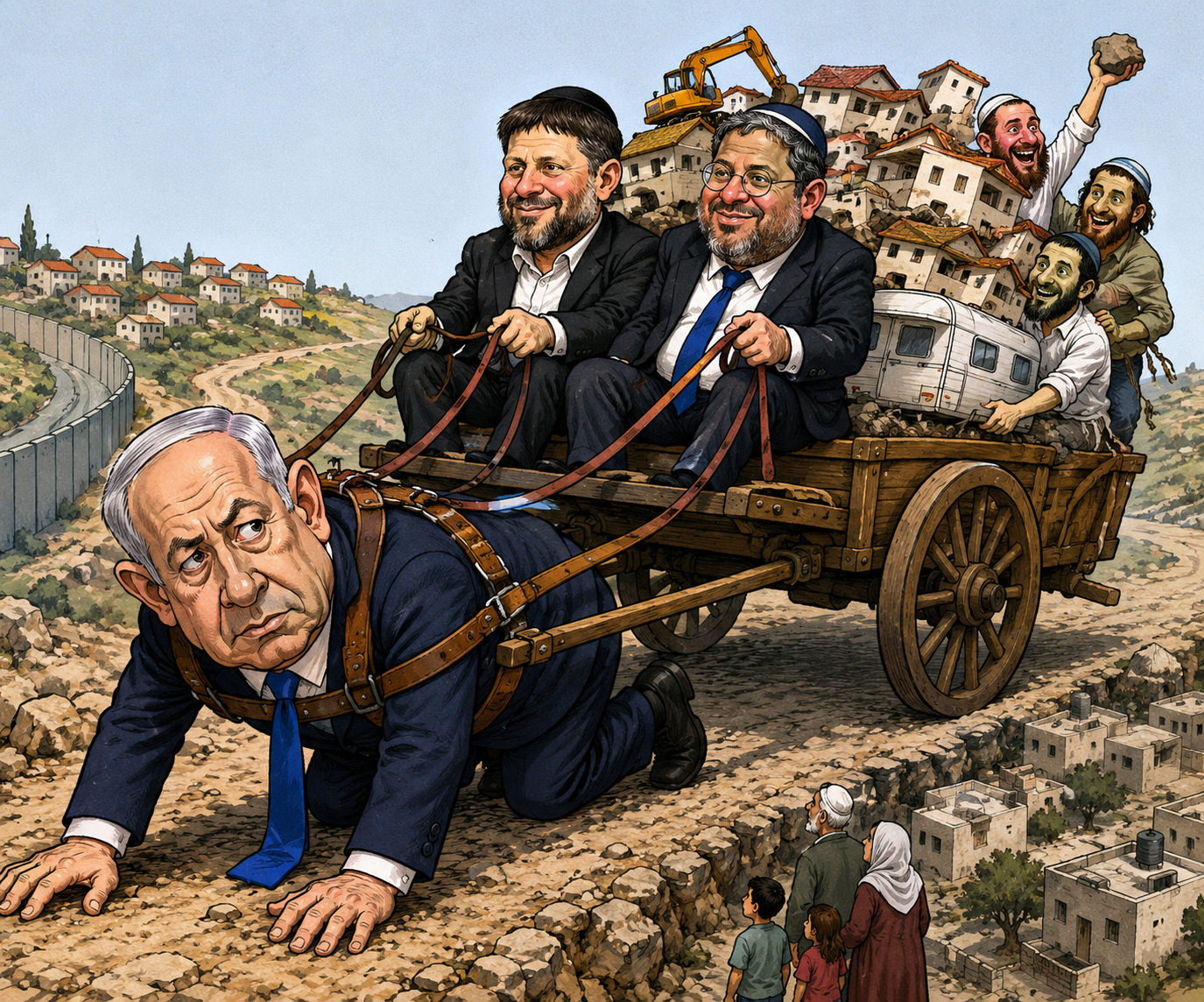
April 8, 2024: Renewed negotiations aimed at a “phased deal” to release 33 Israeli prisoners. The Israeli army announced its withdrawal from Khan Yunis. However, after threats from Israel’s finance minister, Bezalel Smotrich, Netanyahu announced a military operation in Rafah, causing the negotiations to collapse.
April 25, 2024: Netanyahu leaked confidential information from the negotiations to Smotrich, who then leaked it to the media, causing the negotiations to collapse again.
April 26, 2024: Netanyahu contacted the Israeli negotiating team without the knowledge of the War Council to reduce their authorized powers.
May 4, 2024: Netanyahu preempted a response expected by mediators to Hamas on an Israeli exchange proposal by issuing a statement rejecting ending the war in any way.
May 6, 2024: Hamas officially accepted the Israeli proposal presented to them. However, Netanyahu hastened to reject Hamas’s response before any security consultations or high-level meetings.
June 3, 2024: After US President Biden announced his plan for a prisoner exchange deal and ending the war on June 1, Netanyahu leaked his opposition to Biden’s plan during a meeting of the Foreign Affairs and Defense Committee in the Knesset.
June 23, 2024: Netanyahu announced in an interview with Channel 14 that he is only interested in a partial deal, which allows him to resume the war.
July 12, 2024: Israeli media reported that Netanyahu has introduced additional obstacles in the ceasefire negotiations.
They cited senior Israeli officials as stating that Netanyahu is currently controlling all the details and has decided to harden his stance on the negotiations.
“Netanyahu is almost single-handedly managing the negotiations”, they stated accords to the Quds News Network.


 marwan