Israel Kills 50 Children in Two Days in Lebanon

The average number of children killed per day in Lebanon this week is more than double the number of children killed per day during the country’s devastating 2006 conflict.

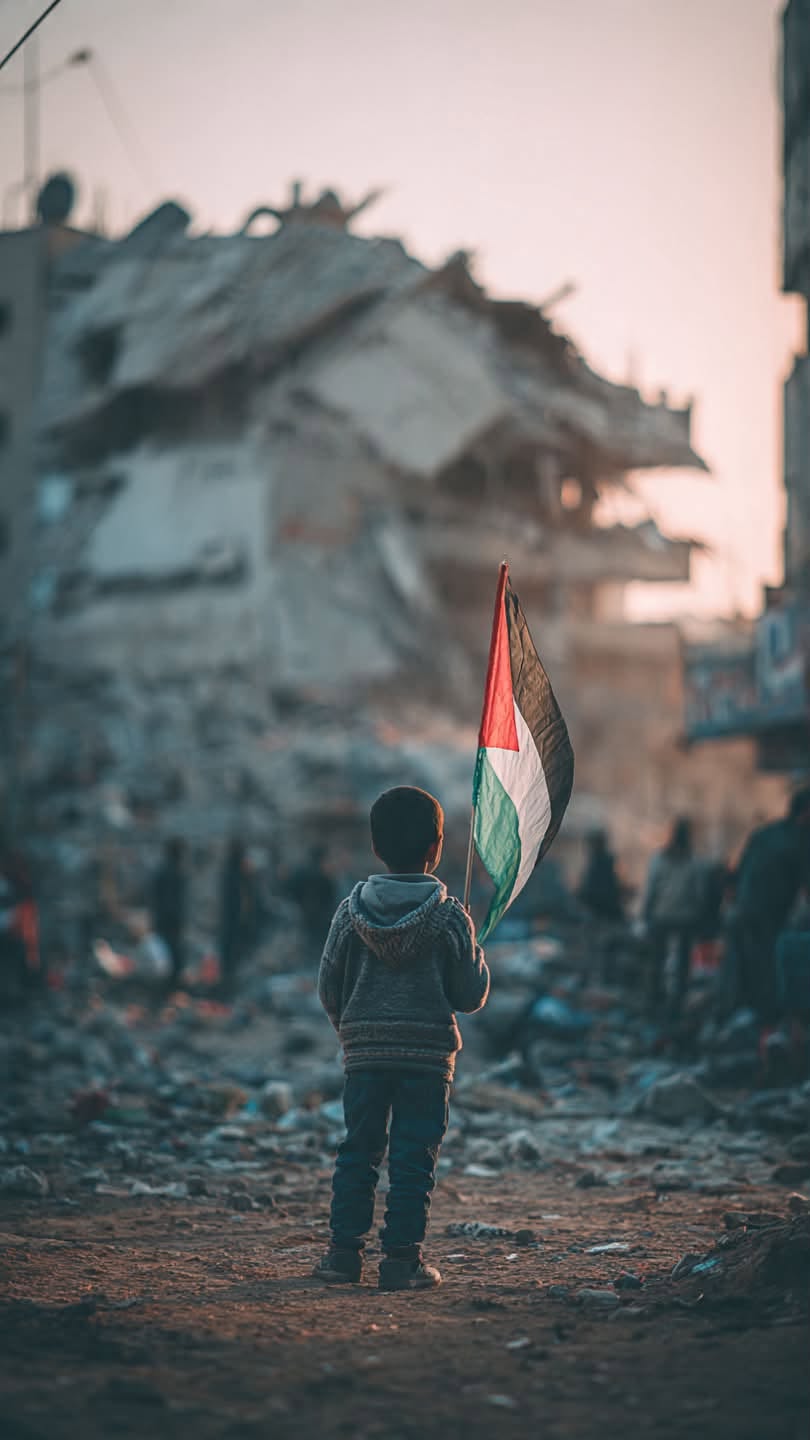
An estimated 400 children, or about 12 children per day, were killed during the 33-day 2006 conflict[1]. Now, 50 children were killed in a span of two days, on Monday and Tuesday of this week according to the Lebanese Ministry of Public Health. The ministry also expects that more children remain buried under the rubble of destroyed buildings across the country.

The escalation in recent days has killed and injured thousands, spurred mass displacement, caused extensive damage to infrastructure and instilled an unimaginable fear in the daily lives of people across the country.

“As this week continues the devastation mounts, piling tragedy upon tragedy,” said Edouard Beigbeder, UNICEF Representative in Lebanon. “The attacks on Lebanon are killing and injuring children at a frightening rate and devastating any sense of safety and security for hundreds of thousands of children across the country.”

The conflict comes on top of the already fragile situation for tens of thousands of families in Lebanon. The country has been impacted by a string of unrelenting crises in recent years, including the massive Port of Beirut explosion, the impact of the COVID-19 pandemic, and the fifth year of a crippling economic collapse that has sent poverty rates soaring.

November 2023 survey conducted by UNICEF in Lebanon found more than 8 in 10 households had to borrow money or buy on credit to purchase essential grocery items, a 16 percentage point increase over six months. The same survey found that in the South Governorate, 46 per cent of households said their children were anxious and 29 per cent were depressed.

In the last 72 hours alone hundreds of thousands of people are estimated to have been displaced to host communities and over 70,000 people to shelters, according to the Lebanon Disaster Risk Management Unit. Before the intense military operations of this week, more than 111,000 people, including more than 39,000 children, had already been displaced from villages and towns in the south of Lebanon. It is most likely that they are being displaced for a second time now.

Amid the extensive damage to civilian infrastructure this week, water pumping stations constructed or rehabilitated by UNICEF in the Bekaa and South Governorates have been damaged, leaving 30,000 people with no access to clean drinking water.

In response to the rapidly deteriorating situation, UNICEF in collaboration with the government of Lebanon, has provided essential supplies to shelters, including thousands of bottles of clean drinking water, hygiene kits, education and recreation supplies for children, blankets and sleeping bags, personal hygiene items for women and girls, and nutrition supplies including supplements and baby food. UNICEF is also providing psychosocial support, including child protection services, education, and recreational activities at many shelters.

UNICEF has urgently initiated critical repairs on damaged water and sanitation facilities, dispatched 20 mobile health units to provide life-saving medical care and immunizations, and delivered 100 tons of emergency medical supplies to hospitals facing severe shortages and stock-outs.A further 25 tons of emergency supplies are due to arrive in Lebanon in the coming days and 53 tons are under procurement.

“The situation in Lebanon, already teetering on the brink, has moved from crisis to catastrophe. The suffering of children must stop,” Beigbeder continued. “The only way to do this is through an immediate de-escalation. A full-scale conflict would have a devastating impact on the country’s 1.3 million children.”

UNICEF urgently calls for all parties to uphold their obligations under international humanitarian law to ensure the protection of civilian objects and civilians, including children, humanitarian workers and medical personnel. This includes facilitating the safe movement of civilians seeking safety.

UNICEF remains committed to responding to the increasing needs. UNICEF requires $US39 million to implement its 2024 conflict response plan but has only received $US7.6 million to date. More funds are urgently needed to support the children of Lebanon during this dramatic escalation.

Reliefweb

CrossFireArabia

CrossFireArabia
Dr. Marwan Asmar holds a PhD from Leeds University and is a freelance writer specializing on the Middle East. He has worked as a journalist since the early 1990s in Jordan and the Gulf countries, and been widely published, including at Albawaba, Gulf News, Al Ghad, World Press Review and others.

Related Posts

Israeli Violates The ‘Gaza Ceasefire’ 10 Times

For the 237th consecutive day, Israeli occupation forces continue to violate the fragile ceasefire agreement in the Gaza Strip.

They are committing further attacks and violations across the besieged territory since the ceasefire that was signed on 10 October, 2025.

Since dawn, Wednesday, the Israeli occupation forces committed 10 new violations of the so-called “Gaza truce,” including artillery shelling, gunfire, and the demolition of homes and civilian infrastructure, particularly in the eastern areas of Khan Younis.

Eight demolition operations targeting civilian homes were carried out in that area as Khan Younis lies in the southern Gaza Strip. The occupation forces also shelled these areas multiple times.

Read also: Highest number of martyrs since the beginning of the year… 199 martyrs in Gaza last month

Israeli military vehicles fired heavily towards the eastern part of Khan Younis, coinciding with gunfire from Israeli warships in the sea off the city, in the southern Gaza Strip.

The occupation forces also targeted the eastern part of Gaza City with artillery fire. Meanwhile, a correspondent for Sanad News Agency said that gunfire and artillery shelling from occupation vehicles, coinciding with the dropping of bombs from “quadcopter” warplanes, targeted the homes of residents east of the Al-Zaytoun neighborhood, east of Gaza City.

Continue reading
Price of Israel’s War in Lebanon

Women and girls in Lebanon are paying an increasingly devastating price as violence and displacement continue despite a ceasefire, the UN reproductive health agency (UNFPA) warned on Tuesday.

Heightened tensions in Beirut and intensified attacks in southern Lebanon have pushed families into fear and uncertainty, forcing many to make impossible choices in search of safety.  

Healthcare centres struck

Over the weekend, airstrikes damaged a UNFPA-supported primary healthcare centre and women and girls’ safe space in southern Lebanon, one of the few facilities still providing critical services in the area, the agency’s Representative in Lebanon Anandita Philipose told reporters in New York via video link from Beirut.

Another strike damaged a public hospital offering maternal healthcare. Among those displaced are an estimated 13,500 pregnant women, including 1,500 expected to give birth in the next 30 days.

UNFPA warned that around 1,500 women remain trapped in southern Lebanon without reliable access to skilled care or safe delivery spaces.

When maternity wards and hospitals are damaged and destroyed, it is pregnant women who cannot get life-saving services,” Ms. Philipose said.

Unsafe shelters

She also raised alarm over deteriorating conditions in shelters.

Safety assessments found overcrowding, poor lighting, lack of privacy and unsafe sanitation facilities, conditions that increase risks of gender-based violence, particularly for adolescent girls, female-headed households, pregnant women and people with disabilities.

UNFPA continues to provide mobile maternal health services, psychosocial support and protection assistance alongside local partners and Lebanese authorities.

Call for funding

But without immediate and sustained funding, the humanitarian consequences could deepen rapidly, Ms. Philipose warned.

The agency’s initial emergency appeal is only 30 per cent funded, and it is now seeking $25 million to continue operations through August.

If funding continues to fall short, thousands of pregnant women could lose access to skilled birth attendance and emergency maternal healthcare, and mobile teams serving hard-to-reach communities may be forced to scale back or stop operations entirely, Ms. Philopose said.

Scaling down our operations means cutting off more than 75,000 women from critical gender-based violence protection, case management, and safe spaces at the exact moment that they need it the most.UN News

Continue reading

You Missed

Israeli Violates The ‘Gaza Ceasefire’ 10 Times

Israeli Violates The ‘Gaza Ceasefire’ 10 Times

Price of Israel’s War in Lebanon

Price of Israel’s War in Lebanon

Gaza’s Dead Mounts Despite Ceasefire

Gaza’s Dead Mounts Despite Ceasefire

In The Grip of Starvation: Israel Will Not Let Gaza Rest!

In The Grip of Starvation: Israel Will Not Let Gaza Rest!

Trump to Netanyahu: ‘You’re crazy. If it weren’t for me, you’d be in jail’ – Axios

Trump to Netanyahu: ‘You’re crazy. If it weren’t for me, you’d be in jail’ – Axios

Israeli Capitan Killed, 7 Soldiers Injured in Lebanon

Israeli Capitan Killed, 7 Soldiers Injured in Lebanon