Israel Uses Water as Weapon of Genocide in Gaza

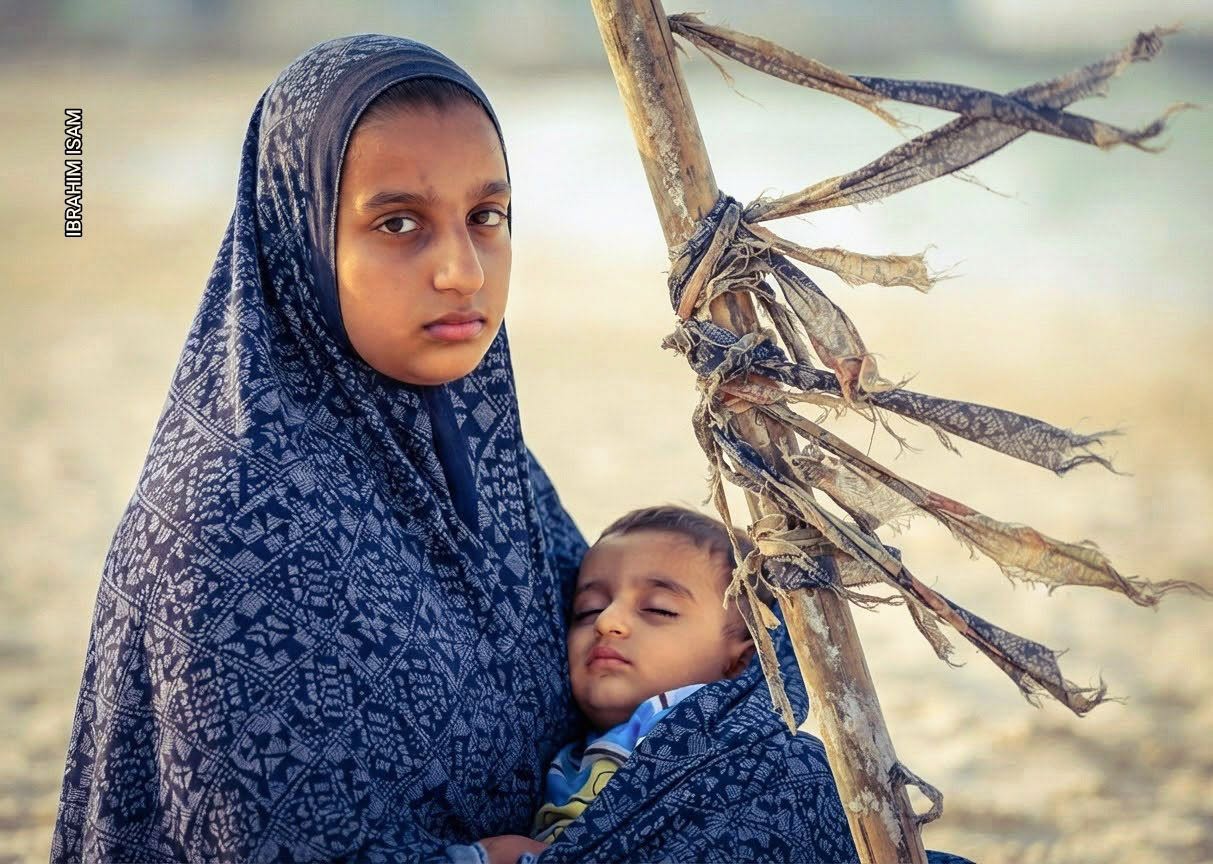
Through persistent, systematic, and widespread targeting of the Gaza Strip’s water sources and desalination plants, Israel is using water as a weapon against Palestinian civilians. In addition to imposing famine, Israel is deliberately reducing the amount of water available to residents of the Strip—especially potable water sources—intentionally targeting the over 2.3 million people who live there as part of its genocide, ongoing since last October. 

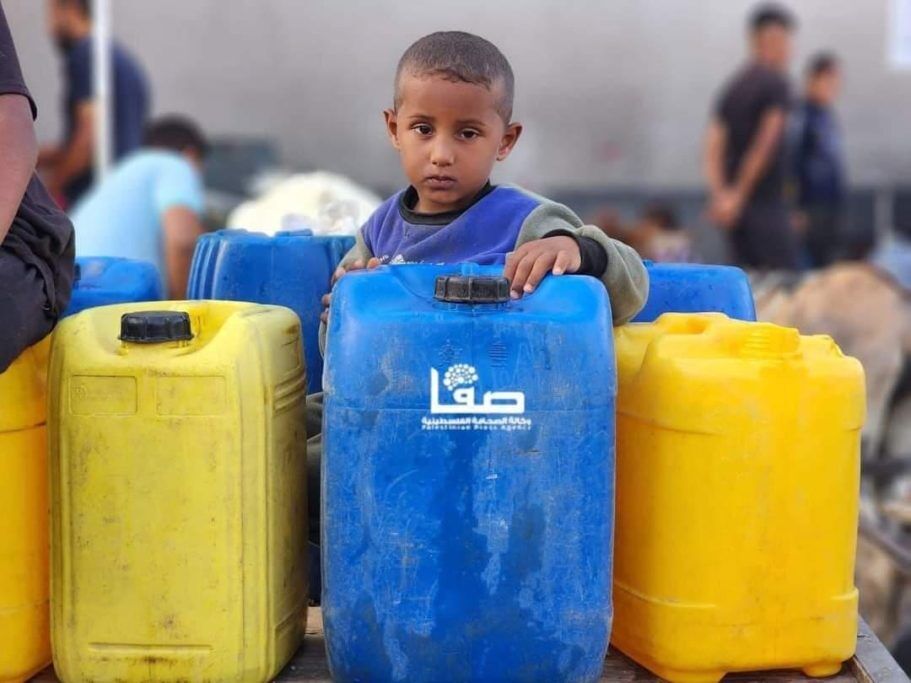
On Monday, July 1, the Euro-Med Monitor field team observed significant damage to a desalination plant in the Al-Zaytoun neighbourhood, south of Gaza City, as a result of direct Israeli targeting. This also resulted in the killing of a young man who was filling a gallon with water, plus the wounding of other individuals. The station, which provided services to at least 50,000 people in several nearby residential neighbourhoods, sustained significant damage after being bombed by the Israeli army with a GBU missile that broke through multiple stories and detonated on the ground floor.

As summer temperatures rise, the people of the Gaza Strip are facing significant challenges in accessing water. Estimates show that since October of last year, the per capita share of water in the Gaza Strip has decreased by 97% due to the extensive destruction of water infrastructure by Israel. Therefore, as a result of the genocide, the per capita share of water in the Strip has decreased to between 3 and 15 litres per day, while in 2022 it was approximately 84.6 litres per day.

In view of the ongoing crimes against the Palestinian people that deprive them of necessities for survival—such as the destruction of over 700 wells and water desalination plants since the start of the genocide—all areas of the Gaza Strip are experiencing a shortage of water, and the sewage system is collapsing. Meanwhile, certain areas of the Strip are suffering from a shortage of fuel, which Israel forbids from entering the Strip, despite the large number of casualties—including children—caused by infectious diseases and epidemics that spread through the accumulation ofcontaminated water due to inoperative sewage stations.

Continued destruction and devastation by the Israeli army is rendering the Gaza Strip unlivable, particularly after the army’s destruction of 9 out of 10 water tanks and half of the water networks, or 350 km out of 700 km.

Additionally, as a result of the crimes and arbitrary policies of Israel, all six wastewater treatment plants have been disrupted, approximately 65 sewage pumps stopped, and 70 km of sewage networks destroyed. This has resulted in the unchecked disposal of wastewater, estimated to be around 130 thousand cubic metres per day, onto Gaza Strip roads and shelters for displaced people.

According to United Nations estimates, about 96 percent of the Strip’s population (2.15 million people) faces high levels of acute food insecurity. While the whole territory is classified in Emergency (IPC Phase 4), over 495,000 people (22 per cent of the population) are still facing catastrophic levels of acute food insecurity (IPC Phase 5). In this Phase, households experience an extreme lack of food, starvation, and exhaustion of coping capacities.

Euro-Med Monitor warned last January that distress is engulfing Gaza City and the Strip’s northern regions in alarming ways—a result of Israel’s cutting off of the water supply in the Strip, systematic and intentional Israeli bombing of water sources and wells, and a lack of fuel required to run water conversion and distribution facilities.

The lack of drinking water in the Gaza Strip has become a matter of life and death, with residents currently being forced to drink unclean well water amid continued Israeli military attacks and lack of food, water, and fuel supplies.

The excessive consumption of undrinkable salt water leads to high blood pressure; kidney disease; increased risk of stroke, intestinal, and stomach diseases; constant vomiting; and diarrhoea. These effects willultimately result in excessive dehydration of the body’s tissues, particularly brain tissue. 

Euro-Med Monitor conducted an analytical study last December month that included a sample of 1,200 people in the Gaza Strip in order to ascertain the impact of the humanitarian crisis experienced by residents of the enclave in the midst of Israel’s genocidal war.

According to the study, the rate of access to water in the Strip, including drinking, bathing, and cleaning water, is just 1.5 litres per person per day. This is 15 litres less than the minimum amount of water required for survival at the level required by international standards.

International humanitarian law forbids attacks, destruction, or disruption of vital facilities necessary to the survival of the civilian population, such as drinking water facilities and networks. International humanitarian law also strictly prohibits the use of starvation as a weapon; as an occupying power, Israel is obligated under international humanitarian law to provide basic needs and protection to the Palestinianpeople of the Gaza Strip.

The Rome Statute of the International Criminal Court provides that intentionally starving civilians by “depriving them of objects indispensable to their survival, including willfully impeding relief supplies” is a war crime.

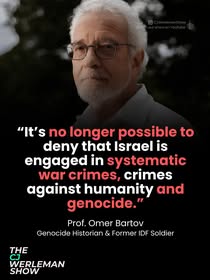
Israel has been committing acts of genocide against the civilian population of the Gaza Strip since 7 October 2023 according to the Rome Statute of the International Criminal Court, the Convention on the Prevention and Punishment of the Crime of Genocide, and pertinent international judicial rulings. Israel’s egregious crimes include depriving the civilian population in the Strip of enough potable water, which has caused serious, intentional harm and trapped them in living conditions meant to destroy them.

The above is a report on the catastrophic water situation in the Gaza Strip by the EuroMediterranean Human Rights Monitor.

CrossFireArabia

CrossFireArabia
Dr. Marwan Asmar holds a PhD from Leeds University and is a freelance writer specializing on the Middle East. He has worked as a journalist since the early 1990s in Jordan and the Gulf countries, and been widely published, including at Albawaba, Gulf News, Al Ghad, World Press Review and others.

Related Posts

Occupied Palestinian Territories in Crisis

The Occupied Palestinian Territory is facing a severe humanitarian crisis, with both Gaza and the West Bank experiencing unprecedented levels of violence and deprivation.

In Gaza, following the collapse of a brief pause in hostilities in March 2025, Israeli forces resumed intensive bombardment while maintaining a complete blockade that has now entered its eighth week, preventing all humanitarian aid and commercial supplies from entering.

This has left Gaza’s 2.2 million residents facing starvation as food stocks deplete, bakeries cease operations due to lack of flour and fuel, and nearly 90% of the population remains displaced with critical infrastructure almost entirely destroyed.

A new U.S.-backed peace plan led to a pause in hostilities agreement coming into effect on 10 October 2025, raising cautious hopes for increased humanitarian access and a potential reduction in hostilities after months of relentless violence. However, despite the pause in hostilities, sporadic violations, limited aid entry, and continued displacement highlight the fragility of the pause in hostilities and the deep humanitarian strain that persists across Gaza.

Meanwhile, the West Bank has seen a dramatic escalation in military operations, particularly since the launch of “Operation Iron Wall” in January 2025, which has resulted in mass displacement of Palestinians and widespread destruction across refugee camps. Israeli forces have displaced approximately 40,000 people, with officials stating that residents will not be allowed to return for at least a year, while expanded checkpoints and military presence severely restrict movement between Palestinian cities.

International organisations and UN bodies have expressed increasing concern about systematic violations of international humanitarian law in the West Bank, including accelerating settlement expansion, land reclassification and forced displacement that multiple observers warn are driving de facto annexation dynamics.

These concerns have intensified following the International Court of Justice’s 2024 advisory opinion on the illegality of the prolonged occupation and the Israeli authorities’ security cabinet decisions of 8 February 2026 expanding civil and administrative control over West Bank land and governance.

Reliefweb

Continue reading
Palestinian Journalists Under Attack – 55 Israeli Violations in May

The Palestinian Journalists Association (PJA) announced, Monday, it documented 55 violations by Israeli occupation soldiers against Palestinian journalists in last May. It described such violations are part of a  systematic policy to restrict and prevent West Bank and Gaza journalists to carry out their professional duties.

The PJA’s Freedoms Committee said in a press statement to Quds Press the Israeli occupation continues its violations against journalists and media workers to limit their ability to report the truth and document attacks and violations against Palestinians.

The documented violations during May included two injuries from live ammunition while covering events in the field, two arbitrary arrests, and 30 cases of detention and prevention from working and covering events.

The committee also recorded five cases of direct gunfire directed at journalists, five attacks using tear gas and stun grenades, in addition to two cases of confiscation of journalistic equipment and two cases of physical assault on journalists.

The violations include two cases of journalists being barred from covering news at the Al-Aqsa Mosque compound, one of a media outlet being raided and shut down, another of a journalist being brought before a court and three cases of journalists summoned and interrogated.

The committee affirmed that these practices constitute a flagrant violation of international humanitarian law, the Geneva Conventions, and international covenants on freedom of opinion and expression, which stipulate the protection of journalists while performing their professional duties in conflict zones.

It added that the escalating targeting of journalists reflects a systematic approach aimed at restricting media coverage and preventing the dissemination of information about the reality and violations suffered by the Palestinian people. The committee noted that the occupation continues to use various means to suppress media work and obstruct the public’s access to information.

The Committee for Freedoms called on international human rights and media organizations, as well as the United Nations, to uphold their legal and moral responsibilities, pressure the occupation authorities to cease their ongoing violations against Palestinian journalists, hold those responsible accountable, and provide the necessary protection for media workers.

The PJA announced last May it documented nearly 300 Israeli crimes, violations, and attacks against Palestinian journalists since the beginning of 2026 and the trend is set to continue judging from the scale of esclation against media workers.

The press association indicated at the time the number of journalists killed reached 262 since the outbreak of the war on the Gaza Strip in October 2023, including 261 journalists murdered in the Gaza Strip, in addition to six journalists killed since the beginning of 2026.

This comes at a time when Israeli attacks against Palestinians continue in various areas, amid increasing complaints about the targeting of journalists, the obstruction of their work, and the prevention of their coverage of events on the ground and their reporting to the public.

Continue reading

You Missed

Occupied Palestinian Territories in Crisis

Occupied Palestinian Territories in Crisis

Palestinian Journalists Under Attack – 55 Israeli Violations in May

Palestinian Journalists Under Attack – 55 Israeli Violations in May

Jordan Footballers Delighted For World Cup Matches

Jordan Footballers Delighted For World Cup Matches

World Cup: Trump, Political Footballing and Iran – A View From Amman

World Cup: Trump, Political Footballing and Iran – A View From Amman

A Red Flower And a Little Love

A Red Flower And a Little Love

Diving in a War Zone

Diving in a War Zone