How Can We Protect The ICC?

The coordinated actions to dismantle the International Criminal Court (ICC) and hinder its jurisdiction are deeply troubling and signal a dangerous path forward. This trend has become apparent with Venezuela and Chad announcing plans to withdraw from the Rome Statute. This occurs alongside clear US incitement efforts against the Court, including sanctions on its officials, and the European state parties’ lack of substantial action on arrest warrants for Israeli officials.

These actions risk undermining the international criminal justice system and depriving victims of international crimes of one of the few remaining accountability mechanisms, thereby entrenching impunity for perpetrators and providing political and legal cover for ongoing grave violations of international law.

Euro-Med Human Rights Monitor expresses deep concern over the Chadian government’s announcement that it has begun the process of withdrawing from the ICC. This comes shortly after Venezuela notified the United Nations of its withdrawal, following similar notifications from Niger, Mali, and Burkina Faso. These actions indicate a concerning trend of countries moving away from the Rome Statute, both within and outside Africa.

Chad plays a crucial role in Darfur investigations because of its direct border with the region and its large refugee, survivor, and witness populations. It has also recently supported ICC teams in documenting crimes. Although Chad’s withdrawal does not legally remove the Court’s jurisdiction over Darfur crimes, it may significantly hinder access to victims and evidence and impede cooperative efforts.

Additionally, Venezuela’s decision is especially significant because it occurs during an active investigation by the Court into alleged crimes against humanity since April 2017. This investigation involves suspected state security forces, civilian authorities, and pro-government actors. There are serious concerns that the withdrawal might be used as a tool to hinder cooperation and reduce chances of holding accountable those responsible for the crimes under investigation.

Venezuela and Chad’s simultaneous withdrawal decisions, along with similar actions by other states, reveal a coordinated effort to weaken the Court through two main strategies. The first involves a fierce campaign led by the United States with Israeli backing, employing sanctions, threats, and public rhetoric to encourage states to withdraw. The second consists of internal weakening tactics by state parties’ governments, such as withdrawing during investigations, ignoring cooperation duties, or selectively enforcing decisions while refusing to arrest or surrender wanted individuals.

Washington’s welcoming of Venezuela and Chad’s withdrawals on 25 and 27 July are part of a broader campaign, announced by US Secretary of State Marco Rubio on 13 July, aimed at dismantling the Court.

The successive withdrawals primarily harm the victims by limiting their access to justice, rather than penalising the Court as an institution. This situation gives perpetrators of international crimes more room for impunity, especially when there are no effective, independent national judicial alternatives.

The criticisms levelled at the ICC regarding slow procedures, selectivity in case handling, and limited outcomes, particularly concerning crimes committed outside Africa, are legitimate and demand serious structural reforms to strengthen the Court’s independence, efficiency, and consistency. However, addressing these shortcomings must not be done by dismantling or withdrawing from the Court, but by reforming it, enhancing its effectiveness, and ensuring it exercises its jurisdiction free from political interference or selectivity.

Past operational failures should not justify undermining the Court’s authority. The bias within the international justice system highlights the need to reform accountability mechanisms and broaden their scope, rather than weakening the few tools available to hold perpetrators of the gravest international crimes accountable.

Euro-Med Monitor points out the irony of the US administration exploiting African concerns about ICC selectivity while simultaneously intensifying its campaign against the international judicial system. This escalation is mainly due to the Court’s expanded reach to include officials in Israel, a key US ally.

Washington’s imposition of financial sanctions and travel restrictions on the ICC Prosecutor, judges, and deputy prosecutors due to their work on cases involving US and Israeli officials represents a blatant interference in the independence of international justice. These measures not only intimidate Court staff and block access to vital financial and technical resources but also discourage banks, corporations, organisations, and experts from cooperating, which hampers investigations, delays enforcement of decisions, and limits victims’ access to justice. Moreover, it sets a dangerous precedent that allows powerful states to penalise international justice whenever it targets their officials or allies, thereby broadening impunity.

On 21 November 2024, the ICC Pre-Trial Chamber I issued arrest warrants for Israeli Prime Minister Benjamin Netanyahu and former Defence Minister Yoav Gallant, after judges found reasonable grounds to believe they are criminally responsible for war crimes and crimes against humanity in the Gaza Strip.

Both arrest warrants remain in effect and must be obeyed by the parties involved. The argument that the Court lacks jurisdiction because Israel is not a signatory to the Rome Statute is unfounded, as jurisdiction is based on crimes committed within the territory of the State of Palestine, a member state. This covers the Gaza Strip, the West Bank, and East Jerusalem. Therefore, Israel’s non-acceptance of the Rome Statute does not exempt its officials from accountability for crimes allegedly committed on the land of a party state.

The fact that Greece, Italy, and France permitted a government aircraft carrying Israeli Prime Minister Benjamin Netanyahu to fly through their airspace during his recent trip to the United States, despite all three being state parties to the Rome Statute and aware of the active arrest warrant against him, raises serious questions about whether this conduct aligns with their legal duty to cooperate in good faith with the Court and to refrain from undermining its decisions.

Granting prior airspace transit was not compulsory for these states; it was a sovereign choice they could refuse. This decision allowed an individual wanted by the International Criminal Court on suspicion of war crimes and crimes against humanity to pass, which undermines the purpose of the arrest warrant. It also highlights a contradiction: while these states publicly support legal obligations, their actions of helping wanted persons evade arrest contradict their stated commitments.

The European Union’s political backing for the Court diminishes in credibility and practical value when member states allow a judicially wanted official to transit through their territories, instead of denying transit permissions and using their authority to prevent their territories from being used to evade arrest warrants.

Euro-Med Monitor emphasises that Greece, Italy, and France need to give clear legal reasons for granting transit permissions. It is essential to adopt strict, clear protocols to prevent facilitating the movement of wanted persons and ensure their rapid arrest and surrender to the Court if they enter or land in these countries, in line with their obligations under the Rome Statute.

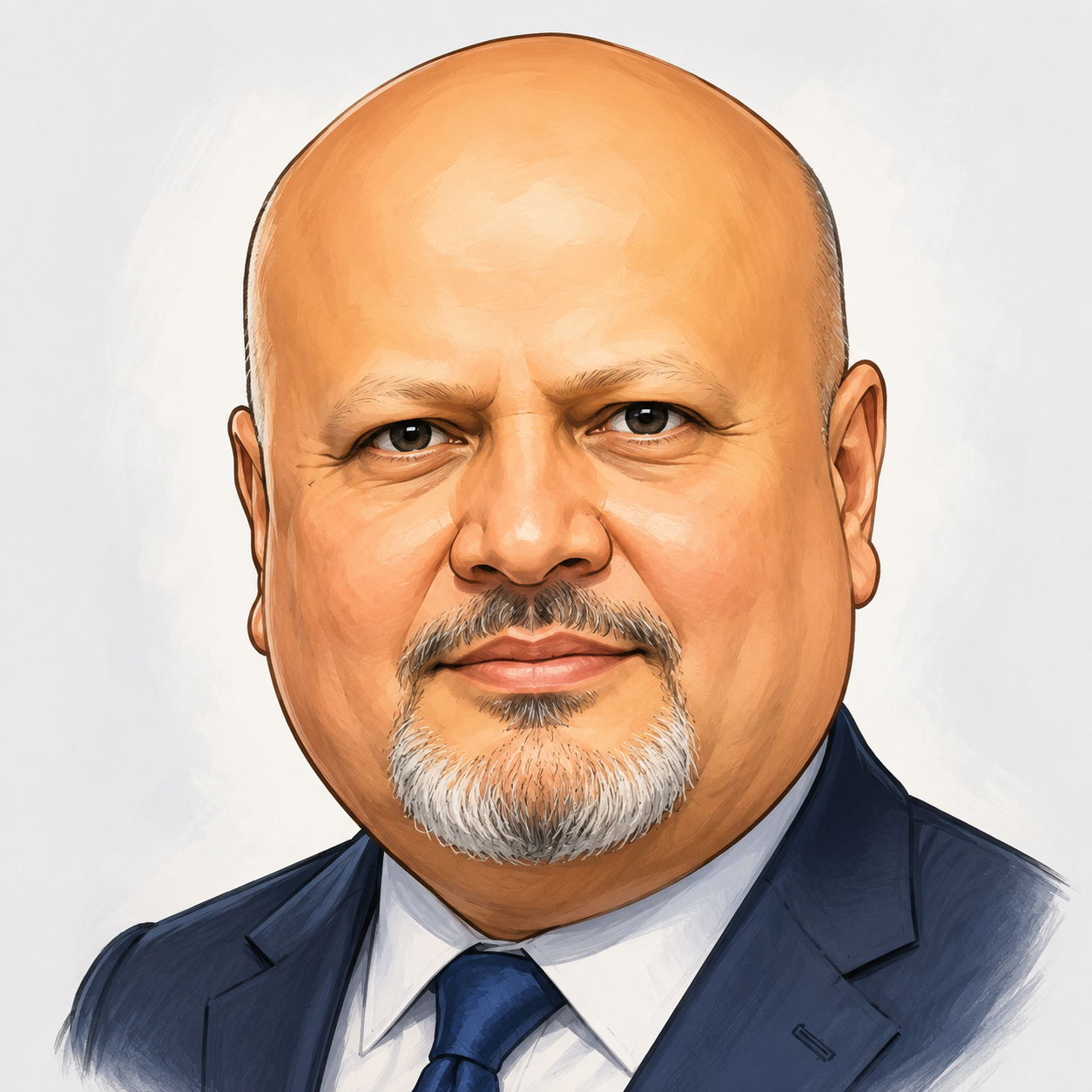
It is important to clearly separate proceedings related to the ICC Prosecutor Karim Khan’s personal and professional conduct from the Court’s judicial decisions. The process of dismissing or investigating Khan is a separate institutional matter and does not affect the legality of the arrest warrants.

Holding any Court official accountable for misconduct, when proven through independent, fair procedures that ensure the rights of all involved parties and safeguard whistleblowers and victims, is an institutional obligation that upholds the Court’s integrity without threatening its independence. Using individual accountability as a reason to discredit ongoing investigations or nullify independent judicial rulings is unacceptable.

Euro-Med Monitor rebukes any attempts to leverage Khan’s case to challenge the investigation into the situation in Palestine or the arrest warrants for Netanyahu and Gallant. The warrants were not issued by the Prosecutor in his personal capacity, but by an independent Pre-Trial Chamber that determined, following an evaluation of prosecution submissions, that there were reasonable grounds to believe both individuals bear criminal responsibility for crimes within the Court’s jurisdiction. Consequently, the enforceability and legal validity of the warrants do not depend on Khan remaining in office.

The removal of the Prosecutor does not disrupt the Court’s legal or institutional continuity, nor does it invalidate ongoing investigations or active arrest warrants, including those related to Palestine and Venezuela. Additionally, it does not absolve state parties from their obligation to cooperate fully with the Court and enforce its judicial orders.

A transparent, independent, and competitive process is crucial for selecting a new Prosecutor. This process should be based on clear public criteria for competence, integrity, and experience, ensuring candidates undergo rigorous professional and ethical assessments. It must also shield the selection from political influence and conflicts of interest. The Court must guarantee continuous progress on all cases without delays or bias, avoiding the transitional period being used to disrupt investigations or expose them to pressure from the US and Israel, which could undermine accountability.

Concerning the legal consequences of the withdrawals, notifications from Chad and Venezuela to begin withdrawal procedures do not cause an immediate departure from the Rome Statute. Article 127 states that a withdrawal becomes effective one year after the UN Secretary-General receives written notification, unless a later date is specified. Until that time, both countries remain state parties with legal obligations, including cooperating with the Court and fulfilling its requests.

Venezuela’s withdrawal, even after it takes effect, does not remove the Court’s jurisdiction over crimes committed while the Rome Statute was in force for the country. It also does not end ongoing investigations or cancel cooperation obligations related to proceedings started before the withdrawal became effective. Similarly, Chad’s withdrawal does not impact the Court’s jurisdiction over Darfur crimes or disrupt cooperation processes initiated during its membership. Withdrawal does not erase individual criminal responsibility nor stop the Court from considering issues submitted before it officially took effect.

Chad, Venezuela, Niger, Mali, and Burkina Faso should reverse their withdrawal decisions, retract their notifications before they become effective, uphold their legal commitments, and collaborate with other States Parties to reform the Court and address operational issues, rather than undermining the international criminal justice system and depriving victims of one of the few accountability tools available.

Concerned states should fully cooperate in relevant cases and investigations. This includes allowing Court investigators access to victims, witnesses, information, and evidence, while ensuring the protection of victims and witnesses and the preservation of evidence. States must also avoid using withdrawal procedures that could hinder investigations or reduce accountability for international crimes within the Court’s jurisdiction.

The United States should stop its efforts to dismantle the Court and lift any financial sanctions and travel restrictions imposed on its judges, prosecutors, and associates. EU member states and other allies need to work together to implement legal, financial, and technical strategies that protect the Court and its personnel from sanctions and political influence, so it can continue to utilise the necessary services and resources to fulfil its responsibilities.

European state parties to the Rome Statute should turn their support for the Court into tangible actions by refusing to accept wanted individuals or allow their transit through their airspace. They must also ensure the arrest and surrender of such individuals on their territories, adhering strictly to legal obligations, including executing arrest warrants for Netanyahu and Gallant without bias or political influence.

Euro-Med Monitor calls on state parties to review national legislation and adopt clear, binding protocols for executing arrest and surrender requests, as well as for handling transit, landing, and official visit requests by wanted individuals, thereby preventing procedural loopholes from being exploited to protect them.

It is vital to persist in investigating the situation in the State of Palestine, covering crimes in the Gaza Strip, the West Bank, and East Jerusalem. This includes executing arrest warrants for Netanyahu and Gallant without bias or political influence and rejecting any efforts to interfere with or alter the investigation’s direction or priorities.

Euro-Med Monitor calls on the Assembly of States Parties to ensure a transparent, independent, and competitive process for choosing and electing the new Prosecutor. This process should be based on published criteria for competence, integrity, and experience, with candidates undergoing comprehensive professional and ethical evaluations. It is also essential to disclose the selection procedures, prevent political interference and conflicts of interest, and thereby protect the independence of the Prosecutor’s Office. These measures are vital for maintaining the trust of victims and Court staff, and for ensuring ongoing investigations.

National judicial authorities should invoke universal jurisdiction as per their national laws, initiating independent investigations into international crimes and prosecuting suspects when jurisdiction is applicable. This approach broadens accountability opportunities beyond just the International Criminal Court. Euromedmonitor
Continue reading
Kareem Khan – Chronology of a Scandal: A View From Amman

By Saleem Ayoub Quna

Another somber episode in the ongoing Middle East saga is about to be quietly scrapped by manipulative overt hands and emerging developments, that are no less than disappointing!

The story of the main character of this episode began long time ago in Edinburgh, Scotland, in 1970, when a child was born to a dermatologist Scottish mother and a Pakistani father of the same trade!

The child was named Kareem Asad Ahmad Khan, who grew up to educate himself in Law, later to pursue a judicial career, until he landed as top job in The Hague, the Netherland, in 2021, and eventually becoming the Chief Persecutor of the International Criminal Court (ICC).

It was at this juncture that he replaced Ms. Fatou Bensouda, a lady of Gambian origin, who was seeking to investigate the never-ending tragic situation in Gaza and the West Bank under the Israeli military occupation.

Scuffle With Mossad

Bensouda stepped down after 17 years of service at the ICC, including the last nine years as Chief Prosecutor. On her point of departure, she made it clear that the Israeli head of intelligence, Yossi Cohen, met her more than once and told her to drop the charges she was making against Israel’s actions in the two Palestinian territories, but she would not bow, until she officially resigned on 15 June, 2021.

And so since the beginning of his new appointment the new chief prosecutor, and like his predecessor, Khan was charged of continuing to investigate cases, situations and/or individuals suspected of offenses such as genocide, war crimes, crimes against humanity and aggression, where and whenever, they occurred, whether in Ukraine, Darfur, Belarus, Afghanistan or in Gaza and which indeed become his nightmare, magnified by an Israeli genocide on all accounts that began on 7 October 2023 and lasted for 2 years, 9 months and more, and was declared ‘De Jure’ in October 2025.

No one warned Mr. Khan that he was stepping into a thick minefield, or if they did, he would only listen to his heart and conscience! For that, he must have been bracing for the worse, for himself, and probably for the thousands of war victims he was investigating.

The war in Gaza led to the death and injury of hundreds of thousands of Palestinians, (nearly 75,000 dead and more than 200,000 injured), whereas for the Israelis, they suffered 1200 dead and at least over 5000 injured.

So, in May 2024, Khan adopting a “balanced” position despite the flagrant disparity between the two sides on all levels, announced the arrest warrants for five main individuals directly involved in Gaza war: Israeli Prime Minister Benjamin Netanyahu and his Defense Minister Yoav Gallant, and the top three leaders in Hamas: Yehya Sinwar, Mohammd Dief and Ismail Haniyeh.

Days after the issuance of these arrest warrants, the name of a certain local female employee (known only as Sarah) suddenly popped up at the ICC, as the alleged victim of sexual harassment at the hands of non-other than the honorable Chief Prosecutor, Kareem Khan!

In an orchestrated follow up, the US Treasury Department in February 2024 imposed sanctions on Khan, after President Donald Trump sanctioned the ICC judges for issuing the said arrest warrants against Netanyahu and Galant.

And in May 2025 Khan stepped down as Chief Prosecutor due to the said allegations of sexual misconduct, and was suspended pending a vote by the state members of the ICC.

In July 2026 Khan was ousted from his post as 82 out of 125 ICC member states voted, in secret, in favor of his dismissal!

As for the Palestinian leaders who were also involved in that war, Israel took things in their hands and ended the life of the three Hamas leaders: Mohammd Deif was killed in Khan Younes on 13 July 2024, Yehya Sinwar killed in the same city on 16 October, 2024 and Ismael Haniyeh was assassinated in faraway Tehran on 31 July, 2024.

The question now is whether the candidate for the Chief Prosecutor post at the ICC, will follow suit in the footsteps of his two predecessors, regarding the unfinished business of atrocities and war crimes around the globe, or will he/she be somebody of a new breed of international prosecutors?

Soon we may have a clue! But personally, I am not optimistic!

Continue reading
Gaza, Srebrenica: Two Genocides Years Apart

Israel Turns Gaza Into a Death ‘Srebrenica’ Camp

Israel is legitimising and enforcing a systematic pattern of geographic siege on Gaza, extending beyond a comprehensive blockade to include forcible internal confinement. This traps Palestinians within a small, devastated area under conditions more severe and crowded than those in the Srebrenica enclave before its fall in 1995, when genocide occurred according to the Euromedmonitor.

The Srebrenica genocide serves as a clear historical warning about the deadly impact of besieging civilians and depriving them of protection and essentials for life, particularly when these actions are part of systematic behaviour that is a core component of ongoing genocide, as seen in Gaza the Euro-Mediterranean Human Rights Monitor added.

On the eve of Srebrenica’s fall in 1995, nearly 40,000 people were besieged within a roughly 150 km². Meanwhile, for most of Gaza’s approximately 2.1 million residents, the remaining habitable area has shrunk to just about 128 km².

Geographically and demographically, Gaza is now limited to an area about 15 per cent smaller than Srebrenica, but with a population over 50 times larger and a density roughly 60 times higher, all amidst rubble, waste, and a severe lack of basic living conditions.

Changing Gaza’s Landscape

Israel is changing the demographic and military landscape of the Gaza Strip by increasing its de facto control and imposing severe restrictions on roughly 65 per cent of the enclave. This action deprives over two million residents of essential resources, prevents their return to their lands and homes, and makes large parts of Gaza prohibited zones under Israeli military control. These measures effectively amount to an unlawful annexation and seizure of land the Geneva-based organization.

Israeli Prime Minister Benjamin Netanyahu’s announcement to expand military control over 70 percent of Gaza highlights an aim to further settler colonialism and expel the area’s native Palestinians, as this plan would leave only about 109 km² for residents. If this occurs, the per capita share of the remaining space would decrease to approximately 52 m², and the population density would increase to about 19,300 people per km², which is roughly 72 times higher than the density in Srebrenica in 1995.

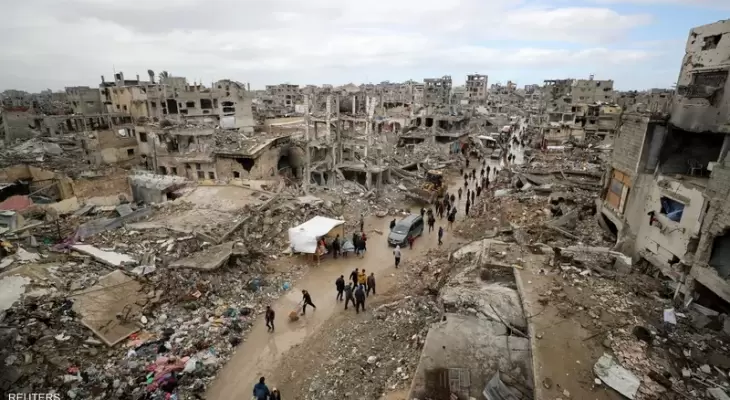
Although the numerical figures on population density are alarming, they do not fully reflect the harsh reality of the suffocating overcrowding residents face in the Gaza Strip. Much of the remaining land has been intentionally rendered uninhabitable through systematic destruction. This area is overwhelmed with large amounts of rubble from homes and civilian objects. It is filled with destroyed infrastructure and blocked roads, hindering movement, access, and humanitarian efforts. Additionally, waste, war remnants, water source contamination, sewage network collapses, and exposed land devoid of shelter or safe displacement sites further worsen the situation.

In addition to severe overcrowding, most residents live in either worn-out tents, which offer no shelter from summer heat, winter cold, or rain, or in heavily damaged houses that could collapse at any moment. These structures are at risk due to ongoing Israeli bombardments or natural elements like wind and rain the human rights organization goes on to say.

This situation poses numerous risks to hundreds of thousands of families, such as buildings collapsing on residents, fires erupting in overcrowded tent camps, and the spread of diseases due to poor sanitation, ventilation, and lack of clean water. It also deprives them of privacy and safety, particularly affecting women, children, and the elderly, as there are no safe housing options that could help residents escape this extreme overcrowding.

The residents of the Gaza Strip face a reality that deliberately subjects them to conditions intended to undermine the Palestinian population, either partially or entirely. This includes measures such as deportation or forced transfer, with efforts to legitimise and promote this displacement internationally under misleading terms like “freedom of movement” or “voluntary emigration.”

The ongoing killings, military operations, siege, and denial of sufficient food exemplify systematic actions that undermine civilian life. These include widespread destruction of civilian infrastructure, effective denial of return, military seizure of large land areas, restrictions on access to medical, health, and educational services, obstruction of reconstruction, and forcing residents into areas lacking basic survival needs. Collectively, these practices convert any choice into a consequence of physical and psychological coercion by Israeli authorities. Any departure of residents from the Gaza Strip under these conditions therefore cannot be regarded as voluntary but falls under forced displacement, which is prohibited under international law.

The attempts to forcibly transfer the population are a direct continuation of Israel’s settler-colonial approach, which has persisted for decades and is based on policies aimed at erasing Palestinian history, space, and demographics, along with the systematic seizure of land. This phase is characterised by its rapid pace and broad scope, aiming to reach over two million people suffering from ongoing genocide. These individuals have been deprived of legal protection and basic survival means for nearly three years.

These systematic coercive measures, along with the dehumanisation they entail, are deliberately designed to force residents into a stark choice: either face physical extermination or be forced out of their homeland. This is not a voluntary decision, but a compulsory condition for survival, highlighting the Gaza Strip situation as a well-documented example of mass deportation and forcible transfer in modern legal history.

Fourth Geneva Convention

The international community and all states must unequivocally oppose any plans to depopulate Gaza or force residents to leave using misleading terms like “voluntary emigration” or “freedom of movement.” Such population movements, without safe options and under ongoing physical and psychological pressure, are not genuinely voluntary but are crimes of forced displacement. These are prohibited by the Fourth Geneva Convention and the Rome Statute of the International Criminal Court. When this act occurs during an ongoing genocide, it triggers all states’ responsibilities to prevent and stop the crime, avoid recognising any illegal situation resulting from it, abstain from helping or supporting its continuation, and work together to end it and ensure those responsible are held accountable.

All states must implement prompt and effective punitive actions against Israel instead of merely issuing condemnation statements or broad calls. This includes applying diplomatic, economic, and military sanctions; suspending any agreements, privileges, or cooperation that enable ongoing crimes or provide political cover; enforcing a comprehensive embargo on the supply, transfer, purchase, or import of weapons, munitions, equipment, and military and security technology; freezing the assets of involved Israeli officials; and imposing travel bans on them. Maintaining normal relations with a state that commits genocide and forced displacement, or providing it with weapons, political, and economic support, can be seen as contributing to the ongoing unlawful situation. This may also violate states’ obligations to prevent and stop the crime and to avoid aiding or assisting in its commission.

The international community must act swiftly and decisively to dismantle Israel’s illegal system of control, detention, and apartheid over Palestinians, including those in the Gaza Strip. This involves forcing an immediate end to its military presence; removing barriers, buffer zones, and restricted areas that reduce the Strip’s land area and hinder residents’ access; and ensuring the prompt, unconditional return of displaced individuals to their original homes. These steps are essential to prevent de facto annexation, settler colonialism, and the forced displacement of Palestinians.

Euro-Med Human Rights Monitor urges immediate international action to lift the unlawful blockade on Gaza and establish safe, sustainable humanitarian access. This includes opening UN-supervised humanitarian corridors to allow the free flow of food, medicine, fuel, medical supplies, and shelter materials without arbitrary restrictions. The deployment of independent international monitors is crucial to verify compliance and ensure that aid and essential services are not used as tools of genocide.

Additionally, donors, states, and international organisations should move beyond merely managing the disaster through temporary relief. They need to act immediately to offer safe, dignified shelter solutions for residents, including permitting shelter materials and essential supplies to enter without restrictions, and urgently repairing health facilities, water and sewage networks, and critical infrastructure. A genuine path toward reconstruction cannot exist without lifting the blockade, ending Israeli restrictions on materials and equipment entry, ensuring residents can return to their areas, and stopping the ongoing destruction of civilian structures.

Reconstruction efforts should not replace accountability or serve to normalise the consequences of the Israeli crimes. Instead, it must compel Israel to take legal responsibility for the extensive destruction and ensure victims’ rights to reparation, compensation, and the restoration of safe living conditions on their land.

States with universal jurisdiction courts must issue arrest warrants for Israeli political and military leaders involved in the ongoing genocide and initiate legal proceedings to fulfil their international legal obligation to prosecute serious crimes and combat impunity. They must also hold accountable their citizens found to have committed violations against Palestinians, in line with their national and international legal obligations and within their territorial or personal jurisdiction.

Relevant UN agencies should urgently conduct an independent assessment of the Gaza Strip to identify the areas that are truly safe for habitation and human use. This will reveal the Israeli misrepresentation that considers nominal geographic zones as habitable. Euro-Med Monitor emphasises the importance of legally and practically distinguishing between the theoretical geographic regions still available to residents and the zones genuinely suitable for living or for safe displacement centres, which must be free of rubble, environmental and health risks, unexploded ordnance, and war remnants, EuroMed concluded.

Continue reading
Israel Sprays South Lebanon With Poison

The Israeli army’s spraying of chemical substances over vast agricultural areas in southern Lebanon and Syria is deeply alarming. The deliberate targeting of civilian farmland violates international humanitarian law, particularly the prohibition on attacking or destroying objects indispensable to civilian survival. Large-scale destruction of private property without specific military necessity amounts to a war crime and undermines food security and basic livelihoods in the affected areas.

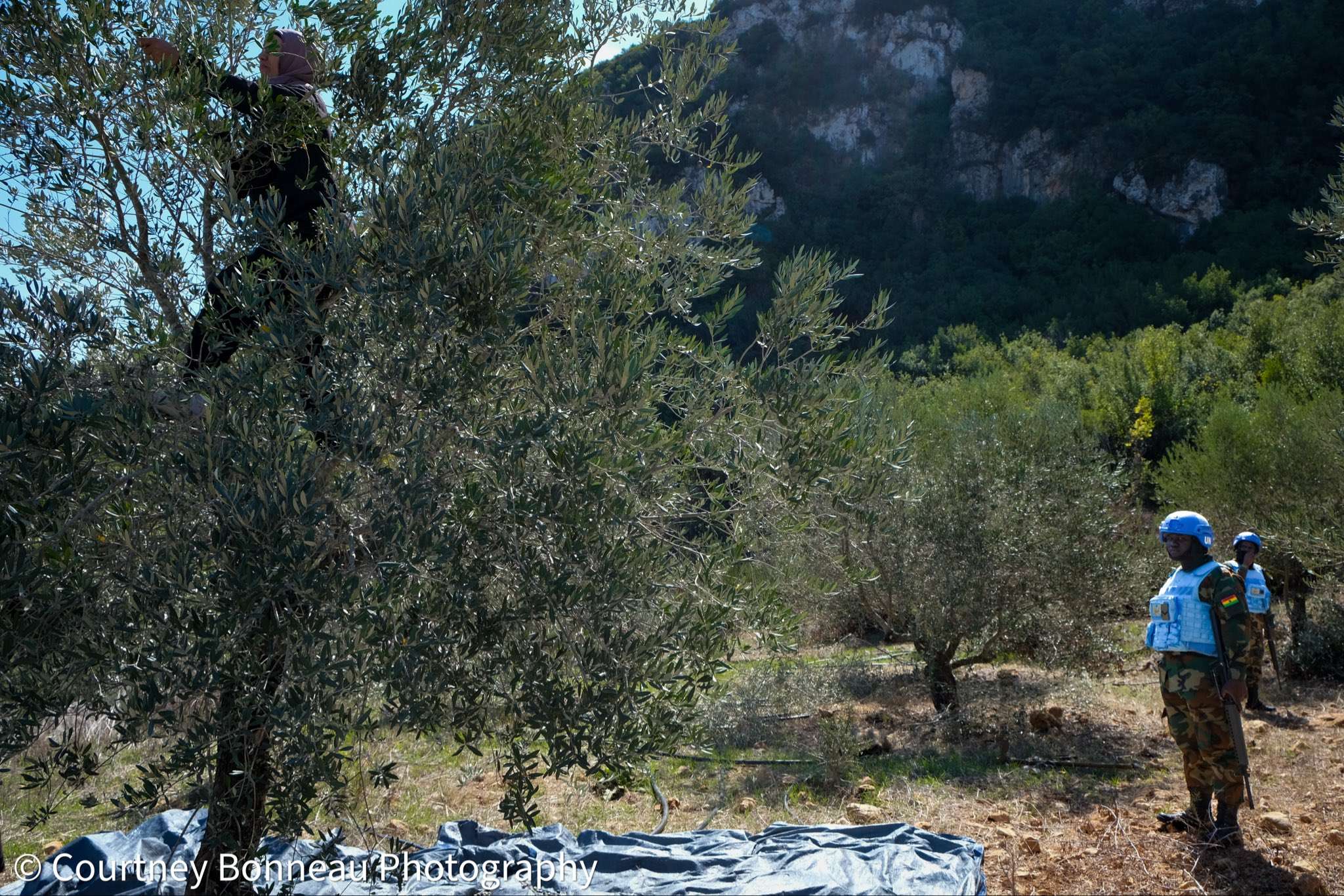
On the morning of Sunday, 1 February 2026, the United Nations Interim Force in Lebanon (UNIFIL) received notice from the Israeli army of planned aerial activity near the Blue Line and was asked to remain inside shelters. The alert disrupted the mission, leading to the cancellation of more than 10 field activities and the suspension of routine patrols along one-third of the line for over nine hours.

During the period in which international forces were forced to remain inactive, Euro-Med Human Rights Monitor documented Israeli aircraft spraying chemical substances over extensive agricultural areas, particularly in the town of Ayta ash-Shaab and its vicinity in southern Lebanon. This raises the risk of consequences beyond immediate crop damage, posing a serious threat to the rights to health and a safe environment through potential long-term contamination of soil and water resources.

The announcement by Lebanese Environment Minister Tamara Elzein that specialised teams had been dispatched to collect samples from the targeted sites for laboratory analysis reflects official concern about the possible use of internationally prohibited or highly toxic substances.

This incident cannot be viewed in isolation from the scorched-earth policy pursued by the Israeli army. It forms part of a pattern of systematic destruction of agricultural land, including the burning of approximately 9,000 hectares during recent military operations using white phosphorus and incendiary munitions.

The deliberate targeting of the means of life violates the laws of war and appears intended to undermine the living security of residents in the south and render their areas uninhabitable, thereby forcibly displacing them.

Euro-Med Monitor also documented Israeli aircraft spraying pesticides of unknown composition over farmland in the countryside of Quneitra in southern Syria on Monday and Tuesday, 26 and 27 January 2026. The direct targeting of civilian objects caused widespread crop destruction, posing a serious threat to economic and food security and violating farmers’ rights to work and to an adequate standard of living by destroying their primary sources of income without military justification.

The breach of territorial sovereignty and cross-border targeting of agricultural land constitute violations of the United Nations Charter and the principles of international law. The use of chemical substances of unknown composition, given their destructive effects on vegetation and their direct threat to public health, constitutes a grave breach of international humanitarian law, which prohibits methods or means of warfare that cause indiscriminate harm, unnecessary suffering, or widespread, long-term damage to the natural environment.

Such practices expose their perpetrators to international criminal accountability. Under Article 8 of the Rome Statute of the International Criminal Court, intentionally attacking civilian objects or destroying property without imperative military necessity constitutes a war crime. The use of chemical substances to devastate agricultural land satisfies the material elements of these crimes by inflicting widespread, long-term harm on the natural environment and the foundations of civilian life.

This conduct reflects a systematic operational pattern long implemented by Israel in border areas east and north of the Gaza Strip, where aerial spraying of lethal chemicals has been used to enforce buffer zones by destroying vegetation and dismantling the food basket, despite repeated international warnings about the catastrophic consequences for food security and public health.

Euro-Med Monitor previously documented similar attacks through a comprehensive evidentiary archive supported by laboratory analyses and expert testimony. The findings showed that the substances used were not conventional pesticides but highly toxic chemical compounds with destructive effects that are difficult to contain. The harm extended beyond seasonal crop loss to long-term contamination of soil and groundwater, damage to livestock, and the dismantling of environmental infrastructure, rendering the restoration of agricultural activity nearly impossible. Such conduct constitutes a compounded violation that strikes at the core of the rights to life and to a healthy environment.

Read within the broader context of continued military targeting of agricultural land with various munitions, these incidents reveal a systematic policy of destruction that exceeds any legitimate military objective. The approach appears intended to render agricultural areas uninhabitable by dismantling economic infrastructure and depriving residents of their fundamental means of livelihood. It amounts to collective punishment prohibited under international law and constitutes an unlawful method of pressure designed to create a coercive environment that drives forced displacement by stripping populations of the means necessary for stability and survival.

The international community, particularly the United Nations, must act immediately by establishing an independent fact-finding mission to collect samples from affected soil and crops in southern Lebanon and the countryside of Quneitra, subject them to thorough laboratory analysis, determine the chemical composition of the substances used, assess their toxicity, and evaluate any potential violation of the Chemical Weapons Convention or relevant international environmental protocols, thereby removing doubt about the nature of this targeting.

States Parties to the Geneva Conventions whose national legislation permits the exercise of universal jurisdiction must fulfil their legal obligations by initiating criminal investigations and prosecuting Israeli officials responsible for ordering environmental destruction and the use of weapons with indiscriminate effects. Such acts constitute war crimes and grave breaches not subject to statutes of limitation and require the activation of individual accountability mechanisms against those responsible, wherever they may be found.

The UN Security Council must issue a binding resolution condemning the grave Israeli crimes and consider the obstruction of UNIFIL’s work and its forced withdrawal during the violations a flagrant breach of Resolution 1701. Euro-Med Monitor stresses the need to guarantee farmers and landowners the right to fair compensation for the economic and environmental losses they have sustained, and to obligate Israel, as the aggressor, to bear the costs of land rehabilitation and the remediation of any long-term ecological damage resulting from this contamination.

The Lebanese and Syrian governments should submit formal declarations to the Registry of the International Criminal Court (ICC) under Article 12(3) of the Rome Statute, thereby accepting the Court’s jurisdiction over crimes committed on their territories.

Euro-Med Monitor emphasises that this step is now an urgent necessity to halt the continued policy of impunity and enable the ICC Prosecutor to initiate independent investigations into Israel’s attacks on civilian objects as war crimes whose consequences transcend national borders and threaten human security across the region. The announcement by Lebanese Environment Minister Tamara Elzein that specialised teams had been dispatched to collect samples from the targeted sites for laboratory analysis reflects official concern about the possible use of internationally prohibited or highly toxic substances.

This incident cannot be viewed in isolation from the scorched-earth policy pursued by the Israeli army. It forms part of a pattern of systematic destruction of agricultural land, including the burning of approximately 9,000 hectares during recent military operations using white phosphorus and incendiary munitions.

The deliberate targeting of the means of life violates the laws of war and appears intended to undermine the living security of residents in the south and render their areas uninhabitable, thereby forcibly displacing them.

Euro-Med Monitor also documented Israeli aircraft spraying pesticides of unknown composition over farmland in the countryside of Quneitra in southern Syria on Monday and Tuesday, 26 and 27 January 2026. The direct targeting of civilian objects caused widespread crop destruction, posing a serious threat to economic and food security and violating farmers’ rights to work and to an adequate standard of living by destroying their primary sources of income without military justification.

The breach of territorial sovereignty and cross-border targeting of agricultural land constitute violations of the United Nations Charter and the principles of international law. The use of chemical substances of unknown composition, given their destructive effects on vegetation and their direct threat to public health, constitutes a grave breach of international humanitarian law, which prohibits methods or means of warfare that cause indiscriminate harm, unnecessary suffering, or widespread, long-term damage to the natural environment.

Such practices expose their perpetrators to international criminal accountability. Under Article 8 of the Rome Statute of the International Criminal Court, intentionally attacking civilian objects or destroying property without imperative military necessity constitutes a war crime. The use of chemical substances to devastate agricultural land satisfies the material elements of these crimes by inflicting widespread, long-term harm on the natural environment and the foundations of civilian life.

This conduct reflects a systematic operational pattern long implemented by Israel in border areas east and north of the Gaza Strip, where aerial spraying of lethal chemicals has been used to enforce buffer zones by destroying vegetation and dismantling the food basket, despite repeated international warnings about the catastrophic consequences for food security and public health.

Euro-Med Monitor previously documented similar attacks through a comprehensive evidentiary archive supported by laboratory analyses and expert testimony. The findings showed that the substances used were not conventional pesticides but highly toxic chemical compounds with destructive effects that are difficult to contain. The harm extended beyond seasonal crop loss to long-term contamination of soil and groundwater, damage to livestock, and the dismantling of environmental infrastructure, rendering the restoration of agricultural activity nearly impossible. Such conduct constitutes a compounded violation that strikes at the core of the rights to life and to a healthy environment.

Read within the broader context of continued military targeting of agricultural land with various munitions, these incidents reveal a systematic policy of destruction that exceeds any legitimate military objective. The approach appears intended to render agricultural areas uninhabitable by dismantling economic infrastructure and depriving residents of their fundamental means of livelihood. It amounts to collective punishment prohibited under international law and constitutes an unlawful method of pressure designed to create a coercive environment that drives forced displacement by stripping populations of the means necessary for stability and survival.

The international community, particularly the United Nations, must act immediately by establishing an independent fact-finding mission to collect samples from affected soil and crops in southern Lebanon and the countryside of Quneitra, subject them to thorough laboratory analysis, determine the chemical composition of the substances used, assess their toxicity, and evaluate any potential violation of the Chemical Weapons Convention or relevant international environmental protocols, thereby removing doubt about the nature of this targeting.

States Parties to the Geneva Conventions whose national legislation permits the exercise of universal jurisdiction must fulfil their legal obligations by initiating criminal investigations and prosecuting Israeli officials responsible for ordering environmental destruction and the use of weapons with indiscriminate effects. Such acts constitute war crimes and grave breaches not subject to statutes of limitation and require the activation of individual accountability mechanisms against those responsible, wherever they may be found.

The UN Security Council must issue a binding resolution condemning the grave Israeli crimes and consider the obstruction of UNIFIL’s work and its forced withdrawal during the violations a flagrant breach of Resolution 1701. Euro-Med Monitor stresses the need to guarantee farmers and landowners the right to fair compensation for the economic and environmental losses they have sustained, and to obligate Israel, as the aggressor, to bear the costs of land rehabilitation and the remediation of any long-term ecological damage resulting from this contamination.

The Lebanese and Syrian governments should submit formal declarations to the Registry of the International Criminal Court (ICC) under Article 12(3) of the Rome Statute, thereby accepting the Court’s jurisdiction over crimes committed on their territories.

Euro-Med Monitor emphasises that this step is now an urgent necessity to halt the continued policy of impunity and enable the ICC Prosecutor to initiate independent investigations into Israel’s attacks on civilian objects as war crimes whose consequences transcend national borders and threaten human security across the region. Euro-Med Monitor

Continue reading
In Spite of Ceasefire Israel Kills 8 People Daily

Despite a month having passed since the ceasefire took effect in the Gaza Strip, Israel continues to commit genocide against Palestinian civilians through various means. It maintains conditions that devastate the lives of more than two million Palestinians and prevent any recovery from over 25 months of humanitarian catastrophe, in the midst of persistent international silence and failure to ensure protection and accountability.

Over the past four weeks, Euro-Med Monitor has documented the continued premeditated killing of Palestinian civilians by the Israeli army. An average of eight Palestinians are killed daily under the ongoing comprehensive blockade on the Gaza Strip, alongside a policy of deliberate starvation, deprivation of basic means of survival, obstruction of reconstruction, restrictions on movement, denial of medical treatment for the wounded and sick, and the deliberate hindrance of humanitarian aid. This situation represents a continuation of the ongoing crime of genocide against the population of the Gaza Strip.

The Israeli army continues to violate the ceasefire daily through aerial and artillery bombardment, gunfire, and the ongoing destruction of homes and buildings, particularly in the eastern areas of Khan Yunis and Gaza City. These actions form part of a systematic approach to eroding the foundations of life in the Gaza Strip and denying its residents their most basic rights, in clear violation of international law.

    Israel is exploiting the absence of international oversight to reshape the geographical landscape of Gaza, using the ceasefire as a cover to make areas under its direct military control effectively uninhabitable, both now and in the future   

Since the ceasefire took effect on 10 October, the Israeli army has continued to kill Palestinian civilians, with 242 Palestinians killed, including 85 children, at a rate of more than eight deaths per day, and around 619 others injured, at more than 20 injuries per day. This clearly shows that Israel has not ceased its policy of killing and systematically targeting Palestinians.

In the absence of any effective international monitoring mechanism to enforce the ceasefire, Israel continues to commit violations on the ground by excluding the areas it controls, which make up over 50 per cent of the Gaza Strip, from the scope of the agreement. It has continued to carry out bombing and destruction operations even in the absence of active fighting.

Israel is exploiting the absence of international oversight to reshape the geographical landscape of Gaza, using the ceasefire as a cover to make areas under its direct military control effectively uninhabitable, both now and in the future. Euro-Med Monitor stresses that these actions are not merely violations of the agreement, but in effect transform the truce into a tool for expanding control and inflicting comprehensive, long-term destruction.

Israel continues to administer a deliberate policy of starvation in the Gaza Strip, having blocked the entry of approximately 70 per cent of the aid required under the agreement. It also controls the type of goods allowed in, systematically restricting essential food items such as meat and dairy products while flooding the markets with calorie-dense but nutrient-poor products. This maintains the population in a state of controlled, chronic hunger, without addressing its causes or severe health consequences, and without visibly displaying the acute physical signs of malnutrition.

The World Food Programme stated in a report issued on 7 November that hunger in Gaza has reached devastating levels, noting a 20 per cent increase in child malnutrition rates compared to last year, along with a shortage of routine vaccinations for one in five children due to the collapse of the health system.

Israel continues to close the Rafah crossing and block movement in both directions, restricting the movement of civilians, including the wounded and sick, and hindering the implementation of the second phase of the ceasefire agreement.

These actions are not isolated incidents but part of a systematic pattern indicating a clear policy by the Israeli political and military leadership to use the ceasefire as a cover to continue genocide against Gaza’s residents. By maintaining a disguised military assault and perpetuating killing, starvation, and systematic destruction, Israel exploits the absence of international will to protect civilians and hold perpetrators accountable.

Euro-Med Monitor warns of a grave development: the dismantling of the Gaza Strip’s geographical unity, turning it into an isolated and uninhabitable area. This risks entrenching a permanent geographical and demographic division and pushing the population towards forced displacement as the only means of survival.

The continued silence of the international community and the failure to activate accountability mechanisms provide Israel with practical cover to continue committing genocide, albeit at a slower pace, as part of a consistent policy aimed at eliminating the Palestinian presence in the Gaza Strip.

The international community must take immediate practical steps to ensure genuine protection for Palestinian civilians, secure the full withdrawal of Israeli forces from the Gaza Strip, and bring an immediate and comprehensive end to the illegal blockade. All crossings must be opened for the movement of people and goods, including the sick and wounded, under the supervision of the United Nations and its relevant agencies.

Safe, sufficient, and regular access to humanitarian aid must be guaranteed, particularly for essential items such as food, medicine, fuel, and supplies needed to restore health and basic services. It is imperative to prevent Israel from continuing to control the quantity and quality of aid or obstruct its delivery.

Euro-Med Monitor stresses the need to ensure the safe return of all forcibly displaced persons to their homes and original places of residence within the Gaza Strip and rejects any arrangements or projects that would entrench forced displacement or impose isolation zones or so-called “humanitarian zones” as substitutes for their original homes.

The deployment of an effective international mission under the United Nations is required to monitor Israeli conduct, document violations, and provide a protective presence that would help safeguard civilians and civilian infrastructure.

Euro-Med Monitor urges all states to halt the export and import of weapons and military or security equipment to and from Israel, and to suspend any military or security cooperation with it, in fulfilment of their obligation to prevent genocide and avoid contributing to war crimes or crimes against humanity.

All states and regional organisations, particularly states parties to the Genocide Convention, must take effective political, economic, and legal measures, including imposing targeted sanctions and suspending partnership and cooperation agreements with Israel, until it complies with its obligations under international law. States must also support the investigations of the International Criminal Court and implement the relevant orders of the International Court of Justice, while exercising their national jurisdictions to prosecute those involved in genocide, war crimes, and crimes against humanity in Gaza, and ensure that such individuals are not afforded any safe haven.

Euro-Med Monitor calls for the establishment of an international mechanism for compensation and reconstruction to guarantee redress for civilian victims and the rebuilding of homes, infrastructure, and vital facilities, in a manner that does not restore Israeli control over resources, crossings, or freedom of movement.

Continue reading