Kamal Bullata: Not Only A Jerusalem Artist!

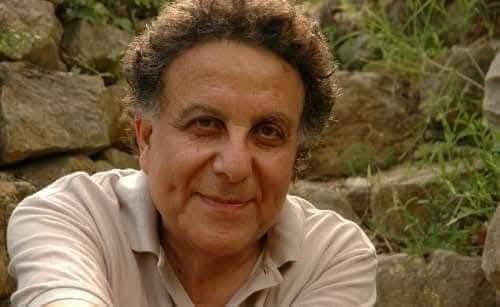
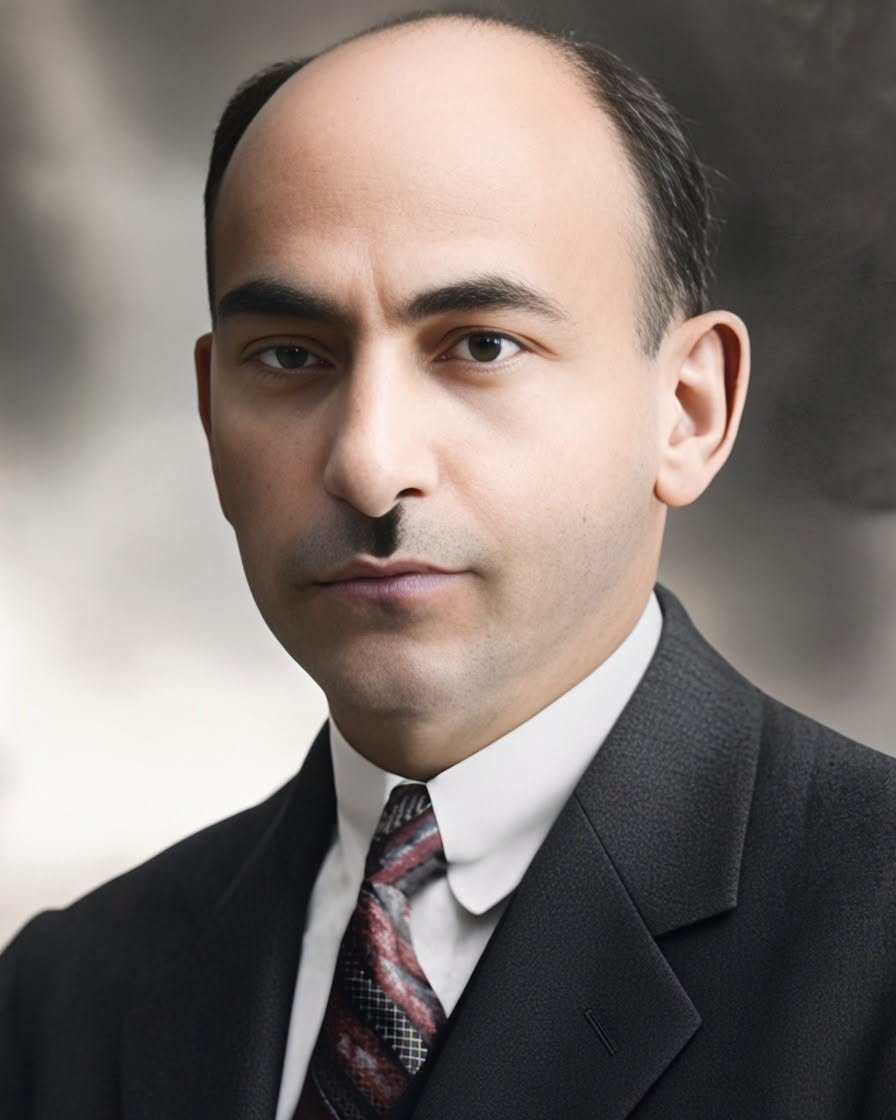
The late Palestinian historian, writer, and visual artist Kamal Bullata is an immense person of didactic magnitudes. He was born in Jerusalem in 1942, and earned drawing and painting at Khalil Halabi’s studio in the Bab al-Khalil neighborhood of Jerusalem. He painted portraits, alleyways, and the architecture of Jerusalem. Bullata published several books on Palestinian and Islamic visual art and lived in various Arab and Western countries. And he will be indelibly remembered.

  • CrossFireArabia

    CrossFireArabia

    Dr. Marwan Asmar holds a PhD from Leeds University and is a freelance writer specializing on the Middle East. He has worked as a journalist since the early 1990s in Jordan and the Gulf countries, and been widely published, including at Albawaba, Gulf News, Al Ghad, World Press Review and others.

    Related Posts

    ‘Living in a Tent is Like Living in Hell’ Maryam Says

    In Gaza, tents are no longer havens from war. They have become prisons of fabric, trapping displaced civilians in the sweltering heat of the summer, while thirst, hunger, mosquitoes, and disease stalk them at every turn.

    Here, people don’t escape the constant bombing to safety. Rather day, they face another battle against the scorching sun, the scarce water, and the sleepless nights in tattered tents, that no longer protect from the darkness.

    In the Heart of Hell

    Read also: “Gaza Live”… 7 Martyrs and Injuries in 13 New Israeli Violations of the “Truce”

    “There are eight of us living in a tent, and the situation is hell in the summer,” displaced woman Mariam Baraka, tells the Sanad News Agency, whilst summarizing the details of life inside her tent that offers no protection from the heat and leaves little to dignity.

    She says she spends long hours searching for water under the bitter hit of the sun, sometimes managing to fill a few buckets, while other times she returns empty-handed after a grueling journey to a distant water source.

    The suffering doesn’t end with thirst. The family is forced to cook over a wood fire amidst sweltering temperatures, and cardboard boxes serve as a primitive makeshift tolls to circulating air inside the tent.

    Maryam recounts that her son can no longer bear the intense heat, constantly telling her: “Mommy, I can’t take it anymore.” Her young child is unable to sleep due to the heat and the bites from mosquitoes and flies that have covered his body in blisters. Their entire lives revolve around the sun and what she describes as “extremely difficult” conditions.

    Maryam’s testimony reflects the stark reality faced by nearly one million displaced people—about 170,000 families—who endure the summer heat in tents and makeshift shelters, according to a recent report by the Norwegian Refugee Council.

    Documented data indicates that 125,000 out of 135,000 tents have been damaged and are unfit for human use due to weather conditions. The organization also reports that approximately 5,000 families are sleeping in the open without any shelter from the sun or darkness.

    A Daily Battle

    The tents, made of nylon and thick fabric, have become like closed ovens, with temperatures inside sometimes exceeding 37 to 40 degrees Celsius. This makes staying inside nearly impossible due to the trapped heat and humidity, a situation described in international press reports as “slow death inside thermal gas chambers.”

    The tragedy is compounded by the severe water crisis. The United Nations Children’s Fund (UNICEF) confirms that water supplies in the camps have dropped to critical levels, forcing families, including children, to walk long distances under the scorching sun to obtain limited quantities of water.

    The dangers don’t stop at heat and thirst. The spread of mosquitoes and flies within the camps has led to skin diseases among children, while displacement areas are witnessing an increase in snakes, scorpions, and rats due to the accumulation of rubble and the breakdown of sanitation systems, according to multiple media reports.

    Doctors and health workers warn of a rise in skin and infectious diseases, in addition to heatstroke and dehydration, which threaten the lives of children and the elderly.

    The Secretary-General of the Norwegian Refugee Council, Jan Egeland, emphasized that this humanitarian catastrophe could have been avoided were it not for the continued blockade and the closure of crossings, which prevent the entry of essential aid, awning materials, wood, and hygiene supplies.

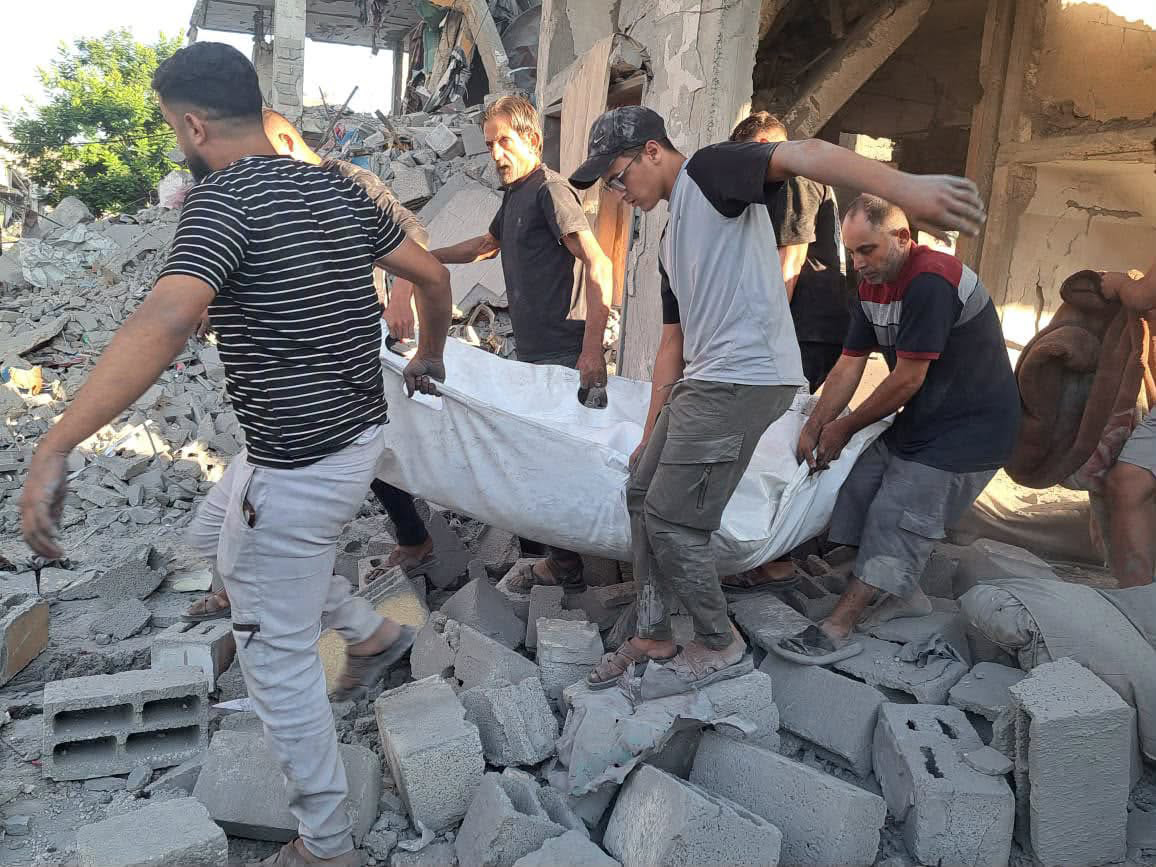
    With the destruction of homes and infrastructure, areas like the Khan Younis and Deir al-Balah camps have been transformed into vast tent cities lacking water and sanitation. Each tent has become a new chapter in an unending ordeal, a daily battleground for displaced people struggling for survival.

    Continue reading
    Israel Arrests 3,600 West Bank Palestinians Since The Start of 2026

    Israel Arrests 3,600 West Bank Palestinians Since The Start of 2026

    The Palestinian Prisoners Club, a human rights organization, announced that 3,600 Palestinians have been arrested in the West Bank since the beginning of 2026. This is in addition to thousands of cases of field interrogation it added and it is part of an Israeli policy aimed at expanding the scope of targeting and collective punishment.

    In a statement issued, Saturday, the Prisoners Club explained that these daily arrests have become a primary tool for the comprehensive aggression in the West Bank.

    The Israel occupation is entrenching the use of field interrogation as a standard tool of repression, accompanied by the detention of citizens for extended periods, the eviction of families from their homes, and the implementation of widespread acts of vandalism and physical and psychological abuse.

    The statement further noted that the majority of the recent arrests and field interrogations stemmed from Palestinians confronting settler attacks and attempting to protect their lands and towns, at a time when settler attacks are escalating under the protection of the occupation forces.

    This escalation on the ground reached its peak in the town of Tell in the Nablus Governorate, where dozens of residents were arrested and subjected to field interrogations following the massacre perpetrated by the occupation forces in the town, Friday, as part of a policy of revenge and collective punishment.

    From yesterday evening until this morning, the occupation forces launched a widespread campaign of arrests and field interrogations targeting at least 80 Palestinians from various areas of the West Bank, including released prisoners.

    The Palestinian Prisoners Club confirmed that the number of detainees is expected to rise in the coming hours, as raids and incursions continue in several West Bank governorates.

    According to official human rights data, the number of prisoners in Israeli prisons at the beginning of July exceeded 9,400, including 3,244 administrative detainees. This number does not include detainees held in detention centers run by the Israeli army.

    Continue reading

    Leave a Reply

    Your email address will not be published. Required fields are marked *

    You Missed

    Kamal Bullata: Not Only A Jerusalem Artist!

    Kamal Bullata: Not Only A Jerusalem Artist!

    ‘Living in a Tent is Like Living in Hell’ Maryam Says

    ‘Living in a Tent is Like Living in Hell’ Maryam Says

    Israeli Settlers Set Fire to Two Mosques in The West Bank

    • By marwan
    • July 26, 2026
    • 5 views
    Israeli Settlers Set Fire to Two Mosques in The West Bank

    Ahmad The Japanese Remained a ‘Palestinian’ Till His Last Breath

    Ahmad The Japanese Remained a ‘Palestinian’ Till His Last Breath

    Jerusalem Stitches

    • By marwan
    • July 26, 2026
    • 6 views
    Jerusalem Stitches

    More Than 5400 Israeli Settlers Violate Al Aqsa Mosque

    • By marwan
    • July 26, 2026
    • 10 views
    More Than 5400 Israeli Settlers Violate Al Aqsa Mosque