Six Israeli Soldiers Confess Their Sins in Gaza

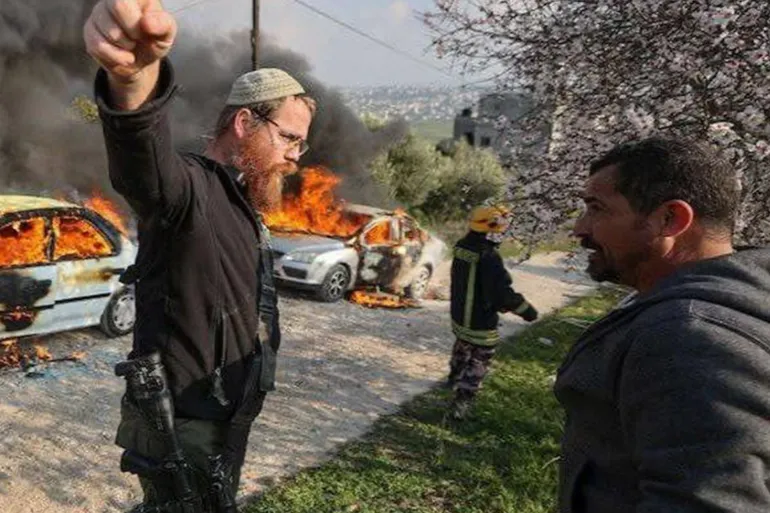
Israeli forces routinely executed Palestinian civilians during military operations in the Gaza Strip, according to testimonies of army soldiers.

Six soldiers, who spoke with Tel Aviv-based website +972 and Local Call news site, said troops shot at civilians simply because they entered an area defined by the army as a “no-go zone,” according to Anadolu.

“If we see someone in a window looking at us, he is a suspect. You shoot,” one soldier said.

Various sources said orders given to soldiers to shoot without restrictions gave them a way to blow off steam or relieve the dullness of their daily routine.

“I’m bored, so I shoot,” an Israeli soldier recounted. “I personally fired a few bullets for no reason, into the sea or at the sidewalk or an abandoned building.”

Another soldier said the Israeli military would open extensive fire on “seemingly unpopulated or abandoned areas” for no reason.

“Such orders would come directly from the commanders of the company or battalion in the field,” another soldier said.

Describing the approach used in Gaza, a soldier stated, “Shoot first, ask questions later.”

“That was the consensus … No one will shed a tear if we flatten a house when there was no need, or if we shoot someone who we didn’t have to,” he added.

The soldiers also described how the corpses of dead Palestinian civilians were left to “decay and be eaten by stray animals.”

According to them, the military hid these bodies before the arrival of international aid convoys “so that images of people in advanced stages of decay don’t come out.”

Two of the soldiers also testified to a systematic policy of setting Palestinian homes on fire after occupying them.

Flouting a UN Security Council resolution demanding an immediate cease-fire, Israel has faced international condemnation amid its continued brutal offensive on Gaza since an Oct. 7, 2023 attack by Palestinian group Hamas.

More than 38,200 Palestinians have since been killed, mostly women and children, and over 88,000 others injured, according to local health authorities.

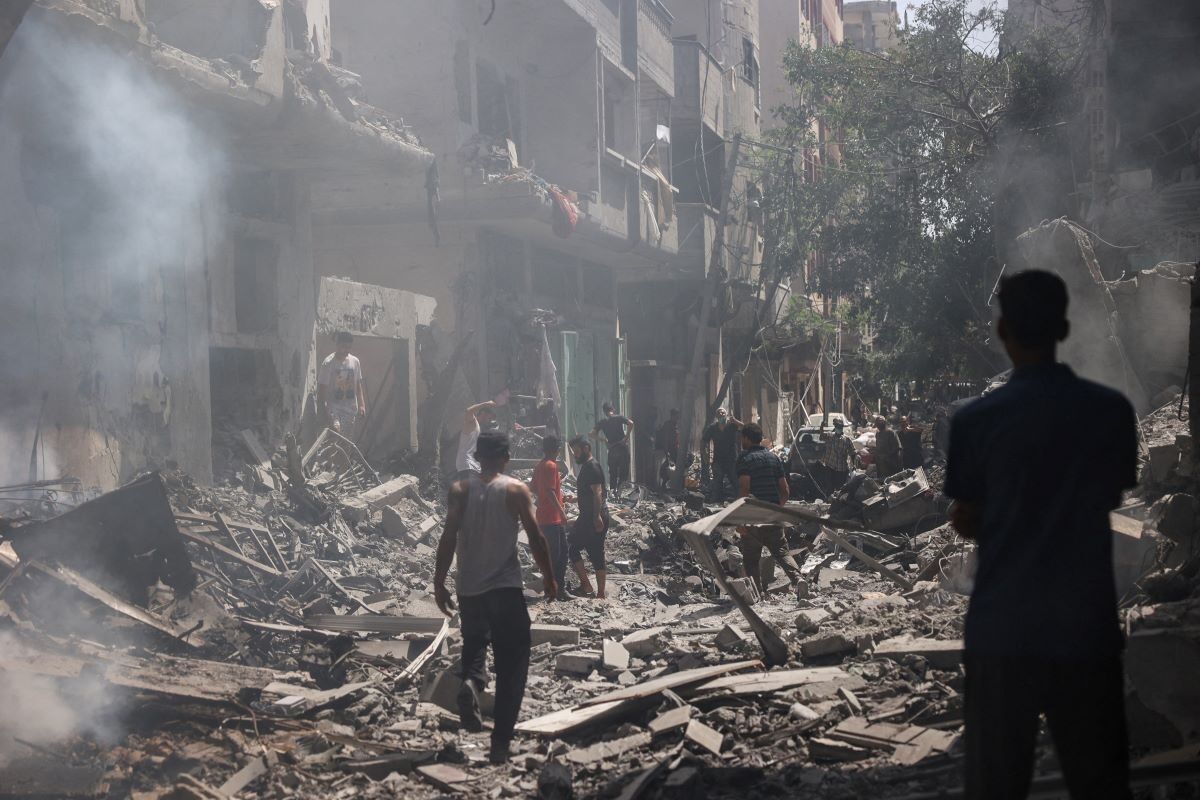
Nine months into the Israeli war, vast tracts of Gaza lie in ruins amid a crippling blockade of food, clean water, and medicine.

Israel stands accused of genocide at the International Court of Justice, whose latest ruling ordered it to immediately halt its military operation in the southern city of Rafah, where over a million Palestinians had sought refuge from the war before it was invaded on May 6 accordiing to the Turkish news agency.

CrossFireArabia

CrossFireArabia
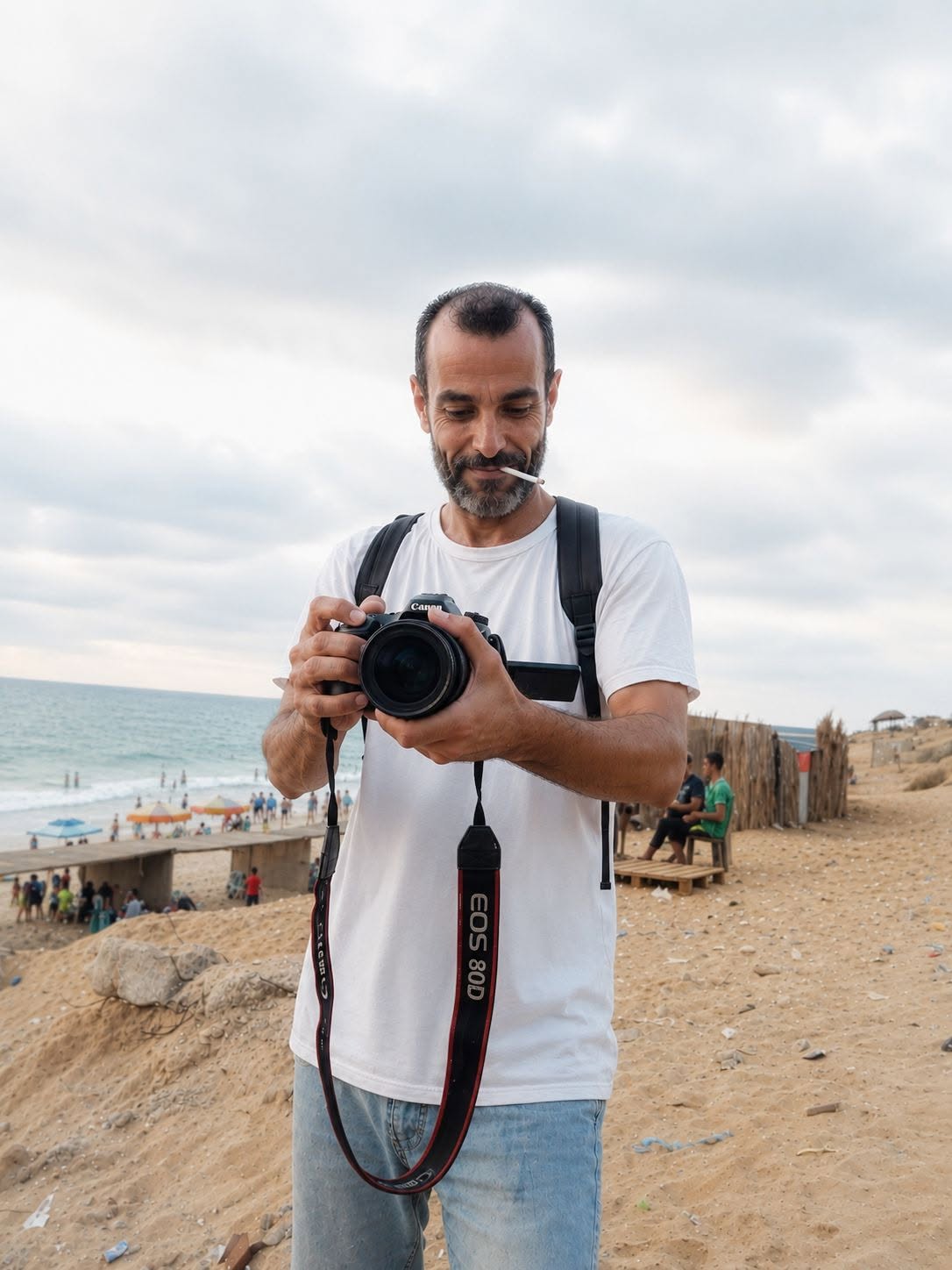
Dr. Marwan Asmar holds a PhD from Leeds University and is a freelance writer specializing on the Middle East. He has worked as a journalist since the early 1990s in Jordan and the Gulf countries, and been widely published, including at Albawaba, Gulf News, Al Ghad, World Press Review and others.

Related Posts

UNICEF: 300 Children Died in 300 Days in Gaza

CROSSFIREARABIA – UNICEF stated that no less than 300 children were killed in the Gaza Strip during the past 300 days when a ceasefire was declared on 10 October, 2025. It warned of more victims amongst children being killed despite promises to stop attacks.  “A ceasefire that leaves, on average, one dead child every day simply fails the children. Children have heard promises before. This time, the agreements must be translated into action,” said Edward Beigbeder, UNICEF Regional Director for the Middle East and North Africa.

Continue reading
Dalal Abu Amneh: A Musician, A Neurologist

She is a Palestinian singer, producer, and a PhD researcher in neurology from the Haifa Institute of Technology, the Technion.

Dalal Abu Amneh was born in Nazareth on 9 August, 1983 and became captivated by science and music at a young age. In music, Dalal got to be known for her melodious voice and ability to perform various musical styles.

In this she forged a global Palestinian identity producing all of her musical projects while making three albums: “Ya Baladi,” “Ya Sitti,” and “Nour,” underlined in the spirit and heritage of the Palestinian and Arab people while at the same developing didactic vocal styles including classical Tarab, Andalusian singing, Sufi spiritual chanting, and her revival of Palestinian and Levantine folk traditions.

Dalal grew up in an artistic family. Her mother, Juhaina Al-Hawari, has a beautiful voice but has not pursued a professional musical career, but looked after her children. Her father, Ghazi Abu Amneh, plays the oud and owns a fish restaurant. She has four sisters: Nida, Salam, Jihan, and Faten. Salam and Jihan work in the arts and singing, while Nida and Faten work in visual arts due to their hearing impairments.

Dalal began singing at the age of four, participating in the Princess of Spring competition and winning the title in 1987 with her song “Maryam Maryamti.” By the age of 16, she was known for her masterful performances of classical Arabic songs and traditional roles, in addition to her renditions of Palestinian and Levantine folk songs. Leading musicians in the Arab world, such as Salah El Sharnouby and Asala Nasri, have praised her voice, which they said blends authenticity with modernity.

Dalal is commited to socially-conscious art and is working to develop Palestinian art scene in a way to preserve its authenticity while appealing to younger generations and western audiences to strengthen Palestinian identity and support the Palestinian cause.

Over the years, Dalal participated in major international and Arab festivals, such as the Jerash Festival and the Arab Music Festival at the Cairo Opera House and represented Palestine in several Arab operettas, including “Land of the Prophets” (2012) and “Call of Freedom” (2014).

She also regularly participates in cultural and artistic events locally, regionally, and internationally. In addition to her performances with her own band, Dalal is the principal singer of the MESTO World Orchestra, performing traditional Arab and Palestinian songs with western musicians and orchestral arrangements worldwide.

Dalal released several popular songs, including “Ana Qalbi wa Rouhi Fidaak” (My Heart and Soul Are Yours) in 2001, with lyrics by Adnan Abbasi, music by Alaa Azzam, and arrangement by Habib Shehadeh. It was recorded at Karam Matar Studios.

She also released “Khallini Fi Balak” (Keep Me in Mind) in 2003 and two albums: “Kareem Ya Ramadan” (Generous Ramadan) in 2007 and “An Baladi” (About My Country) in 2013, an album that explores Palestine from various perspectives and through diverse musical styles.

One of her songs, “Ain Al-Adhraa” (The Virgin’s Eye), was a radio hit, and “Bokra Jadeed” (Tomorrow is New) was among the five songs selected for the Euromed International Festival in 2006. Dalal, also known as Amna, combined her artistic career with her academic studies.

She graduated from the Bishop’s School (Clerical School) in Nazareth in 2001. She earned a bachelor’s degree in Cognitive Science and Psychology from the Hebrew University in Jerusalem, followed by a MA degree. She was then accepted to study medicine at the Technion in Haifa.

She became the first Palestinian Arab to study this specialized field, which combines computer science, medicine, biology, biophysics, psychology, and philosophy. In 2006, she enrolled in the graduate program at the Technion where she earned a MSC degree in Medical Sciences, specializing in neuroscience.

In 2011, she began working as a researcher and doctoral candidate at the same institute in the field of neuroscience, where she is developing a new technological method for treating chronic neurological diseases such as multiple sclerosis.

She is a Palestinian singer, producer, and a PhD researcher in neurology from the Haifa Institute of Technology, the Technion.

Dalal Abu Amneh was born in Nazareth on 9 August, 1983 and became captivated by science and music at a young age. In music, Dalal got to be known for her melodious voice and ability to perform various musical styles.

In this she forged a global Palestinian identity producing all of her musical projects while making three albums: “Ya Baladi,” “Ya Sitti,” and “Nour,” underlined in the spirit and heritage of the Palestinian and Arab people while at the same developing didactic vocal styles including classical Tarab, Andalusian singing, Sufi spiritual chanting, and her revival of Palestinian and Levantine folk traditions.

Dalal grew up in an artistic family. Her mother, Juhaina Al-Hawari, has a beautiful voice but has not pursued a professional musical career, but looked after her children. Her father, Ghazi Abu Amneh, plays the oud and owns a fish restaurant. She has four sisters: Nida, Salam, Jihan, and Faten. Salam and Jihan work in the arts and singing, while Nida and Faten work in visual arts due to their hearing impairments.

Dalal began singing at the age of four, participating in the Princess of Spring competition and winning the title in 1987 with her song “Maryam Maryamti.” By the age of 16, she was known for her masterful performances of classical Arabic songs and traditional roles, in addition to her renditions of Palestinian and Levantine folk songs. Leading musicians in the Arab world, such as Salah El Sharnouby and Asala Nasri, have praised her voice, which they said blends authenticity with modernity.

Dalal is commited to socially-conscious art and is working to develop Palestinian art scene in a way to preserve its authenticity while appealing to younger generations and western audiences to strengthen Palestinian identity and support the Palestinian cause.

Over the years, Dalal participated in major international and Arab festivals, such as the Jerash Festival and the Arab Music Festival at the Cairo Opera House and represented Palestine in several Arab operettas, including “Land of the Prophets” (2012) and “Call of Freedom” (2014).

She also regularly participates in cultural and artistic events locally, regionally, and internationally. In addition to her performances with her own band, Dalal is the principal singer of the MESTO World Orchestra, performing traditional Arab and Palestinian songs with western musicians and orchestral arrangements worldwide.

Dalal released several popular songs, including “Ana Qalbi wa Rouhi Fidaak” (My Heart and Soul Are Yours) in 2001, with lyrics by Adnan Abbasi, music by Alaa Azzam, and arrangement by Habib Shehadeh. It was recorded at Karam Matar Studios.

She also released “Khallini Fi Balak” (Keep Me in Mind) in 2003 and two albums: “Kareem Ya Ramadan” (Generous Ramadan) in 2007 and “An Baladi” (About My Country) in 2013, an album that explores Palestine from various perspectives and through diverse musical styles.

One of her songs, “Ain Al-Adhraa” (The Virgin’s Eye), was a radio hit, and “Bokra Jadeed” (Tomorrow is New) was among the five songs selected for the Euromed International Festival in 2006. Dalal, also known as Amna, combined her artistic career with her academic studies.

She graduated from the Bishop’s School (Clerical School) in Nazareth in 2001. She earned a bachelor’s degree in Cognitive Science and Psychology from the Hebrew University in Jerusalem, followed by a MA degree. She was then accepted to study medicine at the Technion in Haifa.

She became the first Palestinian Arab to study this specialized field, which combines computer science, medicine, biology, biophysics, psychology, and philosophy. In 2006, she enrolled in the graduate program at the Technion where she earned a MSC degree in Medical Sciences, specializing in neuroscience.

In 2011, she began working as a researcher and doctoral candidate at the same institute in the field of neuroscience, where she is developing a new technological method for treating chronic neurological diseases such as multiple sclerosis.

Continue reading

You Missed

Yemen’s Asma Ali Appointed First US Judge in Mississippi

Yemen’s Asma Ali Appointed First US Judge in Mississippi

Israel Violates The Ceasefire Over 4000 Times

Israel Violates The Ceasefire Over 4000 Times

UNICEF: 300 Children Died in 300 Days in Gaza

UNICEF: 300 Children Died in 300 Days in Gaza

Dalal Abu Amneh: A Musician, A Neurologist

Dalal Abu Amneh: A Musician, A Neurologist

Israel Slams 100s of Fines on Moathneen in Arab Cities

  • By marwan
  • August 6, 2026
  • 8 views
Israel Slams 100s of Fines on Moathneen in Arab Cities

When Will The Israeli Bombs Stop Falling?

When Will The Israeli Bombs Stop Falling?