CrossFireArabia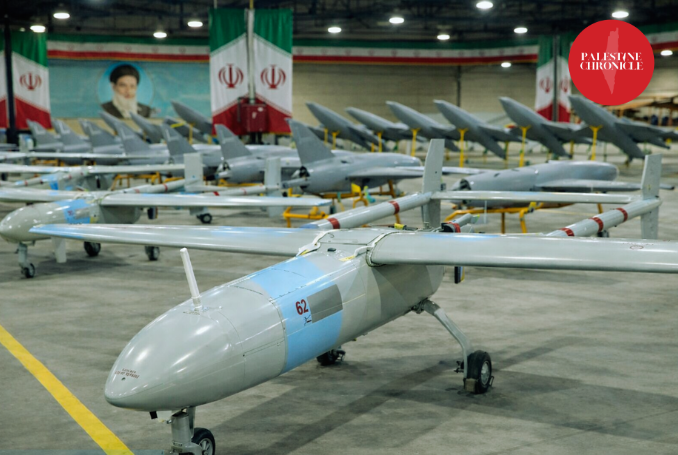
Iran’s Revolutionary Guard plans to increase drone attacks by 20 percent and double strategic missile operations amid escalating regional conflict.
Key Developments
- Iran’s Islamic Revolutionary Guard Corps (IRGC) plans to increase drone operations by 20 percent and missile operations by 100 percent.
- The escalation comes as part of Iran’s ongoing military response to US-Israeli attacks on Iranian territory.
- Iranian forces launched the 28th wave of “Operation True Promise 4,” deploying new-generation missiles against Israeli targets.
- Israeli media reported a missile carrying cluster munitions that dispersed over multiple locations in Tel Aviv.
- Iranian commanders say military operations will expand further in the coming hours and days.
Planned Escalation
Iran’s Islamic Revolutionary Guard Corps (IRGC) is preparing to significantly expand its offensive operations, including a major increase in ballistic missile launches and drone deployments, according to informed sources cited by Iran’s Fars News Agency.
The sources said the escalation will begin overnight and is intended to intensify Iran’s military response to the ongoing US-Israeli war on the country.
According to the report, Iran will increase the scale of its drone operations by up to 20 percent while doubling the use of strategic missiles.
Iranian officials frame the move as part of what they describe as a broader confrontation with the administration of US President Donald Trump and the White House.
Sources quoted by Fars said the decision was taken in order to strengthen deterrence and ensure what they described as a decisive response to any military aggression targeting Iran’s interests or population.
The announcement comes as the Israeli-US agression on Iran continues to escalate, with repeated missile exchanges and attacks reported across several fronts in the region.
Iranian authorities say that since the start of the joint US-Israeli campaign on February 28, more than 1,200 people have been killed in Iran, including around 200 children and approximately 200 women, while more than 10,000 civilians have been injured.
Missile Operations
Iranian state television also confirmed that the country’s armed forces launched the 28th wave of missile strikes as part of the ongoing military campaign known as Operation True Promise 4.
According to the Islamic Revolutionary Guard Corps, the latest wave involved the deployment of new-generation missiles and targeted sites in the cities of Beersheba and Tel Aviv.
The IRGC said four heavy-warhead Kheibar missiles were used during the operation.
Iranian military officials stated that the strikes were part of continuing attacks against Israeli targets as well as sites connected to US forces in the region.
In addition to the missile strikes, Iranian forces reportedly targeted the infrastructure of Al-Azraq Air Base, which Iranian officials described as one of the largest offensive bases used by US-aligned forces.
The IRGC said the scale and depth of Iranian attacks would expand in the coming hours and days.
Iranian state media also reported that two waves of missiles were launched within minutes of each other during the latest round of attacks.
Tel Aviv Impact
Israeli media reported that one of the Iranian missiles carried a warhead containing more than 16 cluster munitions.
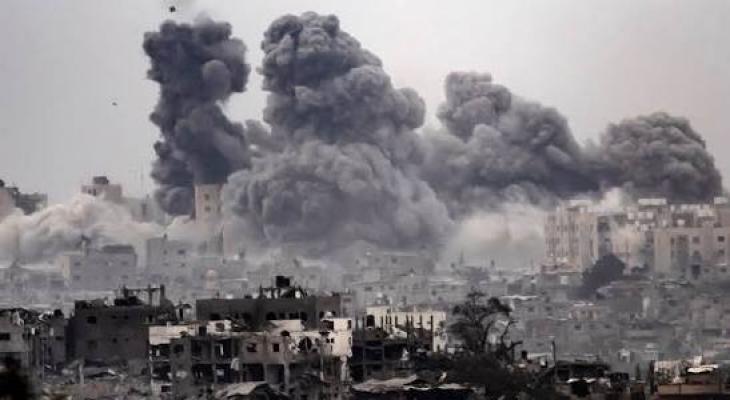
According to those reports, the missile fragmented into multiple explosive sub-munitions over the skies of Tel Aviv.
Fragments reportedly fell across at least sixteen different locations in the city.
Israeli reports said six people were injured after debris from the missile fell across the affected areas.
The missile strike triggered powerful explosions in Tel Aviv and activated air-raid sirens in multiple areas, including Jerusalem and northern regions near the Lebanese border.
Sirens were also reported in the towns of Dovev and Baram amid concerns that drones might infiltrate Israeli airspace.
The incidents were reported within minutes of each other as part of what Israeli media described as concentrated Iranian missile barrages.
Military Statements
Iranian military commanders have continued to signal that the country intends to sustain and expand its military operations.
Major General Ali Abdollahi, commander of Iran’s Khatam al-Anbiya Central Headquarters, said Iran would continue the war until its enemies were forced to retreat.
“Our weapons today are more advanced than before and have high precision and flexibility,” Abdollahi said.
He dismissed claims that foreign governments know the size of Iran’s missile arsenal.
“The enemies said they know the number of our missiles,” Abdollahi stated. “We tell them that they should count the missiles on the battlefield.”
The commander also said Iran had repaired vulnerabilities identified after earlier attacks.
“The armed forces have restored the gaps after the recent aggression,” he said, adding that Iranian forces are deployed across the battlefield with what he described as high morale.
Abdollahi accused US and Israeli forces of targeting civilians inside Iran.
“The malicious enemy targets innocent Iranians in their homes and students in their schools,” he said.
He added that Iran would focus its attacks on military centers and equipment.
Iran’s armed forces also reported targeting specific locations in Haifa and Tel Aviv as well as US military sites, including facilities at Camp Arifjan in Kuwait.
Iranian officials said the strikes were carried out using suicide drones as part of what they described as the country’s response to the ongoing US-Israeli aggression.
The war, which erupted after the US-Israeli attacks on Iran at the end of February, continues to expand across multiple fronts as both sides intensify military operations.


 marwan