Will The US-Iran Deal Last?
By Ali Bakir
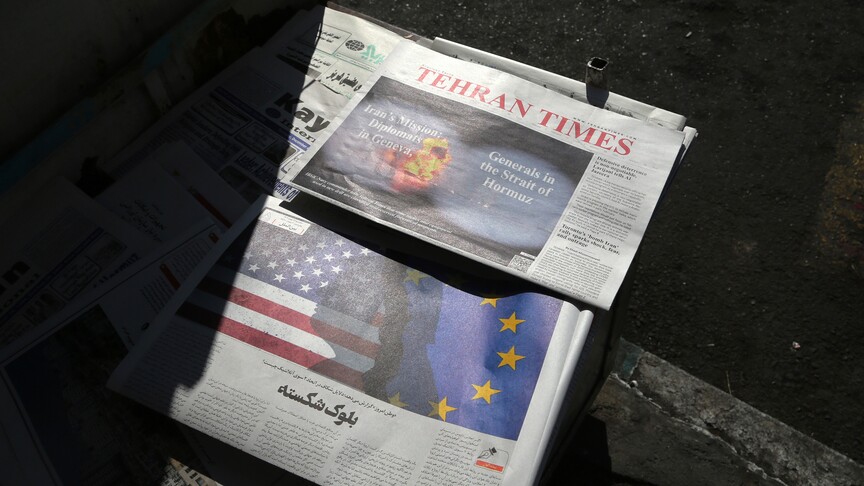
On June 15, Pakistan’s Prime Minister Shehbaz Sharif announced via the US social media platform X that a peace deal between the US and Iran had been reached, following over two months of mediation by his country. Sharif expressed gratitude to Qatar, Saudi Arabia, and Türkiye for their significant contributions, stating that the official signing ceremony would take place on June 19 in Switzerland. Following this announcement, a memorandum of understanding was signed electronically by US President Donald Trump and Vice President JD Vance on the US side, and by Iranian Parliament Speaker Mohammad Bagher Ghalibaf on the Iranian side.
The reported agreement is characterized as a framework peace deal aimed at ending the 2026 Israel/US-Iran war and transitioning the current ceasefire into a broader diplomatic process. Although the text of the agreement has not yet been published, key reported elements include immediate cessation of military operations, reopening of the Strait of Hormuz to international shipping, and a 60-day negotiation period to address unresolved issues, particularly Iran’s nuclear program, alongside discussions on sanctions relief and access to frozen Iranian assets during follow-up negotiations.
This agreement follows two significant developments. First, Israel conducted military strikes on Iranian targets in western and central Iran around a week ago, marking the first such actions since April. Explosions were reported in Tehran, Tabriz, Isfahan, and other cities in response to Iranian missile launches that were highly performative. Second, Trump warned that Iran would “pay the price” for what he described as slow progress in negotiations to end the conflict, indicating that the US could resume strikes against Iranian infrastructure.
5 bullet points on the agreement
Although the agreement does not necessarily mean that the root causes that prompted the war have fully disappeared, a few observations are worth mentioning and analyzing.
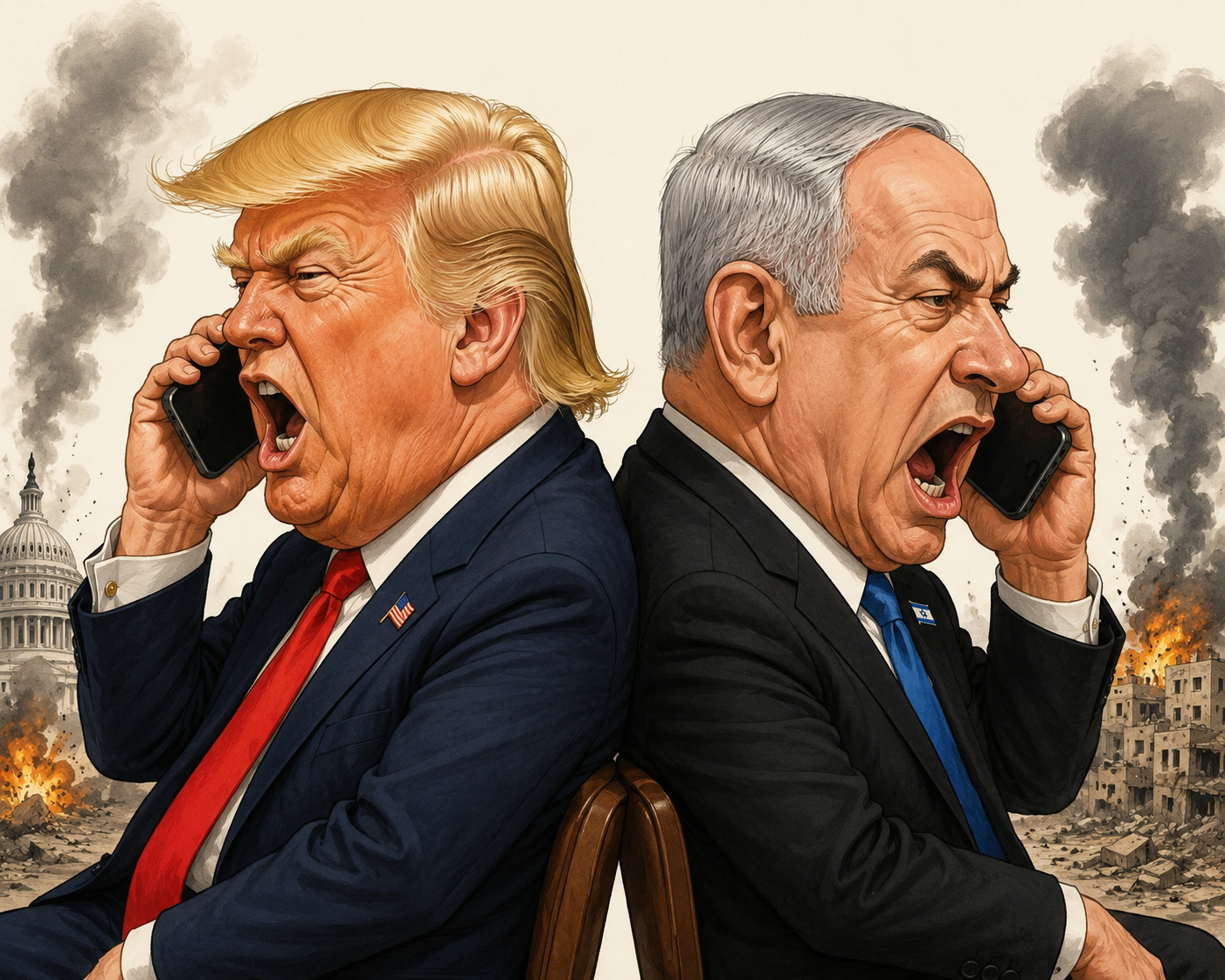
First, a lot of narrative spinning is occurring publicly at the moment. While the main parties are trying to sell the agreement as a victory, there are factions within the broader regional camps (such as hardliners in both Iran and Israel) that oppose it. Critics in Iran have labeled the agreement a “humiliating capitulation,” arguing that it involves unjustified concessions. Hardline opponents have publicly criticized the negotiating team, with Iranian MP Mahmoud Nabavian stating that the latest draft is “more damaging” than previous versions. Similarly, Israeli officials emphasized that Israel was not directly involved in negotiating the US–Iran deal and does not necessarily consider itself bound by its provisions. Israeli Defense Minister Israel Katz declared that Israel would not withdraw from territory seized in Lebanon and would continue to act against threats from Hezbollah and Iran if necessary.
Second, the timing of the agreement suggests that Iran was running out of options. As the Islamic Revolutionary Guard Corps (IRGC) focused on messaging and performative measures, the gap between their narrative and reality widened, with Iran’s ability to endure further pressure significantly diminishing. Trump’s counter-blockade against Iran’s restriction of the Strait of Hormuz imposed significant economic costs on Iran, leading to the decision to sign the agreement. It is estimated that the blockade could have cost Iran over $24 billion in just two months — almost equal to Iran’s reported total reserves of foreign currency — leaving the regime with little choice but to agree to the terms or face economic collapse.
Third, despite the negative reactions from hardliners in both Iran and Israel, the agreement highlights Trump’s genuine interest in reaching a resolution with Iran, especially following last year’s swift 12-day war between Israel and Iran. However, radical elements in both Iran and Israel seem intent on using procrastination, escalation, or military actions to sabotage meaningful attempts to achieve peace. Given that there is reportedly a 60-day negotiation period following the signing of the agreement, it is likely that these factions will continue to work against a comprehensive resolution.
Fourth, while Pakistan played a significant role in the mediation process, Qatar’s involvement was also crucial, as acknowledged by American, Pakistani, Saudi, and Turkish officials. Notably, neither the Qatari Foreign Ministry spokesman nor the ministry itself reported any independent measures taken by Qatar, apart from endorsing Pakistan’s mediation efforts. In fact, a Qatari spokesman denied any independent role in the mediation at this stage. Qatar’s involvement appears to have been executed at the request of the United States and had several dimensions.
Primarily, Qatar facilitated technical issues between the US and Iran, such as enabling the transfer of Iranian funds without direct US involvement, thereby avoiding the perception of it being a US initiative or taxpayer-funded. Additionally, Qatar played a role in establishing a communication channel between the United Arab Emirates and Iran, which emerged later in the mediation process. Finally, Qatar aligned itself with Saudi Arabia’s position, providing support for the Pakistani initiative.
Changing actors
Fifth, two awkward positions regarding the agreement can be highlighted. Firstly, the Europeans have been largely inactive in resolving the crisis yet somehow managed to host the official signing ceremony between the Americans and Iranians. Instead of crediting Pakistan, Switzerland offered to host the ceremony, which can be seen as an act of opportunism. Secondly, Oman, historically a favored mediator between the US and Iran, has been notably absent from this current arrangement. Oman’s position during this war was not popular in the Gulf Cooperation Council and beyond. According to a senior US administration official, Oman was removed from its mediation role in negotiations with Iran after the US concluded that Muscat had acted “very duplicitously” during the talks.
Finally, we must approach the prospects of the agreement with caution. It is essential to recognize that this is not a comprehensive peace agreement but rather a transitional framework. The future of the agreement will largely depend on the outcomes of negotiations in the next 60 days. Given that several factions within Iran and Israel are opposed to the agreement, we should not dismiss the possibility of sabotage, particularly from Israel.
Ali Bakir is an assistant professor of international affairs, security, and defense at Qatar University and senior nonresident fellow at the Middle East Council on Global Affairs. Anadolu

 CrossFireArabia

 Saleem Ayoub Quna