Netanyahu’s Trap!

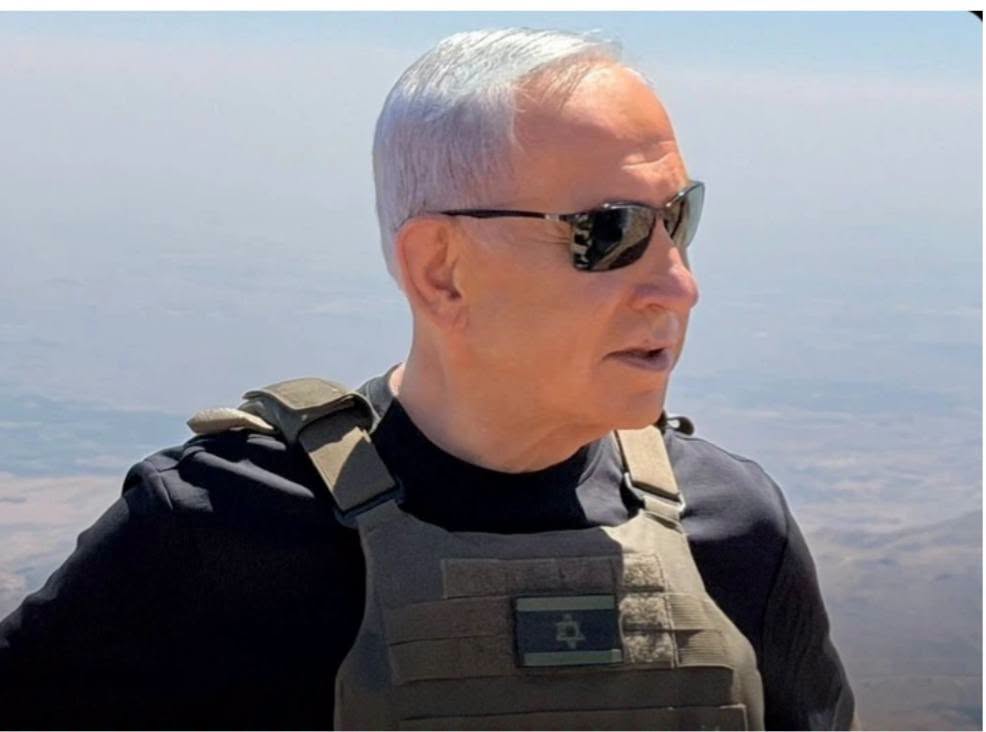
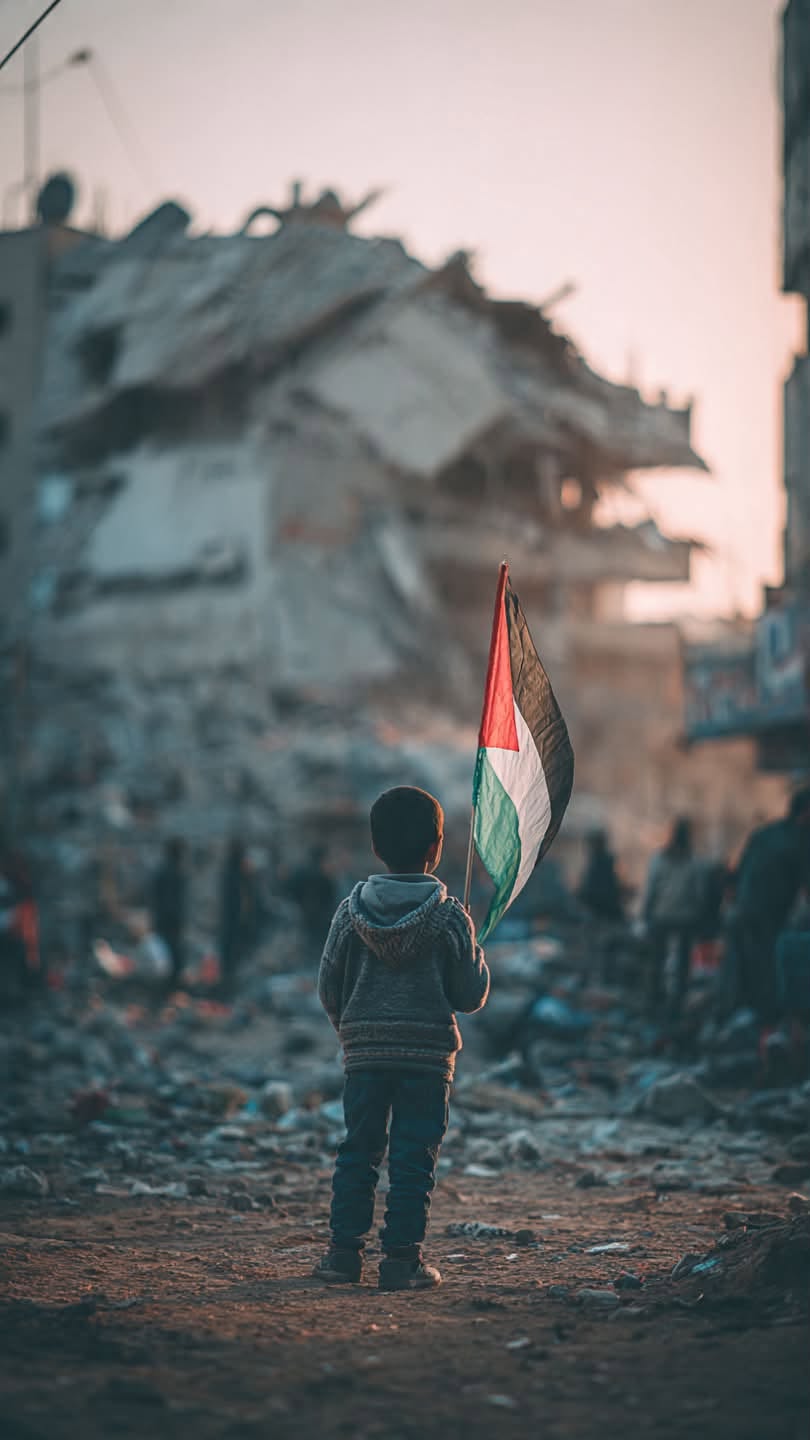
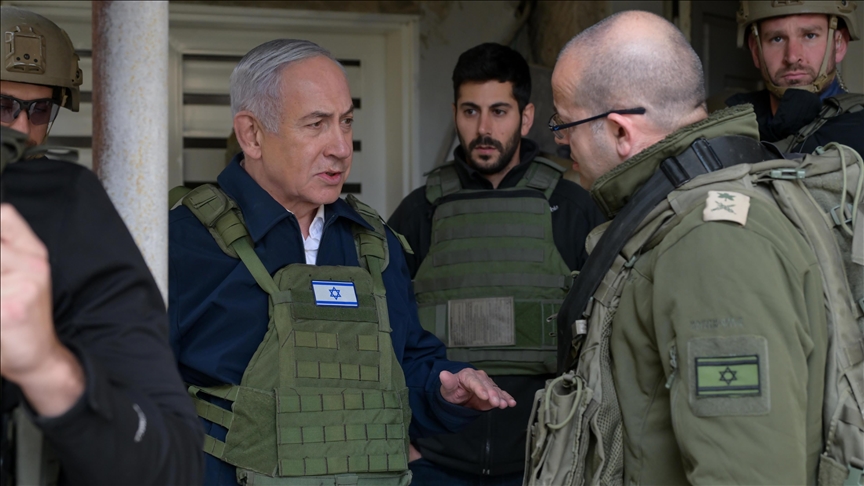
The already fragile ceasefire in Gaza was further shattered as Israeli Prime Minister Benjamin Netanyahu declared that Israel had “resumed combat in full force” against Hamas in the Gaza Strip on March 18, during the Muslim holy month of Ramadan. In the hours following Netanyahu’s announcement, Israeli airstrikes – which had already been routinely violating the ceasefire in recent weeks – killed more than 400 Palestinians, including a significant number of children. Later that day, Israeli forces launched a new ground offensive, reportedly killing at least 48 more Palestinians, according to local health workers.

Vowing to eradicate Hamas, Netanyahu described the renewed phase of state terrorism as “just the beginning”. Meanwhile, Israeli sources confirmed that the assault was conducted in “full coordination” with the United States. Also on Wednesday, Israel carried out an attack on a UN facility in central Gaza City, killing a foreign staffer and wounding five others. Jorge Moreira da Silva, Executive Director of the UN Office for Project Services, condemned the strike, stating: “Israel knew this was a UN compound where people were living and working. It is a well-known location.”

From the outset, Netanyahu’s office has justified the assault by accusing Hamas of preparing new attacks, refusing to release hostages, and rejecting all proposals put forward by US presidential envoy Steve Witkoff and other mediators. At the UN Security Council meeting on Gaza, convened just hours after the renewed Israeli offensive, the US envoy placed exclusive blame on Hamas for the collapse of the ceasefire. According to the Israeli government, approximately 59 Israeli captives remain in Gaza, with fewer than half believed to be still alive. Hamas, however, denied rejecting the US envoy’s proposal, accusing Netanyahu of deliberately resuming hostilities to sabotage the ceasefire agreement. The group characterized Israel’s actions as a “unilateral” annulment of the existing deal.

Arab countries, including Egypt and Qatar – both key mediators in the peace negotiations – have strongly condemned Israel’s latest military escalation. On March 20, the US State Department reaffirmed the “bridge proposal” put forward by the US President Donald Trump’s administration last week. It aims to extend the first phase of the ceasefire and hostage release agreement between Israel and Hamas, and remains on the table. Given this backdrop, the question arises: What is driving Netanyahu’s genocidal ambitions?


A zero-sum game?

Netanyahu appears to be maneuvering to reduce the original multiphase ceasefire agreement to just its first phase, securing the release of all Israeli hostages before resuming his military campaign in Gaza. Hamas, however, recognizes the trap. At present, neither the US nor mediators like Egypt and Qatar can offer Hamas any guarantees that if it releases all remaining hostages – both dead and alive – Israel will commit to entering the second phase of the agreement.

It is worth recalling that Israel had already delayed negotiations for the second phase, which was initially scheduled to begin 16 days after the agreement took effect. By the time phase one was set to conclude on March 1, Israel had refused to advance talks, effectively stalling the diplomatic process.

Since March 2, Israel has taken increasingly punitive measures against Gaza. According to the UN, it has blocked the entry of all lifesaving supplies, including food, medicine, fuel, and cooking gas, affecting 2.1 million people. It has also sealed off all crossing points and, on March 9, ordered a complete shutdown of Gaza’s electricity supply. The blackout has severely impacted desalination plants, which provide clean drinking water to some 600,000 people. Yet, despite these actions, Israel continues to evade accountability for its collective punishment of Gaza’s population.

What is Israel’s endgame for Gaza?

Israel appears to be accelerating efforts to implement what some critics describe as a plan to radically reshape Gaza’s demographic and political future. Netanyahu, frustrated by his failure to eliminate Hamas and achieve clear strategic objectives, is pampered by Trump’s proposal to “take over” and “own” the Gaza Strip. At present, Netanyahu is exploiting the geopolitical status— including high-level talks between Trump and Russian President Vladimir Putin over Ukraine and the US military campaign against the Houthis in Yemen—which have diverted international attention away from Gaza. This distraction provides him with an opportunity to escalate the attacks with fewer diplomatic constraints.

However, Netanyahu’s thirst for blood is not only deepening the humanitarian catastrophe in Gaza but also exacerbating regional tensions, pushing the Middle East toward prolonged instability. His actions risk triggering wider spillover effects, particularly in Lebanon and Syria, and further escalating an already volatile landscape. The pressing question remains: does Israel have a long-term strategy for Gaza, or is it merely waging a campaign of destruction with no viable political exit strategy? Another crucial consideration is, following their emergency summit in Cairo on March 4, how will the Arab League reconcile Egypt’s reconstruction plan with Israel’s relentless aggression?

The urgency of a concerted diplomatic and strategic effort to curb Israeli aggression and expansionism cannot be overstated. Without immediate intervention, the entire region will bear the long-term consequences of unchecked military escalation and political destabilization.

Serhan Afacan is associate professor at Marmara University’s Institute for Middle East Studies and president of Center for Iranian Studies (İRAM).

CrossFireArabia

CrossFireArabia
Dr. Marwan Asmar holds a PhD from Leeds University and is a freelance writer specializing on the Middle East. He has worked as a journalist since the early 1990s in Jordan and the Gulf countries, and been widely published, including at Albawaba, Gulf News, Al Ghad, World Press Review and others.

Related Posts

Trump: Tunes, Ceasefire and Hormuz

Saleem Ayoub Quna

The latest ceasefire by Trump reminded me of an aspiring young violinist, who every time she started playing her own written piece, the tunes of her instrument would go havoc!

Last move, the declaration of a ceasefire with no deadline, by President Donald Trump on the Hormuz virtual chessboard with Iran, did not lack the usual element of surprise. Still, it was a relief for some, annoying for others and revealing for a third group!

While at it in the White House, the Pakistani host intermediaries in the other side of the hemisphere, were stood up for the arrival of the negotiation teams, who seemingly were hindered by other conflicting schedules, while pilots of the jet fighters, in the air bases and on board destroyers, and the launchers of missiles, drones and anti–missile batteries, were all getting itchy over the delay of orders from their commanders, which left TV anchors and other commentators, boringly speculating and redundant!

After the two rounds of exchanging intensive missile and rocket attacks, between Iran and the US-Israeli axis, in less than a year, using the open skies over the Middle East from the Mediterranean to the Gulf area, as a last resort to make each party’s views clearer to the other, President Trump, the man who happens to hold most of the important cards in his hands, seems today, to have come to the conclusion, that neither his message, nor his tools, or even his sheer luck have helped making his message loud and clear enough to his opponents and to the rest of world!

Luck in this context can be associated with the totality of internal, regional and world unanticipated reactions to this complicated conflict, in terms of rising oil and gas prices for the average consumer, whether in Europe, North America or in Eastern Asia. It is highly suspected that these instruments in the hands of Trump, started producing tunes that were not written or desired by Trump himself, and if they did, it was just a kind of dissonance!

It is also very probable that Trump’s tactics as a deal maker, continuously changing his tone and vocabulary, made his listeners lose track of his true original storyline, if there was one! But more seriously, weighing and counting the odds that have befell Trump in the aftermath of the breakout of the war, some of which were

of his own making, and other developments that came out as natural by-products of the original move!

Following is a rundown of those unexpected unpleasant by-products, or side-effects, some of which might turn into chronicle headaches*, of the whole initiative which Trump had closely coordinated with his persistent ally, Netanyahu, the first in June 2025, when the two of them orchestrated the “Midnight Hammer” surprise operation against sensitive Iranian targets, and the second round “Epic Fury” on Feb28 this year, while negotiators were in session:

1. Rise of oil and gas price in world markets

2. Drop of share prices in stock markets

3. Fracture with NATO*

4. Decline in Republican Party ratings ahead of the midterms congressional elections in November

5. Resurgence of Trump’s friendship with Epstein’s scandals.

6. Firing key US generals in the midst of crisis, culminated by ousting Navy Secretary, John Phelan.

7. Emulating Jesus Christ in a replica image!

8. Personal row with Pope Leo who stands as the most respectful living figure in the Western civilization.*

9. Lebanon and Hezbollah’s connection.*

10. The Strait of Hormuz new strategic entanglement*

None of the above problems or symptoms of problems, except for point 5 and 9, existed before Trump made up his mind to go into war against Iran last year. Even back in 2018 during his first term, Trump shocked the world by tearing up the Iran-nuclear deal approved by Obama’s Administration after being endorsed by the rest of the Western powers. No one expected that Trump would go this far in his second term, except the Prime Minister of Israel!

All things considered, the whole world, minus Israel, was shocked by the magnitude of the bombings to finish Iran’s potentials to own its own nuclear knowhow and capabilities. All of which leaves me wondering if this latest ambiguous ceasefire, and the way it was presented and its timing, will prove to be a real turning point in the ongoing strife in the Middle East, or just another boring maneuvering tactic by Trump!

As for the fate of young aspiring violinist, it was said that after she had discovered that her violin was not authentic but a replica, she decided to become a soprano!

Continue reading
An Unholy War!

By Robert Stephen Ford

Presidents and popes have disputed wars in the past. Pope Paul VI criticized the American war in Vietnam, saying that America was losing its moral standing. Pope John Paul II called the American invasion of Iraq in 2003 unjust and illegal. However, the clash between US President Donald Trump and Pope Leo XIV, who are the two most influential Americans in the world, about the war against Iran is without precedent.

The rift that preceded the war

The relations between the Vatican and the Trump administration were difficult even before the Iran war. Before the appointment of Pope Leo, Pope Francis in 2025 criticized Donald Trump’s restrictions against immigration and the treatment of refugees and immigrants in American detention centers. In January 2026, three top Catholic Church leaders in the United States issued a report stating that American foreign policy was immoral. They pointed to reduced assistance to world health programs that have harmed tens of millions of people worldwide.

The American surprise attack on Iran on February 28 sharpened the dispute between the Vatican and the White House. The Trump administration portrays the war as a kind of holy crusade blessed by God. In his April 7 social media message threatening to destroy Iranian civilization, Trump exclaimed, “Glory to God!” while also saying that God ensured the success of the mission to rescue an American pilot whose plane was shot down over Iran. On March 26, US Defense Secretary Pete Hegseth told a press conference that military strikes against Iran enjoyed protection from God, and at a religious service in the Pentagon on April 1, he quoted from the Old Testament, asking God to “break the enemy’s teeth.”

The Pope responded on April 6 that Jesus called for peace and reconciliation, and he rejected politicians using God to justify war. His rebuke generated sharp counterattacks from Trump and some Republican Party leaders. Vice President JD Vance and Speaker of the House of Representatives Mike Johnson said the pope appeared not to understand the Catholic Church theory of just war. Several American bishops close to Pope Leo responded that it was ridiculous to suggest that the pope did not understand the theology and the theory of just war since Leo himself is from the branch of the Catholic Church founded by Augustine, the Christian thinker who, 1,600 years ago, first set down the principles of a just war. The surprise American attack in the middle of negotiations, the American failure to avoid striking civilian targets and the ambiguous American government goals of the Iran war did not meet the standards of a just war, they noted.

Politics dressed as theology

Trump and the Republicans are politicians, not theologians. They portray the war against Iran as holy because they understand that the war is unpopular in the United States and they need the support of Christian conservatives in their political base. Notably, most Catholics, who are about 20% of the American population, voted for Trump in 2024. Opinion polls since late March have shown that most Americans doubt the war is in America’s national interests. After Trump’s threat to destroy Iranian civilian infrastructure and civilization on April 6-7, the pope called the threats “unacceptable” and would violate international law. He even urged American citizens to contact their representatives in Congress to demand that the war stop. It was unprecedented for a pope to urge Americans to mobilize this way, and it directly touched a big part of the Republican Party base. Trump responded five days later with his social media message alleging that the pope appears to accept that Iran can have nuclear weapons and does not understand foreign policy. No American president had attacked a pope so personally. With economic damage from the Iran war and opinion polls indicating Democratic Party victories in the November congressional elections, the White House and Republicans are especially sensitive to criticisms towards their war policy.

The pope enjoys a big advantage over Trump in opinion polls in the United States, and Trump over the past four days has retreated a little. He said on April 16 that while he respected the pope’s right to say what he thinks, Trump insisted that he would continue to say and do what he thinks is right. The pope, meanwhile, said on April 18 that he did not want to debate the president. The pope’s role in the end is not to descend to politics but rather to stay on a high level focused on how people should live according to the principles of Christianity. This round of arguments has been winding down, but the Trump administration’s use of Biblical scripture and symbols to justify controversial policies will trigger new fights with the Catholic Church in the months ahead, especially if the war escalates.

The writer is a former US Ambassador to Algeria and Syria and contributed this article to Anadolu

Continue reading

You Missed

Trump: Tunes, Ceasefire and Hormuz

Trump: Tunes, Ceasefire and Hormuz

Israeli Looters in Lebanon

  • By marwan
  • April 23, 2026
  • 17 views

Ayat, Qamar Bid Farwell to Their Martyr Dad

Ayat, Qamar Bid Farwell to Their Martyr Dad

‘We Killed Our Own Then Blamed Hamas’

‘We Killed Our Own Then Blamed Hamas’

An Unholy War!

An Unholy War!

‘Journalist Khalil Trapped Under Rubble Left to Die’

‘Journalist Khalil Trapped Under Rubble Left to Die’