In 2024, there were a host of startling developments occurring in the Middle East and the wider world that impacted Palestine, most of them unforeseen 12 months ago: the continuation of the unrelenting Israeli genocide in Gaza, the battlefield defeat of Hezbollah and the devastation in Lebanon, the overthrow of Bashar Assad in Syria, the isolation of Iran, the election of Donald Trump, and a series of seminal rulings by the International Court of Justice (ICJ) and the International Criminal Court (ICC).
All of these seismic events make the assignment of imagining what Palestine’s future will be in 2025 a precarious task. Yet, with caution thrown to the wind, we can make some educated guesses on six leading features.
Leading scenarios for Palestine’s future
Donald Trump’s return to the US presidency will certainly encourage Israel’s accelerating subjugation of the Palestinians. His major appointments on the Middle East – including his secretary of state, his ambassador to Israel, and his two regional envoys – are all diplomatic gifts to Israel’s far-right nationalist government. His political instincts are all about respecting the strong and disparaging the weak. The only restraint that Trump may impose on Israel would result from his quest for a substantive deal with Saudi Arabia, which is publicly demanding a credible path to Palestinian statehood.
A genuine Palestinian state is further away than ever. In 2025, more Palestinian land will be confiscated, more illegal Israeli settlements will be built, and settler violence, already at record levels, will only intensify. While Trump might restrict Israeli Prime Minister Benjamin Netanyahu from formally annexing parts of the West Bank, de facto Israeli annexation will continue unabated. The ability of the Palestinian Authority to shape events in its favor will likely shrink even further. As for the comatose peace process, the Palestinians long ago arrived at a traffic intersection, and the red light never changed. It remains red today, its only color.
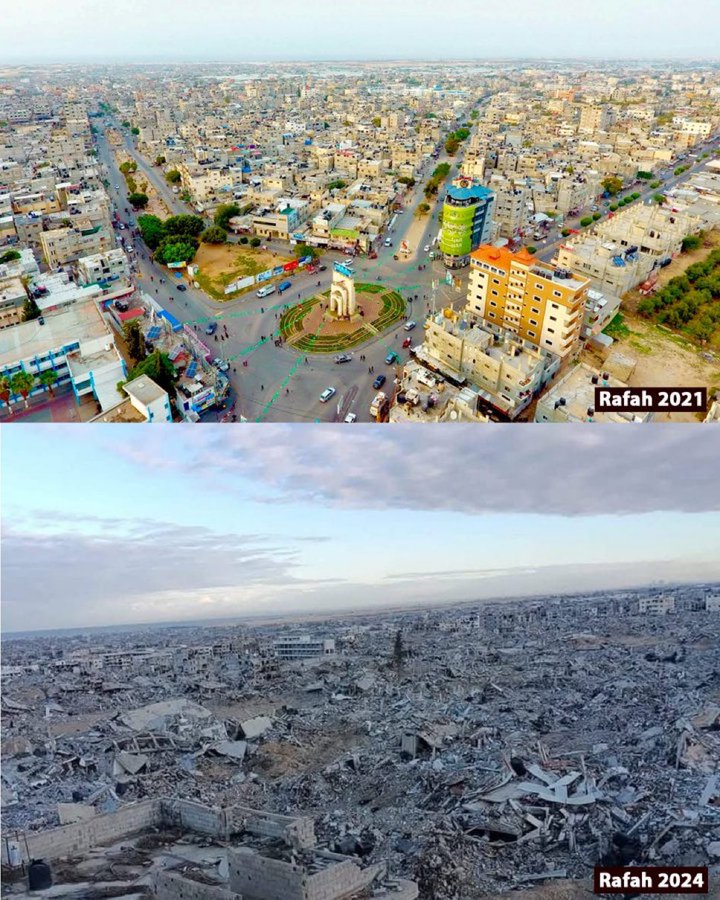
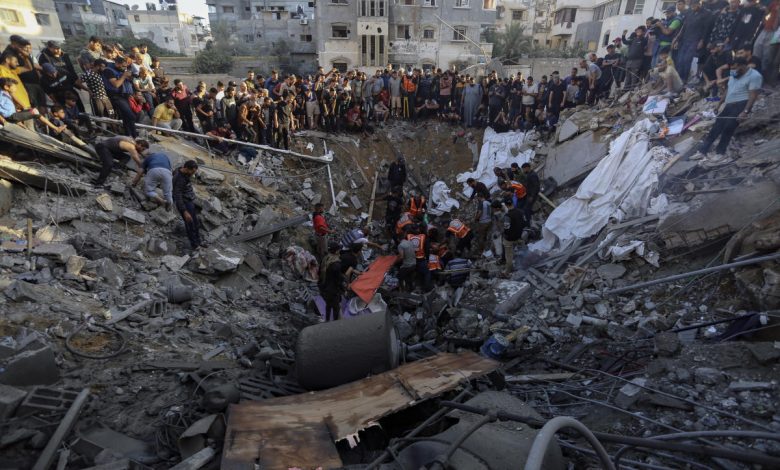
The genocidal war on Gaza will finally end with a formal ceasefire, the release of Israeli hostages, and some Palestinian detainees. However, the unimaginable toll of deaths and suffering among the Palestinian civilians in Gaza will continue, as starvation, infectious diseases, a decimated economy, and a devastated landscape afflict the population. Hamas won’t be completely defeated, but it has suffered a grievous blow in the short run. Israel will push hard to build settlements in the north and for clan warlords to run the rest of Gaza, which Trump might allow. Another great test will be the raising of the $40-60 billion needed for the reconstruction of Gaza; this will create tension between Trump and his Gulf states allies, who will resist paying the lion’s share of the consequences of a war they opposed.
Will the international community face the Palestine issue in 2025?
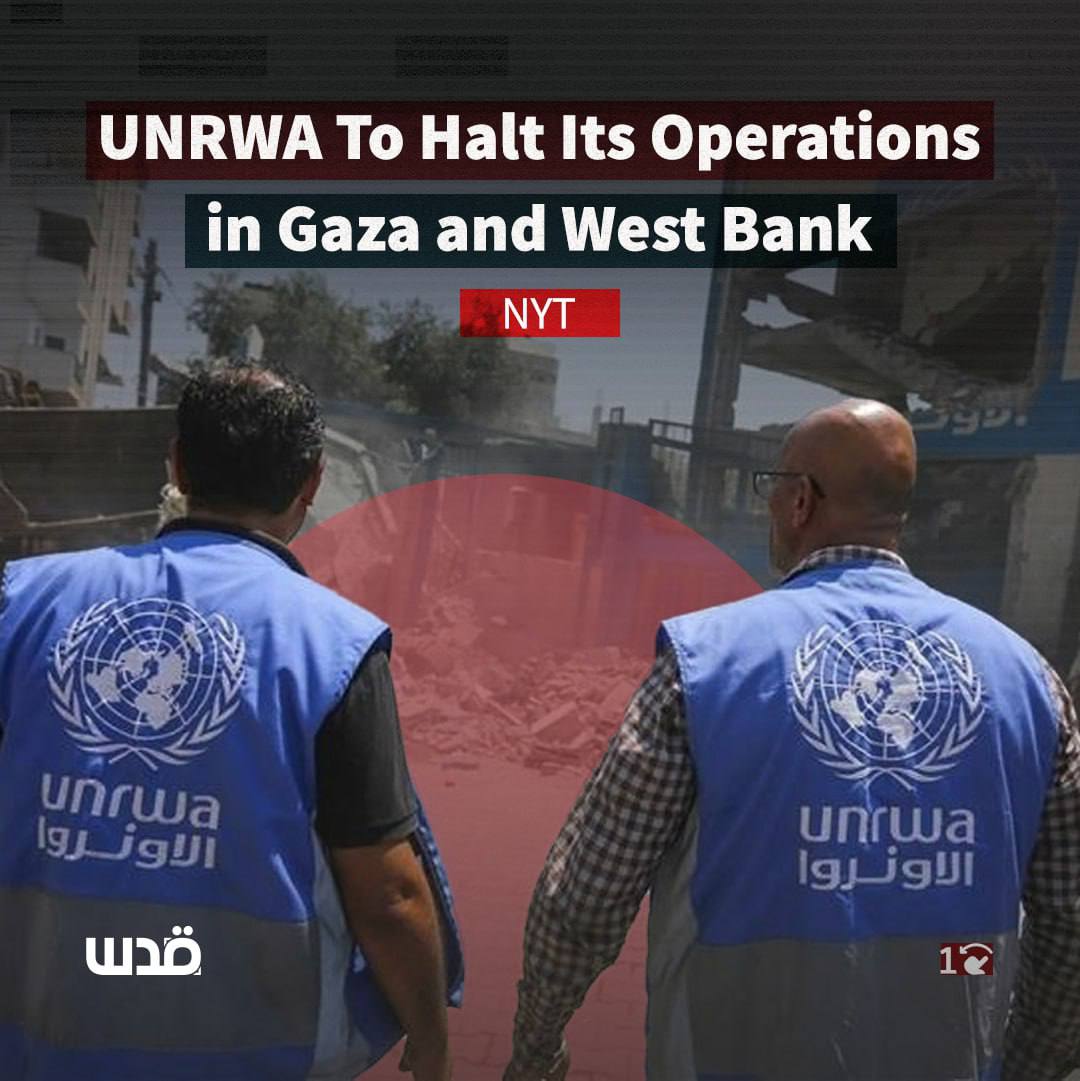
Respecting Palestine, the United Nations will face some of its most perilous challenges in 2025. The one-year deadline set by the General Assembly for Israel to completely end its occupation of Palestine arrives next September, with Israel and the US committed to defying the obligation. In addition, Israel – with Trump’s backing – is seeking to dismantle UNRWA, the UN agency that delivers education, health, and social services to Palestinian refugees in the Levant. The challenge for Europe and the Arab world will be whether they will defend the UN, its core commitment to successfully resolving the oldest item on its political agenda (Palestine), and the preservation of its largest agency.
Israel’s diplomatic isolation will continue, even as its relationship with its superpower patron will deepen. Its outlier status at the United Nations – particularly at the General Assembly and the Human Rights Council – will see even more lopsided votes against its 57-year-old occupation, its denial of Palestinian self-determination, and its abuse of international law. The arrest warrant issued by the International Criminal Court against Benjamin Netanyahu and his former Defense Minister Yoav Gallant will make him politically radioactive, with heads of state and government that have signed the 1998 Rome Statute refusing to meet him. Pressure will grow within Europe to rethink various trade and cooperation agreements with Israel as a reaction to the war and its horrendous humanitarian consequences.
Role of international law more important for Palestine than ever
The role of international law in pronouncing on the question of Palestine will become even more momentous in 2025. After the signature rulings by the ICJ and the ICC in 2024, we are likely to see a growing movement to insist upon a rights-based approach to peacemaking in Palestine, replacing the discredited (but still very much alive) realpolitik approach of the Oslo process.
The momentum created by the recent genocide reports by Amnesty International and Human Rights Watch will continue to echo through UN corridors and foreign ministries. But there are also headwinds: Republicans in the US Senate are determined to sanction the ICC for issuing the arrest warrant against Netanyahu, meaning that the viability of the court will require a stout defense by the 124 members of the Rome Statute, particularly from Europe.
As we learned from the past year, there will almost certainly be unexpected surprises in 2025. And while there will continue to be dark times for the Palestinians in the year ahead, the war in Gaza has also sparked a global movement of solidarity – particularly among the young – that will continue to inspire courageous thinking and bold acts. Its lasting impact should never be underestimated.
Michael Lynk he author is a professor emeritus of law at Western University, London, Ontario, Canada. He served as the 7th United Nations special rapporteur for human rights in the occupied Palestinian territory between 2016 and 2022. Opinions expressed in this article are the author’s own and do not necessarily reflect Anadolu’s editorial policy.

 CrossFireArabia