CrossFireArabia
International media, fact-finding commissions, UN special rapporteurs, ICC investigators, and all expert technical teams must be granted unfettered access to Gaza to document the genocide committed by Israel and ensure accountability for those responsible, thereby promoting justice and redress for victims.
The success of the ceasefire between Israel and Palestinian factions, which entered into force at noon on 10 October 2025, depends on full respect for international law, cessation of genocide against Palestinians in Gaza, and concrete steps to address the root causes of their suffering. Foremost among these are ending Israel’s illegal occupation, fully lifting the blockade on Gaza, dismantling the system of segregation and apartheid imposed on Palestinians, and guaranteeing their right to self-determination.
There is an urgent need to open Gaza to international journalists and media teams for unrestricted field access to cover the humanitarian catastrophe left by this genocide. Israel has systematically sought to erase truth by targeting Palestinian press, killing at least 254 journalists, destroying most media institutions, and continuing to bar international journalists from entering the enclave.
Euro-Med Human Rights Monitor calls on International media outlets to immediately dispatch their teams to Gaza to document the scale of destruction, the extent of civilian suffering, and to monitor compliance with the ceasefire. Covering developments in Gaza is not merely a professional mission but a moral and humanitarian duty toward victims of one of the most brutal crimes of modern times.
Any restriction on press freedom or denial of entry to media and international investigation mechanisms perpetuates efforts to conceal facts and withhold evidence from the global public, obstructing independent documentation of genocide and widespread destruction inflicted upon civilians and infrastructure.
Immediate, unconditional access must also be granted to forensic and criminal investigation teams, with the necessary equipment, to assist in recovering victims’ bodies from beneath rubble and areas of Israeli military incursion, identifying their identities, and clarifying the fate of missing persons. Swift field access for experts is essential to preserving truth and ensuring justice for victims and their families.
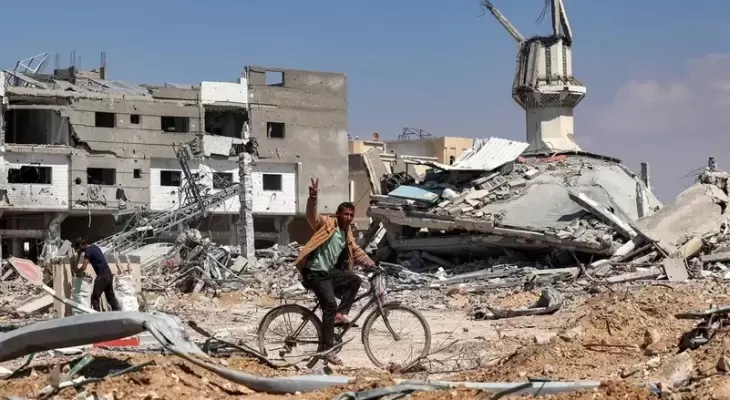
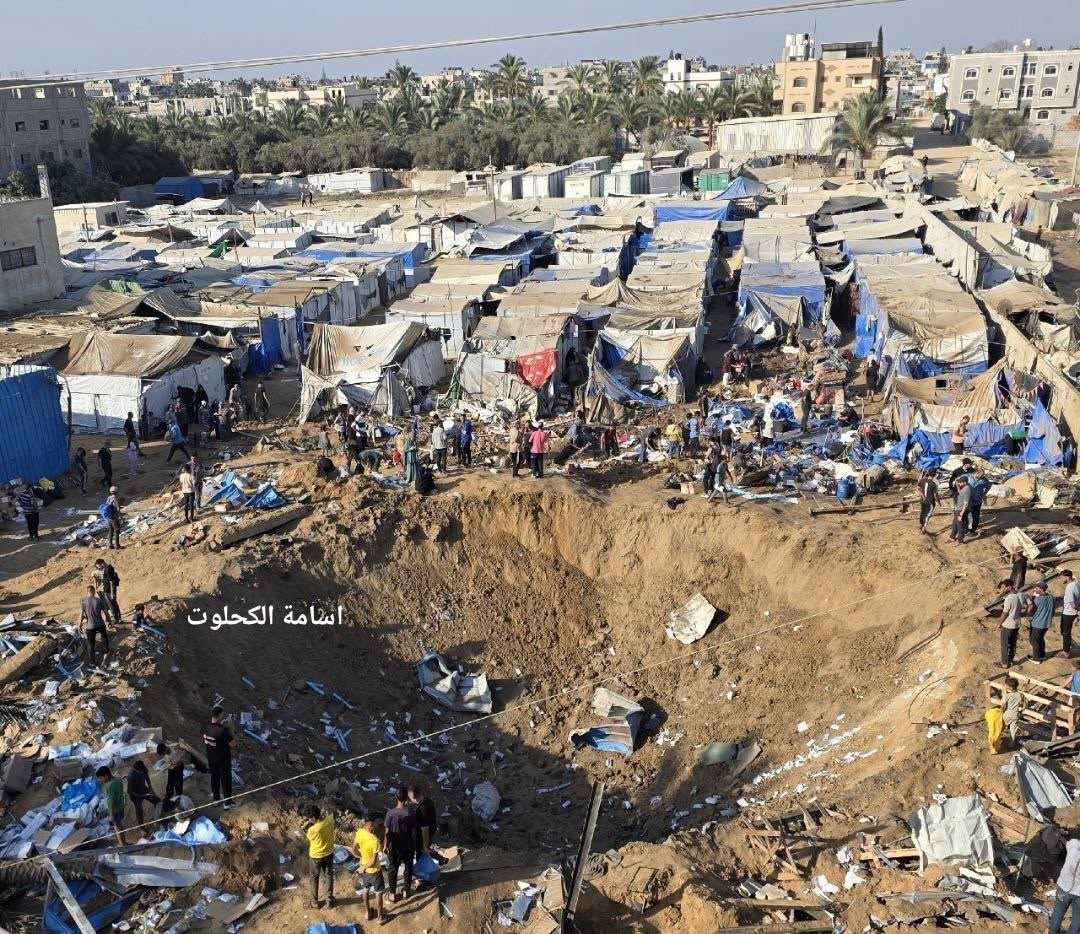
Initial field visits following the ceasefire revealed large numbers of bodies of Palestinians killed by Israeli bombardment, many decomposed after being trapped for extended periods beneath rubble or within former combat zones. Volunteer rescue and civil defence teams retrieved 135 bodies, mostly from Gaza Governorate, while many others remain buried due to the vast destruction and lack of necessary equipment.
Investigators from independent UN inquiry committees, the ICC, UN special rapporteurs, and other international mechanisms must be allowed into Gaza to examine crimes, gather and preserve forensic evidence, and ensure accountability for serious violations, particularly genocide. Gaza’s population requires far more than a ceasefire; they demand a complete end to the genocide and destruction, and a radical remedy to the root causes through the full lifting of the siege, free movement and supply of aid, and reconstruction led by Palestinians, grounded in dignity and the right to life.
Any ceasefire or arrangement must uphold human rights standards and not condition humanitarian aid on political considerations. Such aid is a protected right under international humanitarian law, not subject to bargaining or restriction.
All agreements must guarantee the complete cessation of hostilities, the removal of all restrictions on the movement of food, medicine, fuel, and reconstruction materials, and the restoration of essential civilian services after years of systematic destruction. Central to this is ensuring the immediate and full withdrawal of Israeli occupation forces from Gaza and the rapid reconstruction of vital infrastructure, including health, education, and public services.
Israeli attempts to impose permanent “security zones” or buffer areas in Gaza must be firmly rejected, as these measures seek to demographically and geographically reconfigure the Strip, annex fertile land under false security pretexts, entrench segregation, and turn Gaza into isolated ghettos, threatening food security and Palestinians’ right to life.
Any political or security arrangements that impose external oversight or governance over Gaza undermine Palestinians’ right to self-rule and constitute extensions of Israeli domination. Such measures threaten Gaza’s unity, territorial integrity, and legal status.
Ignoring human rights or the ongoing occupation in any political initiative perpetuates impunity and enables Israel to repeatedly commit atrocities without accountability. Rigorous monitoring of Israeli practices in Gaza is vital to prevent the recurrence of genocide. Preventing genocide is not a political choice or negotiable matter but an absolute legal and moral duty requiring decisive international action.
Tolerating serious violations or settling for temporary or conditional promises effectively legitimises the re-creation of conditions that enabled genocide and prolonged civilian suffering. The international community must activate accountability mechanisms, punish perpetrators, ensure full reparations and redress, uphold victims’ dignity, and enforce the principle of no impunity.
The international community must act swiftly and decisively on its legal obligations: to end the root causes of Palestinian suffering and persecution over the past 77 years; to guarantee the inalienable rights of Palestinians to freedom, dignity, and self-determination under international law; to terminate Israel’s illegal occupation; dismantle settler colonial and apartheid structures; fully withdraw Israeli presence from the 1967 occupied territories; lift the unlawful blockade on Gaza; ensure full accountability for crimes committed; and secure fair, comprehensive compensation and justice for Palestinian victims.