Israeli Source: Tel Aviv Talks For The 1st Time to Hamas

An Israeli political source familiar with negotiations on a ceasefire in the Gaza Strip said Saturday that Tel Aviv is, for the first time, conducting talks with Hamas on the possibility of ending the war, said a media report.

“This negotiation is different than the ones that brought about the previous deals,” said the source, according to the Haaretz newspaper.

“While the previous deals dealt with the release of the hostages … this deal touches on the issue of ending the war. Therefore, everything is interconnected. This is a very complex deal,” he said.

The source added that a proposed agreement includes a 60-day ceasefire during which 10 living Israeli hostages would be released, and intensive negotiations on ending the war would begin, according to Anadolu.

He said the talks “touches on issues of how the war will end or continue, what will happen in Gaza and how all the hostages will be returned. Within the framework of the deal, there is an entire clause that deals with issues to be discussed regarding the end of the war. Both parties can add topics, and they will be discussed within the 60-day cease-fire.”

The source claimed that “the Israeli delegation embarked to Doha with a broad scope of action and a satisfactory mandate. There is enough flexibility to reach an agreement, without compromising on issues such as Israel’s security needs.”

Israeli media outlets, including the public broadcaster, KAN, reported Friday that Israel is considering sending a second delegation to Doha if the Palestinian side agrees to discuss the deal’s details, amid mediation by Qatar, Egypt and the US.

The proposals reportedly include a 60-day ceasefire, during which 10 living hostages and 18 bodies would be released, with final negotiations on ending the war to resume during the truce.

Despite gaps on issues such as the mechanism for aid delivery and Israeli troop deployment, Israeli sources still see the deal as possible, according to the Israeli broadcaster.

US President Donald Trump announced late Friday that 10 hostages in Gaza would be released soon.

Trump, whose administration offers unconditional support for Israel in its war on Gaza, did not provide details.

During the last 21 months, multiple rounds of indirect negotiations have been held between Israel and the Palestine resistance group, Hamas, to reach a ceasefire and carry out prisoner exchanges.

Two partial agreements were reached in November 2023 and in January.

Israeli Prime Minister Benjamin Netanyahu, who is wanted by the International Criminal Court, avoided finalizing the latest agreement and resumed the war on March 18.

Hamas has repeatedly stated its willingness to release all Israeli hostages “in one batch” in exchange for ending the genocide and a full Israeli military withdrawal from Gaza.

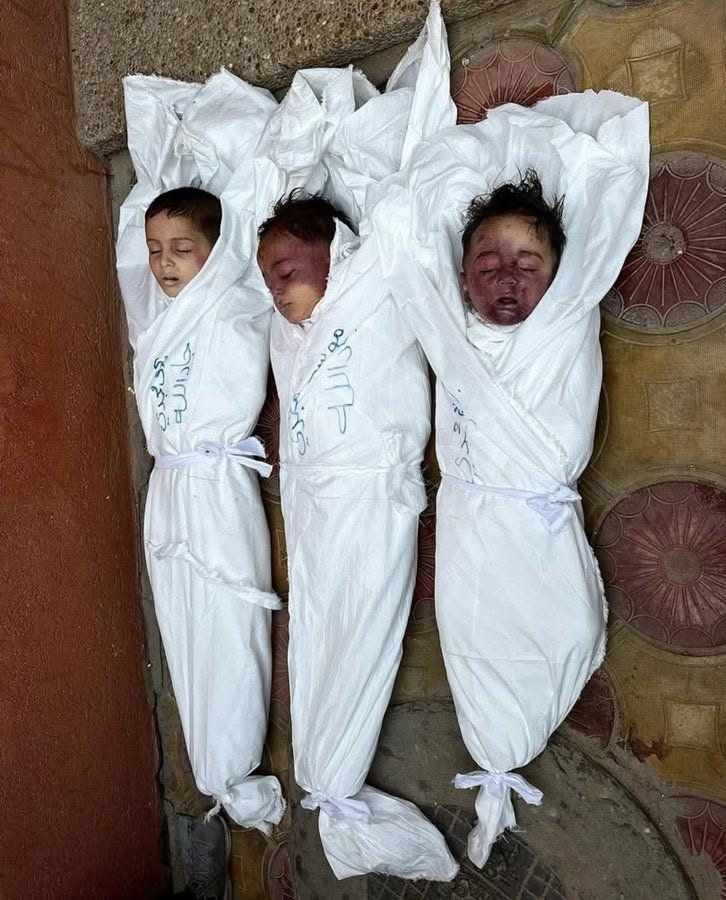
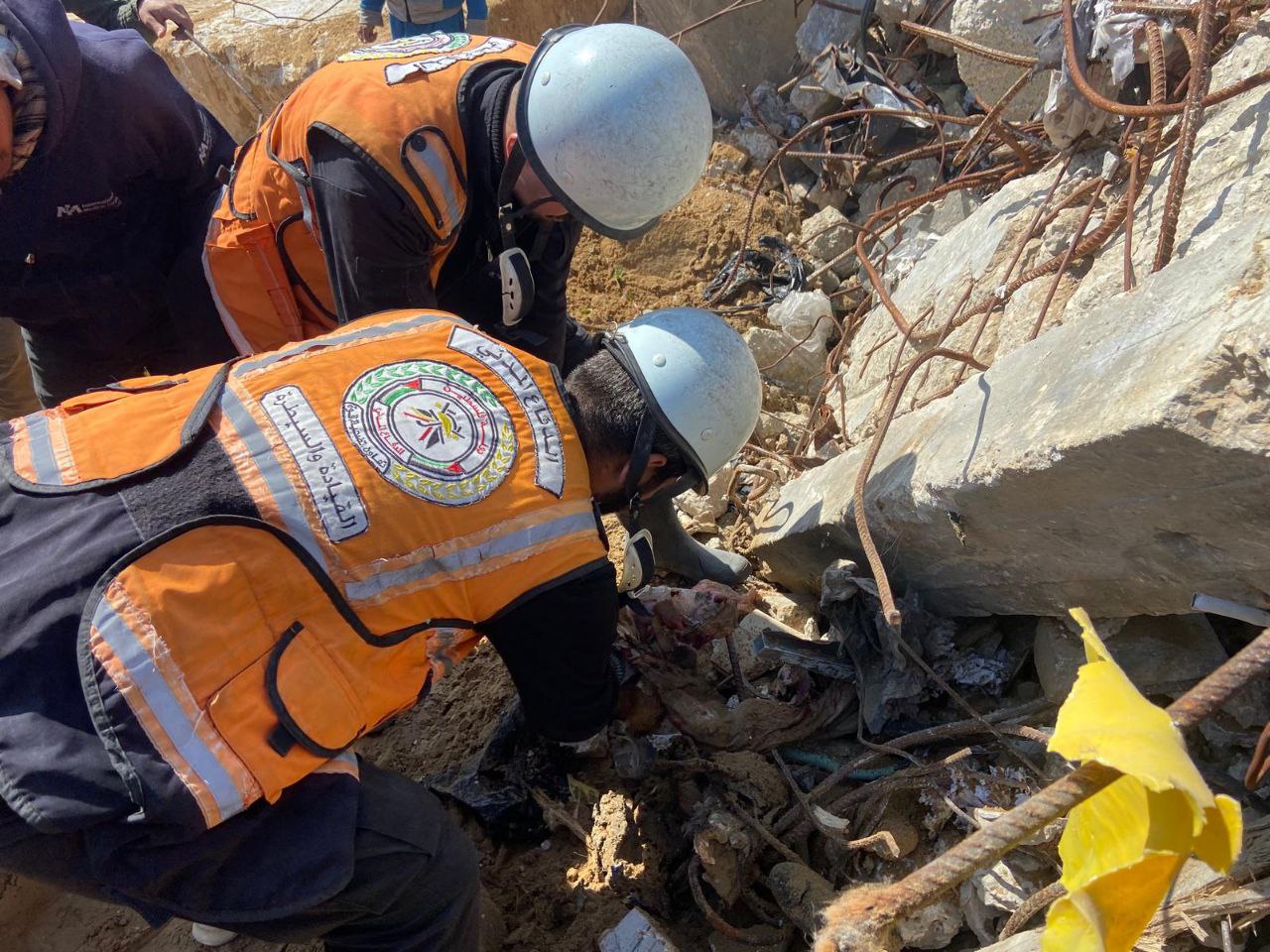
Rejecting international calls for a ceasefire, the Israeli army has pursued a brutal offensive on Gaza since the end of 2023, killing nearly 59,000 Palestinians, most of them women and children.

The relentless bombardment has destroyed the enclave and led to food shortages and the spread of diseases.

Last November, the International Criminal Court issued arrest warrants for Netanyahu and his former Defense Minister Yoav Gallant for war crimes and crimes against humanity in Gaza.

Israel also faces a genocide case at the International Court of Justice for its war on the enclave.

  • CrossFireArabia

    CrossFireArabia
    Dr. Marwan Asmar holds a PhD from Leeds University and is a freelance writer specializing on the Middle East. He has worked as a journalist since the early 1990s in Jordan and the Gulf countries, and been widely published, including at Albawaba, Gulf News, Al Ghad, World Press Review and others.

    Related Posts

    Guterres Condemns Israeli Strikes on Beirut

    UN Secretary-General Antonio Guterres on Sunday “strongly” condemned Israeli airstrikes on the Lebanese capital when the US and Iran are nearing an agreement to end hostilities.

    “I strongly condemn today’s Israeli strikes on Beirut,” Guterres wrote on US social media company X. “The strikes took place despite the ceasefire & at a time when the US & Iran are expected to reach an agreement that will pave the way to a peaceful resolution of this conflict.”

    He noted that the conflict has had a “devastating impact on the world’s economy.”

    The secretary-general expressed hope for a “successful outcome” to the diplomatic efforts between Washington and Tehran, and urged all parties to show “maximum restraint at this crucial moment.”

    US President Donald Trump said on Sunday that a peace agreement with Iran remains on track for signing within a “few hours,” despite the Israeli strike on Beirut. He said the attack “should not have happened” and urged all sides to “stand down.”

    Officials in Iran have disputed the timeline, with Iranian media saying Tehran has not yet taken a final decision.

    At least seven people were killed and several others when the Israeli army launched airstrikes on the southern suburbs of Beirut and areas in southern Lebanon on Sunday, Lebanese media said.

    The Israeli army has continued targeting Lebanon since early March when Hezbollah retaliated to the Iran war, killing 3,800 people and displacing more than 1 million. Anadolu

    Continue reading
    Limited Iran Strike: Concept and International Dimensions

    By Dr. Samira Bitam


    In the race for global dominance, America, as always, is committed to playing the political game as the world’s policeman. It believes it has the right to manage its diplomatic and economic affairs in a way that secures its leading position, regardless of whether the targeted country has a legitimate defense or the pretext used to launch its strikes. The objective is paramount, and the target, often due to its nuclear advancements, is seen as an obstacle to America’s complete dominance.

    The crucial question remains: What are the future implications of a new world order that will differ from its predecessor in both the number of poles and the size of the participating countries in alliances? Everyone is vigilant and eager to secure a piece of the global pie, aiming to maintain international standing, security, and open, free competition, all in pursuit of economic strength and astute policy.

    In reality, Iran has never been an enemy of America, but the USA considers it its strongest competitor due to its possession of nuclear weapons—the same weapons possessed by Pakistan, Russia, North Korea, and others. Iran is currently under American scrutiny, and there has been, and continues to be, talk of a limited strike. In the language of politics, every word has a hidden meaning that cannot be understood superficially. “Limited” could refer to a small strike, perhaps targeting a sensitive location, or it could be a verbal threat indicating America’s seriousness about launching an attack on Iran at any moment. Caution is necessary because such attacks have international repercussions and provoke international reactions. We don’t believe America will repeat the same strike against Iran as it did against Iraq if it hasn’t carefully considered its options.

    Iran possesses a silent political language that conceals the reality of its possession of weapons of mass destruction. What some newspapers publish may only represent a fraction of what remains undisclosed. For example, the “Whale” torpedo, specifically designed to destroy American warships, represents perhaps the most crucial element of a comprehensive defense system. According to Israeli estimates, the “Whale” torpedo weighs approximately 500 kilograms and operates underwater at extremely high speeds. To alleviate the burden on American aircraft carriers, Israel assesses that a single torpedo cannot destroy an aircraft carrier unless Iran employs precision operations. Israel’s concerns were evident in Netanyahu’s statement that Israel is facing difficult circumstances. This is understandable, given its gamble on redrawing the map of the Middle East, a gamble that risks failure. The international community will not remain passive, and repeated American aggression against peaceful nations will not go unpunished as before. Governments have reached a level of awareness sufficient to rise up in defense of their borders and territories. Iran will not be the only one affected, as the objective is an existential conflict that will allow Trump to secure his place in history.

    The state of the Arabs today is no less lamentable than it was yesterday, when Iraq found itself mired in a sectarian war fueled by external forces, aimed at destroying its prestige and preventing any progress. America achieved its goals and plans, even though Bush, then president, implicitly admitted his mistake towards the Iraqis. The target was not a nuclear weapon, but a regime that had become a threat, leading to increased pressure on Middle Eastern countries. This occurred amidst a deliberate and even explicit fragmentation of the region, normalization of relations with certain countries, and their sponsorship of attacks like those of September 11, 2001, which targeted the World Trade Center in the United States.

    America’s expenditure of dollars on the newly named Department of War will only add to its burdens. The country is already suffering from internal economic problems and social ills, issues that Trump has neglected, giving them the same attention he has devoted to his war agenda. Meanwhile, the international community is increasingly turning away from such dark policies. The Iranian episode in the global arena is being orchestrated through statements, pronouncements, and verbal sparring, all aimed at disseminating information as mere rhetoric, unreliable for uncovering the whole truth. Some weapons that Iran has not disclosed remain a mysterious enigma, threatening the stability of neighboring countries and those hosting American bases. Should America strike Iran, the entire scene would escalate into a third world war, leading to further political attrition and economic collapse. Statistics show a significant decline in maritime trade, and militias would become active on the borders of countries that have not taken a clear stance on global events. Being a friend of America does not exempt a country from being drawn into conflict, even under the flimsiest of pretexts. International law has been shaped to serve the Zionist-American vision of global hegemony, and membership in the United Nations will not alter this reality. The language of engagement today is the language of force, not negotiation and restraint. The weapons used in wars may not be limited to conventional arms; they may include biological weapons, ideological weapons, and other types that remain undisclosed until the last moment. This is because the cards of the international game are never fully revealed, and the element of surprise is always present. Every country has its own foreign policy and international stances. However, the blame lies with the Arab states that have succumbed to the aggression that devastated Gaza and destroyed its infrastructure. Every action has a reaction, and those who participated in the barbarity of the aggression against the Gaza Strip and merely condemned it will not escape the consequences of a third war, should one erupt.

    Systems are not preserved through silence; rather, they collapse through their own inaction, cowardice, and humiliation. The next war, should it erupt, will bring with it many new realities that will lead to the emergence of a new world order, one that shows no mercy to the weak. The weak are those whose economies are fragile, whose people’s awareness is low, and whose workforce is neither serious nor aware of the magnitude of the stakes that await them. The world will inevitably witness a transformation that will alter perceptions, shift power dynamics, and tip the scales in favor of those who deserve it, without sentimentality or favoritism. Instead, there will be justice for just causes, because global change begins with an act of aggression and ends with a balance of power.

    Opportunities.

    The details of a limited strike, should it occur, will determine the new roadmap. Focusing on the initial strike will clarify the initial ambiguity before any attack.

    Regardless of Trump’s aggressive reactions, whether towards the media or his opponents, his racism in some situations has been blatant. While Trump’s approach to managing affairs is troubling, it has also presented an opportunity for those working closely with him. By observing his habits and reactions, his adversaries can deduce information that allows them to manipulate or control him. Despite their success in this regard, no one can underestimate the difficulty of steering him in the same direction the following day, as Michael Wolff testifies in his book, “Fire and Fury: The Trump White House.”

    Can Iran discern Trump’s seriousness from his jest if the matter concerns the outbreak of a third war, the duration and scope of which are unknown unless Trump decides to end it? Time will tell.

    Dr. Samira Bitam is an Algerian writer. This is a translated version of an article she write for the Al Rai Al Youm website

    Continue reading

    You Missed

    Taleb Al-Rifai No Longer a Kuwaiti

    Taleb Al-Rifai No Longer a Kuwaiti

    Ceasefire And Defeat: Iran Won The War  

    Ceasefire And Defeat: Iran Won The War  

    Breaking: Trump Announces Reopening of Hormuz Strait

    Breaking: Trump Announces Reopening of Hormuz Strait

    Breaking: Iran-US Reach a Deal

    Breaking: Iran-US Reach a Deal

    The First Palestinian Filmmaker

    The First Palestinian Filmmaker

    The Nation Story…

    The Nation Story…