With Many Men Killed, 86,000 of Gaza Households Are Headed by Women – UN Estimates
- Women-headed households face greater barriers to aid, protection risks, and psychological trauma
- 68% of women-headed households reported unmet shelter needs, compared with 55% of male-headed households, says UN agency
Women now head nearly one in four households in Gaza, roughly double the pre-war rate, and the proportion is expected to have “risen further” in 2026 as deaths, disappearances, injuries, and displacement continue to reshape Palestinian families, according to UN Women.
The agency’s latest Gender Alert estimates that women head around 86,290 households in Gaza, compared with around one in nine before October 2023. The estimate is based on data collected at the end of 2025.
Sofia Calltorp, director of UN Women’s Geneva Office and chief of humanitarian action, told Anadolu that developments since the data was collected mean the actual proportion is likely to be higher today.
“Definitely, we can expect that the actual proportion of women-headed households has risen further in 2026,” Calltorp said.
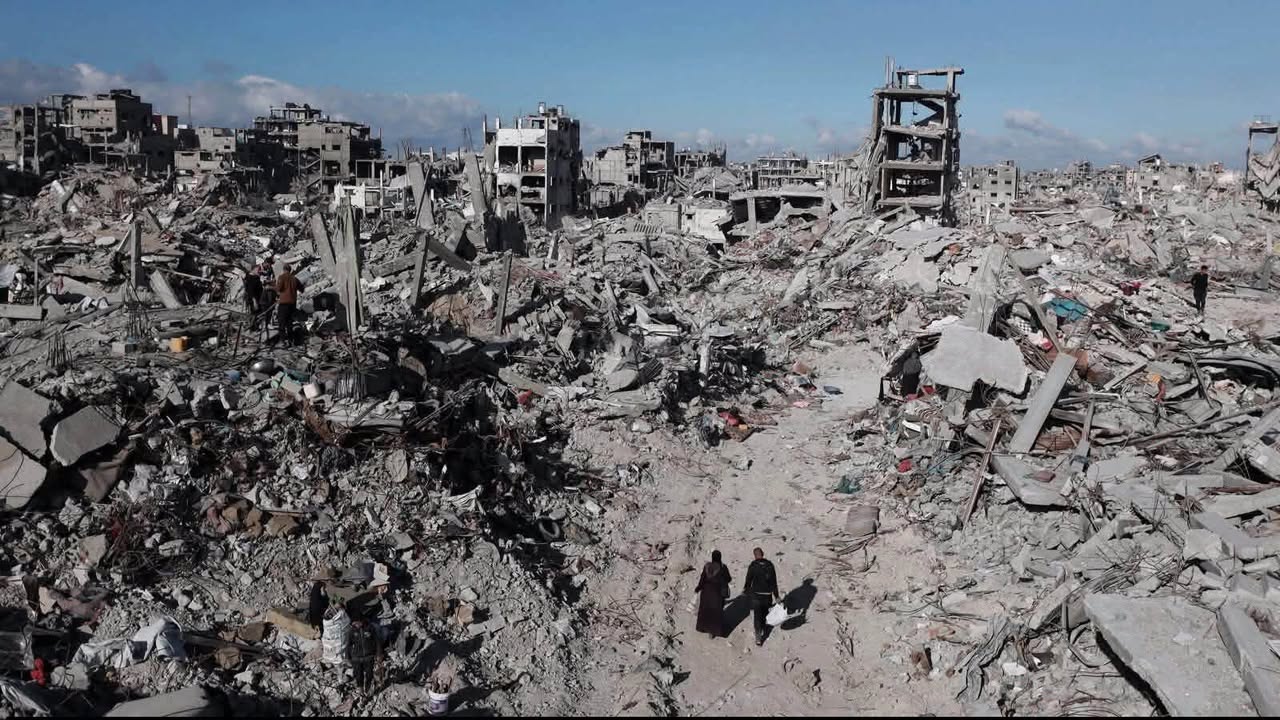
She noted that despite the October 2025 ceasefire, more than 1,330 people have been killed in Gaza over the past 11 months, while thousands remain missing and many have sustained lifelong disabilities from injuries caused by bombardment.
The report also cautions that its estimate does not capture the full scale of women assuming responsibility for their families. Some households remain formally classified as male-headed even when women have effectively taken over because husbands are missing, detained, separated, severely injured, disabled, or otherwise unable to fulfill their previous roles.
Calltorp said there is no single factor driving the increase, pointing to deaths from Israeli bombardment and military ground operations, forced displacement, missing people, and injuries resulting in lifelong disabilities.
“This has left behind tens of thousands of widows who are now heading households,” she said.
Greater needs, less access to aid
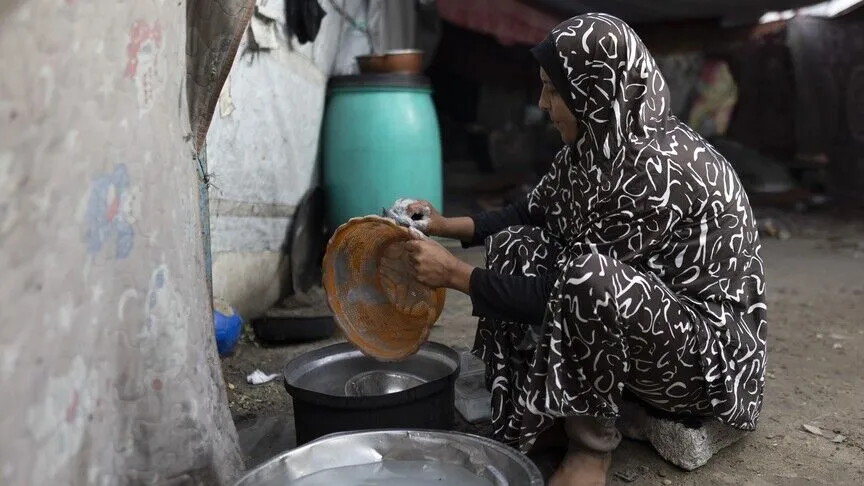
Women assuming responsibility for their families are doing so amid severe economic and humanitarian pressures.
According to the report, 68% of women-headed households reported unmet shelter needs, compared with 55% of male-headed households.
Women-headed households were also more likely to have had their homes damaged or destroyed, at 74% compared with 67% of male-headed households.
Economic insecurity was also more severe, with 67% reporting unmet cash needs, compared with 55% of male-headed households.
They were also displaced an average of eight times since October 2023, compared with seven times among male-headed households.
Despite their greater needs, 18.3% of women-headed households reported receiving no assistance, more than twice the 8.7% of male-headed households.
Calltorp said repeated displacement makes it harder to maintain stable shelter and consistently access assistance systems, while limited resources can restrict women’s ability to travel and meet eligibility requirements.
“This creates a bit of a vicious circle where women that also have greater cash needs have more difficulties in accessing support,” she said.
Protection risks, psychological toll
Women heading households also face heightened protection concerns. The report found that 19% reported gender-related protection concerns, compared with 8% of women living in male-headed households.
Calltorp said women and girls are forced to limit their food and water intake while prioritizing their families, and many live in shelters that do not provide adequate privacy. She recalled that hundreds of thousands of women and girls are already experiencing crisis-level food insecurity.
They can also face protection risks and harassment while going out to collect aid, food, and other essential items for their families, she said.
“The security environment has totally collapsed, leaving those women and girls without much protection at all,” Calltorp said.
The burden of becoming responsible for a household while simultaneously coping with loss is also taking a heavy psychological toll.
The report found that women heading households reported their children’s health needs at more than three and a half times their own, suggesting that their own health and psychosocial burdens may be underreported as they prioritize other family members.
Calltorp said women caring for their families alone while facing such risks are experiencing “extreme psychological and emotional trauma.”
Many, she said, have lost their husbands and the fathers of their children and must manage their new responsibilities while also grieving.
Legal and documentation barriers can further complicate their lives.
The report calls for assistance with civil documentation, death registration, widowhood, custody, guardianship, and inheritance, including for women whose husbands are missing or detained and who may not fall into formal widowhood categories.
Calltorp said legal assistance is “really critical” to ensure women can secure necessary documentation, access humanitarian support, and care for their families.
‘Assistance must be brought closer to women’
Calltorp called for changes to how humanitarian aid is delivered, including mobile registration, accessible distribution points, and alternatives for women unable to travel because of childcare, disability, or caregiving responsibilities.
“First of all, assistance must be brought closer to women,” she underscored.
She said protection against gender-based violence should also be built into aid delivery so women can collect assistance safely, while cash, shelter, and livelihood support should be integrated to prevent women solely responsible for households from having to navigate multiple systems.
Legal assistance should also be expanded, she added, particularly to help women obtain civil documentation and address issues related to death registration, widowhood, and guardianship.
But Calltorp said implementing these measures depends fundamentally on humanitarian access.
“We need to make sure that humanitarian access is fully granted, so that we can come in and support the women and girls in Gaza,” she said. Anadolu

 CrossFireArabia