Battle of Wills: Resistance V. Israeli Settlements

By Najla M. Shahwan|

As a part of its broader policy push to increase Israeli settlement presence in the occupied West Bank, Israel has approved recently the construction of more than 2,000 new housing units distributed across several strategic locations.

Pushing to annex more and more of the Palestinian territory Far-right Israeli Finance Minister Bezalel Smotrich has announced a major expansion of illegal settlements in the occupied West Bank.

Smotrich, who holds authority over parts of Israel’s civilian administration in the West Bank, said on 3 June that a planning committee had approved the construction of 2,162 new Jewish homes, of which 1,006 units will be in a new illegal settlement near Jerusalem, 922 near the city of Nablus and 234 near Hebron.

“We are continuing to build the Land of Israel in practice,” Smotrich said in a statement.

The new homes would “strengthen our hold on the land, reinforce Israel’s security, and establish clear facts on the ground that prevent the creation of an Arab terror state in the heart of the country”, he added.

Smotrich has been sanctioned by the United Kingdom, France, and other states, which accuse him of inciting violence against Palestinians.

The minister has denounced the sanctions and said they would not change Israeli policy.

Besides, on June 4, Israeli forces had delivered demolition notices to a number of shops at the intersection of the town of Bazariya, northwest of Nablus, to make way for a colonial road.

Meanwhile, some settlers stormed the village of Deir Sudan, northwest of Ramallah, accompanied by bulldozers, to seize it.

The developments come months after the Israeli government approved a land registration process in February that allowed Israel to take territory as “state property” if Palestinians could not prove ownership.

Palestinians seek the West Bank, including East Jerusalem and Gaza, as part of a future independent state.

Israel, meanwhile, maintains military and administrative control over large parts of the territory, while expanding illegal settlements in several areas.

The settlement expansion comes amid ongoing debate within Israel’s political leadership over the future of the occupied territories.

The Israeli Knesset gave on June 4 final approval to legislation granting tax exemptions to dozens of illegal settlements in the occupied West Bank.

In a statement, the Knesset said lawmakers approved the bill on its final reading, granting tax benefits to illegal settlements located in what it called the “eastern confrontation line zone.”

The legislation was sponsored by Knesset members Zvi Sukkot, from the Religious Zionism party led by Finance Minister

Bezalel Smotrich, and Limor Son Har-Melech, from the far-right Jewish Power party led by National Security Minister Itamar Ben-Gvir, along with other lawmakers.

The bill passed by 32-23 votes. Under the law, occupants will be entitled to tax exemptions throughout the tax year and may choose among available tax benefits if they qualify for more than one exemption.

The legislation is set to take effect in January 2027 and remain in force through Dec. 31, 2027. It also authorizes the finance minister, with approval from the Knesset Finance Committee, to extend its validity for additional periods of up to two years each.

In a report published at the end of May, the Israeli anti-settlement group Peace Now said the law would classify dozens of illegal settlements as areas whose residents are eligible for substantial tax benefits.

The group noted that the original bill sought to extend tax benefits to all settlements but was narrowed due to its high cost and professional objections, ultimately applying to 58 illegal settlements.

According to Peace Now, the updated version primarily includes illegal settlements where support for the Religious Zionism party is particularly strong.

The international community considers settlements built in the occupied Palestinian territory illegal under international law and a major obstacle to a two-state solution.

Netanyahu’s government has openly championed a significant expansion of illegal settlement activity since taking office at the end of 2022. According to Peace Now estimates, more than 750,000 Israeli occupiers live in the occupied West Bank including East Jerusalem.

While some international actors have warned against further annexation or expansion, enforcement measures remain limited.

The United States has historically expressed opposition to settlement expansion, although its positions have varied in intensity depending on administration policy.

On its part US President Donald Trump ‘s administration has been far less critical of the fast-expanding Israeli settlements.

The approval of thousands of new settlement homes further entrenches Israeli presence in the West Bank and complicates already fragile prospects for a negotiated political settlement.

Additionally, settlement expansion changes demographic and geographic realities on the ground, making territorial compromise increasingly difficult and it reinforces perceptions that a viable independent state is becoming harder to achieve.

For Israel, supporters of settlement growth argue it strengthens security and consolidates control over strategically important areas while critics, , say it increases friction with Palestinian communities and fuels long term instability.

However, with diplomatic efforts largely stalled, continued expansion is likely to remain a central flashpoint in the conflict and a key issue in deepening regional tensions.

Najla M. Shahwan is a Palestinian author, researcher and freelance journalist and published this article in the Jordan Times

CrossFireArabia

CrossFireArabia
Dr. Marwan Asmar holds a PhD from Leeds University and is a freelance writer specializing on the Middle East. He has worked as a journalist since the early 1990s in Jordan and the Gulf countries, and been widely published, including at Albawaba, Gulf News, Al Ghad, World Press Review and others.

Related Posts

West Bank: A Ticking Time-Bomb

By Ismail Al Sharif

Imagine you are sitting with your children at home when a violent knock shakes the door. You open it to find a blond, European-looking man holding a weapon in one hand and a Torah or Talmud in the other, with soldiers behind him.

He orders you to leave the house, saying: “God gave me this house 3000 years ago.” You reply, “But it’s my home; I was born here, and my father and grandfather were born here before me.”

They push you aside, storm into your house, and throw your furniture outside. Your children cry, they throw your wife out, and your blood boils. You wrest the weapon from the blond man and shoot him. They kill you, and then a bulldozer comes to demolish your house.

The next day, the world’s newspapers headline: “Army kills terrorist after he tried to attack occupation soldiers.”

You might go out in the morning to graze your sheep, and in the distance, you see a few fair-haired young men who have pitched a tent on a fenced-off plot of land on a hill. At first, the scene seems fleeting, but soon you see them approaching your land, wandering among your olive trees and your flock, then attacking you, stealing your livestock, and burning your trees.

After that, they seize part of your land and annex it to the area they have taken over. The fence extends day by day, growing longer and wider. Over time, your land, and the land of your relatives, friends, and all the people of your village, becomes part of the nucleus of a new settlement.

Roads change, streets are closed, and checkpoints are erected, until reaching a place only a few hundred meters away becomes a journey that takes hours.

These scenes are repeated daily in the West Bank, where settlers terrorize, assault, and kill Palestinians under the protection of the occupation army, while ministers from the occupation government appear in the background of these attacks. The goal is clear: To empty the West Bank of its original inhabitants, both Muslims and Christians, and uproot them from their land, paving the way for its seizure and Judaization.

All of this is happening in full view of the world, amidst President Donald Trump’s objections and the condemnation of the international community, at a time when his 20-point peace plan was announced in a celebratory atmosphere on September 29th of last year.

However, time has revealed that this plan was nothing but ink on paper. The occupation continues to control over 60% of the Gaza Strip, demolishing buildings and bulldozing agricultural lands in the areas under its control. It also continues its daily bombardment of the Strip, which, since the plan’s launch, has resulted in the deaths of approximately 1,200 Gazans and injured more than 3,600 others. This is while the siege continues and humanitarian aid is prevented from entering.

As for the West Bank, settlement outposts have expanded, and the occupation government recognized 19 additional settlements after the plan’s launch. This coincides with an unprecedented escalation in settler attacks, the continued demolition of homes and displacement of their residents, as well as the ongoing incursions into Palestinian cities, villages, and refugee camps.

The government of war criminal Benjamin Netanyahu makes no secret of its plans to annex the West Bank and thwart any attempt to establish a Palestinian state, while its leader orders the occupation army to launch continuous military campaigns in West Bank cities, villages, and refugee camps.

The West Bank today sits atop a powder keg, fueled by accumulated feelings of anger, fear, frustration, and resentment, awaiting a spark that could ignite the situation. Then, the sporadic confrontations could transform into a widespread popular uprising, which could very well extend beyond the borders of the West Bank.

No one knows how wide the circle of confrontation might widen, where it might spread, or the extent of the repercussions it might have in Jerusalem, the Palestinian territories within Israel, and neighboring countries. Arab governments and their armies may find themselves facing mounting popular and political pressure, pushing them either to engage in a confrontation they do not want, or to take positions and actions they have long sought to avoid.

This article was originally written in Arabic by Ismail Al Sharif and published in Jordan’s daily newspaper Ad Dustour and is reprinted in crossfirearabia.com. Mr Al Sharif long worked in newspaper management and publishing in Amman. 

Continue reading
Wildfires, Tough Questions

By Ayoub Abu Dayyeh

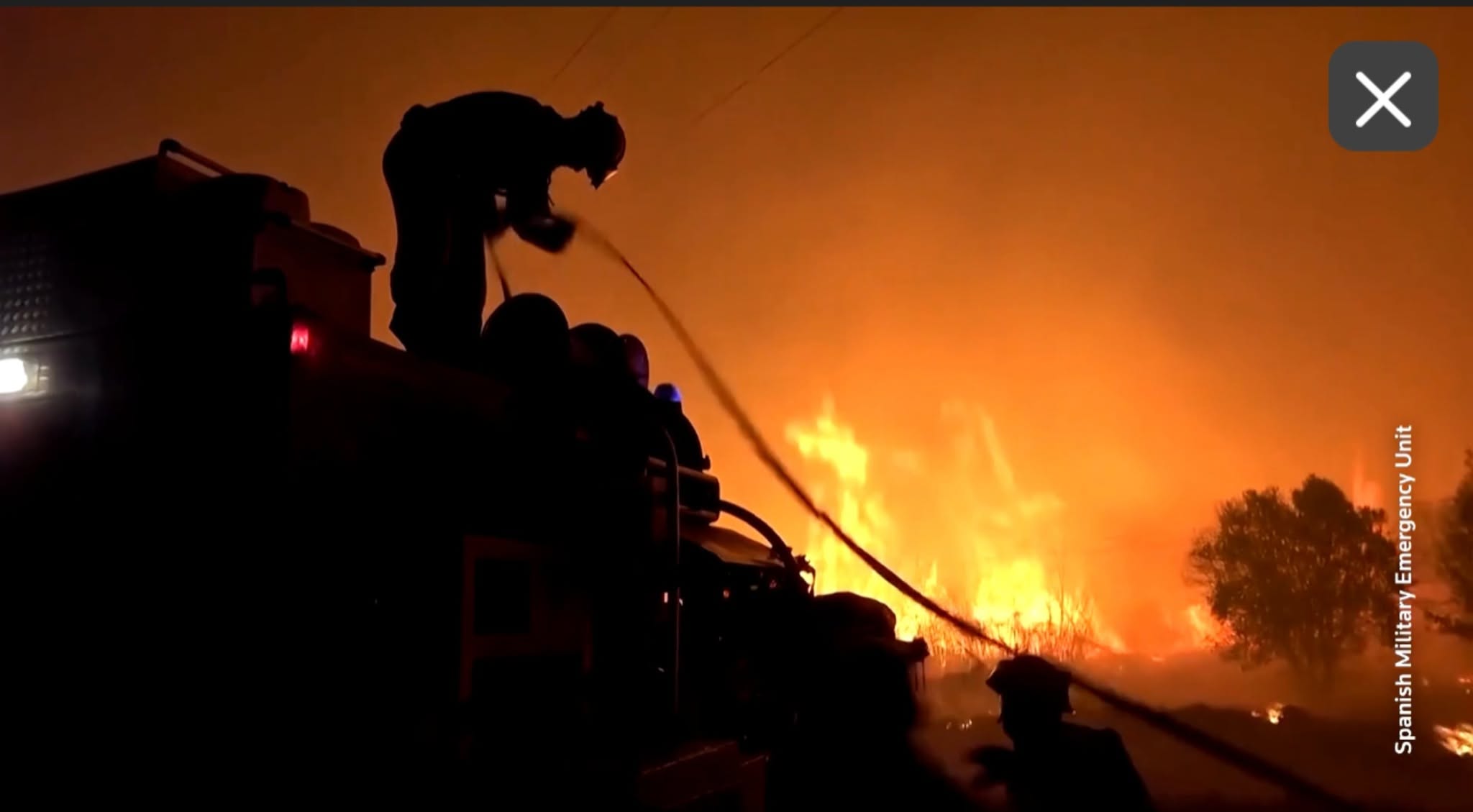
Every summer, southern Europe braces for another wildfire season. This year, large fires have swept across parts of Spain, Sicily and southwestern France, destroying forests, threatening villages, forcing evacuations, and leaving behind landscapes that may take generations to recover.

Firefighters have displayed extraordinary courage, often risking their lives against flames intensified by drought, heat waves, mulch and strong winds. Yet the repeated return of these disasters raises a question that extends beyond climate change and forest management. It is a political and moral question about priorities.

Spain and France are among Europe’s strongest economies and are both leading members of NATO. Together with their allies, they possess some of the most advanced military capabilities ever assembled. NATO can mobilise fleets of aircraft, satellites, drones, logistics networks, and highly trained personnel with remarkable speed when military operations are required. History has shown that the alliance has been able to sustain prolonged military campaigns in countries such as Afghanistan, Iraq, Iran and Libya, while individual member states have also participated in operations in Syria and against Iran-backed military targets in recent years. The financial and technological resources devoted to warfare are immense.

Against this backdrop, the struggle against wildfires appears strangely underpowered. Each summer, firefighters often speak of aircraft shortages, exhausted crews, and limited resources. Local authorities compete for specialized firefighting planes because demand exceeds supply. Countries request assistance from their neighbors through European cooperation mechanisms, yet devastating fires frequently continue burning for days before sufficient aerial support arrives. Even Jordan has participated in firefighting in Cyprus on many occasions.

This contrast invites reflection. If nations possess the industrial capacity to manufacture sophisticated fighter jets, cruise missiles, precision-guided weapons, and advanced drones and surveillance systems, why does the world still struggle to produce enough specialised firefighting aircraft? If military alliances can coordinate thousands of personnel across continents within hours, why is a similarly ambitious international system for combating natural disasters still so limited?

The question is not whether military forces should disappear. Every nation has legitimate security concerns and responsibilities to defend its citizens. Rather, the question concerns balance, justice and equity. Security today is no longer defined solely by armies confronting one another. Climate change, prolonged droughts, extreme heat, floods, and wildfires increasingly threaten lives, infrastructure, food security, biodiversity, and economic stability. A forest fire that destroys thousands of hectares, devastates tourism, and fills cities with smoke is not merely an environmental problem. It is a national security challenge.

Imagine if even a small fraction of global military expenditure were redirected toward environmental emergency preparedness. Hundreds of additional firefighting aircraft could be built and strategically stationed around the Mediterranean basin. Satellite systems already monitoring military movements could continuously detect new fires within minutes. Military logistics could rapidly deploy firefighters, engineers, medical teams, and equipment wherever flames emerge. Joint exercises could prepare nations not only for armed conflict but also for climate-related disasters.

Such an initiative would not require abandoning defense. It would simply recognise that the threats of the twenty-first century demand broader definitions of security. Protecting forests, preserving water resources, and safeguarding communities against climate-driven disasters deserve the same seriousness that governments devote to conventional military planning.

Some may argue that military aircraft cannot simply replace firefighting planes. They are correct. Different missions require different equipment, training, and tactics. Nevertheless, the comparison remains valid at the level of priorities. The capacity to invest, innovate, manufacture, and coordinate certainly exists. The real question is whether sufficient political will exists to treat environmental emergencies with equal urgency.

The forests burning across Spain, Sicily, Greece and France remind us that nature does not recognize national borders. Smoke drifts across countries and so pollution. Wildlife disappears without passports. Carbon released from burning forests contributes further to global warming, increasing the likelihood of future fires. Every delayed response makes the next disaster more probable.

History often celebrates technological achievements developed for war. Perhaps the coming decades should instead celebrate technologies developed for protecting life. Imagine an international alliance whose greatest strength lies not in the destructive power of its weapons but in its ability to extinguish fires, prevent famine, restore ecosystems, and save human lives before disaster spreads.

The smoke rising above the forests of Spain and France should therefore provoke more than sympathy. It should provoke a reassessment of our collective priorities. Humanity has demonstrated extraordinary ingenuity in designing machines capable of striking targets thousands of kilometers away with astonishing precision. Surely the same ingenuity can be directed toward extinguishing fires that threaten our shared natural heritage.

In the end, the measure of civilization is not only how effectively it wages war, but also how effectively it protects life. When future generations look back at our time, they may ask a simple question: Why was it easier to finance destruction than to prevent forests from burning? The answer will reveal far more about our values than about our technology.

Ayoub Abu Dayyeh wrote this piece for The Jordan Times.

Continue reading

You Missed

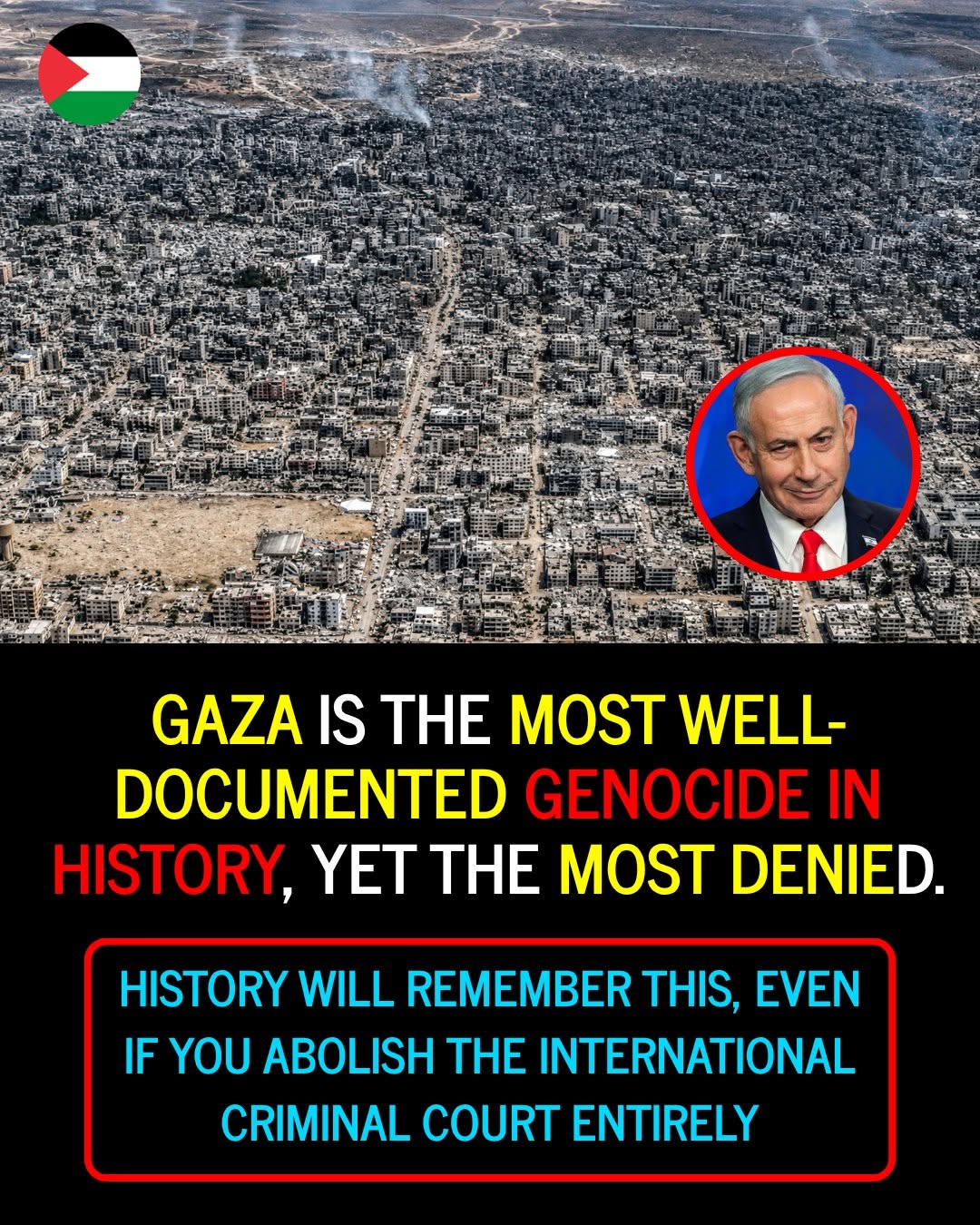
Documenting Genocide, Denying Genocide

  • By marwan
  • July 29, 2026
  • 11 views
Documenting Genocide, Denying Genocide

Pain of Gaza is a ‘Non-stop’ Israeli Stain

Pain of Gaza is a ‘Non-stop’ Israeli Stain

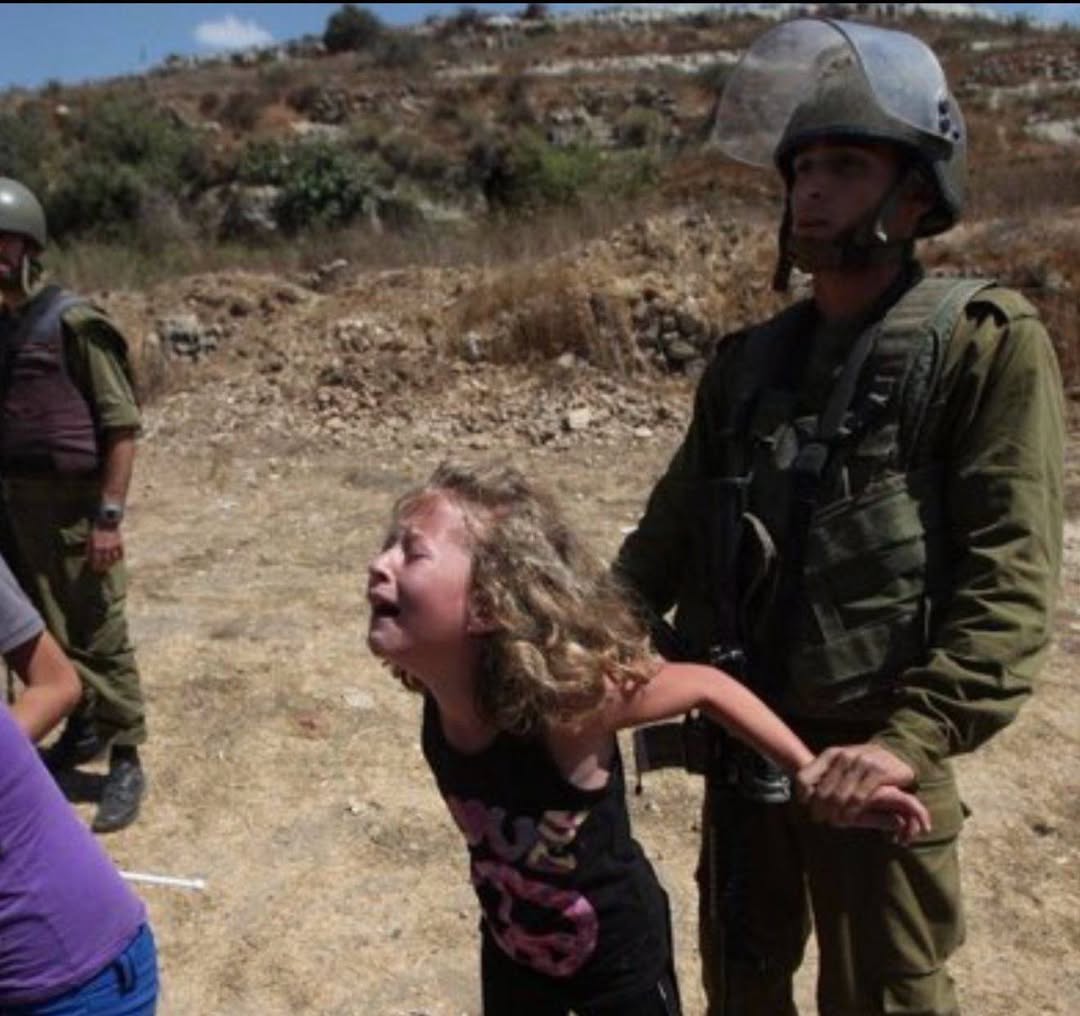
Freed Majdalawi Shouts Aloud For Palestinian Prisoners

Freed Majdalawi Shouts Aloud For Palestinian Prisoners

Aldous Huxley on Propaganda, Censorship

Aldous Huxley on Propaganda, Censorship

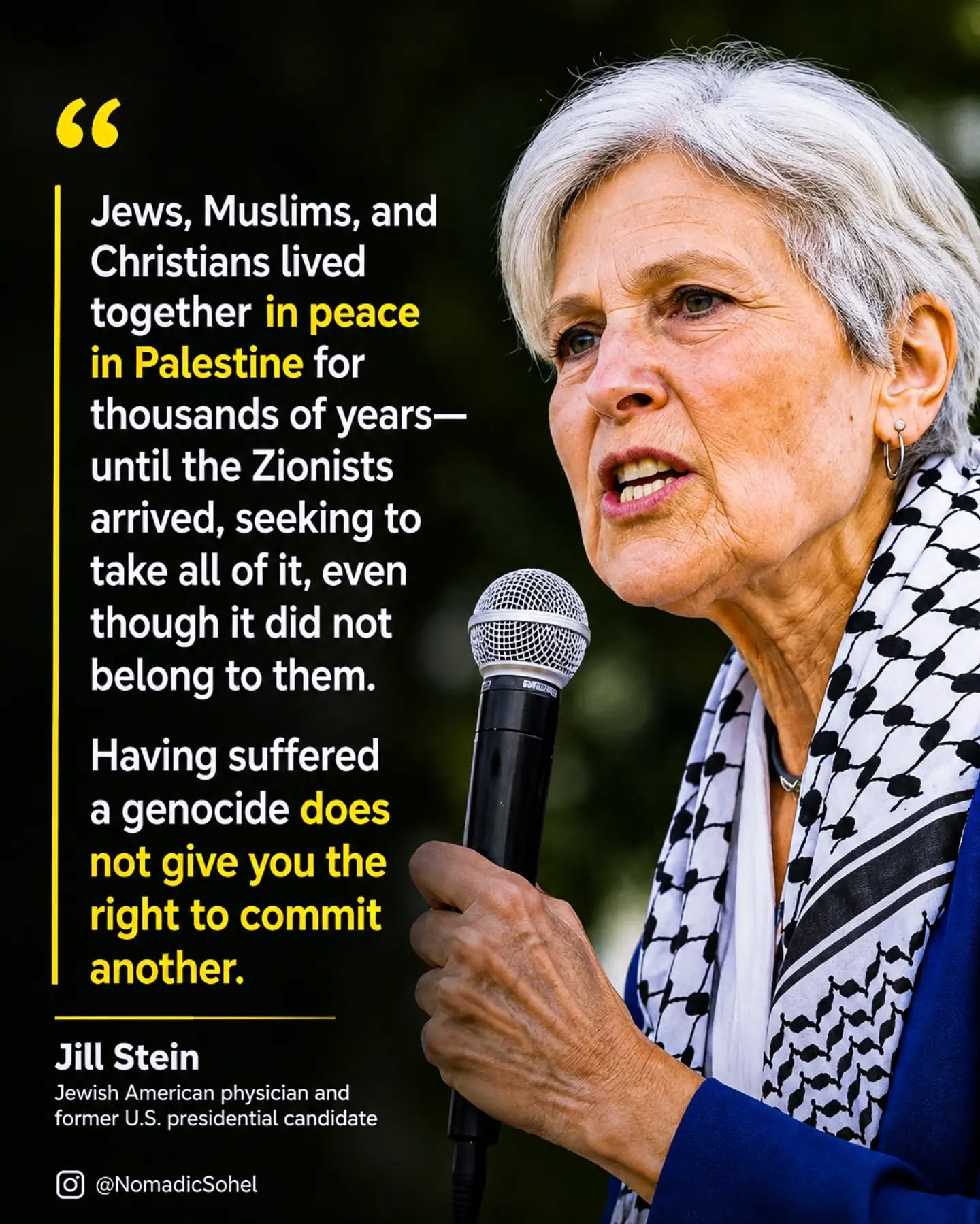
Jill Stein Speaks The Truth

  • By marwan
  • July 28, 2026
  • 11 views
Jill Stein Speaks The Truth

In Gaza: Number of Killed Spikes to 73,333, Leaves 174,023 Wounded

  • By marwan
  • July 28, 2026
  • 20 views
In Gaza: Number of Killed Spikes to 73,333, Leaves 174,023 Wounded