Bombs And The Pregnant Women of Gaza

When Hanin first sought care for her malnourished daughter in Khan Younis in southern Gaza, Palestine, the clock began ticking on her chances of survival.

“[My] child was in a critical condition. They referred me to the hospital but there was no means of transportation,” explains Hanin.

Finally, they reached the Médecins Sans Frontières (MSF) inpatient therapeutic feeding centre on a cart.

“My child was tired. She was resting her head towards me and not moving,” says Hanin. “She was close to death before we reached the hospital.”

In contexts like Gaza, where the health system has been decimated and has collapsed, late access to care is posing a health risk to pregnant women and their children. – MERCÈ ROCASPANA, MSF EMERGENCY UNIT HEALTH ADVISOR

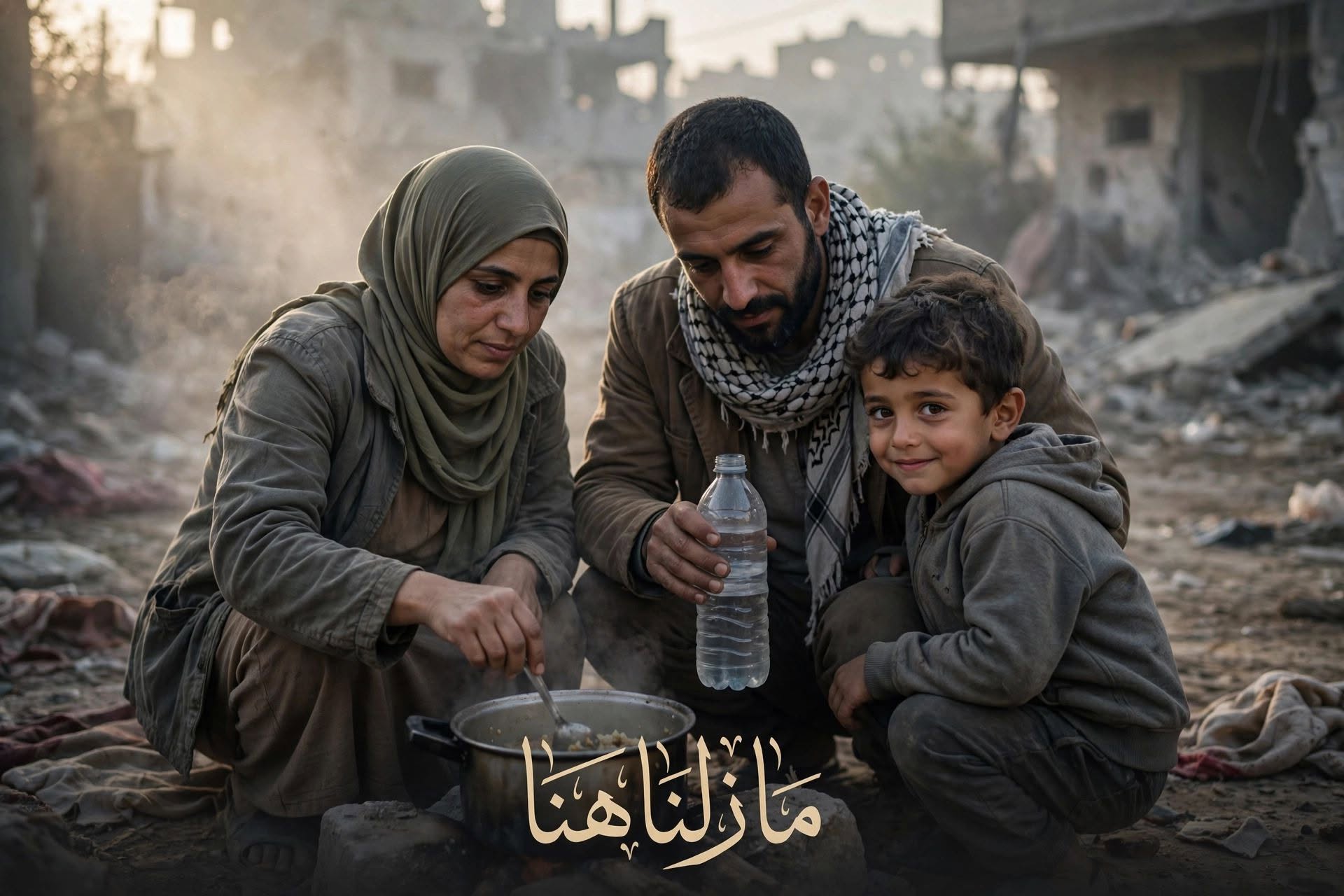
After nine months of relentless war, people’s access to healthcare in Gaza continues to worsen, particularly for those most vulnerable when healthcare is unavailable, such as pregnant women and children. Their vulnerability has been exacerbated by repeated displacement, inadequate living conditions, insecurity, and poor nutritional conditions. As a result, MSF teams are seeing an increase in pre-term deliveries and malnutrition in children in the south of Gaza.

“The main health risks for pregnant women are blood-pressure related complications such as eclampsia, haemorrhage and sepsis – which can become deadly if not treated in time,” says Mercè Rocaspana, MSF emergency unit health advisor. “In contexts like Gaza, where the health system has been decimated and collapsed, late access to care is posing a health risk to pregnant women and their children.”

Sole option for maternity and paediatric care in southern Gaza

Al-Nasser hospital is the last tertiary hospital providing maternal and paediatric care in Khan Younis. In February, after several weeks of intense fighting with Palestinian armed groups in Khan Younis, Israeli forces stormed the facility, which had been under siege. MSF teams were forced to flee the hospital.

In May 2024, MSF teams returned to the hospital, and in June, together with the Ministry of Health and other organisations, we reopened the maternity and paediatric wards, including an inpatient therapeutic centre. We started providing support to the paediatric intensive care and neonatal intensive care units.

The needs of women and children are skyrocketing, yet MSF teams at Al-Nasser hospital are witnessing a shortage of vital supplies, jeopardising the provision and quality of care. Due to the lack of other functioning healthcare centres, Al-Nasser is facing an overwhelming increase in patients every day. Between 29 June and 5 July, the paediatric emergency department alone recorded more than 2,600 consultations, meaning staff attended to more than 300 children each day. As more and more children are admitted for inpatient care, they are being forced to share beds, pushing the paediatric services beyond their capacity.

“We are seeing malnourished children, an issue never seen in Gaza before,” says Joanne Perry, MSF project medical adviser, a member of the MSF team working in Al-Nasser hospital. “People are living in tents with minimal access to clean water, and abysmal sanitation. Bombing has devastated the sewage and water systems, resulting in diarrhoea, dehydration, and hepatitis A and skin infections among children.”

Some women are delivering prematurely, often with postpartum complications exacerbated by their living conditions. – MOHAMAD SHIHADA, MSF NURSING TEAM SUPERVISOR

Access to lifesaving maternal care

As the last hospital providing maternity care in Khan Younis, Al-Nasser hospital and its medical team is handling from 25 to 30 deliveries a day. In addition to functioning hospitals being destroyed or closed, the decimation of infrastructure has also created severe obstacles for pregnant women to reach medical facilities. Pregnant women are often forced to navigate unsafe routes amidst the fighting and without safe transportation – often delaying access to healthcare and putting them at higher risk of complications.

“I rode on a donkey-pulled cart to Al-Nasser hospital alone, as my husband couldn’t afford to join me due to financial constraints,” says Najwa, an expectant mother in Gaza.

At the same time, once women have given birth, they must quickly return to unsanitary conditions, often in tents, where lack of food and constant stress put them and their newborns at further health risk.

“Some women are delivering prematurely, often with postpartum complications exacerbated by their living conditions,” says Mohamad Shihada, MSF nursing team supervisor working in the MSF neonatal intensive care unit of Al-Nasser hospital.

In addition to maternity services, MSF is supporting the neonatal intensive care unit, which is equipped with 29 beds and incubators for high-risk newborns.

“There’s no […] diapers, or suitable clothing for my baby,” says Khadra, who gave birth in Al-Nasser hospital’s maternity ward. “Living in a tent exposes them to extreme conditions without even a proper bed.”

As the sole functional maternity unit in southern Gaza, Al-Nasser hospital will continue to face challenges with capacity. Reopening the maternity and paediatric wards is one step forward to providing care, but an immediate and sustained ceasefire in Gaza, alongside unhindered humanitarian aid is the only solution to alleviate the suffering of people trapped in the Gaza Strip, including pregnant women and children.

This article is reprinted from reliefweb

Continue reading
Half a Million Jews Left Israel Since 7 October

Since the beginning of the Israeli war on Gaza on 7 October, 2023, nearly half a million Israelis left the country according to data from the Israeli Population and Immigration Authority.

Israel’s Zman magazine reported that 470,000 Israelis have emigrated from Israel, and it remains uncertain if they will ever return to the Jewish country in the meduim term and/orin the future.

The figures are alarming. One in four Israelis is looking for a way to leave the country pointes out the Jewish People Policy Institute

As well, statistics show there has been a significant decline in the number of Jewish immigrants to Israel beginning early October, and dropping by about 50 percent compared to the beginning of 2023.

This low trand is continuing. At the end of last June the Population and Immigration Authority estimated that 370,000 people left Israel in the previous two months. They stood at 230,309 last October and 139,839 in November.

Before the Gaza war outbreak, approximately 600,000 Israelis traveled abroad for vacation. The figures now show that Israelis are going abroad and not coming back.

Continue reading
Gaza’s Situation is ‘Moral Stain on All of US’ – Antonio Guterres

UN Secretary-General Antonio Guterres said the humanitarian situation in Gaza is a “moral stain on us all” as the Israeli genocide war enters its 10th month.

During a meeting of the United Nations Security Council (UNSC), Wednesday, Guterres repeated his call for an immediate ceasefire in the Gaza war.

“The humanitarian situation in Gaza is a moral stain on us all,” Guterres added.

The UN Chief also said that Israel’s policy toward the occupied West Bank is dooming any prospect of a two-state solution with the Palestinians.

Through administrative and legal steps, Israel is changing the geography of the West Bank, Guterres said in a statement read by his chief of staff, Courtenay Rattray.

Settlement expansion is expected to speed up due to big land seizures in strategic areas and changes to planning, land management and governance, Guterres added.

“Recent developments are driving a stake through the heart of any prospect for a two-state solution,” said the UN chief.

Israeli military raids, arrests of Palestinians and settler violence have soared in the occupied West Bank and occupied Jerusalem since Israel launched its war on Gaza on October 7.

Guterres noted that Israel has taken punitive steps against the Palestinian Authority and legalized five Israeli outposts in the West Bank.

“We must change course. All settlement activity must cease immediately,” Guterres said.

This article is reprinted from the Al Quds News Network

Continue reading
Nasrallah Warns Israel Not to Invade Lebanon

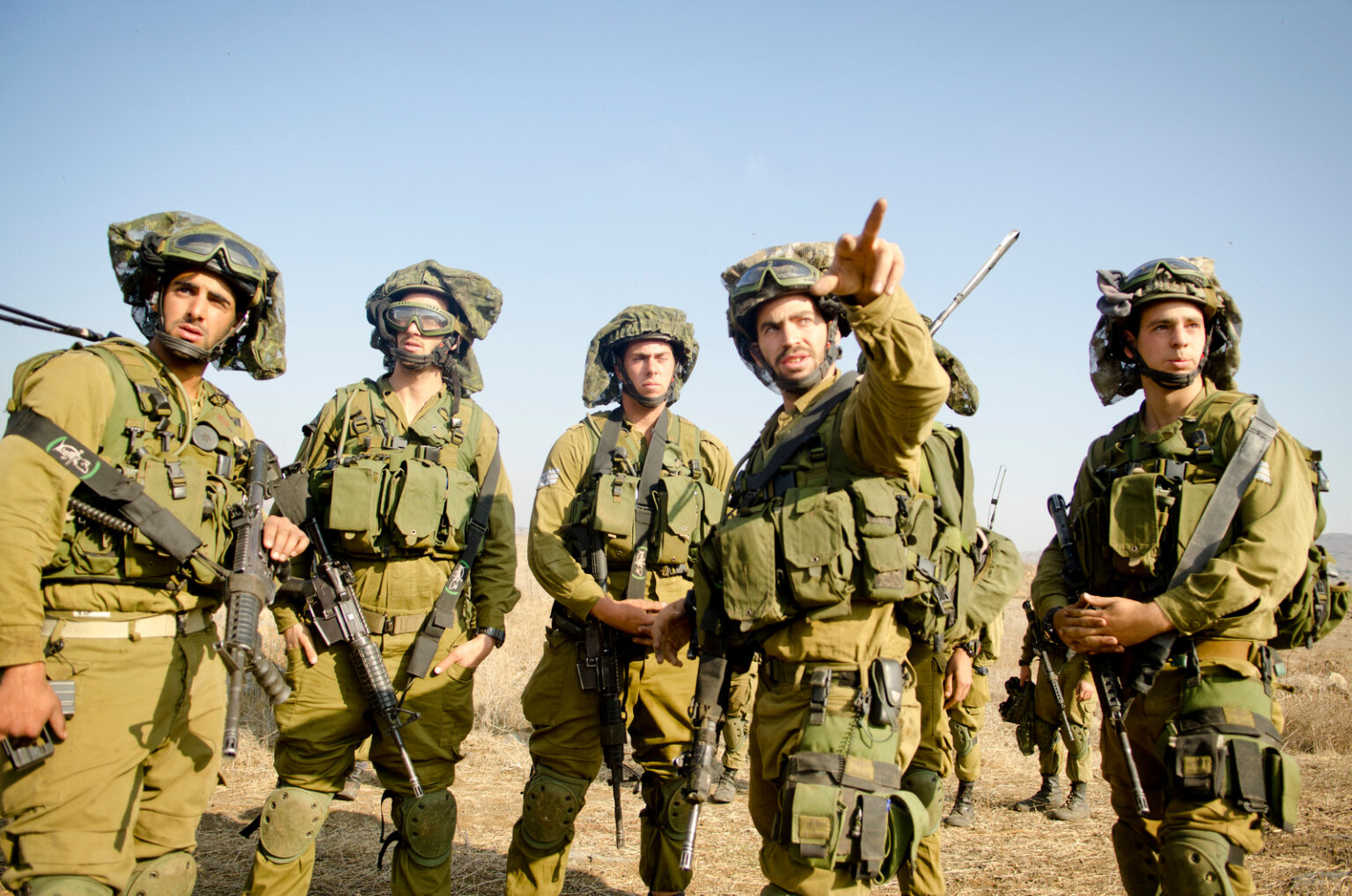
Israeli Defense Minister Yoav Gallant threatened Hezbollah, Wednesday, with a potential ground invasion of Lebanon that would “be rapid, surprising and decisive,” Israeli media reported.

“We can swiftly shift our main effort from the south to the north in an instant,” Gallant said during a visit to the northern border, according to the Yedioth Ahronoth newspaper as reported in Anadolu news.

In response Hezbollah’s Secretary-General Hassan Nasrallah, Wednesday pledged, his group’s fighters would wipe out the Israeli army’s tanks should they invade Lebanon reports the Lebanese website naharnet.

Such talk is happening when there are reports the Israeli army is running out of tanks and munitions and manpower as it continues its 10-month war on Gaza.

According to The New Arab  a significant number of tanks have been damaged or are completely out of service amid its Gaza offensive, Israel military sources suggest but they did not reveal the exact number, Israeli daily Yedioth Ahronoth reported.

Nasrallah commented “if your tanks come to Lebanon and its south, you will not suffer from a shortage of tanks, because you will no longer have tanks.”

Making his comments at the end of Ashoura commemorations he warned if Israeli strikes continue on southern Lebanon, Hezbollah will target new settlements in Israel which have not been hit before.

Hezbollah has vowed to keep up its retaliatory attacks on Israel so long as it continues its deadly onslaught on Gaza which began soon after 7 October, 2023.

He said Israel has continued to pay a heavy toll because of its aggression on Gaza.

 “The toll includes 9,254 individuals, among them officers and soldiers, with 3,000 amputees, 650 paralyzed, 185 completely blind, and several thousands suffering severe psychological trauma,” he said.

“Our front in Lebanon will remain active as long as the aggression against Gaza, its people, and its resistance continues in all its forms,” Nasrallah asserted and as reported by Press TV.

.

Continue reading
The Bombs Under Gaza’s Rubble Wait to Explode

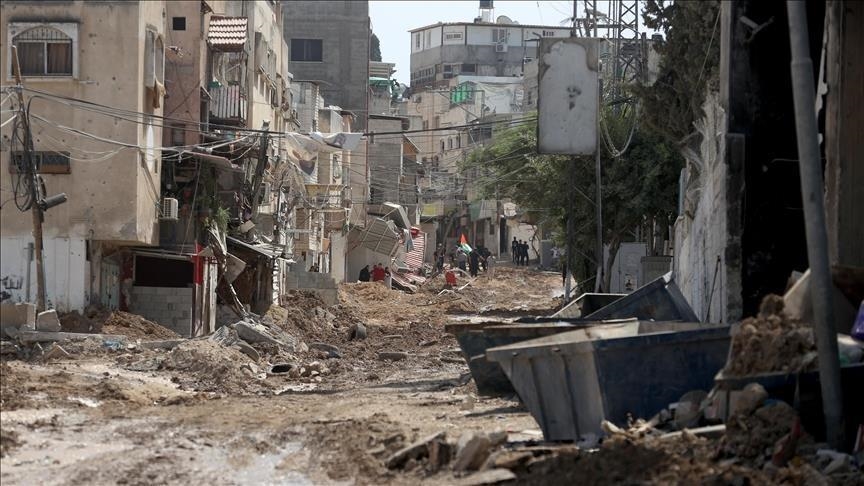
On top of the mass destruction that Gaza has suffered for the past 10 months, today many local and international organizations are asking what will happen to the unexploded bombs dropped by Israeli warplanes and which now lie under the mass rubble and wreckage of Gaza.

They are deeply worried that another disaster is about to happen because of the large quantity of unexploded bombs and missiles deeply buried under the rubble womb of Gaza.

French newspaper ‘Libération’ reported the Israeli assaults on over 40,000 estimated targets in the Strip created about 39 million tons of rubble in the tiny area of Gaza that spans only 41 kilometers.

According to the report, typically, one in 10 conventional bombs do not detonate. With the ongoing genocide on Gaza and the repeated displacements of 100s of thousands of Palestinians, the risk of accidents and explosions from these unexploded ordnance increases.

Experts warn that each layer of debris could conceal unseen, unexploded ordnance, as reported in the Quds News Network.

The problem becomes riskier because the Israeli army – tanks and warplanes –  is bombing different areas countless times. Jabalia, Tal Al Hawa, Sheikh Radwan, Shujaiya, Nuseirat and many others are being bombed twice, thrice and a fourth time which means the likehood of these “dormant” bombs exploding becomes much higher.

Comstant, bombings, explosion, TNT powder is like to have a health and environmental impacts on the area because of the derivatives this Israeli war is having on localities and spaces: 800,000 tons of asbestos, thousands of bodies, and toxic, organic, and the chemical materials that now lie deeply buried under the rubble.

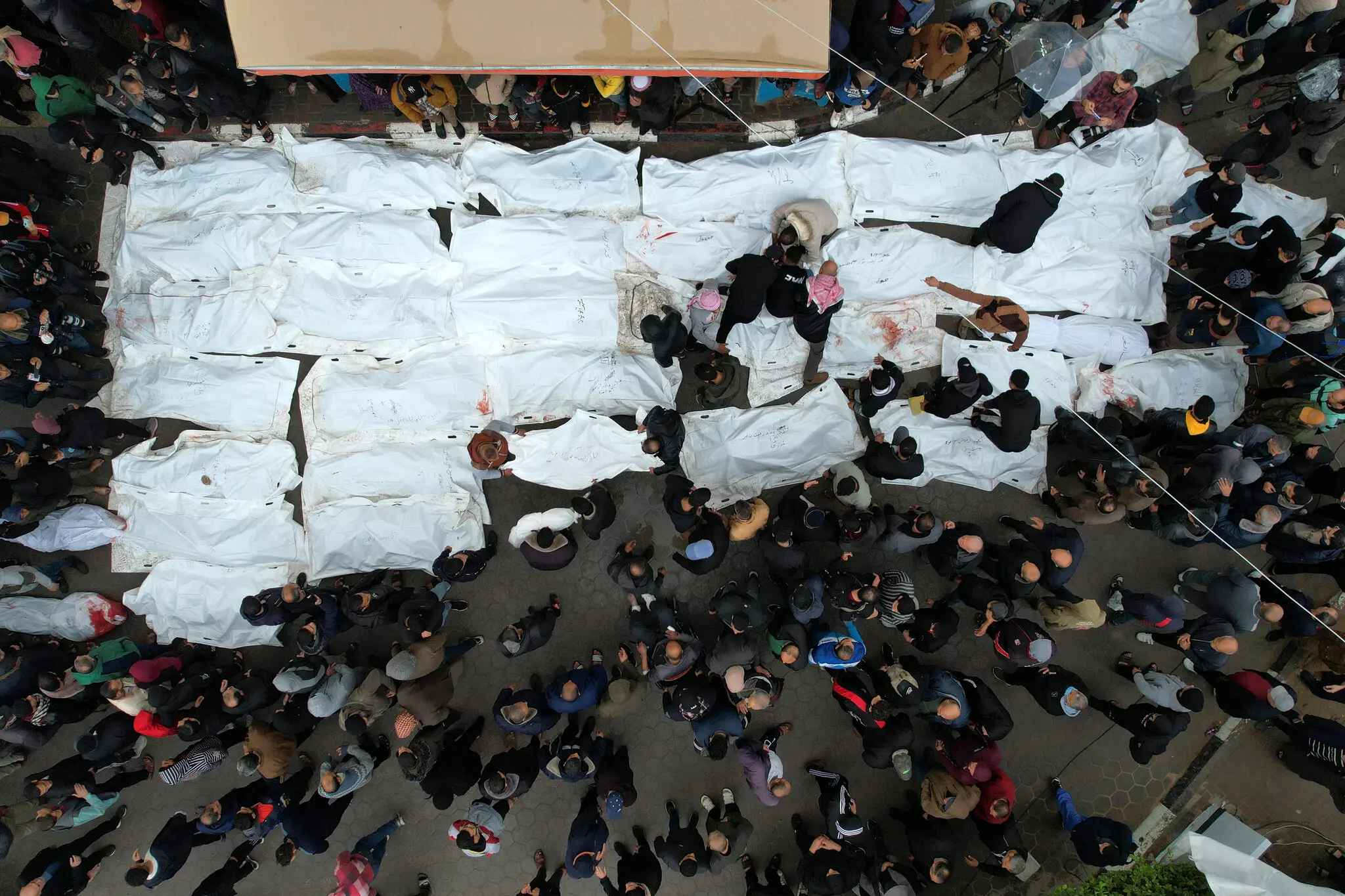
This is not to say anthing about the hospitals – 36 of them – that have also been subject to endless bombings and military encroachment. Some of these hospitals like Al Shifa Complex in Gaza City is completely destroyed by the Israeli army and now lie in ruin and houses radioactive equipment and biological materials. These now lie beneath the debris like ticking time-bombs.

Expert were always worried about the thousands of unexploded shells and missiles dropped, stating these pose a long-term dangers to the population of Gaza. The UN has estimated that 10% of the ordnance dropped by the Israeli military on the Strip have not  exploded. This means they lie under the scattered streets, lands and homes that have been turned into rubble and debris.

The Government Media Office has warned about recurring incidents of explosions in homes, particularly from canisters made to deceive and harm civilians, especially children. There have been numerous injuries from such devices.

Expert voices inside Gaza and the international community have been made to send specialized engineering teams and explosive experts, and equip and provide local authorities with the necessary technical resources to deal with bomb removal and other hazards safely. But these have been ignored by the Israelis.

Danish newspaper ‘Information’ reported in the first three months of the war on Gaza, around 45,000 bombs were dropped, averaging 500 bombs per day or 21 bombs per hour. This extensive bombing has damaged/or destroyed 50-62% of all buildings in Gaza, according to a study by New York University in collaboration with the University of Oregon. The newspaper warned of severe long-term consequences due to the thousands of unexploded bombs, impacting Palestinians’ recovery efforts after the war according to the Quds News Network.

Unexploded bombs are dangerous to the future of Gaza and would remain apparent after the war ends when the removal of the debris and reconstruction starts. Thus, the demining process is likely to be long-term and of hindrance to the development of Gaza especially in densely-populated areas.

The report noted over 14% of bombs dropped in Gaza remain unexploded, far exceeding earlier estimates of about 6,300 bombs and missiles in the first three months of the conflict.

The presence of numerous unexploded bombs are forcing residents to live in a perpetual war-situation. This is even when the bombs stop raining down, tanks cease fire and the trauma subsides. We are still at stage one of the war; the second stage is who is going to clear these ticking time bombs.

Continue reading