
Ben-Gvir: ‘We’ve Become Middle East Joke’
 CrossFireArabia
- February 9, 2025
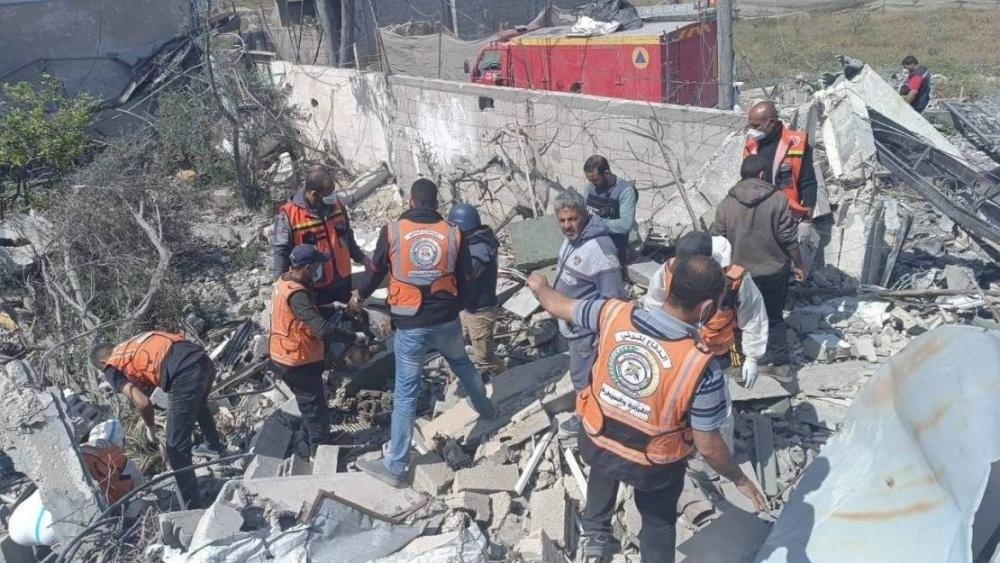
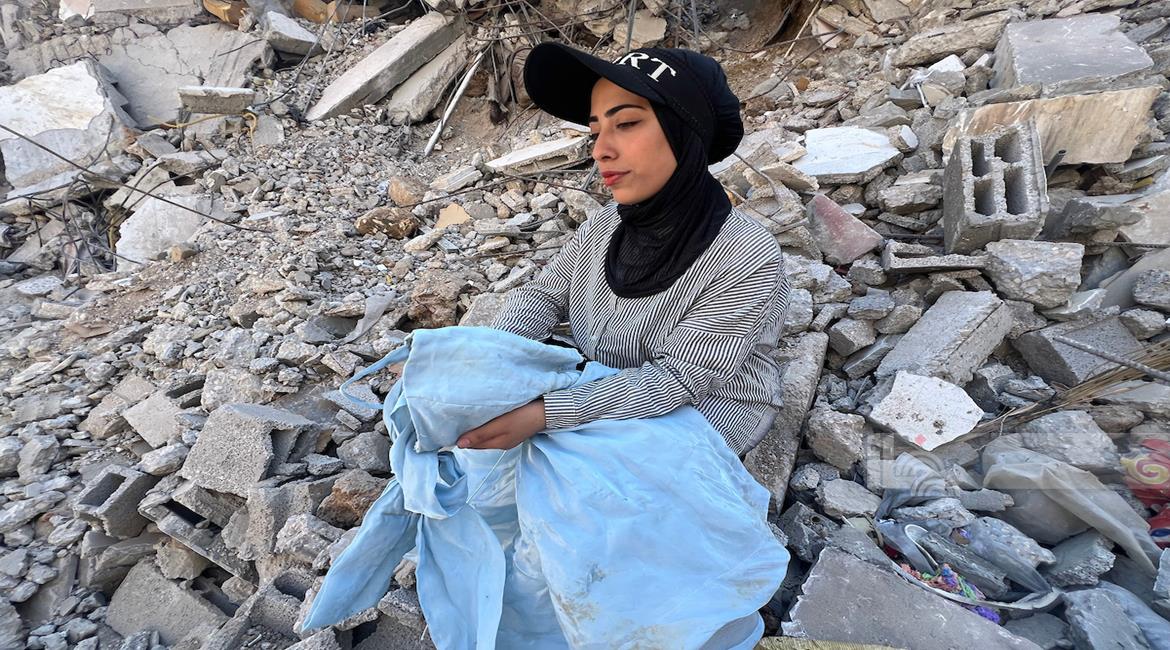
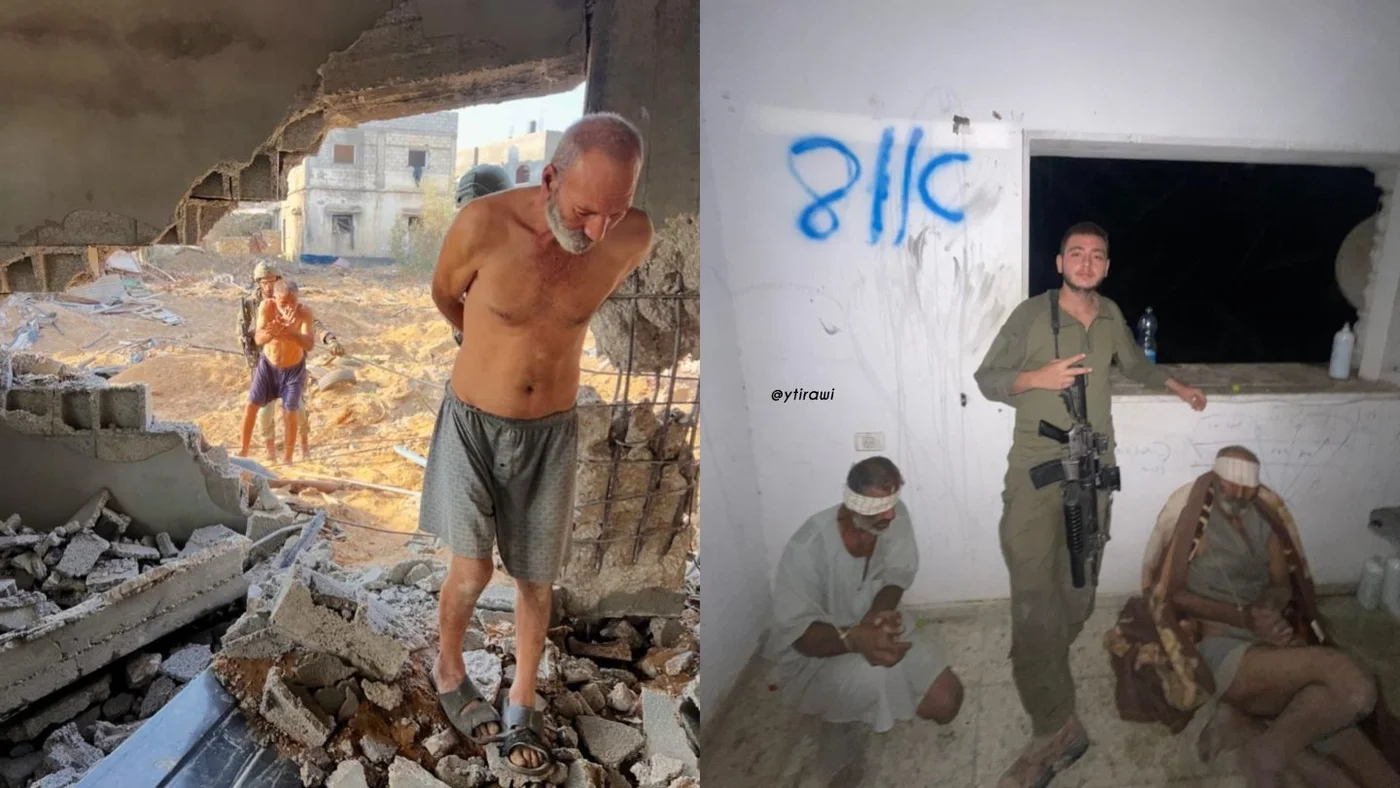
Itamar Ben-Gvir: “We have become the joke of the Middle East, and I was the only person in the cabinet to oppose the entry of humanitarian aid to Gaza.”
Israeli Army Kills Pregnant Woman
- CrossFireArabia
- February 9, 2025
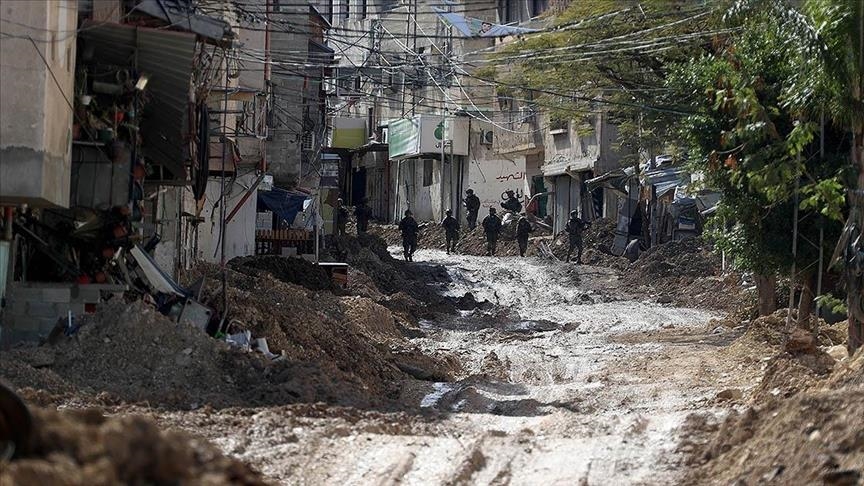
An 8-month pregnant woman was killed by Israeli army fire in the northern West Bank on Sunday, the Health Ministry said. Sundus Jamal Shalabi was just 23 years old.
Her husband was also seriously injured during an Israeli military raid on the Nur Shams refugee camp east of Tulkarem city, the ministry added in a statement.
The ministry said the woman’s fetus also lost his life in the attack.
According to witnesses, Israeli forces opened fire on the family as they were displaced from the camp by the Israeli assault.
The Israeli army raided the camp early Sunday and forced several families out of their homes and converted them into military outposts.
The military claimed that the offensive targeted what it called “disruptive activities” in the camp.
The Israeli escalation follows a broader Israeli military offensive that began on Jan. 21 in Jenin and its refugee camp, as well as surrounding towns, killing at least 25 people, according to the Palestinian Health Ministry.
The army expanded its assault into Tulkarem on Jan. 27, killing five more people. On Feb. 2, another assault was launched in the town of Tammun and the Far’a refugee camp in the Tubas city.
The escalation follows a ceasefire and prisoner exchange deal in Gaza on Jan. 19, after more than 15 months of Israel bombardment, which has killed nearly 48,200 Palestinians and devastated the enclave.
Since the war began on Oct. 7, 2023, Israeli forces and settlers have killed at least 906 Palestinians across the occupied West Bank, according to the Health Ministry.

Al-Duwairi: Israel’s Netzarim Withdrawal is a Retreat, a Strategic Shift
- CrossFireArabia
- February 9, 2025
Military strategic expert Major General Fayez Al-Duwairi said the withdrawal of the Israeli occupation army from the Netzarim axis represents a strategic shift in battle with its plan to divide and control the Gaza Strip from its north failing.
Al-Duwairi explained the Israeli occupation army tried to establish a permanent presence in the area but was forced to retreat under the pressure of battles and political agreements.
Speaking on Al Jazeera, Al-Duwairi added the occupation expanded the Netzarim axis to reach a width of 80 kilometers and a depth of between 6.5 and 7 kilometers, and established four main sites supported by four other supporting sites.
He pointed out although the occupation army began to establish infrastructure to enhance the sustainability of its presence, most of its facilities were dismantled, reflecting its awareness of the possibility of withdrawal at any moment.
He explained the recent agreement imposes on it to withdraw from Netzarim permanently. As well the military expert stressed that Israel will neither be able to remain in the Philadelphi Corridor or the buffer zone later.
A different reality
He pointed out that the Israeli plan was initially aimed at controlling the northern areas of Gaza but the resistance made sure this didn’t happen and imposed a different reality which forced the Zionist army to recalculate.
Al-Duwairi indicated that the occupation may try to procrastinate or delay the implementation of the withdrawal, but in the end it is obliged to evacuate the site on the 22nd day of the deal.
Regarding the withdrawal, he explained this move will facilitate the movement of citizens, especially in light of the siege imposed by the occupation’s control of the corridor.
However, he stressed the most important thing is to restore sovereignty – even partially – to the Palestinians, indicating the current scene is radically different from the calculations of the occupation, which wanted to impose a new political reality.
He considered the withdrawal is not just a military step, but carries political and strategic dimensions, as it reflects the failure of the Israeli vision for Gaza and confirms the will of the resistance and negotiation to impose new equations on the ground.
The ceasefire and prisoner exchange agreement in Gaza went into effect on 19 January and includes three stages, each lasting 42 days. During the first, negotiations will be held to start a second stage, then a third, with the mediation of Qatar, Egypt, and the United States according to Jo24.