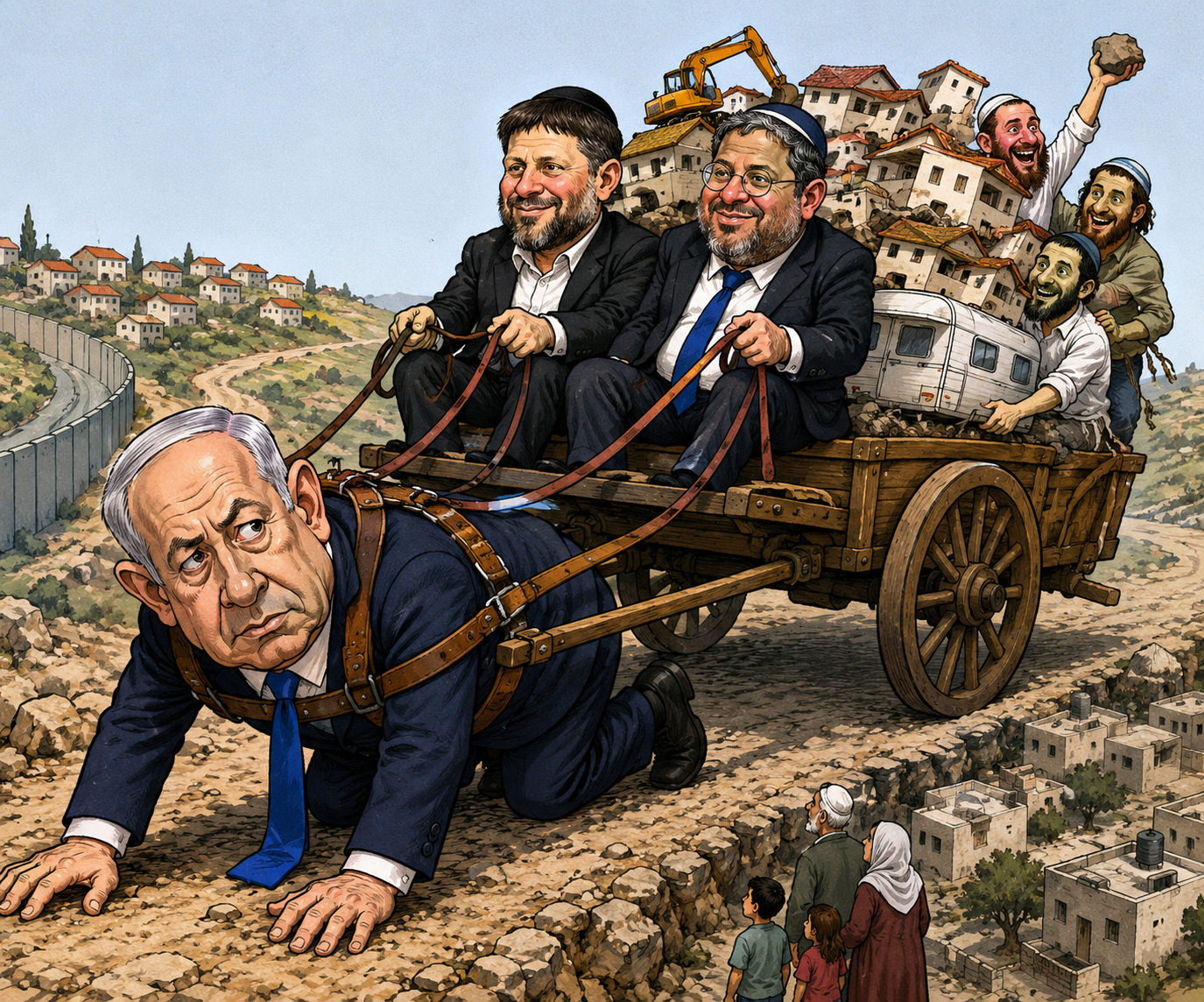
Netanyahu and The Settlers: Cart and Horse in Action

By Mohammad Abu Rumman

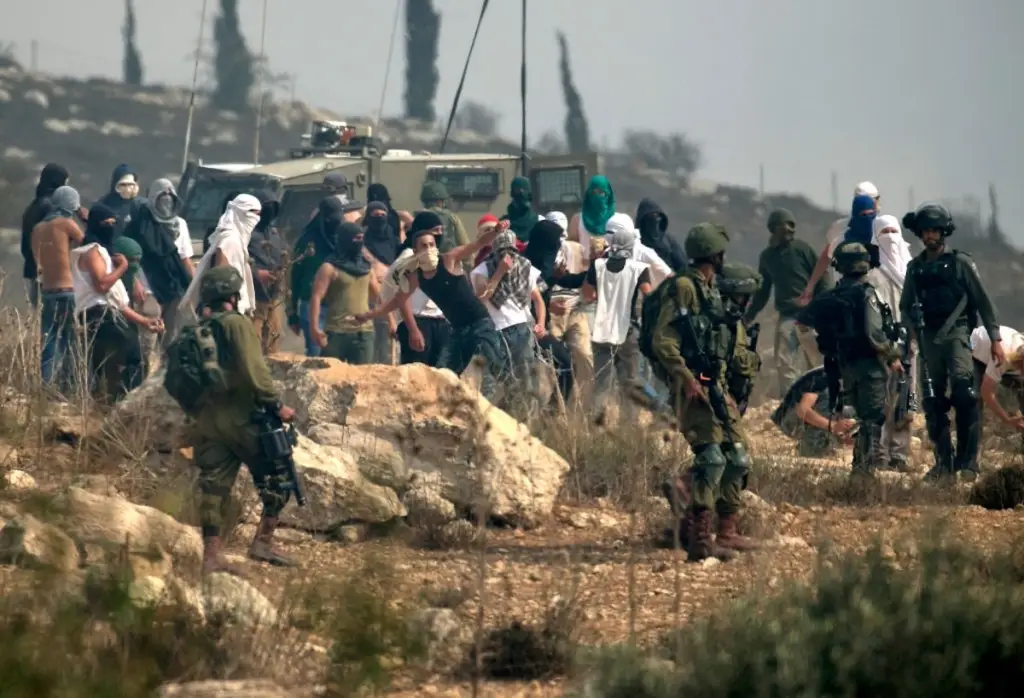
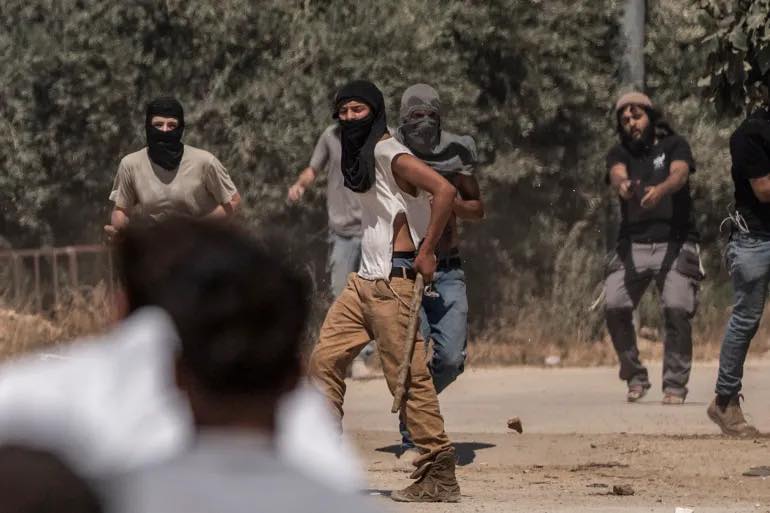
Perhaps the most surprising aspect of the latest events in the West Bank was not what the settlers did — that is hardly new or unexpected — but what Benjamin Netanyahu himself said. The Israeli prime minister denounced the “criminal acts of violence” committed by settlers in the villages of Qusra and Jalud, describing those responsible as a “handful of rioters” whose actions harm law-abiding settlers, interfere with the army’s work, and damage Israel’s standing in the world. This is precisely where the paradox lies: What exactly is Netanyahu condemning? Do the settlers’ actions really contradict his government’s policies, or do they ultimately serve the same project, albeit through different means and methods?

What is happening in the West Bank did not begin over the past few days, nor with the latest attacks. It has been developing for years along a clear trajectory, one that has accelerated dramatically under the current government and since the Gaza war. The United Nations has documented unprecedented levels of settler violence, with more than 1,430 attacks this year affecting some 260 Palestinian communities. Nearly 3,800 Palestinians have been displaced in 2026 as a result of settler violence, demolitions and evictions. These figures cannot simply be viewed as a collection of isolated security incidents; they point to a much deeper transformation taking place on the ground.

Settler violence, in fact, is only one part of a much larger picture. Nearly a thousand checkpoints, barriers, gates, and roadblocks now fragment the West Bank, turning everyday Palestinian life into a continuous struggle with geography, time, permits, and restrictions. In the northern West Bank, the situation has become even more severe, with tens of thousands displaced from the Jenin, Tulkarm and Nur Shams refugee camps, alongside extensive demolitions, bulldozing, and the physical reshaping of these areas.

The E1 settlement project takes the issue to another, more strategic level. Moving forward with E1 would effectively sever geographical continuity between the northern and southern West Bank and further isolate East Jerusalem, making the prospect of a contiguous and viable Palestinian state increasingly detached from realities on the ground. Add to this the transfer of significant powers within the Civil Administration to the authority of Bezalel Smotrich, who has made no secret of his objective of preventing the establishment of a Palestinian state; the empowerment of Itamar Ben-Gvir; repeated incursions into Al Aqsa Mosque and attempts to alter the long-standing status quo; settlement expansion; and a broader set of legislative and administrative measures moving in the same direction. What emerges is not a series of disconnected policies, but an integrated effort to determine the future of the West Bank on the ground before any political settlement can take place.

Against this backdrop, Netanyahu’s reference to a “handful of rioters” becomes difficult to take seriously. It suggests that the settlers operate in a political vacuum or somehow act against the direction set by the government and the state. Yet, however chaotic and violent their actions may appear, the outcome converges with a clearly defined political project: Pushing Palestinians away from their land, expanding settler control, fragmenting Palestinian geography and effectively closing the door on the possibility of a Palestinian state.

The real explanation for Netanyahu’s condemnation may therefore lie in his own words: these attacks, he said, “damage Israel’s standing in the world”. That sentence reveals the essence of the problem from his perspective. The concern appears to be less about the direction of these actions than about their method and image; less about their political consequences than about their transformation into openly violent scenes captured by international media — as happened when an NBC News crew itself came under attack by settlers — at a moment when Israel’s international image has become increasingly associated with the Gaza war, settlement expansion, and settler violence.

Netanyahu’s condemnation can therefore be understood as carrying a dual message. To the outside world, it says that the Israeli government neither endorses nor approves of such violence, even as its policies on the ground move in broadly the same direction. To the domestic audience, the message may be that what is required is not necessarily a change of course, but a more disciplined and calculated management of that course — one that does not further inflame the mounting crisis surrounding Israel’s international image and standing.

This is why Netanyahu’s condemnation is itself worthy of condemnation. The problem in the West Bank has long ceased to be simply a group of extremist settlers acting beyond the state’s control. It is part of a political project in which government policy, settlement expansion, security measures, legislation, and the Civil Administration increasingly converge to reshape the territory and demography of the West Bank and create realities that will be exceedingly difficult to reverse.

When Netanyahu finds himself condemning the natural consequences of a project that his own government has done so much to accelerate, the paradox becomes impossible to miss: He is not merely condemning the settlers. In effect, Netanyahu is condemning himself.

By Mohammad Abu Rumman is a columnist in The Jordan Times.
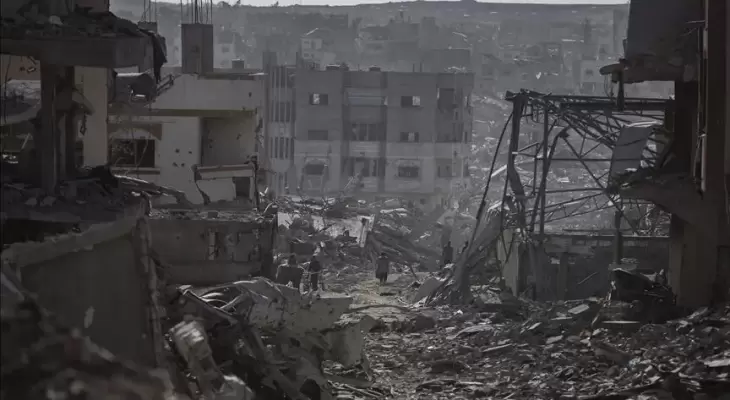
Continue reading
Beware! Qusra and The Next Nakba
  • HebaHeba
  • August 26, 2026

By Ramzi Baroud

If you want to understand the bleak future awaiting the occupied West Bank, do not look away. Just pay attention to the events unfolding in the small Palestinian town of Qusra, south of Nablus.

The story of the future of the West Bank begins here.

While much of the media is treating reports emerging from the area as simply another episode of “settler violence,” it is not. Qusra represents something far more consequential: a glimpse into the new Plan Dalet that Israel has in store for Palestinians.

Plan Dalet was the military blueprint through which Zionist forces conquered much of historic Palestine, village by village, during the Nakba.

The plan did not suddenly emerge in 1948. It built on military schemes dating back to 1945, developing into a strategy for conquering Palestinian towns and villages, destroying communities and expelling their inhabitants.

The significance of this history today is not merely symbolic. The Nakba was a process, implemented in stages. So, too, is the annexation of the West Bank.

Nor is this merely an intellectual argument. Israeli officials have openly invoked a new Nakba as an intended outcome. In November 2023, Avi Dichter declared: “We are now rolling out the Gaza Nakba,” adding, “Gaza Nakba 2023. That’s how it’ll end.”

True to form, this new Nakba carries many of the characteristics of the old one: coordinated violence, massacres, ethnic cleansing, forced displacement and land confiscation.

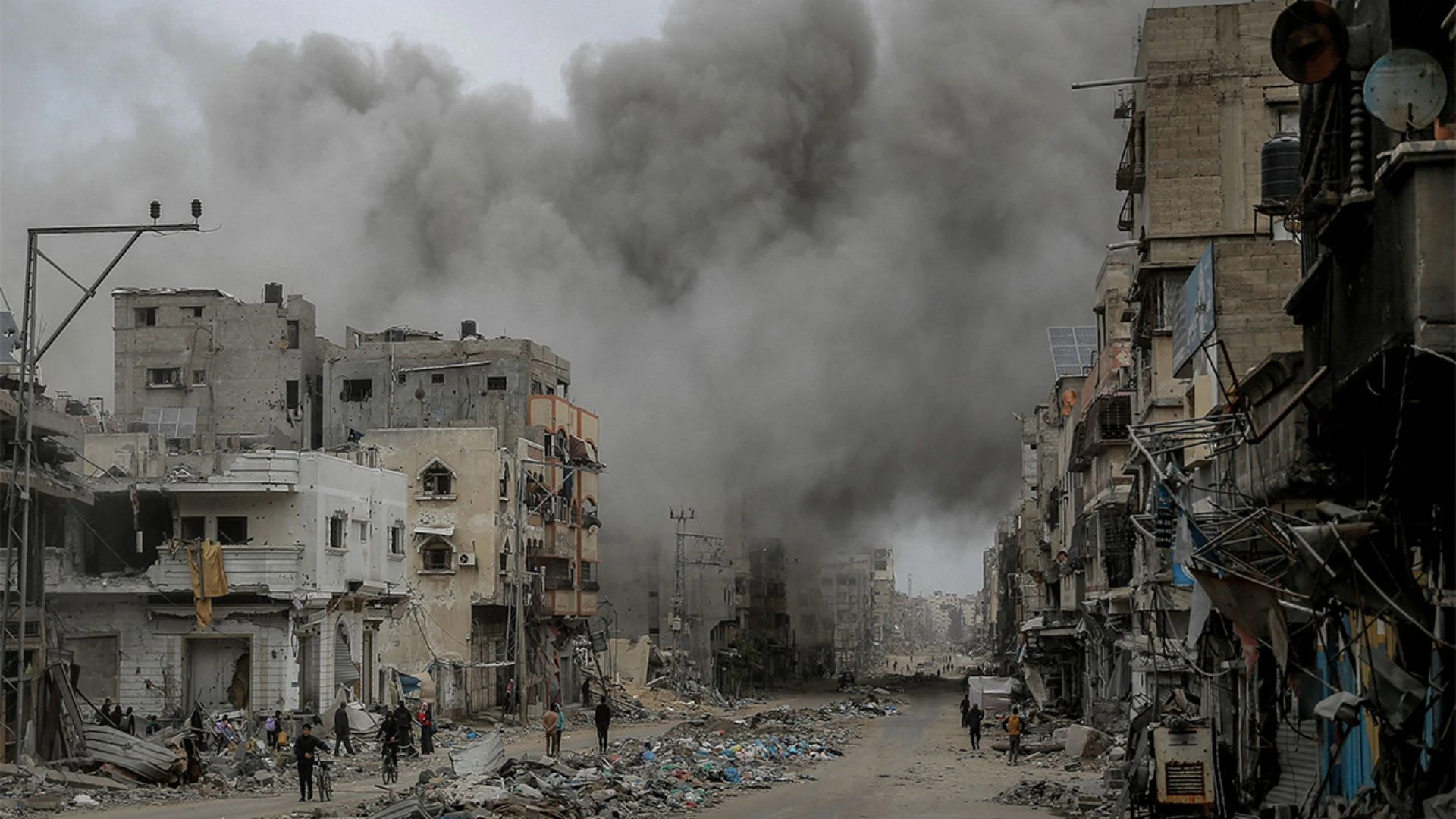
The genocide in Gaza represents the zenith of this violence — a more devastating manifestation, but a continuation of the original sin upon which the Israeli state was established.

While all eyes were on Gaza beginning on October 7, 2023, the West Bank was largely ignored, allowing Israel the space to escalate violence in all its forms to levels unseen in decades.

The result has been staggering. Since October 7, 2023, Israeli forces and settlers have killed more than 1,100 Palestinians in the West Bank, including over 240 children, and wounded thousands more. Tens of thousands have been detained, while more than 33,000 Palestinians remain displaced from the Jenin, Tulkarem and Nur Shams refugee camps alone.

Now, back to Qusra.

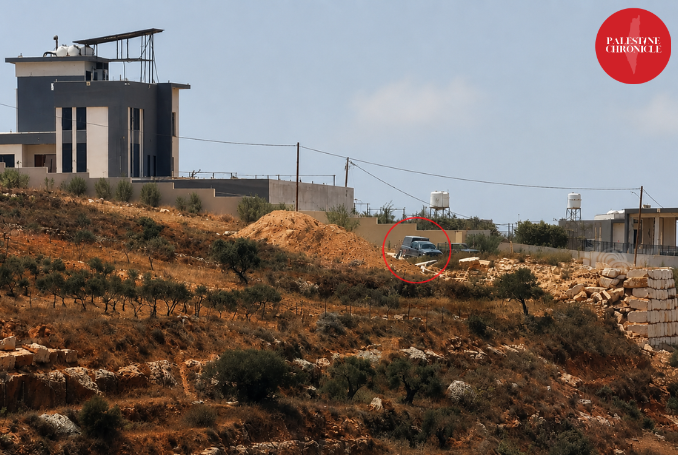
Beginning on August 9, armed Israeli settlers surrounded three Palestinian homes in the Ras al-Ain area on the outskirts of the town.

They blocked access to the houses, erected tents outside them and cut water and electricity supplies. Families, including young children, were effectively trapped inside.

The Israeli military subsequently declared the surrounding area a closed military zone, restricting access by Palestinians, activists and journalists.

What emerged was not simply settler violence but a division of labor: settlers create the crisis; the army imposes the restrictions; Palestinian movement is curtailed; and the victims themselves are pressured to leave.

And the siege continued. As I write these words, the siege of the Qusra homes has concluded its second week.

Qusra is not incidental to this strategy. Israel has already confiscated its land for the settlement of Migdalim, while nearby outposts including Esh Kodesh have long been associated with attacks and attempts to seize Palestinian agricultural land.

Control of such areas is essential to the larger project of connecting settlement blocs, fragmenting Palestinian territory and transforming Palestinian communities into isolated enclaves.

A few years ago, the Israeli government behaved as though its plan to formally annex large swathes of the West Bank had been placed on hold. Yet, since October 7, annexation has moved from aspiration to obsession — in both words and action.

National Security Minister Itamar Ben-Gvir oversawthe mass distribution of weapons after October 7, arming thousands of civilian security-squad members with rifles amid an already heavily armed settler population.

Meanwhile, Finance Minister Bezalel Smotrich has systematically worked to transfer powers over the West Bank from military administration to Israeli civilian authorities — one of the clearest institutional mechanisms of annexation.

And now another piece is falling into place: Defense Minister Israel Katz has ordered preparations to transfer law-enforcement responsibility over Israeli settlers in the West Bank from the military to the Israeli police, another critical legal step toward annexation.

The picture is becoming complete: settler militias, government funding, weapons, the army, police, civilian bureaucracies, courts and political decisions originating at the highest levels of the Israeli state.

Seen in this wider context, Qusra becomes a microcosm — and potentially a testing ground — for the mechanisms through which larger-scale annexation can be implemented. These realities echo the past. The Nakba did not simply ‘happen,’ but followed years of planning and incremental military schemes. That is why Qusra matters.

Some governments are warning of accelerating annexation; others sanction individual settlers, as though targeting a few extremists could reverse a blueprint implemented by an entire state apparatus.

Palestinians in the West Bank are fully aware of the challenge awaiting them. Urging the Palestinian Authority, which maintains security coordination with Israel, to suddenly devise a ‘strategy’ is painfully redundant.

But for the rest of us who understand the horrors of the Nakba — and the reverberations of that catastrophe from Deir Yassin to the genocide in Gaza — recognition is no longer enough.

The price of silence is already being paid by every Gazan living among the ruins of the Strip and every Palestinian in the West Bank confronting the violence of settlers and their military partners.

It needs to end now, before Qusra becomes the blueprint for what comes next: today, Qusra; tomorrow, the whole of the West Bank.

Ramzy Baroud is a journalist, author and the Editor of The Palestine Chronicle. He is the author of eight books. His latest book, ‘Before the Flood,’ was published by Seven Stories Press. His other books include ‘Our Vision for Liberation’, ‘My Father was a Freedom Fighter’ and ‘The Last Earth’. Baroud is a Non-resident Senior Research Fellow at the Center for Islam and Global Affairs (CIGA). He contributed this article to The Jordan Times.

Continue reading
Israeli Army, Settlers Trap Three Palestinian Families in Their Homes for 11 Days

CROSSFIREARABIA — Three Palestinian families, comprising 13 people, have remained trapped in their homes for 11 days in the town of Qusra in the occupied West Bank, amid an ongoing siege by Israeli forces and settlers.

The families have been confined to their homes in the Ras Al-Ain area since 9 August, with their access to food, water and other basic necessities severely restricted.

Israeli forces have declared the area a closed military zone, while settlers have established a presence around the properties. Local residents fear the move is intended to force the families from their homes and pave the way for the establishment of a new settlement outpost on their land.

Qusra Mayor Abdul Azim Al-Wadi said Israeli soldiers and settlers continue to surround the homes, preventing the families from moving freely.

“The three families are facing difficult conditions due to the continued siege and restrictions on their movement,” Al-Wadi said.

According to reports, Israeli soldiers also entered one of the Palestinian homes and turned it into a military position, while settlers erected tents around the properties, further restricting the residents’ ability to leave.

The standoff has heightened fears among residents that the families are being subjected to sustained pressure to abandon their homes and land.

Qusra, south of Nablus, has repeatedly been the scene of confrontations and settler attacks, reflecting the growing tensions facing Palestinian communities in parts of the occupied West Bank. For further details, see The Palestine Chronicle.

Continue reading
UN: Humanitarian Access Blocked by 900 Israeli Checkpoints

Humanitarian operations in the occupied West Bank are being delayed and restricted by a network of more than 900 physical obstacles, including checkpoints, gates and roadblocks, the UN said Friday.

Daniela Gross De Almeida, an associate spokesperson, told reporters that the restrictions are limiting humanitarian access and leaving people in need without adequate assistance.

“Our humanitarian partners warn that aid work is being delayed and limited by a network of over 900 physical obstacles including checkpoints, gates, roadblocks, and other restrictions. This hinders humanitarian access and leaves people in need underserved,” De Almeida said.

In the village of Qusra, near Nablus, aid and municipal workers have been unable to reach three Palestinian families who have been trapped in their homes since Tuesday, she said, adding that the families became isolated following the establishment of a settlement outpost near their homes and tightened access restrictions in the area.

“Our colleagues warn that efforts to protect Palestinians have been ineffective, with settlers reportedly reinstalling a tent that Israeli forces had dismantled yesterday,” she said.

Turning to Gaza, she said humanitarians continue to provide vital aid to people in the besieged Strip, despite persistent insecurity and restrictions.

“Last week, we and our partners mobilized rapid support for people who had lost their shelters or were displaced again due to attacks, domestic fires, and other incidents. In more than a dozen reported incidents, people were displaced and lost their belongings due to attacks, impacting nearly 290 households,” she said. Anadolu

Continue reading
Israeli Army Seizes 16 Homes in The West Bank

The Israeli army seized 16 Palestinian homes in and around Qusra in the northern occupied West Bank and converted them into military posts, a local official said Thursday.

Abdul Azim al-Wadi, head of the Qusra village council, told Anadolu that the army was continuing its military offensive in the town, south of Nablus, and had informed the council that it would last until Sunday morning.

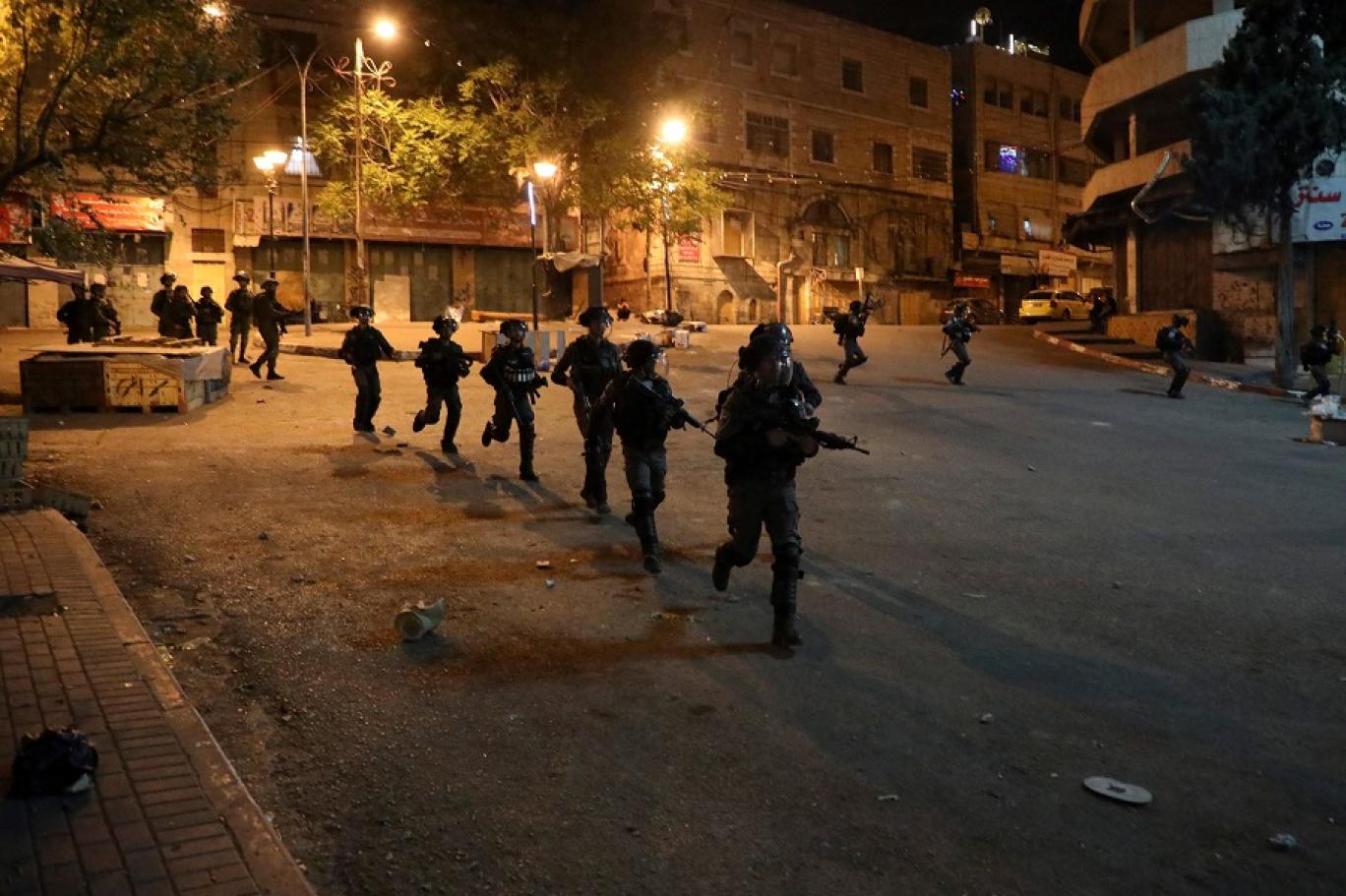
Large Israeli forces, accompanied by infantry troops, military vehicles and bulldozers, entered Qusra and deployed across the town and its outskirts, he said.

Al-Wadi said the Israeli army told the council it was seeking to dismantle an illegal outpost established by occupiers near the town amid escalating tensions in the area. He said three Palestinian families, including one with US citizenship, remained trapped inside their homes for a 4th consecutive day.

An Anadolu correspondent saw Israeli troops stationed inside several homes, while some families left their houses to stay with relatives.

Since Sunday, Israeli occupiers have erected a tent and temporary structures among Palestinian homes in the Ras al-Ain area on the outskirts of Qusra, according to the Palestinian Colonization and Wall Resistance Commission.

The occupiers also blocked roads leading to the area with rocks and surrounded three homes, the commission said.

It warned that the attacks could develop into a prolonged siege intended to isolate the families and force them from their homes.

The occupiers have obstructed the delivery of food, water and medicine to the homes, while water and electricity lines have also been cut, it added.

Earlier Thursday, large Israeli forces raided Qusra, imposed a curfew and ordered businesses to close amid a widespread deployment of infantry troops, military vehicles and bulldozers.

The developments come amid escalating occupier attacks in the area and Palestinian concerns that attempts to establish the outpost could become permanent and lead to the seizure of Palestinian homes and land.

The commission said occupiers had attempted eight times to establish an outpost in the Jabal Ras al-Ain area, citing its strategic location on high ground overlooking a large area.

Attempts to raid and seize the homes began about four months ago, prompting family members to take turns staying in them to prevent their takeover, it added.

The commission warned of a repeat of events in the nearby village of Jalud, where it said occupiers seized a home belonging to Mahmoud al-Tubasi’s family on July 22 after besieging it for more than three months.

According to the commission’s latest figures, occupiers carried out 12,506 attacks from October 2023 through June 2026, killing 52 Palestinians and setting 890 fires that damaged Palestinian property and farmland.

It also documented 2,256 attacks across the occupied West Bank in July, including 1,458 by Israeli forces and 798 by occupiers. Anadolu

Continue reading