Demolishing Gaza
 CrossFireArabia
- October 10, 2024
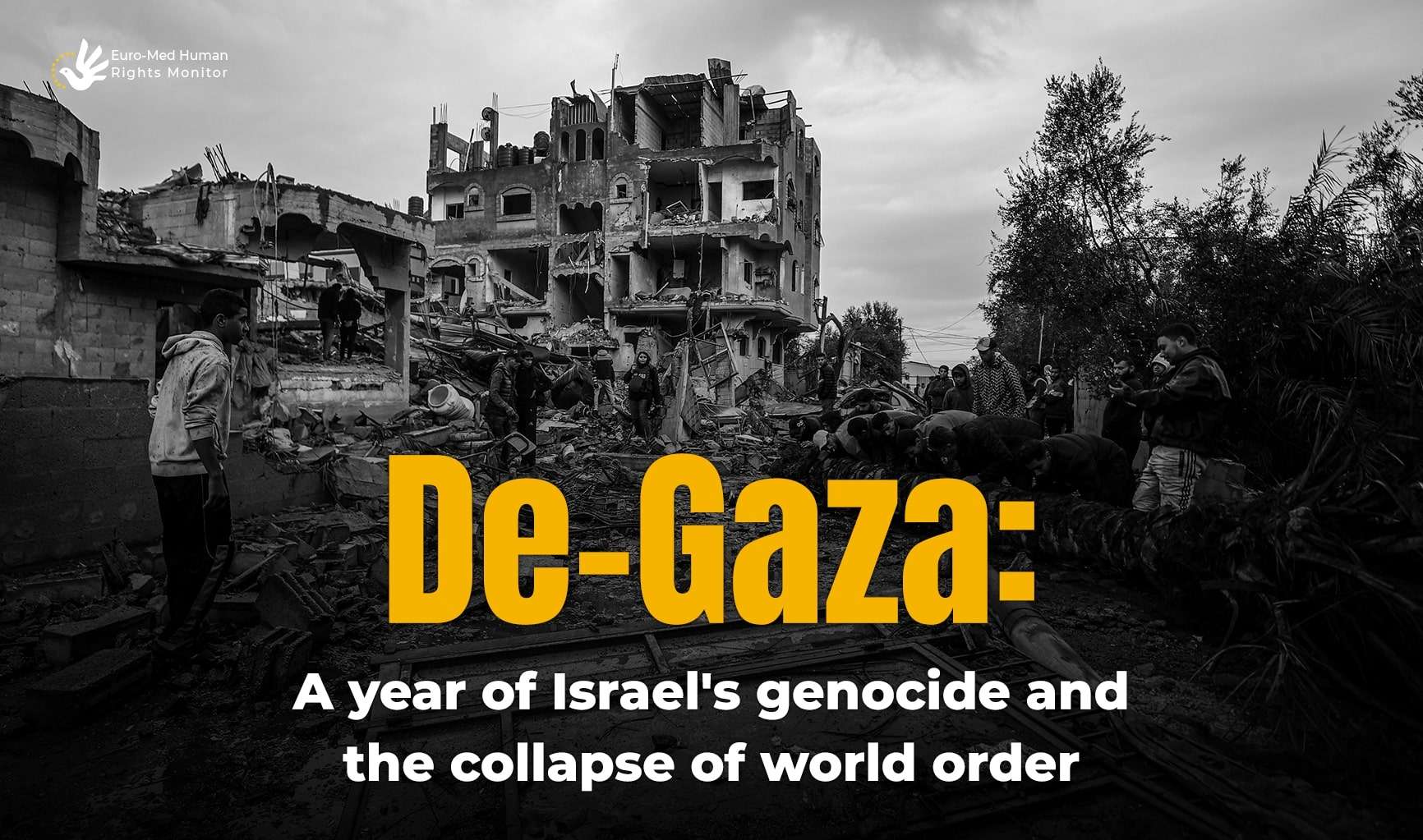
Euro-Med Human Rights Monitor has released a comprehensive report marking one year since Israel launched its genocidal campaign against civilians in the Gaza Strip on 7 October 2023. During this period, Israel has committed grave war crimes, with the explicit complicity of the international community.
De-Gaza
Titled De-Gaza: A Year of Israel’s Genocide and the Collapse of World Order, the report details the most prominent crimes committed over the past 12 months, thoroughly documented by Euro-Med field teams. It traces the clear elements of genocide perpetrated by the Israeli army, explores the legal frameworks defining the crime of genocide, and scrutinises both the context and ongoing circumstances. The report also addresses the international judiciary’s response, and, significantly, the global community’s complicit role in allowing the genocide to continue.
The report sheds light on the appalling conditions and systematic atrocities Israel has inflicted upon the occupied Palestinian territory, with a particular focus on the Gaza Strip. These long-standing crimes include the illegal blockade, the deliberate isolation of Gaza from the rest of the Palestinian territory and the world, the systematic deprivation of basic human rights to the Strip’s residents, and the deliberate destruction of essential services.
Israeli army genocide
Since the start of the genocide in Gaza, more than 50,000 Palestinians have been killed by the Israeli army, including around 42,000 recorded by the Gaza Ministry of Health, the majority being women and children. In addition, approximately 100,000 have been injured, with thousands of bodies still lying under the rubble and in the streets, unreachable by rescue and medical teams.
An estimated 10 per cent of Gaza’s population has been killed, injured, reported missing, or detained as a result of Israeli military assaults. Of the 50,292 Palestinians killed—including those still buried under the debris—33 per cent were children, and 21 per cent were women. Thousands more have been forcibly detained, with 3,600 still languishing in various Israeli prisons and detention centres.
Around 3,500 families have suffered multiple losses since October 2023. Of these, 365 families have lost more than ten members, while over 2,750 families have lost at least three.
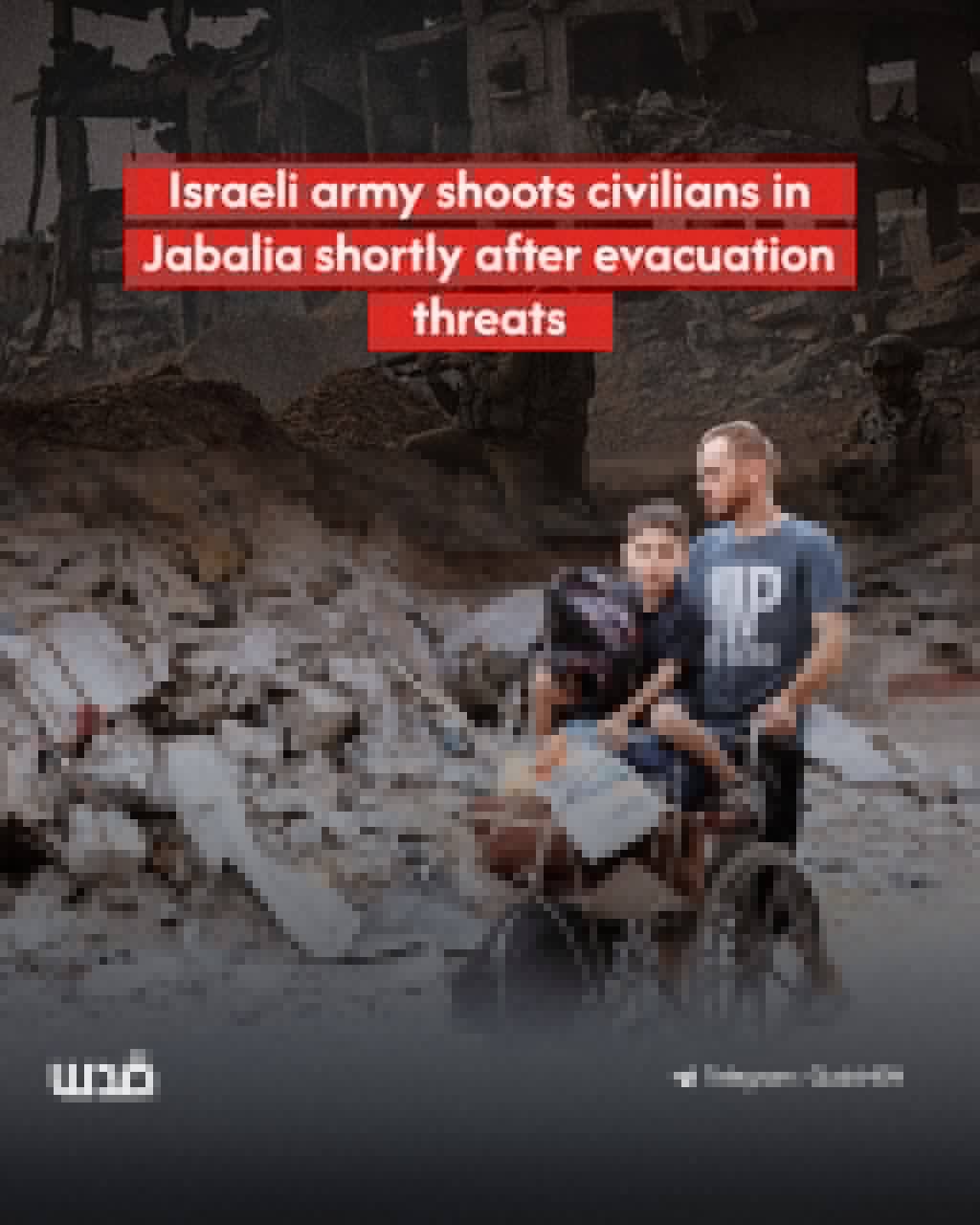
The report details the systematic acts of genocide committed in Gaza, such as the targeted killing of civilians in homes, shelters, displacement camps, and humanitarian-declared zones. Civilians were also killed by military vehicles and tanks, in field executions, through drone strikes, in crowded markets, and even while waiting for aid at relief trucks.
Ugly tactics
The report notes the Israeli military’s starvation tactics, the deliberate killing of prisoners and detainees, and the assassination of humanitarian workers, qualified professionals, and Palestinian elites.
The Israeli army employs explicit methods designed to inflict severe physical and psychological trauma on the population. These include launching thousands of systematic military assaults on civilians, dramatically increasing deaths among people of reproductive age, separating families, targeting the healthcare system, and imposing brutal living conditions marked by starvation and malnutrition.
The obstruction of humanitarian aid further exacerbates these atrocities, creating life-threatening situations for thousands.
The root cause of this persecution—the illegal Israeli occupation of Palestinian territory since 1967—has created conditions for the ongoing genocide, as confirmed by the International Court of Justice (ICJ) in its advisory opinion of 19 July 2024, on the legal consequences arising from Israeli policies and practices in the occupied Palestinian territory.
Both the West Bank, including East Jerusalem, and the Gaza Strip are internationally recognised as Palestinian territories that were occupied in 1967.
Up until 2005, the Israeli occupation army maintained internal and external control over Gaza by stationing military forces within and outside the Strip, establishing settlements on its land, a situation still seen in the West Bank today.
In 2005, Israel declared a unilateral “disengagement,” evacuating its settlers from Gaza and withdrawing its military forces. However, despite this declaration, Israel continued to exercise control over Gaza, maintaining real authority over critical aspects of governance. The ICJ upheld this position in a recent advisory opinion, reflecting the near-universal international consensus on Israel’s continued occupation.
Even after its military withdrawal, Israel retained control over the essential governing elements of Gaza, including its population registry, borders (land, sea, and air), and the regulation of movement for both people and goods. Israel also continued to collect taxes on imports and exports and maintained control over the buffer zone.
Brutal
Following the 7 October 2023 attack, Israel declared a state of war, with its President, Prime Minister, and other political and military leaders at the forefront. The declared aim was to eliminate Hamas, secure the release of hostages, and restore security. Thus began Operation Iron Swords, a brutal military offensive that intensified the suffering of Gaza’s civilians.
Euro-Med Monitor concluded with a set of recommendations after a year of genocide in Gaza, emphasising that all states, both individually and collectively, are still obligated to work towards stopping the ongoing genocide by all available means. Preventing and punishing this crime is an international legal obligation incumbent upon all states without exception, and it is an obligation of absolute authority towards all.
Euro-Med Monitor calls for the imposition of a total arms embargo on Israel, the termination of all licences and agreements related to arms imports and exports (including dual-use materials and technology that could be used against Palestinians), and an end to all military and intelligence cooperation.
In addition to imposing travel restrictions and freezing Israeli government assets, Euro-Med Monitor calls for political and economic sanctions on Israel and its accomplice states. These measures are intended to pressure the responsible parties into upholding international law, ensuring non-recurrence of crimes against Palestinians, and compensating the victims of these atrocities.
The organisation further calls for the halting all forms of support to Israel in connection with its genocide and other crimes against Palestinians. This includes withholding investments, cancelling or suspending political, diplomatic, economic, commercial, and academic ties, and curtailing support from the media, legal, and other sectors that might contribute to the continuation of these crimes.
Key measures include ensuring the Israeli occupation army’s full withdrawal from Gaza, dismantling all military installations, barricades, and checkpoints, ending the imposed military and geographical divisions, restoring the Strip’s geographical unity, and guaranteeing the safe and swift return of forcibly displaced individuals to their homes. Furthermore, the recommendations call for the protection of freedom of movement, travel, and access for all citizens of Gaza.