Gaza That Haunts Me

By Sama Abu Sharar

It took me about eight months to sit and write about Gaza. Like most people, I went through a wide range of emotions that ranged from severe depression to severe helplessness, accompanied by crying from pain I have never felt and disappointment from a “free” and “unfree” world.

Emotionally, I am no longer myself. As much as Gaza has hurt me, it changed me to the core.

Most of the concepts and beliefs we were raised on, studied, or dictated to us went down the drain and with them, fell my faith in all the outdated universal laws that claim to protect human dignity and rights.

Gaza taught me to trust nothing. Nothing at all. Human beings are not equal in international covenants. There is the law of the “white man” opposed to the rest of humanity. The law of the “strongest” and the law of the “weakest”. In all cases, Gaza remained on the margins of humanity, equating the victim with the executioner in all of its ugliness.

***

My days since 7 October have become meaningless details. Gaza literally haunts me. I sleep, if I can sleep, on Gaza, and I wake up on Gaza. I can’t remember how many times I woke up from a fitful sleep to quickly grab my mobile phone to see if the weather was stormy or rainy there in Gaza?

Scenes of displaced people trying to fix their fragile tents or drain the water – the desired and unwanted visitor – flooding the tents and their inhabitants, and the shivering of young and old from the cold and the world’s failure to them, lie before me.

I wait impatiently for winter, but this winter has come bitterly. My prayers were for a kind winter, kinder on our people in Gaza; and a gentle summer, gentler than the harsh reality, unfathomable for the human mind to comprehend.

Even the weather conspired against the people of Gaza. The tents are unbearable, the raging heat, accompanied by all the creepy crawlers of the earth and the flying creatures, making life a continuing nightmare.

No, there is no room for things we once took for granted. All have become luxuries for the people of the tiny Strip in size, immense in its spirit, sacrifices and people.

***

I was witness to many of the tragedies of the great Palestinian people, on both the personal and public levels. Nothing is similar to what happened and is still happening in Gaza, which exposed everyone and primarily the Palestinian himself.  This new Nakba (catastrophe), the details of which we live every day has revealed the extent of our fragility in face of this historic event.

The fragility is evident on all levels, from our worn-out Palestinian political scene, to our crisis-ridden institutions to our weak official media scene drowning in political divisions unable to present the Palestinian narrative, unfit to us as a people and to our great and just cause and our right of resistance until the liberation of Palestine. A narrative also unfit to the Arab and western public in search of a genuine Palestinian narrative, which will not hurt if it were a unified one.

Politically, the scene became more worn out than it was before 7 October. The major event did not unite us or solidify our position but increased our fragmentation, dispersion and division. With some exceptions by some individual Palestinian efforts who presented a solid narrative, the vast majority stood in contrast despite the enormous amount of sacrifice the people of Gaza made and continue to make.

“Protecting Palestinian national unity inside and outside the occupied homeland is one of our main weapons with which we fight our enemies and a condition for our victory,” once wrote the late Palestinian martyr and revolutionary Majed Abu Sharar.

Where are we from this unity? How do we face the consequences of what is happening or invest in the unprecedented international awareness and mobilization to support our cause?

How many of us have remained silent at the beginning “because this is not the time for criticism,” as the battle is big and ongoing and the enemy is one or so we thought! But apparently the enemy was never one for many, as factional alignments are more important than the momentous event and supreme cause.

We would be lying to ourselves if we would say that the genocide in Gaza united us; the opposite is true.

Many mouthpieces, some of whom we have never heard and some we know too well, delivered statements that could have only come from an enemy, and in a chilling harmony with the Zionist viewpoint and that of global imperialism, instead of defending the Palestinian right to resist based on international laws.

Our political discourse has become a mirror image of our troubled reality. I am one of many Palestinians who did not find herself during this ongoing genocide and long before in any of the official Palestinian narrative and Arab discourse.

***

The tragedy continues and human interaction with it is enormous. But the official Palestinian institutions were generally absent from what was happening on the ground despite the great need to unify efforts and address its enormity as dictated by the ongoing war of extermination.

My life, like the lives of many others, has become centered around possible ways to extend a helping hand to our people in Gaza, but all these efforts remain individual and unorganized despite the good intentions, thus cannot meet the huge needs in Gaza.  One of the reasons for the institutional absence in these exceptional circumstances is the division and vacancy of a unified vision for an urgent relief plan.

The 1948 Nakba and the 1967 Naksa and all the massacres and pivotal events in the history of our long conflict with the enemy don’t seem to have taught us anything. The genocide in Gaza has clearly demonstrated this.

The unprecedented international mobilization and parallel awareness is heart warming! Who amongst us, and I mean Palestinians and Arabs, who still consider Palestine “as their cause”, ever dreamt of a similar scene to what we have witnessed in the last 10 months?

Awareness amongst young people in the West is equal to, if it does not precede that of many young Arabs and even Palestinians towards the Palestinian cause. And what young people in Europe and America are declaring in terms of adopting firm positions, many of our own hesitate even to think about. “Palestine from the river to the sea”, “Terminating the existence of Israel”, “Zionism equals Nazism”, “Israel is a criminal entity”… and others have become beliefs rather than slogans for many in the West, especially the youth.

https://twitter.com/faizelpet1/status/1816888931079569744

***

Palestine is no longer the cause of the Palestinians and some Arabs. It has become an international, humanitarian cause adopted by hundreds of millions of people, and if that indicates anything, it shows how Gaza and its people were able to achieve what we have failed to achieve for many years.

Yes, and despite the pain and the catastrophic scenes, Gazans came to teach us lessons in pride, dignity, faith, adherence to the truth, and steadfastness. I often wonder how the people of Gaza are able to do this while living the impossible over the last 10 months?

I have not left out a single curse that I did not use in this painful genocide, maybe as an expression of anger and resentment towards this world or maybe as a form of venting. But not once have I heard a Gazan utter a curse.

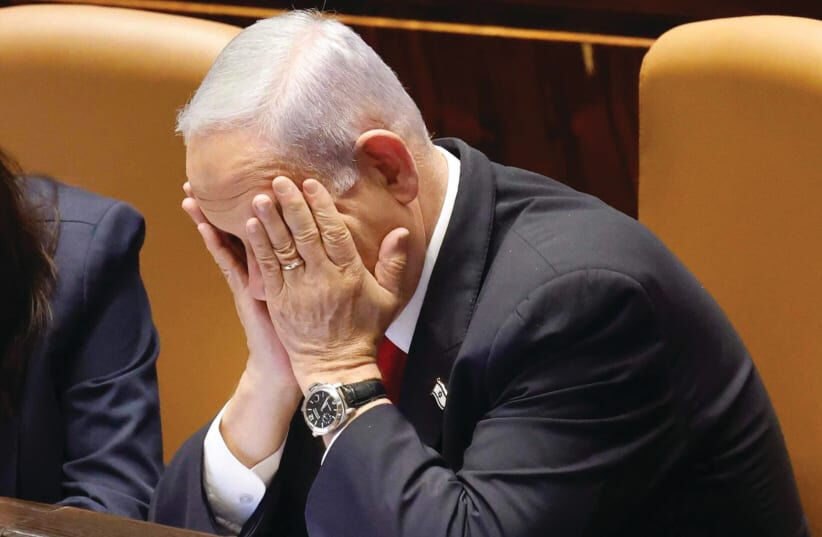
All we have heard were terms ranging from “Thank God,” “God is sufficient for me, “God is the best Disposer of affairs”, “May God take revenge on you, Netanyahu,” and other “polite” utterings in light of the abominable reality to which Gazans have been exposed to.

How many times have I wished to stop the rhythm of this world for the sake of Gaza, to stop this madness, how many times have I wanted to scream with all my heart in the hope that someone would hear me and stop a pain I have never imagined I could bear a portion of.

***

My private conversations with some friends and relatives in Gaza were not much different from what we all see and hear on television and all the available means of communication. Their responses when we dare to ask them about their well-being range from “thank God,” “may God end this war,” “we miss returning to our homes and lives,” and the most extreme is “we are tired, we are exhausted.”

I honestly don’t recall a single time when someone uttered a word that crossed the boundaries of known politeness.

I sometimes wonder when someone from Gaza contacts me to check on me or even congratulate me on Eid – two Eids (El Fiter and Al Adha) have passed by under indescribable circumstances for the people of Gaza – I wonder where they get the ability to continue?

Over the past months, I have built friendships with many acquaintances where our communication previously did not go beyond a comment here or a like there, on social media.

They might have needed an outside source of reassurance to ensure their presence in our existence, or perhaps any piece of news of a potential ceasefire for the ongoing madness or a glimmer of hope that this nightmare would end.

My relationship with existing friends in Gaza were strengthened further. They allowed me into the details of their lives amidst the endless killing, displacement, exhaustion, anxiety and other complex human feelings.

My heart skips a beat every time I hear of a bombing close to their displacement places, until I hear from them to know they are well, until the next time comes. Sometimes, I hesitate to ask about their being, as they are definitely not well, despite everything they say to reassure us and/or not to burden us with the impossible life they are living.

***

I don’t know the limit of pain a person can bear. What I do know is that amidst the ongoing genocide, we never once believed we could bear this unbelievable pain. The anxiety never leaves us, the helplessness that resides in us, the unparalleled disappointment… and the images that besiege us with their mythical cruelty.

How many times I wished to stop the rhythm of this world for the sake of Gaza, to stop this madness, how many times have I wanted to scream with all my heart so that someone would hear and stop a pain that I never imagined I could even bear a portion of.

Yet hope remains that the nightmare will end. Hope from which we derive our ability to continue for the sake of Gaza and its people, for the sake of Palestine.

The journey of recovery will be long, actually very long, and what awaits us may be more difficult than what we’ve already experienced. My hope remains in our ability to translate the pain into actions, so that the journey of freedom and liberation continues towards a homeland that we still dream of.

Samaa Abu Sharar is a Palestinian journalist and researcher living in Beirut. Her article on Gaza was translated from the 180post.com Arabic website.

Continue reading
10% of Gazans Killed, Injured, Under The Rubble

About 10% of the Gaza Strip’s population has been killed, injured, or is missing due to the 293-day genocide carried out by Israel in the Strip, ongoing since 7 October 2023 according to the Euro-Med Human Rights Monitor.

Euro-Med Monitor’s preliminary statistics indicate that about 50,000 Palestinians have been killed. This number includes those reportedly trapped under the rubble of destroyed buildings, or whose bodies are either stuck on roads or in border areas that have been completely destroyed, and thus cannot be recovered. More than about 100,000 others, meanwhile, have been injured. The majority of these victims were civilians, mostly women and children, while about 3,000 additional Palestinians have simply disappeared after being arrested from the Gaza Strip, with their fate remaining unknown.

The estimates provided by Euro-Med Monitor are based on data and statistics gathered by its field teams in neighbourhoods and camps located in the Gaza Strip, as well as from information received from relevant authorities and institutions, including several hospitals and medical teams. These indicate that at least 51,000 people have died as a result of the Israeli blockade of the entire Strip; denial of medical care; collapse of the health sector due to Israel’s targeting and blockade; insufficient ambulance services due to said targeting and blockade, as well as a severe shortage of basic medicines, particularly for patients with chronic illnesses and cancer; prevention of the ability to travel abroad for treatment; and the spread of infectious diseases and epidemics.

Accordingly, the natural death rate increased from an estimated 3.5 per 1,000 people prior to the start of the genocide to 22 per 1,000 people during the genocide.

The number of beds available in operating hospitals and field hospitals across the Gaza Strip is down to less than 1,500, which is insufficient to accommodate the needs of over two million people. This is in contrast to the 3,500 beds that were available prior to 7 October. The scarcity of medical supplies and equipment is making the bed shortage worse, as is the Israeli army’s ongoing, systematic, and widespread destruction of hospitals and health facilities. Additionally, there has been a notable rise in the number of wounded and sick, which has resulted in a weak medical response and serious health complications for these individuals, as well as avoidable deaths among the elderly.

The lack of clean water, extreme overcrowding, breakdown of sanitation infrastructure, build-up of waste, scarcity of cleaning and sterilisation supplies, and the frequent forced evacuations all contribute to the rapid spread of infectious diseases.

According to World Health Organisation (WHO) data, 990,000 cases of acute respiratory infections—574,000 of acute watery diarrhoea, 107,000 of jaundice syndrome, and 12,000 of bloody diarrhoea—were recorded as of 7 July 2024, with the actual number of infections likely much higher. Rashes and skin infections, particularly among children, are also on the rise. This trend correlates with a drop in routine vaccination rates and a higher chance of vaccine-preventable illnesses like the poliovirus, which was recently found to be present in the Gaza Strip’s wastewater.

Since Israel started its genocide more than 10 months ago, the people living in the Gaza Strip have endured constant bombardment; shooting; tank shelling; methodical and extensive destruction of houses and other civilian property, as well as essential infrastructure; and frequent attacks on makeshift shelters and tents for the displaced.

Israel is continuing to commit genocide against civilians in Palestine, with the intention of eradicating and destroying them by all possible means, including starvation, denial of medical attention and humanitarian aid, systematic evacuation, torture, and the imposition of living conditions that will eventually cause their destruction.

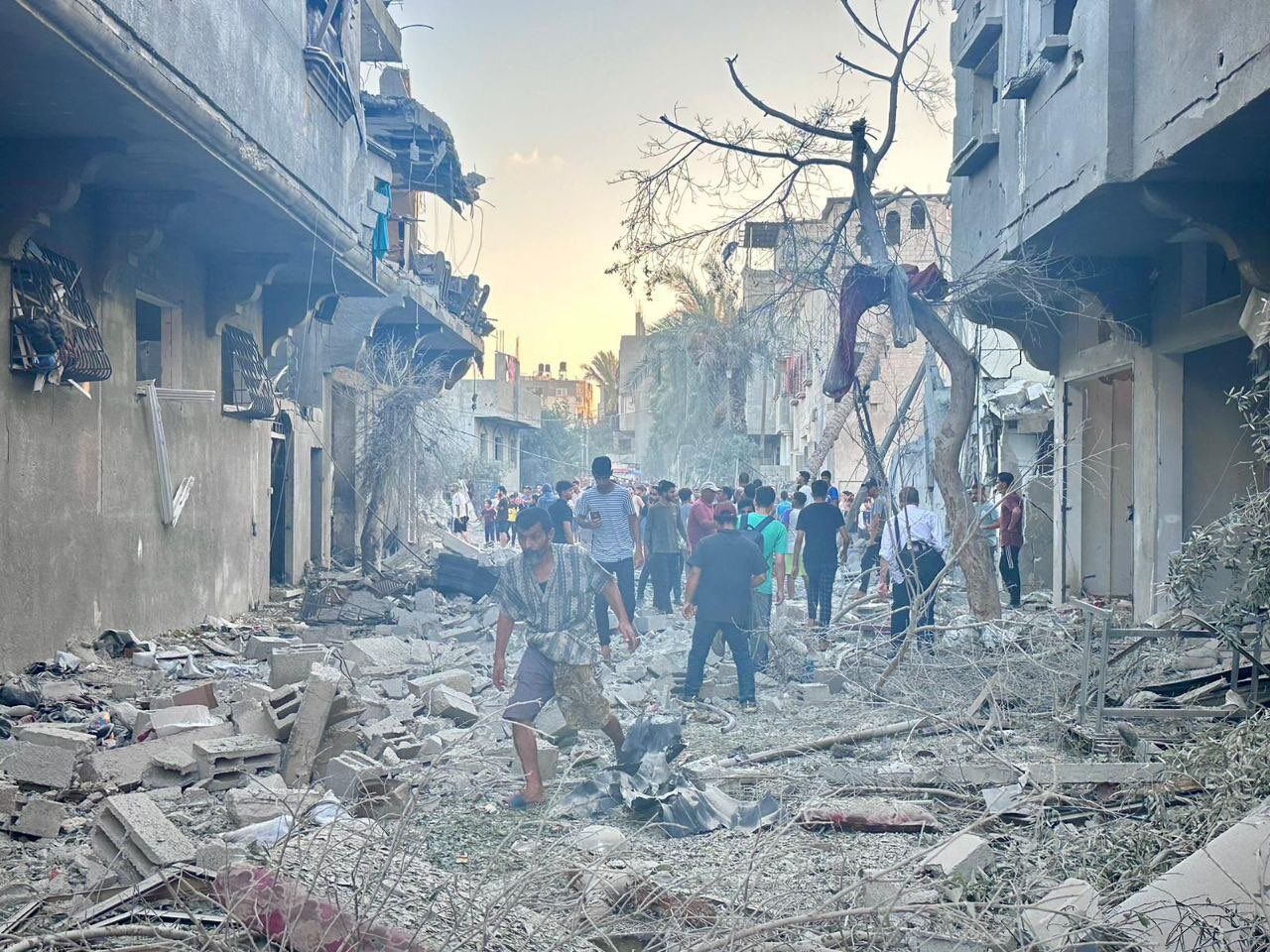
Israel’s fierce military assaults have caused over 70% of the Gaza Strip’s buildings to be destroyed or severely damaged, forcing over two million Palestinians (out of roughly 2.3 million) to evacuate. The majority of these people have been forced to relocate multiple times, leaving them to live in filthy, uncomfortable temporary tents that are susceptible to the elements, and rendering them especially vulnerable to infectious diseases that spread quickly in crowded areas.

The hardship faced by hundreds of thousands of forcibly displaced people across the Gaza Strip is extreme. This is particularly true inside United Nations shelter centres, where there is severe overcrowding—up to five or six families crammed into a single classroom—and exceptional danger due to the Israeli military’s frequent attacks on these facilities, the damage they cause, and the potential for contamination from explosive ordnance.

This is coupled with a lack of supplies for making adequate shelters, a shortage of drinkable water, and storage issues, plus deteriorating sanitation conditions which have resulted in sewage seeping into the streets in many displacement sites. Additionally, families are frequently forced to rely on extremely salted water for drinking, and deal with a lack of personal hygiene due to the absence of privacy, personal space, water, and hygiene supplies.

The intense heat and accumulation of solid waste also attract insects such as mosquitoes. Communities often burn waste piles in an effort to stop the spread of insects and diseases, but the release of toxic fumes poses additional health risks.

Furthermore, a great deal of food insecurity exists as a result of Israel’s persistent efforts to obstruct the entry of aid supplies. In addition to a lack of infant formulae, few tests available to identify malnutrition, and uneven distribution of nutritional supplements, women struggle to breastfeed their babies as a result of psychological trauma, stress, and malnourishment.

As a form of retaliation and collective punishment against the people of the Gaza Strip, Israel has steadily targeted civilians, civilan objects, and UN-flagged shelter centres in an effort to cause as many casualties as possible. This constitutes full-fledged war crimes and crimes against humanity under the Rome Statute, which governs the International Criminal Court, as well as violations of international humanitarian law and the 1949 Geneva Conventions.

Ensuring the health and dignity of the populace through access to water and sanitation is a fundamental human right that has gained international recognition. However, granting this right to Palestinians in the Gaza Strip will require ending Israel’s genocide, lifting the siege, and salvaging what remains in the enclave, which is not currently viable for life. Delays will either cause all sectors in the Strip to completely collapse, or incur further significant costs in terms of civilian lives and health.

The international community is responsible for ensuring that humanitarian aid reaches the Gaza Strip, including the northern part of the Strip, in a timely, safe, and efficient manner. This aid must include all of the basic food and non-food items needed to address the dire circumstances that the entire Strip’s population is experiencing. 

Pressure must be applied to Israel to reopen the main pipelines that typically supply water to the Gaza Strip, particularly those that enter the north of the Strip, as well as to guarantee the safety of technicians who need to repair and restore the water lines and their various sources while also maintaining sanitation facilities and services. Pressure should also be applied to Israel to ensure that enough fuel is imported to run the Strip’s water and sanitation infrastructure, which includes stations, water desalination plants, water wells, and mobile water cycles, and to facilitate the entry of the necessary supplies for repair and rehabilitation work on such infrastructure. These services are essential to the civilian population in the Gaza Strip, and protect them from the risk of health disasters.

An immediate and urgent ceasefire in the Gaza Strip is necessary and critical, and must be accompanied by measures designed to enable the distribution of medical supplies, food, clean water, and other resources to meet people’s basic humanitarian needs. All nations must fulfil their international obligations by ensuring Israel’s compliance with the rules of international law and the decisions of the International Court of Justice, enacting strong sanctions against Israel, and severing all political, financial, and military support and cooperation with it. This should include immediately halting arms transfers to Israel, including export permits and military aid.

Nations that provide Israel with weapons, military technology, and other forms of support, despite the presumed knowledge that this support is being used to commit international crimes against the Palestinians, must be held accountable for the crimes that have been committed in the Gaza Strip, including genocide.

This article is reprinted from the Euro-Med Human Rights Monitor.

Continue reading
Duwairi: ‘High Levels of Combat Efficiency’  

The Qassam Brigades, the military wing of the Islamic Resistance Movement (Hamas), is offering an unusual performance, military and strategic expert Major-General Fayez Al-Duwairi,  told Al Sawsana website in a recent interview.

He pointed out the recent Shaboura ambush in Rafah, which appeared in a recent video clip, was carried out using a fake tunnel after luring Israeli occupation soldiers into it.

Perfect ambushes

The Qassam Brigades showed scenes preparing and executing two ambushes against Israeli soldiers inside the Yebna and Shaboura camps in Rafah, titled “Death Ambushes Part Two”.

The scenes included luring and monitoring the  soldiers: The first ambush took place in a house inside the Yebna camp, and the second in the mouth of tunnel in the Shaboura camp.

Qassam Tunnels: Types and Strategies

Al-Duwairi explained the first ambush was prepared in advance in a house entered by a number of soldiers, while the second ambush was a fake tunnel under the house, not connected to the main tunnel network.

He pointed out most of the tunnels used in operations are not part of the main network, but created specifically for individual military operations.

Advanced Combat Techniques

Al-Duwairi pointed out the video shows the first force entering the tightly booby-trapped building, with Al-Qassam controlling the explosion from a safe place, which indicates the high efficiency in planning and execution.

He also pointed out the use of barrel fillings in the second operation, which relies on old mines stored underground, reflecting the resistance’s experience in effectively utilizing available resources.

Importance of Battles in Built-Up Areas

The major-general stressed the importance of battles in built-up areas as part of asymmetric wars, where resistance forces rely on accurate knowledge of the location and effective armament to confront the occupation forces with smaller numbers but with greater efficiency.

Appreciation…

Al-Duwairi praised the management of the battles by the Palestinian resistance, describing them as advanced and should be taught in international military colleges. He stressed the resistance on the ground adopt an unconventional approach and is interested in raising the morale of its fighters.

Military pressure and field developments

Al-Duwairi pointed out that the simultaneous battles in the north and south is in line with what Israeli Chief of Staff Herzi Halevi said about the military aiming to force Hamas to make concessions, especially with regard to the release of prisoners. He pointed out that the occupation army found the bodies of five prisoners, including four soldiers, in one of the tunnels.

Future battles

The fierce battles in Tal al-Hawa and Rafah reveal a high level of combat efficiency among the resistance factions. He expects the continuation of this field rhythm will lead to tangible results within a short period, which may force the occupation army to withdraw again from these areas.

Continue reading
UNRWA: 9 Out of 10 in Gaza Displaced

In its latest statistics UNRWA states that 9 in every 10 Palestinians in the #GazaStrip have been forcibly displaced.

UNRWA points out that these people are seeking shelter where ever they can in: overcrowded schools, destroyed buildings, makshift tents on the send and/or amid piles of trash.

The UN organization points out non of these places are safe and they have been targeted countless times.

Nearly 39,200 Palestinians have since been killed in Gaza since Israel started its war on Gaza soon after 7 October 2023. Those killed are mostly women and children whilst over 90,400 have been injured injured, according to local health authorities.

Continue reading
Israeli Genocide, Death Through Starvation

Doctors who have volunteered in the Gaza Strip during the ongoing Israeli genocide have described unprecedentedly horrifying conditions in hospitals. This dire situation results from Israel’s inhumane blockade of aid and medicine, combined with its relentless bombardment of residential areas across the strip.

Continue reading