A Middle East Whirlpool! View From Amman
By Saleem Ayoub Quna
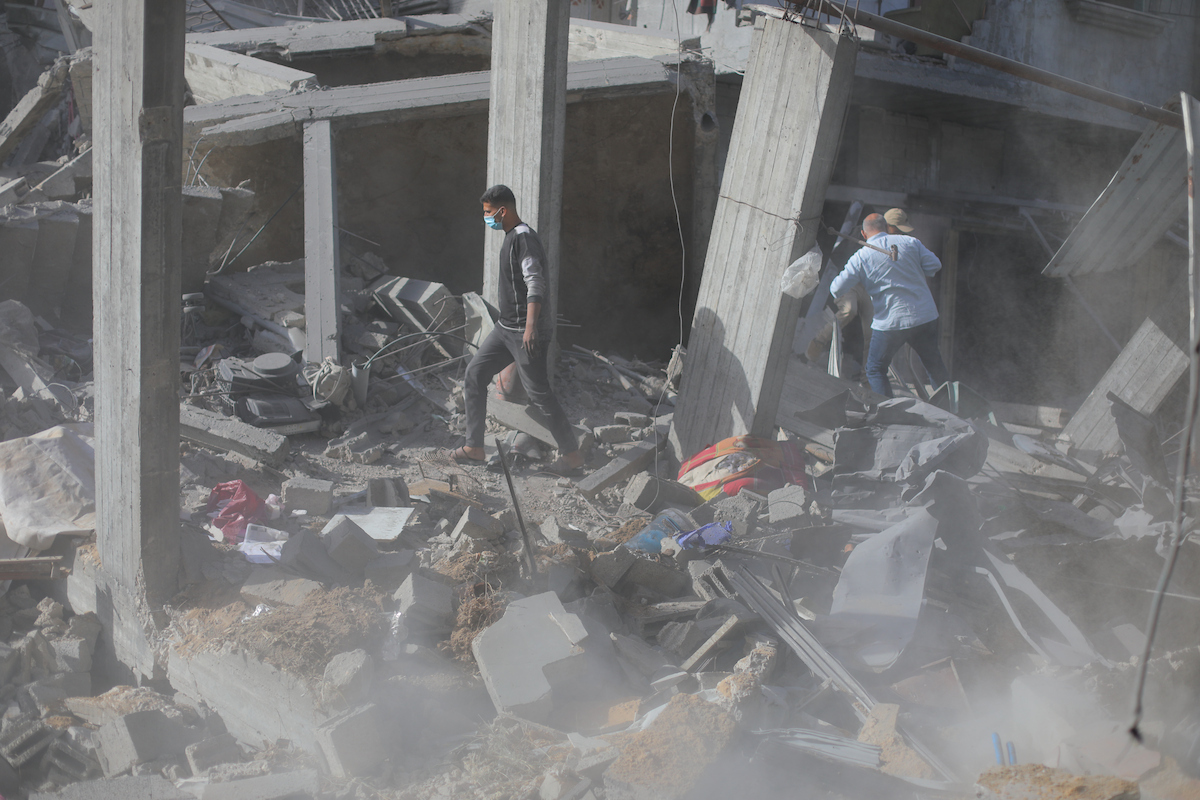
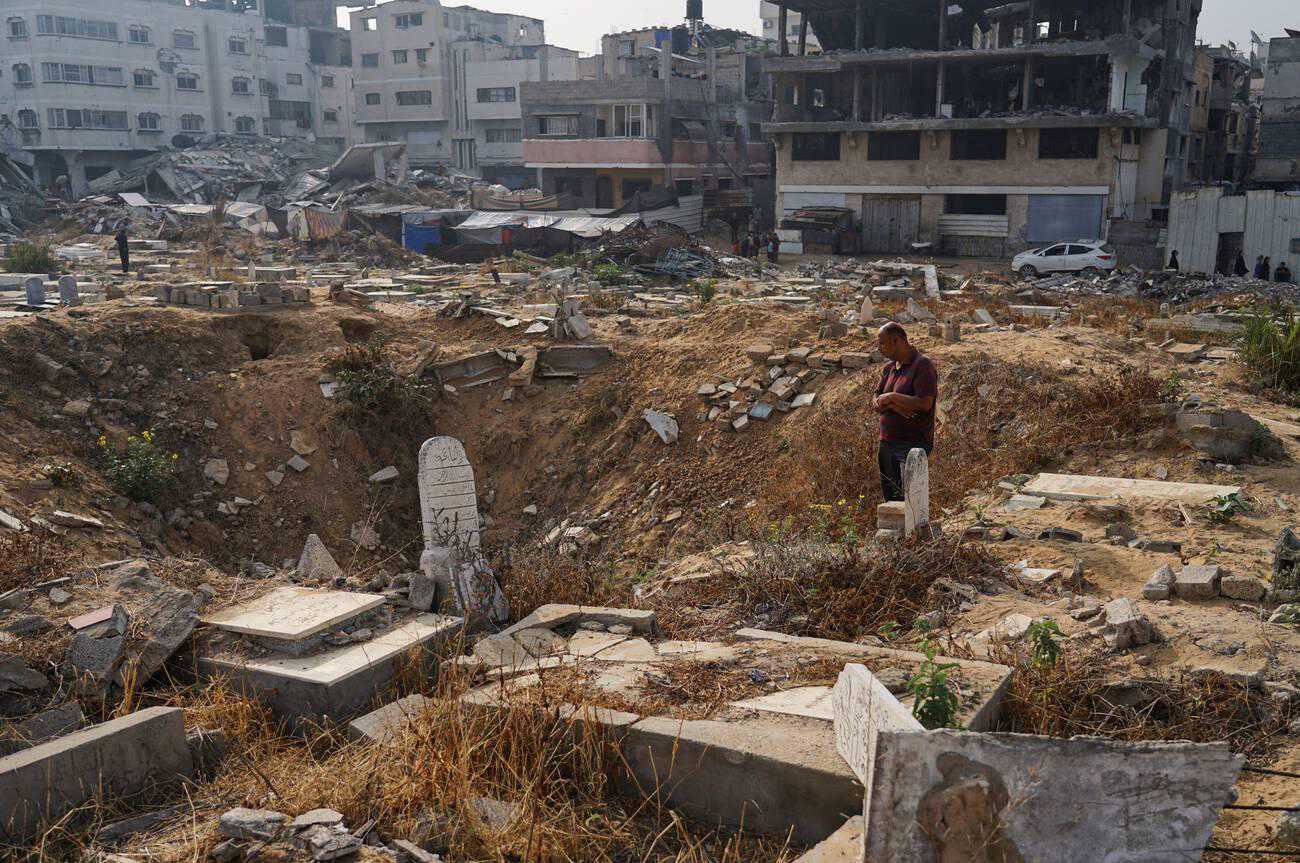
Unlike the grey terrain of the Middle East, known for its harsh aridity and barren landscapes, the region’s still-unsettled, multi-front conflicts that erupted after the 7 October, 2023 surprise Palestinian assault on Israeli settlements around Gaza Strip, almost literally, become associated in the public imagination with the colour blue: The sea, its waves, its vessels and its strategic waterways.
The Palestinians called that watershed event Al-Aqsa Flood. Israel described 7 October as a second Holocaust. If the Palestinians deliberately chose the word flood for its religious and symbolic connotations, the Israeli way of describing it, indicated how serious and tough their losses and injuries were.
What followed was a succession of milestones and unprecedented developments across the Middle East. They continue to unfold dramatically, resembling the abrupt and unpredictable movements of hurricanes and tempests on the high seas.
Yet the side-conflicts and mini-wars that followed 7 October have neither followed a single pattern nor obeyed the same rules. Instead, events have moved in different, sometimes opposing directions — unlike the orderly circular motion of an actual whirlpool. It is almost as though every confrontation has chosen a course of its own: The predictable alongside the unpredictable, the rational alongside the seemingly illogical.
It therefore takes more than intelligent guesswork or clever political analysis to determine which direction these events will ultimately take, and which may prove more dangerous — not only to the region and its inhabitants, but also to the many international powers with interests at stake.
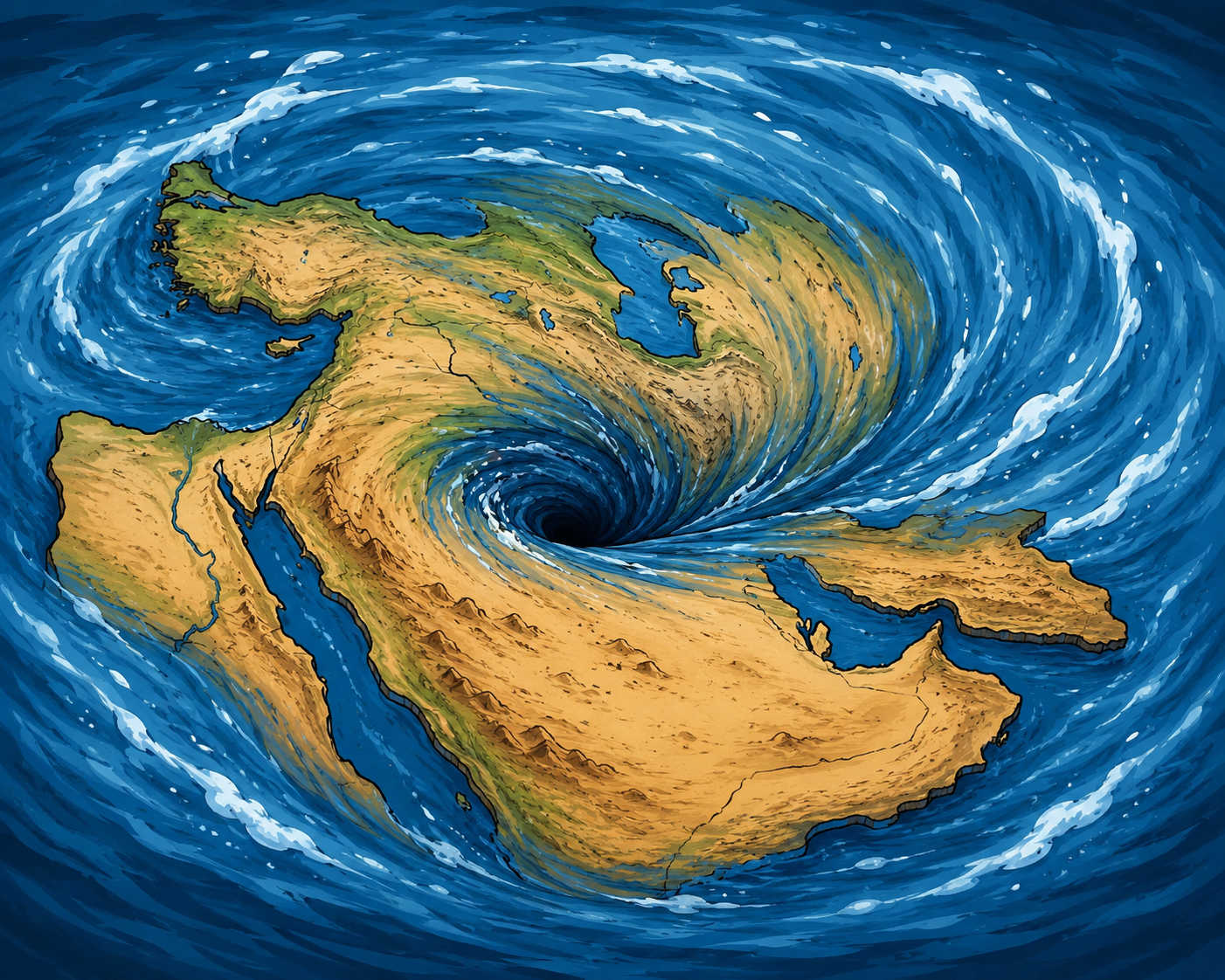
If we were to capture the current Middle Eastern scene in a single frame, we might portray it as an extraordinary, almost unbelievable collision of man-made tides, currents and sub-currents, all moving simultaneously through one increasingly turbulent sea.
Because the first shots fired on 7th October around Gaza strip, from a Palestinian point of view, came as a last desperate call and reminder of the injustice they are suffering, they soon found their echoes in the four corners surrounding it: In south Lebanon, Yemen to the south and Iraq and Iran to the east. Even to the west, there were international sailors who belonged to the Peace Flotilla, trying to bring medicine and food to the starving children of Gaza!
One of the most significant currents emerged on Israel’s northern front.
What initially appeared to be a relatively “controlled” confrontation between Israel and Hezbollah steadily intensified until September 2024, when Israel killed the party’s leader Hassan Nasrallah. Only a few months later came another geopolitical earthquake: The collapse of Bashar al-Assad’s government in Damascus in December 2024.
Each development sent another powerful current through the already boiling waters of the wider Middle Eastern whirlpool.
Then came an even larger artificial wave.
In June 2025, the United States launched Operation Midnight Hammer, striking Iran’s three principal nuclear sites at Fordow, Natanz and Isfahan while diplomatic efforts surrounding Iran’s nuclear programme were still underway.
Washington described the operation as an attempt to inflict decisive damage on Iran’s nuclear capabilities. Tehran responded with retaliatory action against American military interests in the Gulf.
But that was not the end of the storm.
On 28 February, 2026, the world witnessed another major escalation when the United States and Israel launched coordinated, large-scale attacks against Iran. The two allies acted jointly but gave their military campaigns different names: Washington called its operation Epic Fury, while Israel called its campaign Roaring Lion.
The strikes hit Iranian military infrastructure and senior leadership and inflicted substantial damage. Yet they failed to produce one of the most far-reaching political outcomes sought by US-Israeli advocates of the military campaign: The toppling of the Iranian regime.
And so the whirlpool continued.
Iran responded not simply through missiles and military retaliation, but by shifting the struggle towards one of the most strategically sensitive waterways on earth: The Strait of Hormuz.
Through restrictions on shipping, attacks on vessels and increasingly assertive claims over the waterway, Tehran transformed Hormuz into another major front in the confrontation. The strait — through which a substantial share of the world’s energy supplies traditionally passes — became yet another current dragging regional powers and the wider international community deeper into the turbulence.
Here, the metaphor of the whirlpool becomes more than literary.
Gaza, Lebanon, Syria, Iran, Yemen, Iraq, the Red Sea, the Arabian Gulf and the Strait of Hormuz are no longer easily separable theatres. Each produces currents that flow into the others. A military strike in one location generates political pressure somewhere else; an assassination changes the balance of power hundreds of kilometres away; a blocked shipping lane reverberates through global markets thousands of kilometres beyond the Middle East.
And all the while, new currents are being created faster than old ones can disappear.
What begins on the shores of Gaza does not remain in Gaza. What happens in Beirut, Damascus, Tehran or the Strait of Hormuz does not remain there either.
The Middle Eastern whirlpool has become too wide, too violent and too interconnected to contain its turbulence within the region itself.
And as it keeps spinning, its waves will continue to splash far beyond the shores of the Middle East — reaching, sooner or later, virtually every corner of the globe.
Conclusion: As long as the waters surrounding the Middle East remain crowded with warships, missiles, blockades, retaliatory strikes and the debris of foreign intervention, the region’s old whirlpool will continue to spin.

 Dr Khairi Janbek

 Saleem Ayoub Quna
 Heba
Heba