Jordan’s Fight Against Displacement

By Dr Amer Al Sabaileh

With the conclusion of the first meeting between President Donald Trump and His Majesty King Abdullah, Jordan finds itself facing a real political test. The strategy of buying time with an administration that has been in office for only a few weeks may not offer much room for maneuvering, making it increasingly difficult to navigate the direction of US policy. Jordan has sought to carve out a space for itself by engaging with the American president and promoting an alternative that has broader Arab support. However, this approach requires swift action and the presentation of practical alternatives that could gradually shape Trump’s perspective.

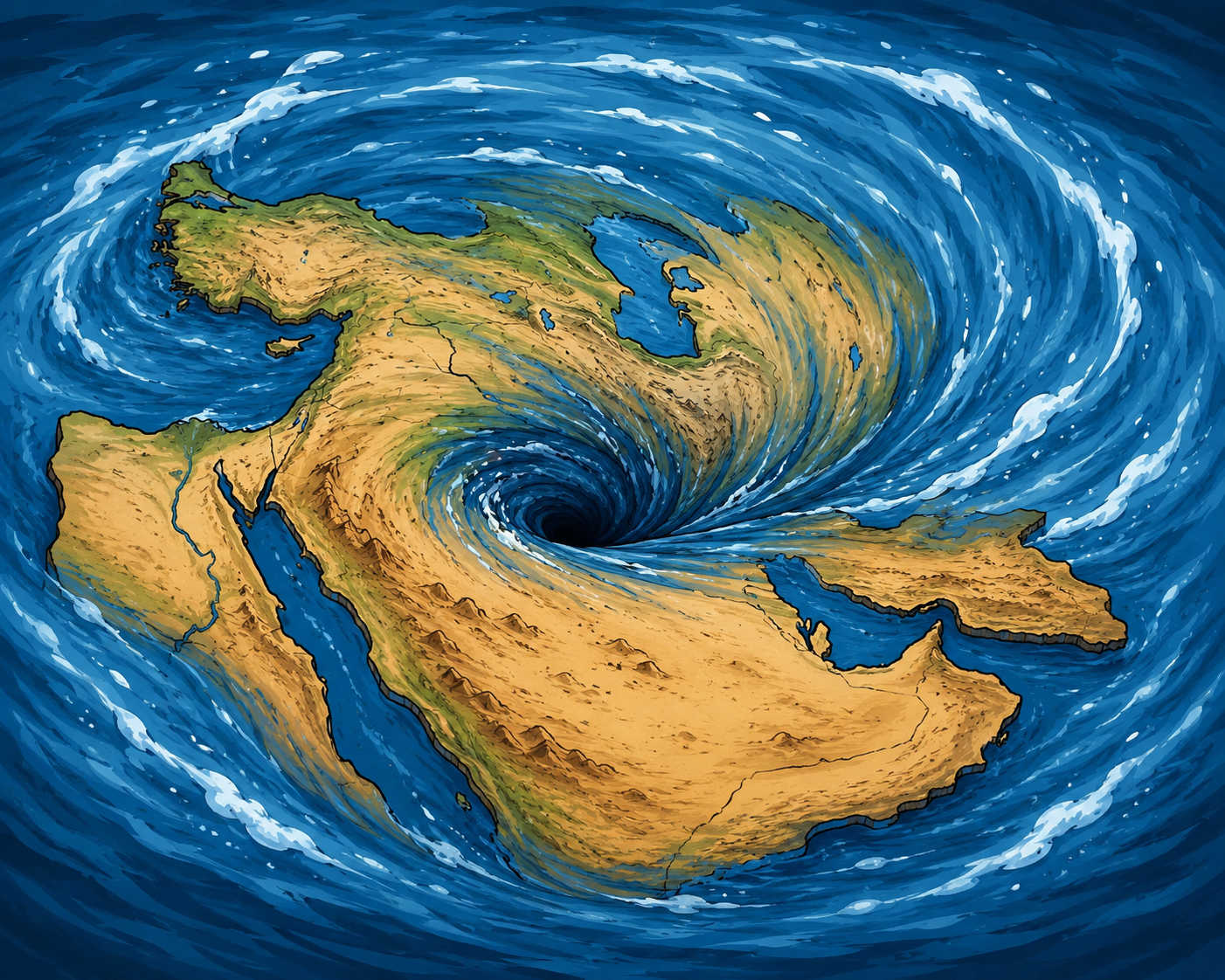
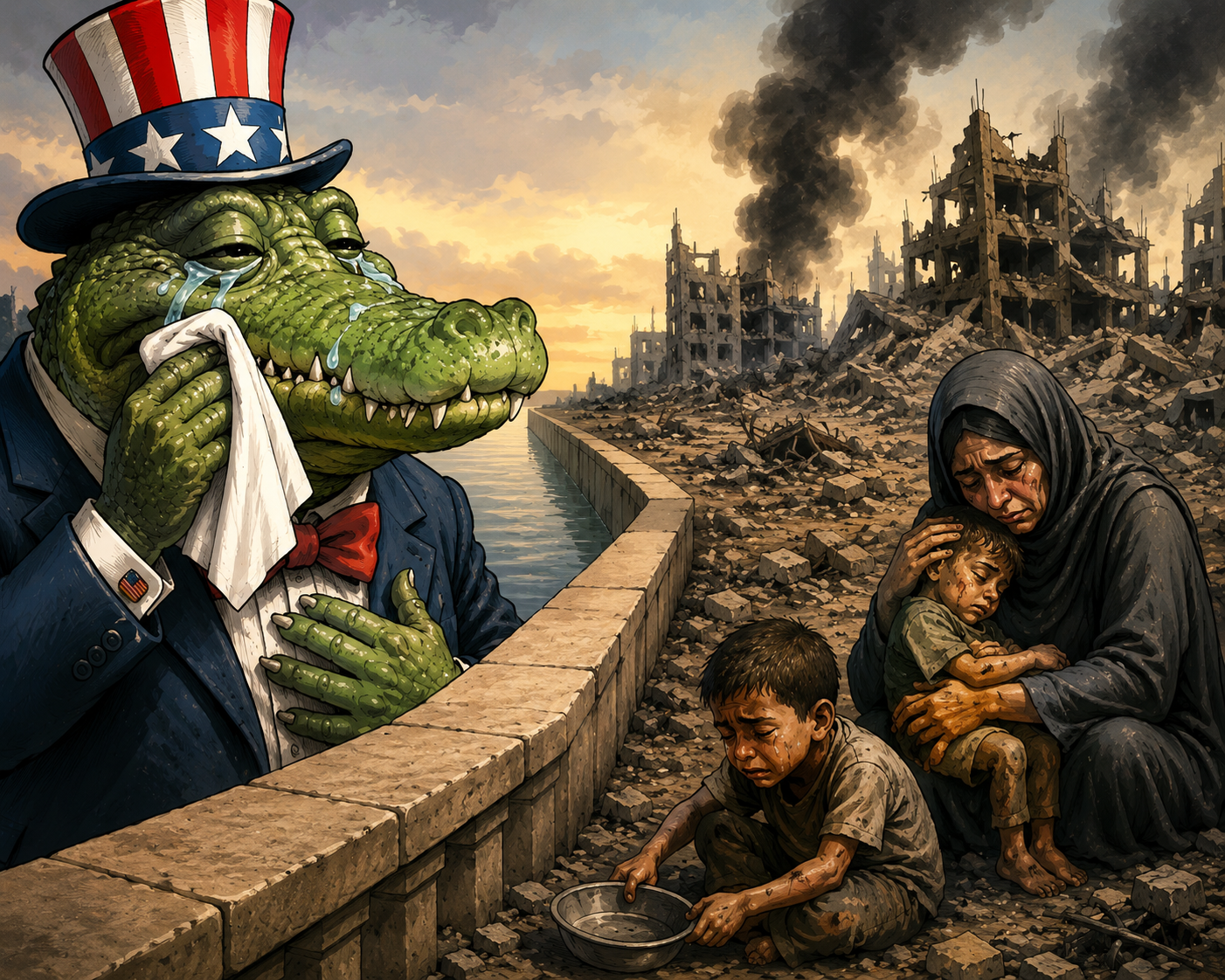
Jordan now needs to build strong alliances to manage the next phase and counter the looming threat of forced displacement of Gaza’s population—a proposal that Trump has openly suggested as the only solution. Regionally, Jordan finds itself alongside Egypt as both countries face direct pressure from the US displacement plan. This shared challenge has reinforced their cooperation on various regional issues over the years, yet expanding the Arab alliance has now become an urgent necessity. The multiple forms of US pressure on Egypt make it crucial to establish a stronger, more resilient Arab coalition, with Saudi Arabia playing a central role.

Trump views Saudi Arabia as a gateway to regional peace and a key economic partner, not only for the United States, but also for a major strategic project aimed at linking India to Europe through the Arabian Peninsula, the Mediterranean, and Italy. This highlights the importance of Saudi Arabia’s role in Trump’s vision. At the same time, Jordan’s southern geography is closely tied to Saudi Arabia within this ambitious economic corridor, which strengthens shared economic interests between the two countries. This growing economic partnership could lay the groundwork for deeper political coordination, including a potential Jordanian-Saudi understanding regarding the proposed displacement policy.

On the international level, Jordan can work to rally support for its political stance, which enjoys broad consensus among key global actors. However, at this stage, prioritising Arab alliances and maintaining effective communication channels with the US administration is far more critical than merely seeking international backing.

Domestically, Jordan’s internal front remains the most crucial. The current climate presents an opportunity for the state to reinforce national unity, as growing regional instability has heightened public awareness of external threats. This requires decisive steps to foster genuine political participation and address long-standing grievances of exclusion and marginalization. A shift in political discourse, engagement strategies, and governance methods is necessary to strengthen national cohesion. Uniting Jordanians under an inclusive and representative state framework will be vital in shaping a new phase in the country’s history.

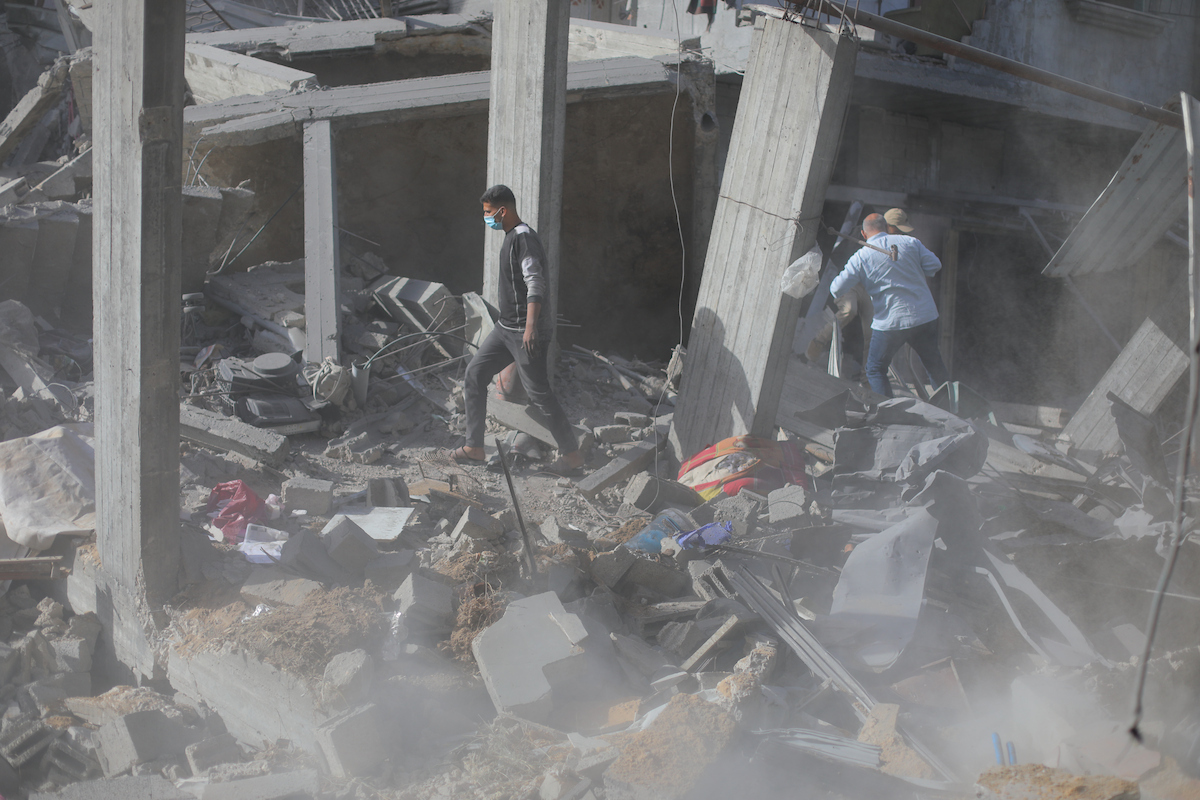
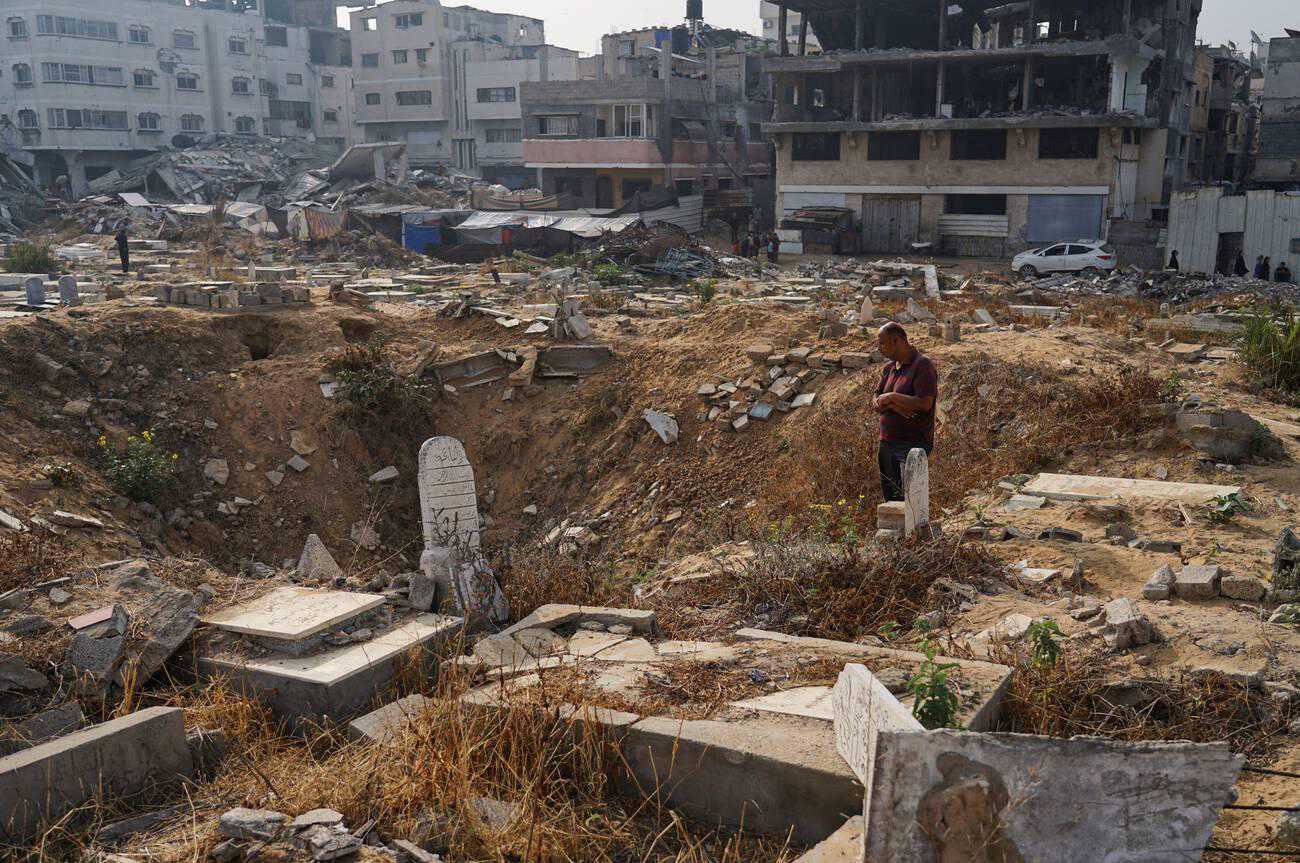
What remains striking is how Jordan was suddenly thrust into the equation of resolving the Gaza crisis. From the outset of the war, discussions primarily centered around Egypt due to its direct geographical connection to Gaza. However, Trump’s unexpected move to involve Jordan has now exposed the country to two major risks: the potential displacement of Gaza’s population and, more alarmingly, the forced displacement of West Bank residents. The push to make Jordan part of the US plan for Gaza raises concerns that this could lead to an imposed reality in which Jordan is expected to absorb West Bank residents as well.

Categorically rejecting forced displacement must be Jordan’s top priority. However, achieving this requires a high level of political agility and the ability to engage in direct negotiations with all relevant stakeholders. This approach would strengthen Jordan’s regional role at a time when further Israeli escalation across multiple fronts, including Gaza and the West Bank, seems increasingly likely. Such an escalation could be used by the Israeli government to block political maneuvering and impose new realities on the ground. A military confrontation could shift the issue of displacement from a political debate to an unavoidable reality, forcing all parties to confront its consequences.

The author is an academic writing for The Jordan Times.

CrossFireArabia

CrossFireArabia
Dr. Marwan Asmar holds a PhD from Leeds University and is a freelance writer specializing on the Middle East. He has worked as a journalist since the early 1990s in Jordan and the Gulf countries, and been widely published, including at Albawaba, Gulf News, Al Ghad, World Press Review and others.

Related Posts

Trump: Tunes, Ceasefire and Hormuz

Saleem Ayoub Quna

The latest ceasefire by Trump reminded me of an aspiring young violinist, who every time she started playing her own written piece, the tunes of her instrument would go havoc!

Last move, the declaration of a ceasefire with no deadline, by President Donald Trump on the Hormuz virtual chessboard with Iran, did not lack the usual element of surprise. Still, it was a relief for some, annoying for others and revealing for a third group!

While at it in the White House, the Pakistani host intermediaries in the other side of the hemisphere, were stood up for the arrival of the negotiation teams, who seemingly were hindered by other conflicting schedules, while pilots of the jet fighters, in the air bases and on board destroyers, and the launchers of missiles, drones and anti–missile batteries, were all getting itchy over the delay of orders from their commanders, which left TV anchors and other commentators, boringly speculating and redundant!

After the two rounds of exchanging intensive missile and rocket attacks, between Iran and the US-Israeli axis, in less than a year, using the open skies over the Middle East from the Mediterranean to the Gulf area, as a last resort to make each party’s views clearer to the other, President Trump, the man who happens to hold most of the important cards in his hands, seems today, to have come to the conclusion, that neither his message, nor his tools, or even his sheer luck have helped making his message loud and clear enough to his opponents and to the rest of world!

Luck in this context can be associated with the totality of internal, regional and world unanticipated reactions to this complicated conflict, in terms of rising oil and gas prices for the average consumer, whether in Europe, North America or in Eastern Asia. It is highly suspected that these instruments in the hands of Trump, started producing tunes that were not written or desired by Trump himself, and if they did, it was just a kind of dissonance!

It is also very probable that Trump’s tactics as a deal maker, continuously changing his tone and vocabulary, made his listeners lose track of his true original storyline, if there was one! But more seriously, weighing and counting the odds that have befell Trump in the aftermath of the breakout of the war, some of which were

of his own making, and other developments that came out as natural by-products of the original move!

Following is a rundown of those unexpected unpleasant by-products, or side-effects, some of which might turn into chronicle headaches*, of the whole initiative which Trump had closely coordinated with his persistent ally, Netanyahu, the first in June 2025, when the two of them orchestrated the “Midnight Hammer” surprise operation against sensitive Iranian targets, and the second round “Epic Fury” on Feb28 this year, while negotiators were in session:

1. Rise of oil and gas price in world markets

2. Drop of share prices in stock markets

3. Fracture with NATO*

4. Decline in Republican Party ratings ahead of the midterms congressional elections in November

5. Resurgence of Trump’s friendship with Epstein’s scandals.

6. Firing key US generals in the midst of crisis, culminated by ousting Navy Secretary, John Phelan.

7. Emulating Jesus Christ in a replica image!

8. Personal row with Pope Leo who stands as the most respectful living figure in the Western civilization.*

9. Lebanon and Hezbollah’s connection.*

10. The Strait of Hormuz new strategic entanglement*

None of the above problems or symptoms of problems, except for point 5 and 9, existed before Trump made up his mind to go into war against Iran last year. Even back in 2018 during his first term, Trump shocked the world by tearing up the Iran-nuclear deal approved by Obama’s Administration after being endorsed by the rest of the Western powers. No one expected that Trump would go this far in his second term, except the Prime Minister of Israel!

All things considered, the whole world, minus Israel, was shocked by the magnitude of the bombings to finish Iran’s potentials to own its own nuclear knowhow and capabilities. All of which leaves me wondering if this latest ambiguous ceasefire, and the way it was presented and its timing, will prove to be a real turning point in the ongoing strife in the Middle East, or just another boring maneuvering tactic by Trump!

As for the fate of young aspiring violinist, it was said that after she had discovered that her violin was not authentic but a replica, she decided to become a soprano!

Continue reading
An Unholy War!

By Robert Stephen Ford

Presidents and popes have disputed wars in the past. Pope Paul VI criticized the American war in Vietnam, saying that America was losing its moral standing. Pope John Paul II called the American invasion of Iraq in 2003 unjust and illegal. However, the clash between US President Donald Trump and Pope Leo XIV, who are the two most influential Americans in the world, about the war against Iran is without precedent.

The rift that preceded the war

The relations between the Vatican and the Trump administration were difficult even before the Iran war. Before the appointment of Pope Leo, Pope Francis in 2025 criticized Donald Trump’s restrictions against immigration and the treatment of refugees and immigrants in American detention centers. In January 2026, three top Catholic Church leaders in the United States issued a report stating that American foreign policy was immoral. They pointed to reduced assistance to world health programs that have harmed tens of millions of people worldwide.

The American surprise attack on Iran on February 28 sharpened the dispute between the Vatican and the White House. The Trump administration portrays the war as a kind of holy crusade blessed by God. In his April 7 social media message threatening to destroy Iranian civilization, Trump exclaimed, “Glory to God!” while also saying that God ensured the success of the mission to rescue an American pilot whose plane was shot down over Iran. On March 26, US Defense Secretary Pete Hegseth told a press conference that military strikes against Iran enjoyed protection from God, and at a religious service in the Pentagon on April 1, he quoted from the Old Testament, asking God to “break the enemy’s teeth.”

The Pope responded on April 6 that Jesus called for peace and reconciliation, and he rejected politicians using God to justify war. His rebuke generated sharp counterattacks from Trump and some Republican Party leaders. Vice President JD Vance and Speaker of the House of Representatives Mike Johnson said the pope appeared not to understand the Catholic Church theory of just war. Several American bishops close to Pope Leo responded that it was ridiculous to suggest that the pope did not understand the theology and the theory of just war since Leo himself is from the branch of the Catholic Church founded by Augustine, the Christian thinker who, 1,600 years ago, first set down the principles of a just war. The surprise American attack in the middle of negotiations, the American failure to avoid striking civilian targets and the ambiguous American government goals of the Iran war did not meet the standards of a just war, they noted.

Politics dressed as theology

Trump and the Republicans are politicians, not theologians. They portray the war against Iran as holy because they understand that the war is unpopular in the United States and they need the support of Christian conservatives in their political base. Notably, most Catholics, who are about 20% of the American population, voted for Trump in 2024. Opinion polls since late March have shown that most Americans doubt the war is in America’s national interests. After Trump’s threat to destroy Iranian civilian infrastructure and civilization on April 6-7, the pope called the threats “unacceptable” and would violate international law. He even urged American citizens to contact their representatives in Congress to demand that the war stop. It was unprecedented for a pope to urge Americans to mobilize this way, and it directly touched a big part of the Republican Party base. Trump responded five days later with his social media message alleging that the pope appears to accept that Iran can have nuclear weapons and does not understand foreign policy. No American president had attacked a pope so personally. With economic damage from the Iran war and opinion polls indicating Democratic Party victories in the November congressional elections, the White House and Republicans are especially sensitive to criticisms towards their war policy.

The pope enjoys a big advantage over Trump in opinion polls in the United States, and Trump over the past four days has retreated a little. He said on April 16 that while he respected the pope’s right to say what he thinks, Trump insisted that he would continue to say and do what he thinks is right. The pope, meanwhile, said on April 18 that he did not want to debate the president. The pope’s role in the end is not to descend to politics but rather to stay on a high level focused on how people should live according to the principles of Christianity. This round of arguments has been winding down, but the Trump administration’s use of Biblical scripture and symbols to justify controversial policies will trigger new fights with the Catholic Church in the months ahead, especially if the war escalates.

The writer is a former US Ambassador to Algeria and Syria and contributed this article to Anadolu

Continue reading

You Missed

Trump: Tunes, Ceasefire and Hormuz

Trump: Tunes, Ceasefire and Hormuz

Israeli Looters in Lebanon

  • By marwan
  • April 23, 2026
  • 15 views

Ayat, Qamar Bid Farwell to Their Martyr Dad

Ayat, Qamar Bid Farwell to Their Martyr Dad

‘We Killed Our Own Then Blamed Hamas’

‘We Killed Our Own Then Blamed Hamas’

An Unholy War!

An Unholy War!

‘Journalist Khalil Trapped Under Rubble Left to Die’

‘Journalist Khalil Trapped Under Rubble Left to Die’