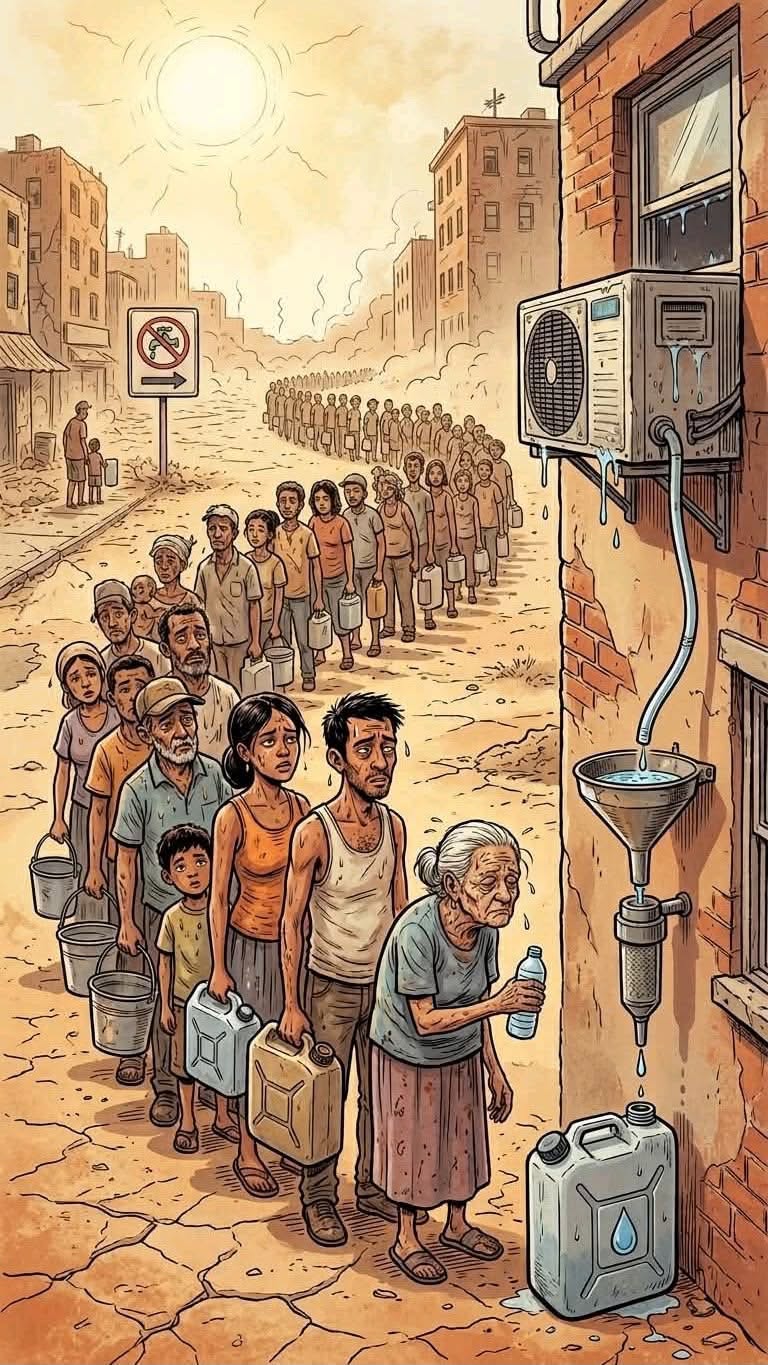
Join The Queue For The Drops
 CrossFireArabia
- August 24, 2026
Yousef Abu Jeish is a Jordanian writer and a creative man. This is his latest innovation.
 CrossFireArabia
Yousef Abu Jeish is a Jordanian writer and a creative man. This is his latest innovation.
CrossFireArabia
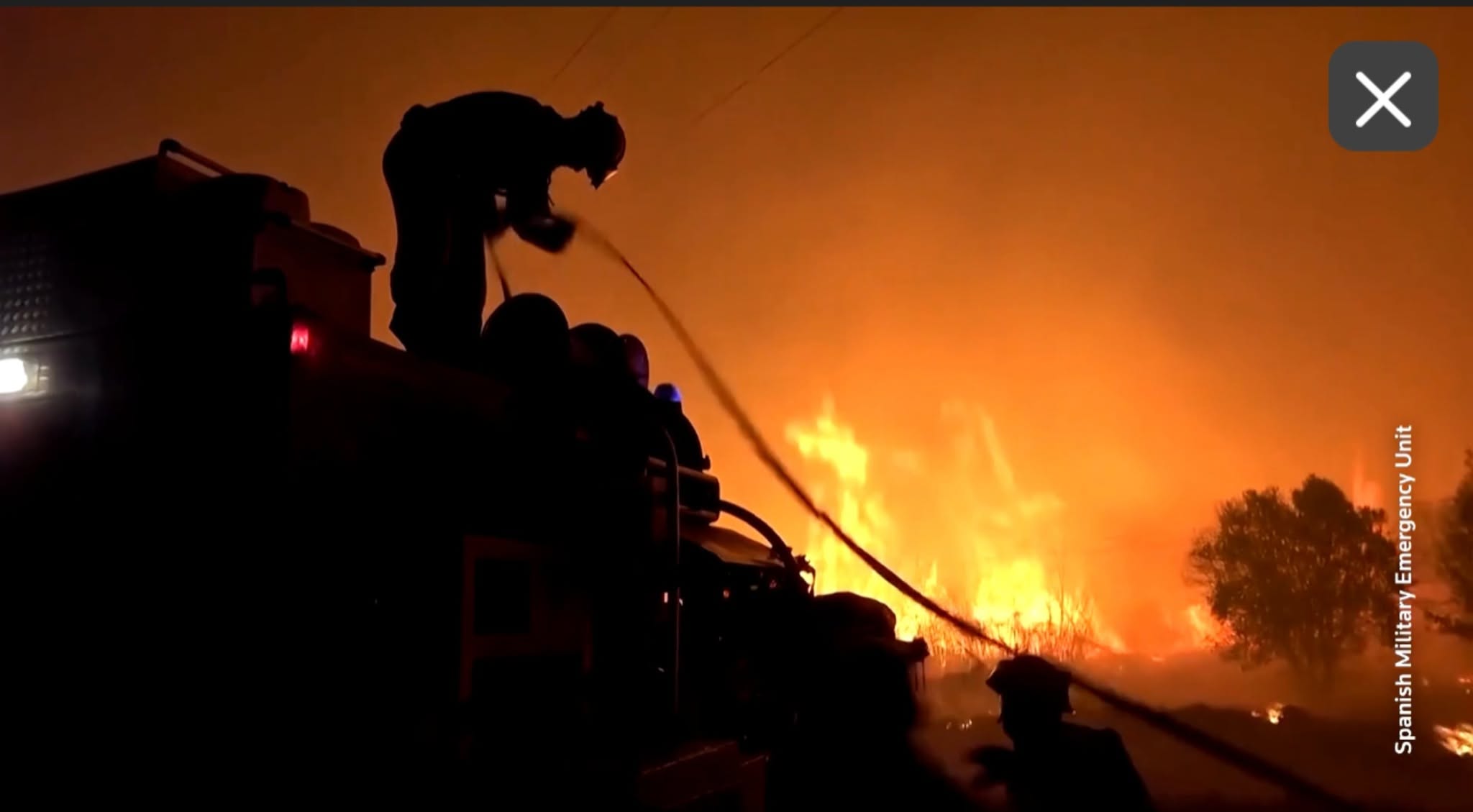
Every summer, southern Europe braces for another wildfire season. This year, large fires have swept across parts of Spain, Sicily and southwestern France, destroying forests, threatening villages, forcing evacuations, and leaving behind landscapes that may take generations to recover.
Firefighters have displayed extraordinary courage, often risking their lives against flames intensified by drought, heat waves, mulch and strong winds. Yet the repeated return of these disasters raises a question that extends beyond climate change and forest management. It is a political and moral question about priorities.
Spain and France are among Europe’s strongest economies and are both leading members of NATO. Together with their allies, they possess some of the most advanced military capabilities ever assembled. NATO can mobilise fleets of aircraft, satellites, drones, logistics networks, and highly trained personnel with remarkable speed when military operations are required. History has shown that the alliance has been able to sustain prolonged military campaigns in countries such as Afghanistan, Iraq, Iran and Libya, while individual member states have also participated in operations in Syria and against Iran-backed military targets in recent years. The financial and technological resources devoted to warfare are immense.
Against this backdrop, the struggle against wildfires appears strangely underpowered. Each summer, firefighters often speak of aircraft shortages, exhausted crews, and limited resources. Local authorities compete for specialized firefighting planes because demand exceeds supply. Countries request assistance from their neighbors through European cooperation mechanisms, yet devastating fires frequently continue burning for days before sufficient aerial support arrives. Even Jordan has participated in firefighting in Cyprus on many occasions.
This contrast invites reflection. If nations possess the industrial capacity to manufacture sophisticated fighter jets, cruise missiles, precision-guided weapons, and advanced drones and surveillance systems, why does the world still struggle to produce enough specialised firefighting aircraft? If military alliances can coordinate thousands of personnel across continents within hours, why is a similarly ambitious international system for combating natural disasters still so limited?
The question is not whether military forces should disappear. Every nation has legitimate security concerns and responsibilities to defend its citizens. Rather, the question concerns balance, justice and equity. Security today is no longer defined solely by armies confronting one another. Climate change, prolonged droughts, extreme heat, floods, and wildfires increasingly threaten lives, infrastructure, food security, biodiversity, and economic stability. A forest fire that destroys thousands of hectares, devastates tourism, and fills cities with smoke is not merely an environmental problem. It is a national security challenge.
Imagine if even a small fraction of global military expenditure were redirected toward environmental emergency preparedness. Hundreds of additional firefighting aircraft could be built and strategically stationed around the Mediterranean basin. Satellite systems already monitoring military movements could continuously detect new fires within minutes. Military logistics could rapidly deploy firefighters, engineers, medical teams, and equipment wherever flames emerge. Joint exercises could prepare nations not only for armed conflict but also for climate-related disasters.
Such an initiative would not require abandoning defense. It would simply recognise that the threats of the twenty-first century demand broader definitions of security. Protecting forests, preserving water resources, and safeguarding communities against climate-driven disasters deserve the same seriousness that governments devote to conventional military planning.
Some may argue that military aircraft cannot simply replace firefighting planes. They are correct. Different missions require different equipment, training, and tactics. Nevertheless, the comparison remains valid at the level of priorities. The capacity to invest, innovate, manufacture, and coordinate certainly exists. The real question is whether sufficient political will exists to treat environmental emergencies with equal urgency.
The forests burning across Spain, Sicily, Greece and France remind us that nature does not recognize national borders. Smoke drifts across countries and so pollution. Wildlife disappears without passports. Carbon released from burning forests contributes further to global warming, increasing the likelihood of future fires. Every delayed response makes the next disaster more probable.
History often celebrates technological achievements developed for war. Perhaps the coming decades should instead celebrate technologies developed for protecting life. Imagine an international alliance whose greatest strength lies not in the destructive power of its weapons but in its ability to extinguish fires, prevent famine, restore ecosystems, and save human lives before disaster spreads.
The smoke rising above the forests of Spain and France should therefore provoke more than sympathy. It should provoke a reassessment of our collective priorities. Humanity has demonstrated extraordinary ingenuity in designing machines capable of striking targets thousands of kilometers away with astonishing precision. Surely the same ingenuity can be directed toward extinguishing fires that threaten our shared natural heritage.
In the end, the measure of civilization is not only how effectively it wages war, but also how effectively it protects life. When future generations look back at our time, they may ask a simple question: Why was it easier to finance destruction than to prevent forests from burning? The answer will reveal far more about our values than about our technology.
Ayoub Abu Dayyeh wrote this piece for The Jordan Times.
 marwan
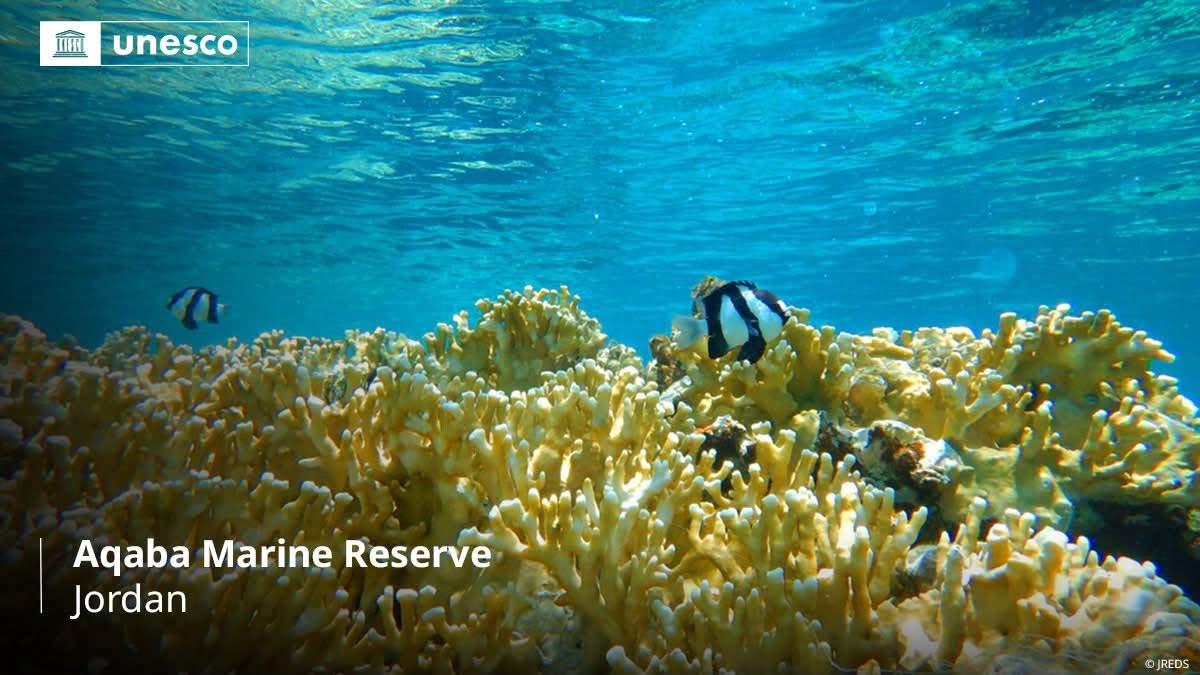
On July 25, Jordan achieved a historic milestone as the Aqaba Marine Reserve was officially inscribed on the UNESCO World Heritage List during the 48th Session of the World Heritage Committee in Busan, Republic of Korea. Recognized under UNESCO’s natural criteria (ix) and (x), the Reserve earned global recognition for its outstanding ecological processes, extraordinary marine biodiversity, and exceptional contribution to the conservation of one of the world’s most resilient coral reef ecosystems. This inscription marks Jordan’s first natural World Heritage Site, adding a new dimension to the country’s internationally celebrated cultural heritage.
This achievement extends far beyond international recognition. It positions Jordan at the center of one of the defining global challenges of the twenty-first century: climate change. While coral reefs around the world continue to suffer unprecedented bleaching events caused by rising sea temperatures and ocean acidification, the coral reefs of the northern Red Sea have demonstrated an extraordinary ability to withstand environmental stress. Scientists increasingly regard the reefs of Aqaba as among the most climate-resilient coral ecosystems on Earth, offering valuable insights into the future survival of tropical reefs worldwide.
The Aqaba Marine Reserve is therefore more than a protected area. It is a living laboratory for international scientific research and a beacon of hope in the global effort to understand, protect, and restore marine ecosystems. The Reserve safeguards hundreds of coral species, over five hundred species of fish, and an extraordinary diversity of marine life that continues to thrive in conditions that threaten reefs elsewhere. At a time when the world is searching for solutions to biodiversity loss and climate adaptation, Jordan now hosts one of the planet’s most significant natural assets.
The UNESCO inscription also carries profound implications for Jordan’s tourism sector. Across the world, World Heritage designation is recognized as a symbol of quality, authenticity, and long-term conservation. It strengthens international confidence, raises global visibility, and attracts travelers seeking meaningful, sustainable, and environmentally responsible experiences. Increasingly, today’s visitors are choosing destinations that demonstrate a genuine commitment to protecting nature and preserving cultural identity. The Aqaba Marine Reserve perfectly reflects this global shift toward sustainable tourism.
For Jordan, this recognition presents an opportunity to diversify its tourism economy beyond traditional cultural attractions. Aqaba can now establish itself as a premier international destination for marine ecotourism, diving, underwater photography, scientific expeditions, educational travel, and conservation-focused experiences. Universities, research institutions, environmental organizations, and climate scientists from around the world are likely to view the Reserve as an increasingly important destination for collaboration and discovery. Such partnerships generate knowledge, investment, employment opportunities, and long-term economic benefits while reinforcing Jordan’s reputation as a responsible steward of global heritage.
Perhaps the greatest opportunity lies in integrating this achievement into Jordan’s broader tourism vision through the Golden Triangle—the internationally renowned destinations of Aqaba, Petra, and Wadi Rum. Few countries possess such an extraordinary concentration of globally significant heritage within such a compact geographical area. Within only a few hours, visitors can dive among some of the world’s most climate-resilient coral reefs, stand before the timeless grandeur of Petra, and experience the breathtaking desert landscapes of Wadi Rum. Together, these destinations offer an unparalleled journey through sea, stone, and desert, where nature, culture, history, and adventure come together in one seamless experience.
The Golden Triangle now tells a more compelling story than ever before. Aqaba represents the resilience of nature. Petra embodies the resilience of human civilization. Wadi Rum showcases the dramatic geological forces that have shaped the landscape over millions of years. Together, they present Jordan as a destination where natural heritage and cultural heritage complement one another, creating a tourism model that is both economically powerful and environmentally sustainable.
Petra and Aqaba, in particular, share a remarkable narrative despite representing different forms of heritage. Petra stands as one of humanity’s greatest achievements in adapting to an arid environment through sophisticated engineering, water management, and urban planning. Aqaba demonstrates how nature itself has adapted to environmental extremes, preserving coral reefs that continue to flourish despite rising sea temperatures. One tells the story of human resilience; the other tells the story of ecological resilience. Together, they position Jordan as a global symbol of adaptation, innovation, and coexistence between people and nature.
This achievement also reinforces Jordan’s international leadership in heritage conservation. With six UNESCO World Heritage properties—five cultural and now one natural—the Kingdom demonstrates that protecting heritage is not limited to preserving monuments and archaeological sites. It extends equally to safeguarding ecosystems, biodiversity, and the natural landscapes upon which future generations will depend. The inscription of the Aqaba Marine Reserve broadens Jordan’s global identity from a country renowned for its ancient civilizations to one that also contributes meaningfully to international environmental conservation.
Yet UNESCO inscription is not the conclusion of the journey—it is the beginning of a greater responsibility. Global recognition brings with it an obligation to strengthen conservation efforts, enhance scientific monitoring, carefully manage tourism growth, regulate coastal development, and ensure that local communities remain active partners in protecting this remarkable marine environment. Sustainable management must remain the foundation upon which future tourism development is built.
Jordan has shown that conservation and economic development are not competing priorities but complementary objectives. Protecting nature creates opportunities for scientific innovation, sustainable investment, local employment, and responsible tourism. The Aqaba Marine Reserve now stands as a global example of how environmental stewardship can generate lasting social and economic value while preserving irreplaceable natural heritage.
As the world confronts the realities of climate change, biodiversity loss, and increasing environmental uncertainty, Jordan offers a powerful message of optimism. The inscription of the Aqaba Marine Reserve is more than a national achievement—it is a contribution to humanity’s shared future. Together with Petra and Wadi Rum, it establishes the Golden Triangle as one of the world’s most remarkable destinations, where ancient civilizations, resilient ecosystems, and extraordinary landscapes unite to tell a story of hope, sustainability, and the enduring relationship between people and the natural world.
Yazan K. Mahadin is commissioner for Petra Archeological park and Tourism – PDTRA. He contributed this article to The Jordan Times
 Saleem Ayoub Quna
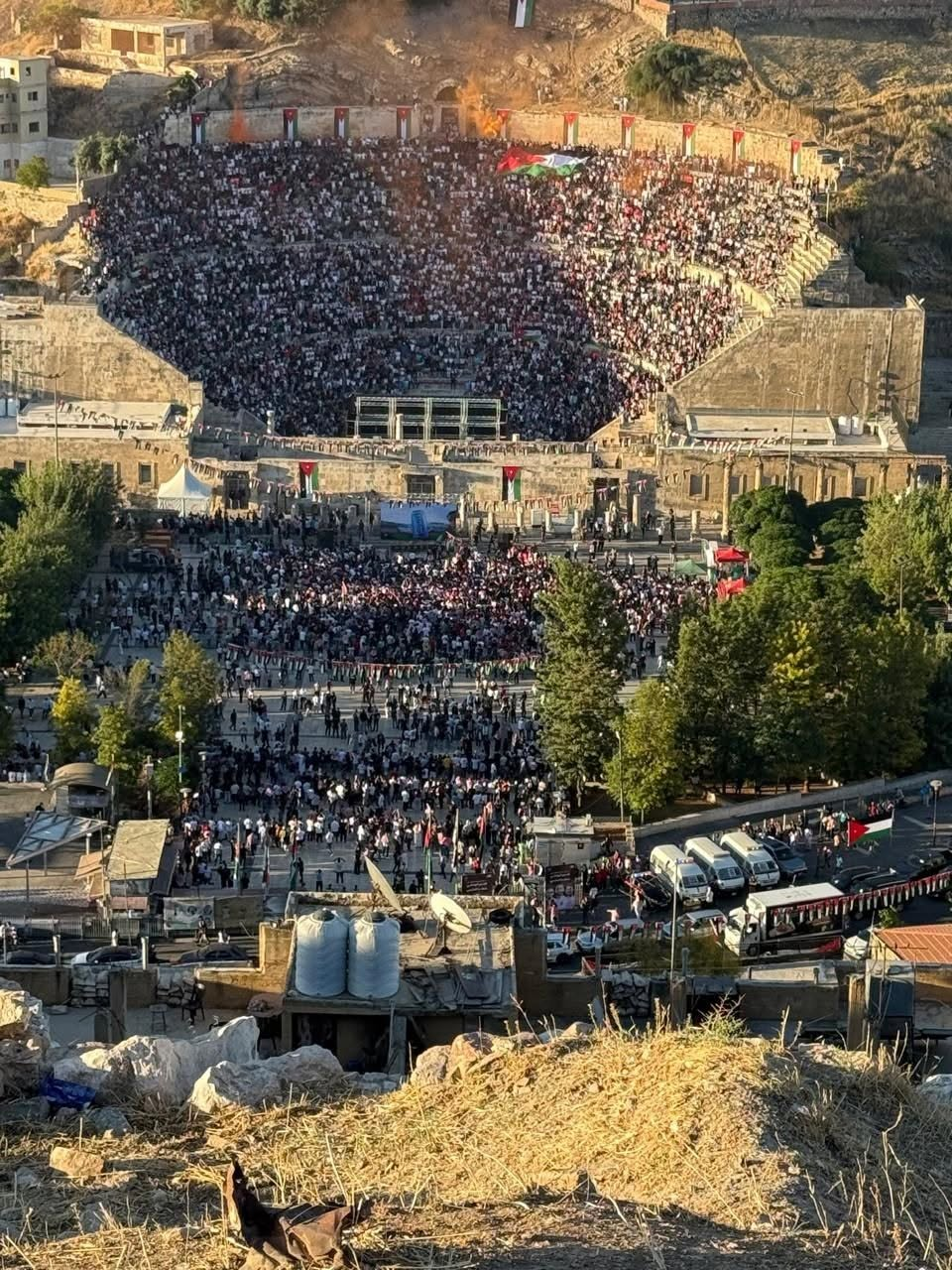
(Caption: Huge Jordanian crowds assemble at the Roman Theater in downtown Amman on Wednesday at 7 am to watch the first Jordan-Austria football match for the World Cup that was being broadcast live from San Francisco, USA. (Courtesy photo Dr Zeidan Al Kafafi, directly taken from the Amman Citadel.)
Two prominent universal endeavors help bring people closer to each other: Music and sports. Both can be performed without the need for language. One goes to the ear and the other catches the eye!
Today, the world is watching football matches played in three countries of North America by the best 48 national teams including Jordan for the first time, in this 32nd edition of the World Cup organized by FIFA.
It is important to notice that the power and impact of the little colorful ball being kicked by 22 players for 90 minutes, split into two halves, before an enthusiastic two huge crowds, each representing one team, surpass the effects of any other activity, theory, ideology or doctrine endorsed or practiced by the human race!
All participating nations in the ongoing tournament, big or small, rich or poor, old or new, would be chanting their national anthem and waiving their own flags in a joyful atmosphere that lasts for a whole month.
Also football and “foreign threat or aggression” to the nation have equal weight and role in uniting the people of any nation under one banner; one creates harmony between community members and the other feeds on the fear of the unknown!
Within the boundaries of each participant nation, a kind of a state of emergency prevails, where some days off are observed, city centers and businesses are closed and daily life takes a different beat. Crowds also gather before titanic screens in public places to watch their national team playing.
But some cynics have a different view. They call the soccer game a total nonsense, a sheer waste of energy and a preference of foot over the brain!
Whatever our attitude towards this sports event might be, many tears of joy or regret would be shed, many hearts would be broken and many dreams would be either, fulfilled or shattered.
By the end of the month, our bigger globe will take a break for four long years, then new hopes for a win will arise again and bless humanity with precious moments of joy and celebration.
marwan
By Ismail Al Sharif
On 4 June, the Pew Research Center released a survey titled: “Most People in 36 Countries Have a Negative View of Israel and No Trust in Netanyahu.”
The study, which polled 44,657 people worldwide, revealed that negative views of Israel have become prevalent in most of the surveyed countries. On average, 67% of respondents hold a negative view of Israel, compared to only 25% who expressed a positive one.
Notably, the study found only a handful of countries—no more than a handful—where Israel enjoyed a positive view among the majority of their people.
Perhaps most importantly, this decline is no longer limited to Muslim-majority countries or societies historically known for their negative stance toward Israel. It now extends to Western countries whose people were traditionally considered supporters of Israel.
In Europe, North America, and Australia, negative views are growing, particularly among young people and those on the political left. The study indicates that young people in several countries hold more negative views of Israel than the older generations there, making the crisis far from a passing phenomenon and giving it a generational character that could have long-lasting effects.
The study also shows the division over Israel has become clearly ideological. In the United States, for example, liberals hold far more negative views than conservatives, and young Americans are more critical of Israel than the older generations. This pattern is repeated in other Western countries, where the left tends to hold even more anti-Israel positions than the right.
President Donald Trump was right when he told the war criminal [Benjamin] Netanyahu in a phone call that the world hates him; the world’s hatred for him even surpasses its hatred for Israel. The study found that a majority in most countries do not trust him. In the United States, 59% of respondents do not trust him, compared to only 27% who do. Even among American Jews, although the positive view of Israel remains relatively high, trust in Netanyahu appears to be significantly low.
The study also indicates that some countries register very high levels of negativity toward Israel, such as in Turkey, where the negative view reached 97%. In the West Bank and East Jerusalem, 85% expressed a negative opinion, compared to only 4% who expressed a positive one. It should be noted that the study did not include Gaza.
The few remaining points of support are mainly confined to some African countries, such as Kenya and Ghana, due to Zionist influence in them, but they do not amount to a clear majority in support of Israel. As for Netanyahu, he enjoys the trust of a majority of the population in only two countries: Kenya and the Philippines, where he is seen as a strong leader.
Unfortunately, this study did not include the opinion of Jordanians regarding Israel or the war criminal Netanyahu, an opinion that, in reality, does not require extensive polling. The Jordanian position on Israel and Netanyahu is well-known and consistent, and is confirmed by other studies.
A recent Arab Barometer survey revealed that Jordanians’ view of Western policies has sharply declined due to the Gaza war, with 81% believing that the United States defends Zionist interests. A 2023 Washington Institute poll found that 84% of Jordanians oppose establishing trade relations with Israel, even if they bring economic benefits to Jordan, and 76% refuse to accept humanitarian aid from Israel, even in times of disaster.
A 2025 survey of Jordanian university students showed that 92.6% consider Israel as the “main enemy” of Jordan and the Arab world.
Besides Jordan, the study omitted the countries surrounding Israel: Egypt, Syria, and Lebanon. This omission is perhaps questionable, as the populations of these countries hold a deeply negative view of Israel and its prime minister. Their figures would have provided conclusive evidence that Israel remains a foreign entity in the region, despite peace agreements and economic interests that have failed to alter public opinion.
These figures would have raised broader questions among the world’s populations about the very notion of Israel’s acceptance within its surrounding region. If this entity is indeed surrounded by such rejection and hatred, then the logic of history and geography dictates that the region will ultimately reject it.
This article was first published in the Arabic Addustour daily newspaper and reprinted in crossfirearabia.com