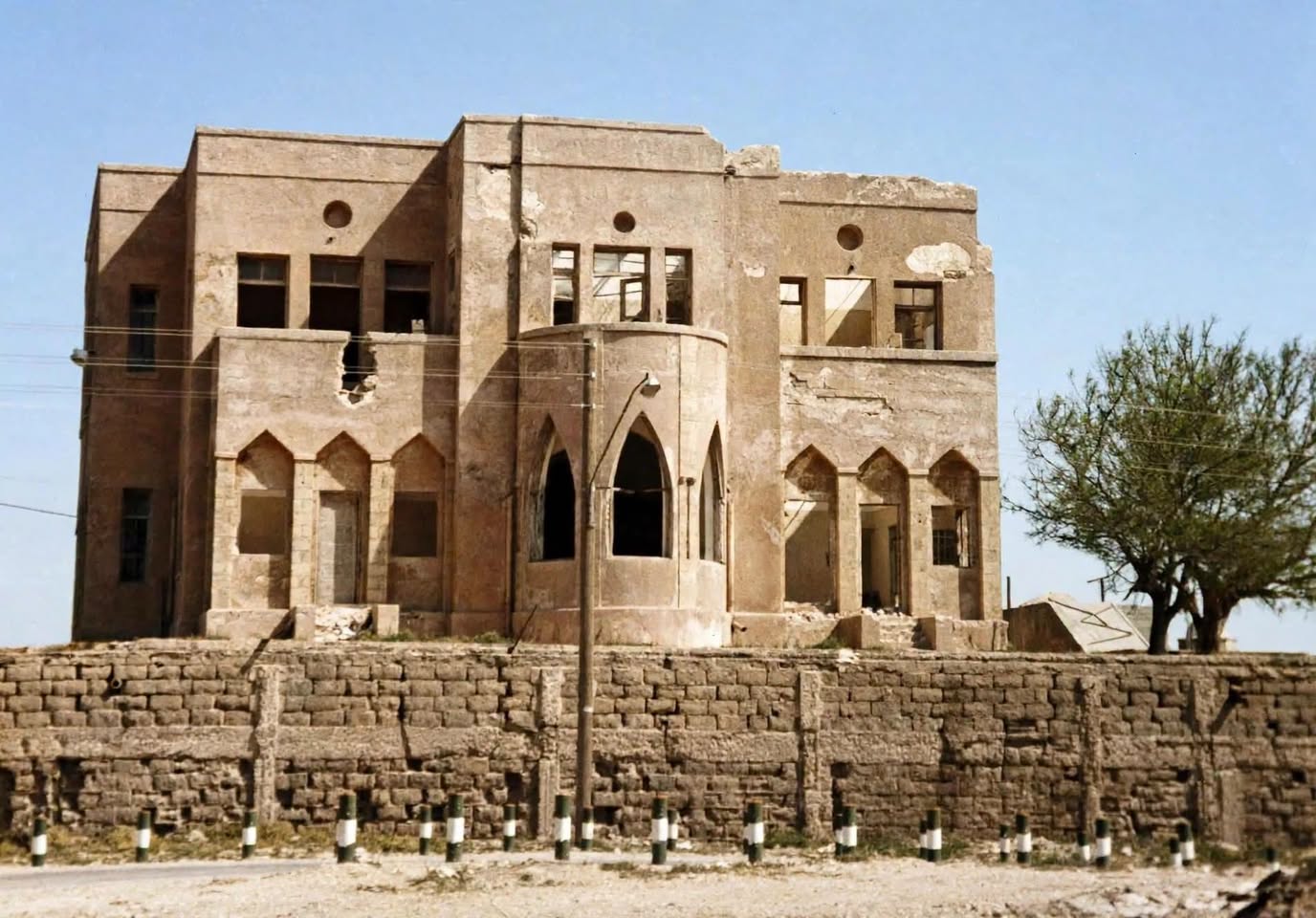
Sama Safa: An American, Yet Locked up in Israeli Jail

AIPAC Tracker 

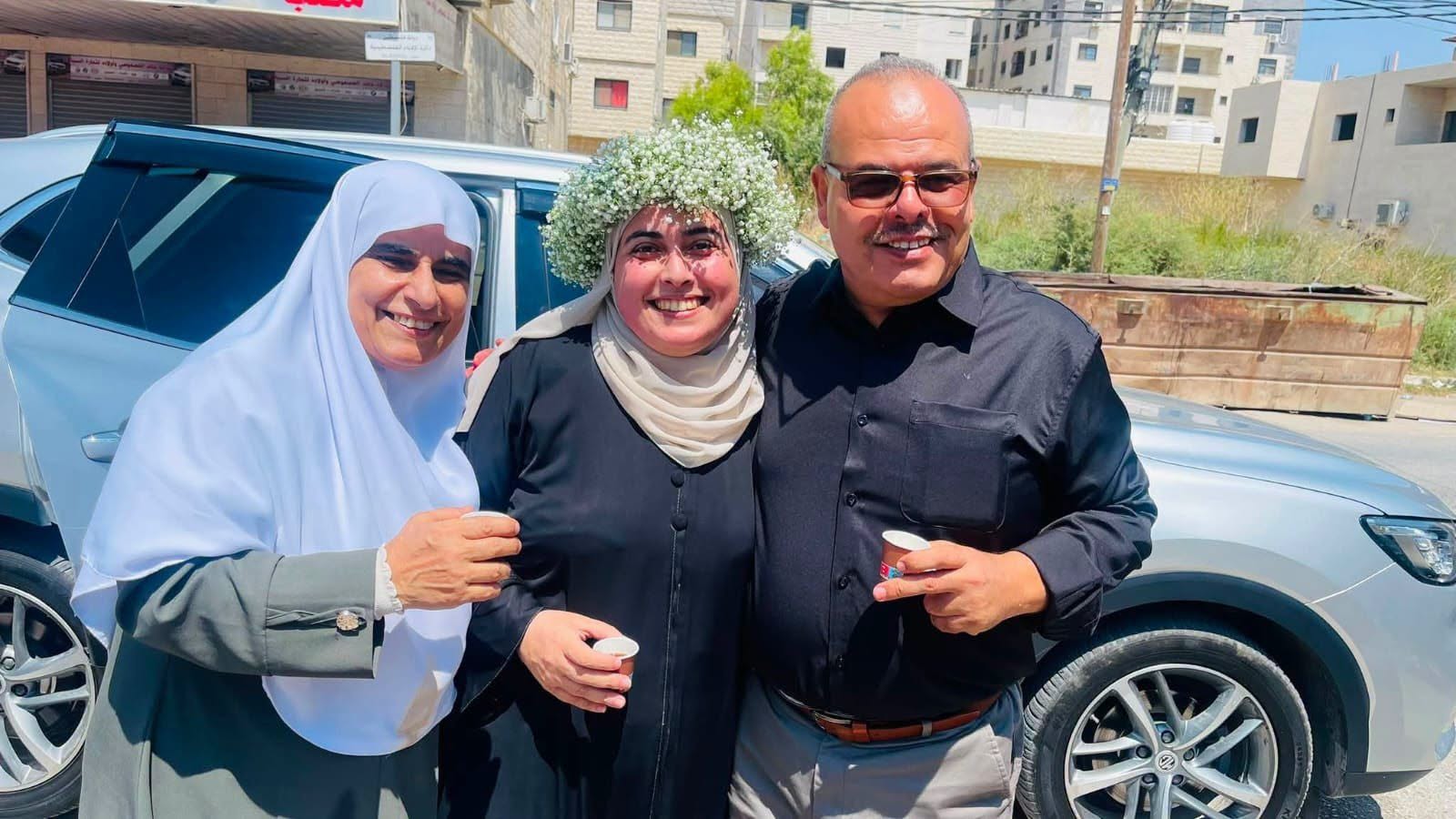
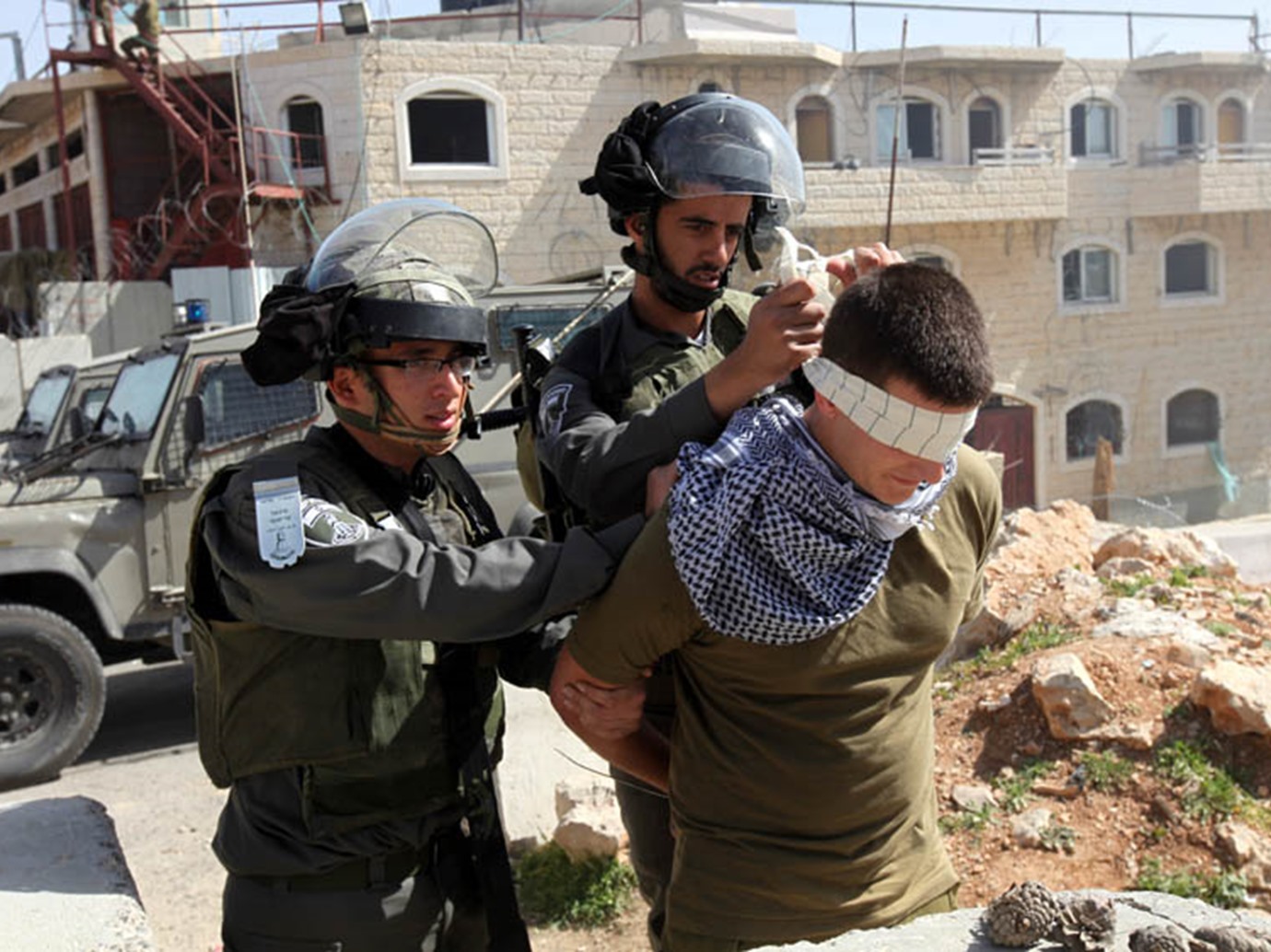
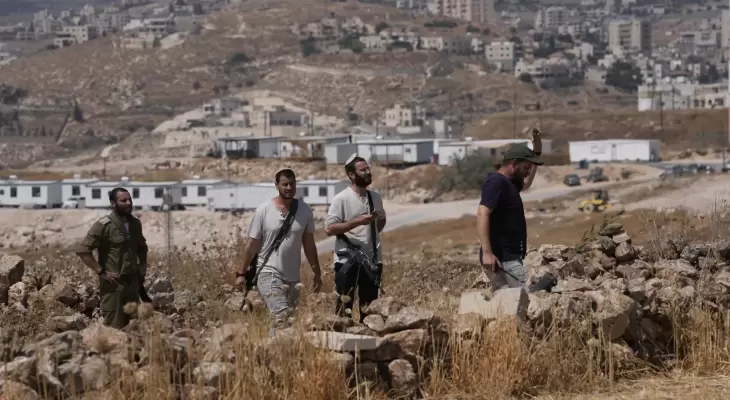
Sama Safi is 20, an American citizen, and a psychology student who was pulled from her bed before dawn on June 2, when Israeli soldiers stormed her family’s Ramallah home in the occupied West Bank and took her away.

She lives with a chronic auto-inflammatory disease requiring daily medication just to survive, and even after her father tried to explain her condition, Israeli authorities withheld her medication for days.

She’s been held for nearly two months now without charge.

Israel briefly released her for medical treatment following outcry, then put her right back in a cell. She’s now held at Damon Prison, where she’s being abused under horrifying conditions.

The man who oversees that prison system is Itamar Ben-Gvir, Israel’s Minister of National Security, who has boasted about making conditions harsher for detainees like her.

On July 23, he led over 4,000 settlers in storming Al-Aqsa Mosque while worshippers were mid-prayer.

Ben-Gvir doesn’t answer to American voters. But the money that arms his government does, right through the United States Congress.

On July 15, 103 House Democrats voted to cut $3.3 billion in aid to Israel, nearly triple the 37 who dissented two years ago.

A week later, the House passed a $1.15 trillion defense bill 216-212, keeping intact the provision expanding US-Israel military tech cooperation that Reps. Massie and Khanna tried to strip out.

AIPAC never let their amendment reach the floor, then pulled fundraising links for 15 of its own endorsed Democrats who dared vote against the aid.

AIPAC’s message: fund a girl’s freedom, speak out against genocide, and we cut off your money.

We track every dollar AIPAC sends to Congress. We elect candidates who refuse it. We’re funding primaries against the AIPAC-backed incumbents who let this happen.

Sama Safi cannot force out the people funding her captivity right now. You can. Contact your lawmakers now and demand her release.

Please help spread the word about Sama.

Continue reading
Wildfires, Tough Questions

By Ayoub Abu Dayyeh

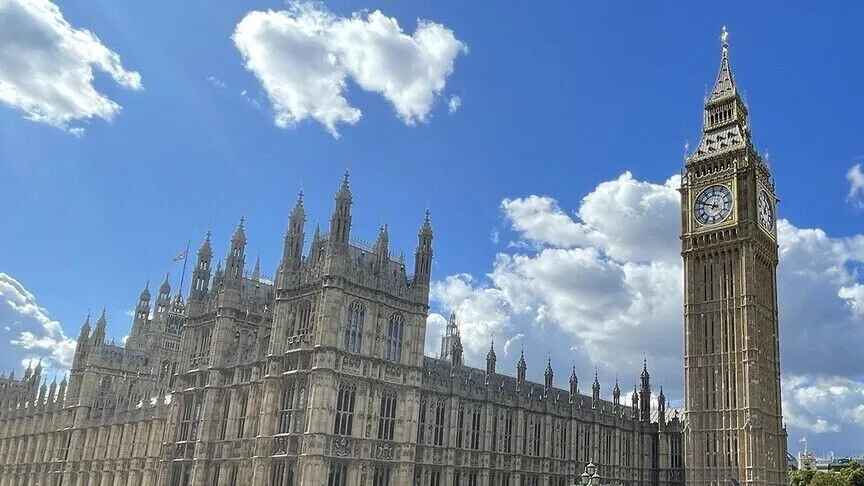
Every summer, southern Europe braces for another wildfire season. This year, large fires have swept across parts of Spain, Sicily and southwestern France, destroying forests, threatening villages, forcing evacuations, and leaving behind landscapes that may take generations to recover.

Firefighters have displayed extraordinary courage, often risking their lives against flames intensified by drought, heat waves, mulch and strong winds. Yet the repeated return of these disasters raises a question that extends beyond climate change and forest management. It is a political and moral question about priorities.

Spain and France are among Europe’s strongest economies and are both leading members of NATO. Together with their allies, they possess some of the most advanced military capabilities ever assembled. NATO can mobilise fleets of aircraft, satellites, drones, logistics networks, and highly trained personnel with remarkable speed when military operations are required. History has shown that the alliance has been able to sustain prolonged military campaigns in countries such as Afghanistan, Iraq, Iran and Libya, while individual member states have also participated in operations in Syria and against Iran-backed military targets in recent years. The financial and technological resources devoted to warfare are immense.

Against this backdrop, the struggle against wildfires appears strangely underpowered. Each summer, firefighters often speak of aircraft shortages, exhausted crews, and limited resources. Local authorities compete for specialized firefighting planes because demand exceeds supply. Countries request assistance from their neighbors through European cooperation mechanisms, yet devastating fires frequently continue burning for days before sufficient aerial support arrives. Even Jordan has participated in firefighting in Cyprus on many occasions.

This contrast invites reflection. If nations possess the industrial capacity to manufacture sophisticated fighter jets, cruise missiles, precision-guided weapons, and advanced drones and surveillance systems, why does the world still struggle to produce enough specialised firefighting aircraft? If military alliances can coordinate thousands of personnel across continents within hours, why is a similarly ambitious international system for combating natural disasters still so limited?

The question is not whether military forces should disappear. Every nation has legitimate security concerns and responsibilities to defend its citizens. Rather, the question concerns balance, justice and equity. Security today is no longer defined solely by armies confronting one another. Climate change, prolonged droughts, extreme heat, floods, and wildfires increasingly threaten lives, infrastructure, food security, biodiversity, and economic stability. A forest fire that destroys thousands of hectares, devastates tourism, and fills cities with smoke is not merely an environmental problem. It is a national security challenge.

Imagine if even a small fraction of global military expenditure were redirected toward environmental emergency preparedness. Hundreds of additional firefighting aircraft could be built and strategically stationed around the Mediterranean basin. Satellite systems already monitoring military movements could continuously detect new fires within minutes. Military logistics could rapidly deploy firefighters, engineers, medical teams, and equipment wherever flames emerge. Joint exercises could prepare nations not only for armed conflict but also for climate-related disasters.

Such an initiative would not require abandoning defense. It would simply recognise that the threats of the twenty-first century demand broader definitions of security. Protecting forests, preserving water resources, and safeguarding communities against climate-driven disasters deserve the same seriousness that governments devote to conventional military planning.

Some may argue that military aircraft cannot simply replace firefighting planes. They are correct. Different missions require different equipment, training, and tactics. Nevertheless, the comparison remains valid at the level of priorities. The capacity to invest, innovate, manufacture, and coordinate certainly exists. The real question is whether sufficient political will exists to treat environmental emergencies with equal urgency.

The forests burning across Spain, Sicily, Greece and France remind us that nature does not recognize national borders. Smoke drifts across countries and so pollution. Wildlife disappears without passports. Carbon released from burning forests contributes further to global warming, increasing the likelihood of future fires. Every delayed response makes the next disaster more probable.

History often celebrates technological achievements developed for war. Perhaps the coming decades should instead celebrate technologies developed for protecting life. Imagine an international alliance whose greatest strength lies not in the destructive power of its weapons but in its ability to extinguish fires, prevent famine, restore ecosystems, and save human lives before disaster spreads.

The smoke rising above the forests of Spain and France should therefore provoke more than sympathy. It should provoke a reassessment of our collective priorities. Humanity has demonstrated extraordinary ingenuity in designing machines capable of striking targets thousands of kilometers away with astonishing precision. Surely the same ingenuity can be directed toward extinguishing fires that threaten our shared natural heritage.

In the end, the measure of civilization is not only how effectively it wages war, but also how effectively it protects life. When future generations look back at our time, they may ask a simple question: Why was it easier to finance destruction than to prevent forests from burning? The answer will reveal far more about our values than about our technology.

Ayoub Abu Dayyeh wrote this piece for The Jordan Times.

Continue reading
Beautiful Bethlehem

On Palestinian Dress Day, we renew our commitment to preserving the traditional Palestinian dress and write a story about it every day, a story connected to a homeland we cherish.

The dress of Bethlehem, Palestine.

The headdress, called “al-Shatwa,” is made of red felt fabric and decorated with Syrian silk, coral beads, and Ottoman silver coins. The bride adorns herself with a silver necklace and bracelets, and her beauty is enhanced by an inked fish necklace, symbolizing blessing.

PalestinianDressDay

Continue reading
‘Living in a Tent is Like Living in Hell’ Maryam Says

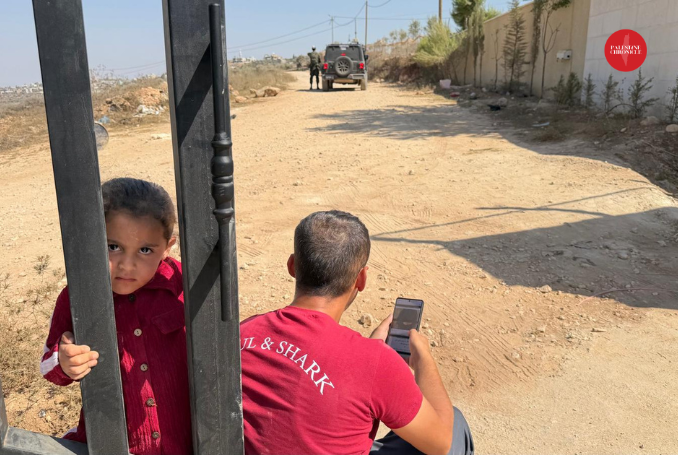
In Gaza, tents are no longer havens from war. They have become prisons of fabric, trapping displaced civilians in the sweltering heat of the summer, while thirst, hunger, mosquitoes, and disease stalk them at every turn.

Here, people don’t escape the constant bombing to safety. Rather day, they face another battle against the scorching sun, the scarce water, and the sleepless nights in tattered tents, that no longer protect from the darkness.

In the Heart of Hell

Read also: “Gaza Live”… 7 Martyrs and Injuries in 13 New Israeli Violations of the “Truce”

“There are eight of us living in a tent, and the situation is hell in the summer,” displaced woman Mariam Baraka, tells the Sanad News Agency, whilst summarizing the details of life inside her tent that offers no protection from the heat and leaves little to dignity.

She says she spends long hours searching for water under the bitter hit of the sun, sometimes managing to fill a few buckets, while other times she returns empty-handed after a grueling journey to a distant water source.

The suffering doesn’t end with thirst. The family is forced to cook over a wood fire amidst sweltering temperatures, and cardboard boxes serve as a primitive makeshift tolls to circulating air inside the tent.

Maryam recounts that her son can no longer bear the intense heat, constantly telling her: “Mommy, I can’t take it anymore.” Her young child is unable to sleep due to the heat and the bites from mosquitoes and flies that have covered his body in blisters. Their entire lives revolve around the sun and what she describes as “extremely difficult” conditions.

Maryam’s testimony reflects the stark reality faced by nearly one million displaced people—about 170,000 families—who endure the summer heat in tents and makeshift shelters, according to a recent report by the Norwegian Refugee Council.

Documented data indicates that 125,000 out of 135,000 tents have been damaged and are unfit for human use due to weather conditions. The organization also reports that approximately 5,000 families are sleeping in the open without any shelter from the sun or darkness.

A Daily Battle

The tents, made of nylon and thick fabric, have become like closed ovens, with temperatures inside sometimes exceeding 37 to 40 degrees Celsius. This makes staying inside nearly impossible due to the trapped heat and humidity, a situation described in international press reports as “slow death inside thermal gas chambers.”

The tragedy is compounded by the severe water crisis. The United Nations Children’s Fund (UNICEF) confirms that water supplies in the camps have dropped to critical levels, forcing families, including children, to walk long distances under the scorching sun to obtain limited quantities of water.

The dangers don’t stop at heat and thirst. The spread of mosquitoes and flies within the camps has led to skin diseases among children, while displacement areas are witnessing an increase in snakes, scorpions, and rats due to the accumulation of rubble and the breakdown of sanitation systems, according to multiple media reports.

Doctors and health workers warn of a rise in skin and infectious diseases, in addition to heatstroke and dehydration, which threaten the lives of children and the elderly.

The Secretary-General of the Norwegian Refugee Council, Jan Egeland, emphasized that this humanitarian catastrophe could have been avoided were it not for the continued blockade and the closure of crossings, which prevent the entry of essential aid, awning materials, wood, and hygiene supplies.

With the destruction of homes and infrastructure, areas like the Khan Younis and Deir al-Balah camps have been transformed into vast tent cities lacking water and sanitation. Each tent has become a new chapter in an unending ordeal, a daily battleground for displaced people struggling for survival.

Continue reading