Autumn Papers: Palestinians Must Sieze The Moment
marwan
- September 7, 2026
Sometimes writing is a conversation with oneself—a way of setting oneself straight before going astray…
Prisoner asked:
“When will they let me out?”
Guard replied:
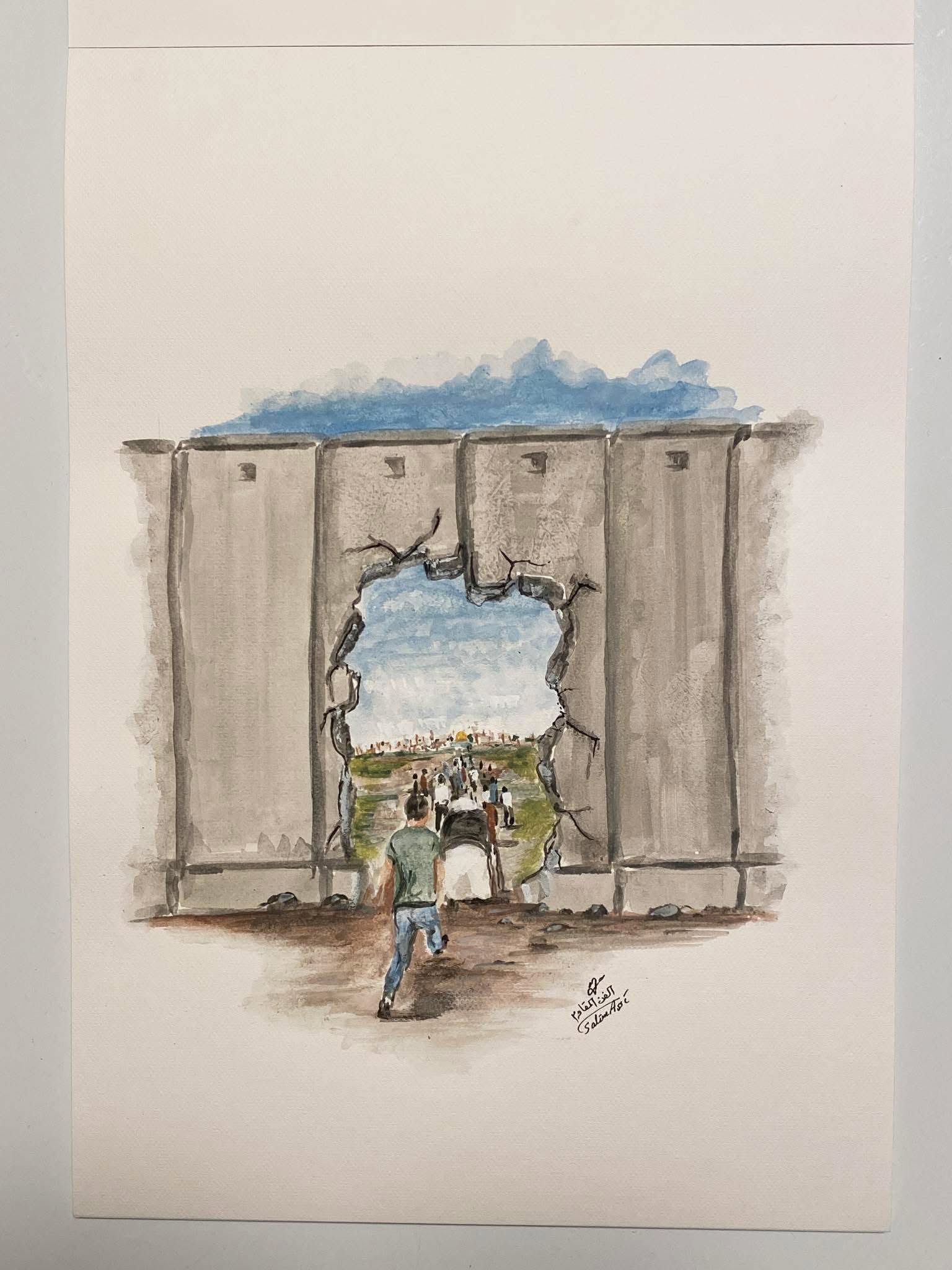
“The door has been open for a long time.”
Prisoner asked:
“Then why didn’t you tell me?”
Guard replied:
“You were too busy asking when.”
Not every door that opens is seen, nor does every historic opportunity announce itself boldly. Sometimes a rare moment passes before a people—a moment when something in the world around them begins to change—yet those who are supposed to seize it are preoccupied with something else.
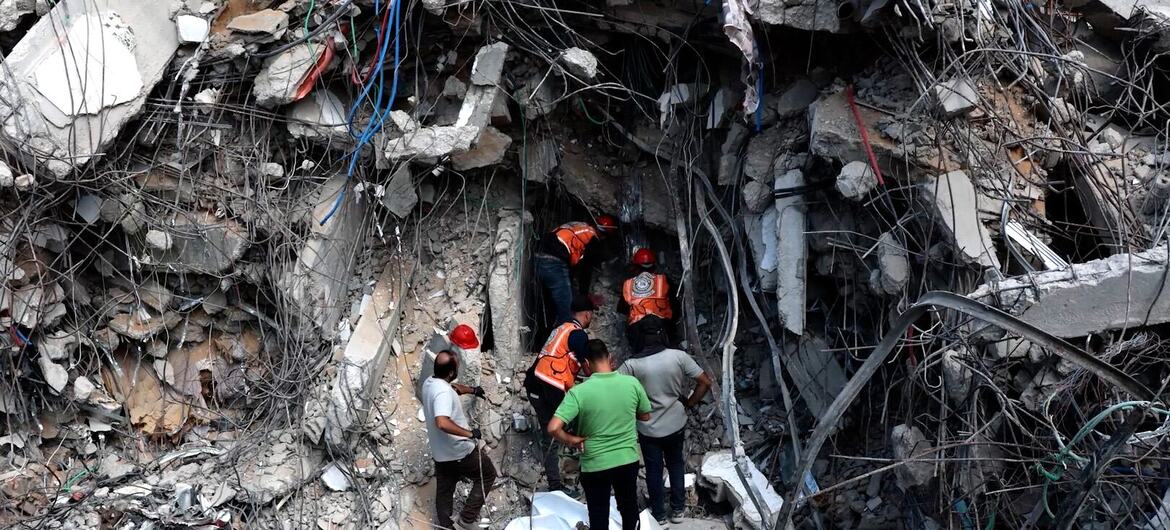
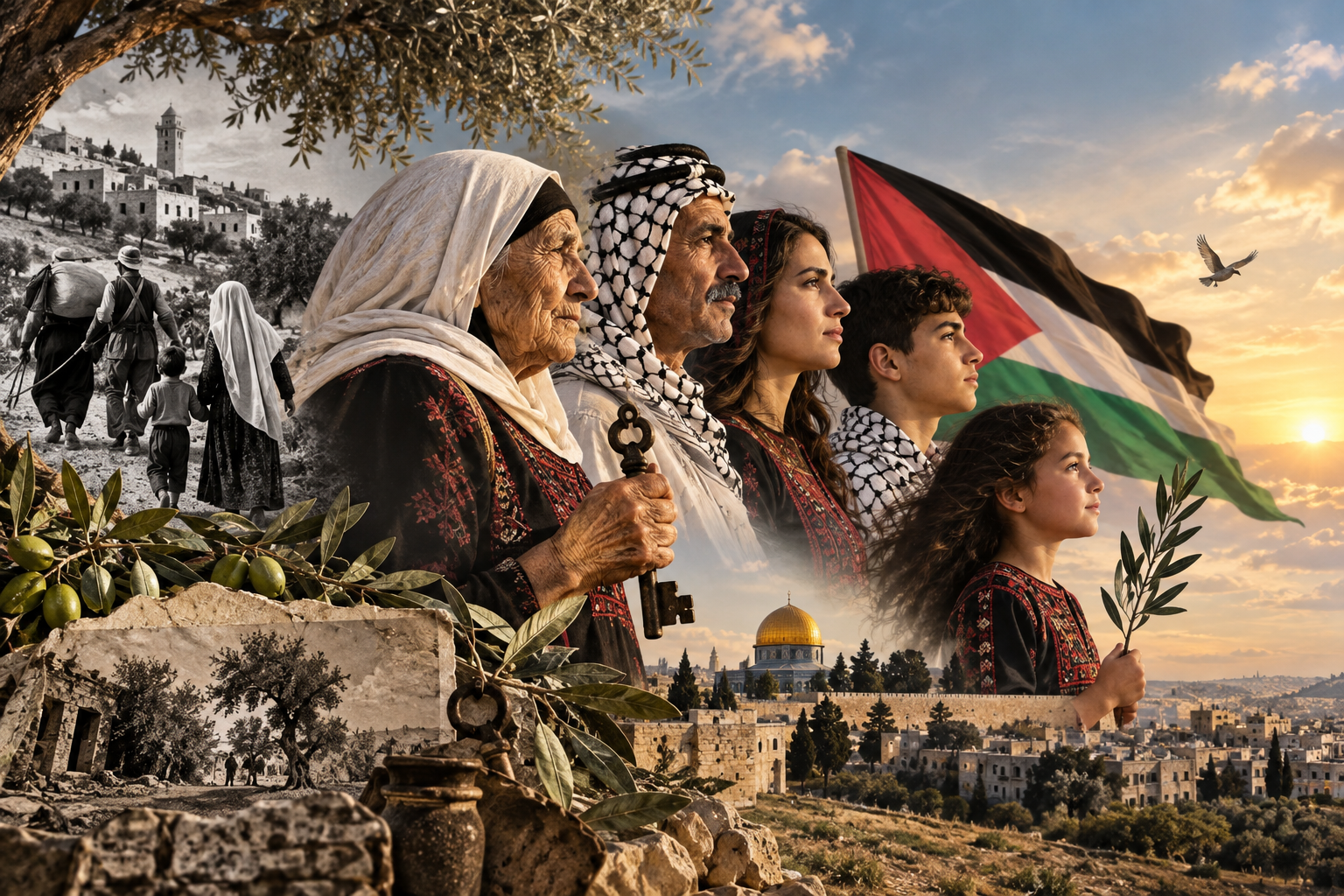
Perhaps this simple story can serve as a mirror of the Palestinian condition after 7 October, 2023. The war on Gaza, with all the killing, destruction, devastation, and unprecedented human tragedy it has brought, has thrust the Palestinian cause back into the heart of global consciousness. Millions have now seen what Palestinians have been saying for decades. The world has witnessed with its own eyes the scale of the tragedy endured by a people living under occupation. Across capitals and cities around the world, powerful voices have risen demanding an end to the war, justice for the Palestinians, and recognition of their right to freedom, self-determination, statehood, and independence.
Palestine is no longer merely a passing item on the evening news. It has returned to the conscience of the world—to universities and streets, parliaments and international organizations, and to the center of a far-reaching global political and moral debate.
There has been—and still is—a historic moment. But the painful question is: What have the Palestinians done with this moment?
This is not to suggest that the world has simply opened its doors and said to the Palestinians, “Come in; here is your state.” The reality is far more complicated. The balance of power remains deeply unequal, the occupation has not disappeared, and the tragedy in Gaza has not ended merely because international sympathy has grown. But history is measured not only by what is granted to peoples; it is also measured by what peoples themselves are capable of doing when the right historical moment arrives.
And herein lies the problem.
Instead of allowing this tragedy to become a point of Palestinian convergence, and instead of all political forces and factions sitting down together to confront one central question—How can we transform this global sympathy into a Palestinian political project that brings us closer to freedom and independence?—division has persisted, while factional and political calculations continue to rear their heads at precisely the moment when Palestinians most need to rise above them.
It is as though the prisoner continues to ask:
“When will they open the door?”
When the more important question should have been:
“What will we do when the opportunity comes to open it?”
Palestinian unity today is neither a slogan for public consumption nor a group photograph to be taken in front of the cameras. It is a political and historical necessity.
Global sympathy cannot be transformed into genuine political power without a unified Palestinian political voice. Nor can such a voice be built by excluding one faction, monopolizing decision-making, or branding those who disagree as traitors. It can only be built by bringing the entire Palestinian political spectrum together around a clear national program: Ending the occupation, protecting the Palestinian people, safeguarding their inalienable national rights, securing their right to self-determination, and achieving an independent and sovereign Palestinian state.
The past years have demonstrated that Palestinians can be united in suffering, and that the world can sympathize with them in moments of danger. The real challenge, however, is for Palestinians to become united politically as well.
Freedom does not come through sympathy alone. And sympathy, however widespread, does not automatically translate into independence. It requires a people who know what they want, genuine leadership capable of seizing the moment, and political forces willing to set aside their differences when the fate of an entire homeland is at stake.
Perhaps the harshest aspect of the Palestinian situation today is that those who have spent decades waiting for a historic moment may fail to realize that when history opens its window, it does not leave it open for long.
If the lesson of the story is that the prisoner failed to walk free because he was too preoccupied with asking “When?”, then Palestinians do not need to wait for yet another answer about when freedom will come.
The question that should be knocking on everyone’s door today is this:
Do we have the courage to disagree less, agree more, and transform what has happened into the beginning of a path toward freedom and independence?
The door may not remain open forever.
History does not wait for those who hesitate.
At this unprecedented historic moment, the people themselves bear the full responsibility. No one can act in their place.
Waiting for a savior is nothing but an illusion.
Radwan Al-Barghouti is an attorney living in the Kingdom of Sweden