‘My Tent, My Museum’

Posted by Anonymous

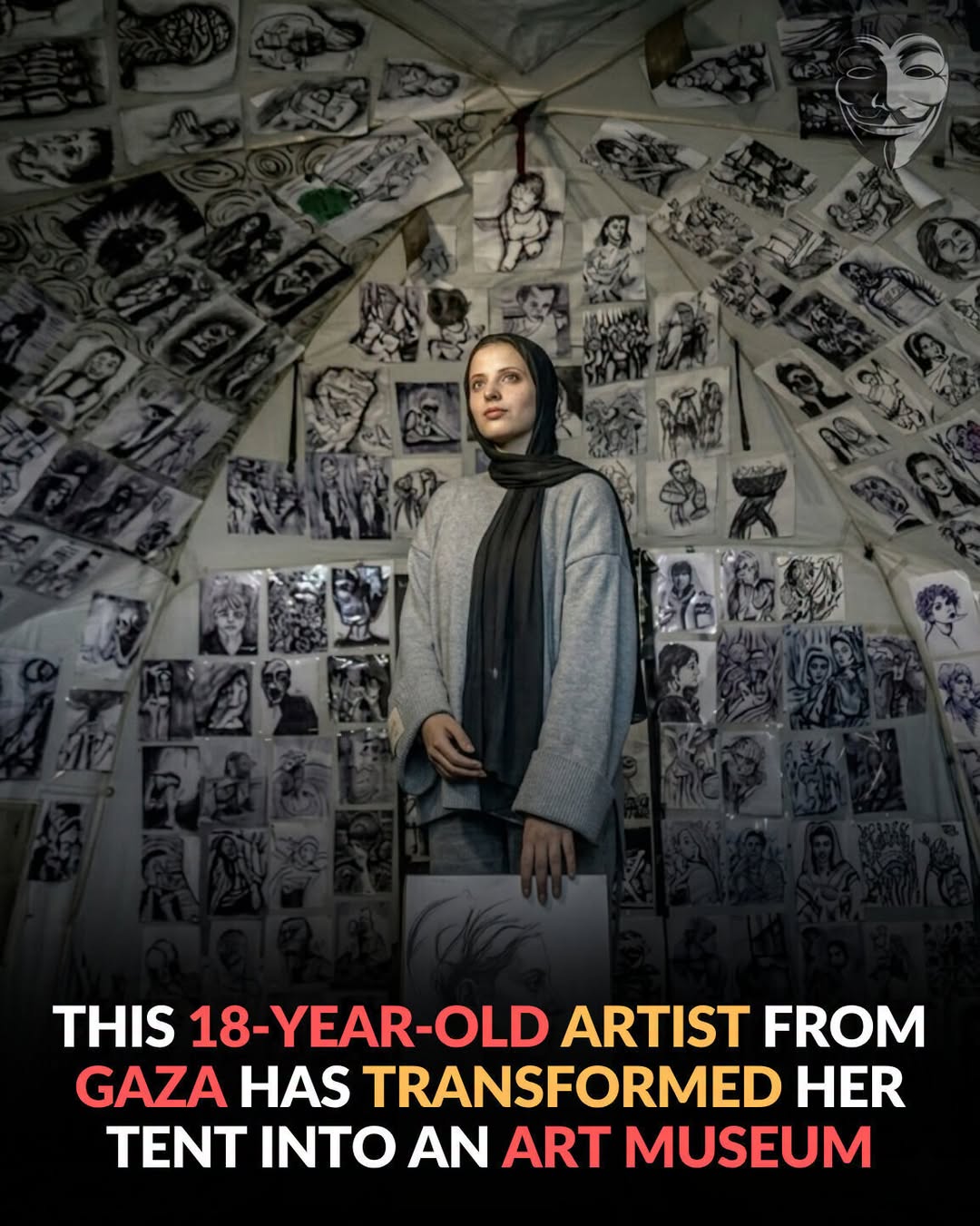
An 18-year-old Palestinian artist turned her tent in Gaza into a gallery filled with drawings of memory and resilience. Marah Al-Zaanin, displaced from Beit Hanoun, transformed her family’s tent at a school shelter in Gaza City into a personal art gallery. Using materials such as charcoal from cooking pots and ink from discarded pens, she covered the space with black-and-white drawings reflecting displacement, daily life, fear, and memory. Al-Zaanin said painting became a refuge and a way to preserve what she had experienced.
Continue reading
Photo Removal in Deauville Exhibit Raises Anger Among The French  

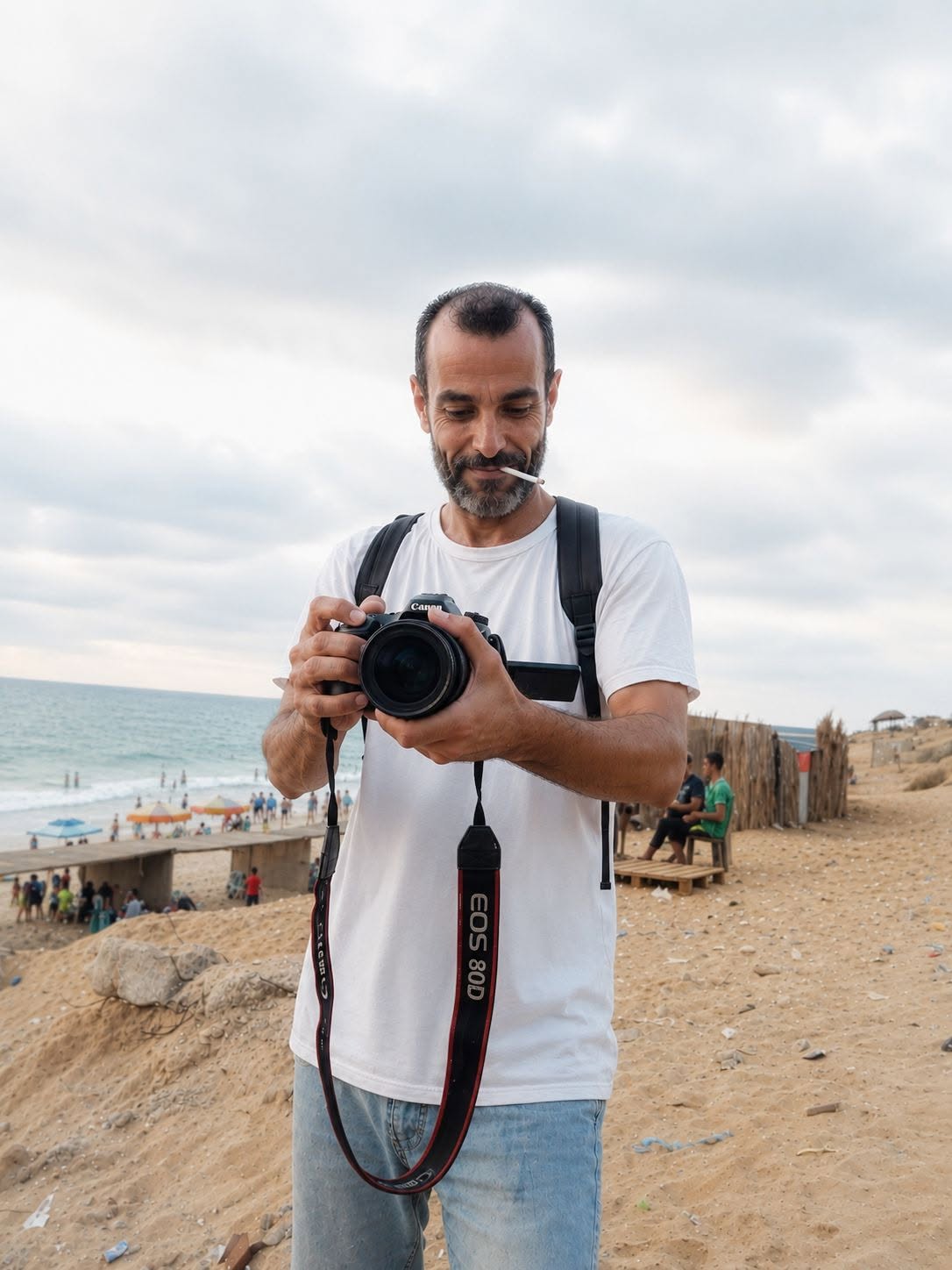
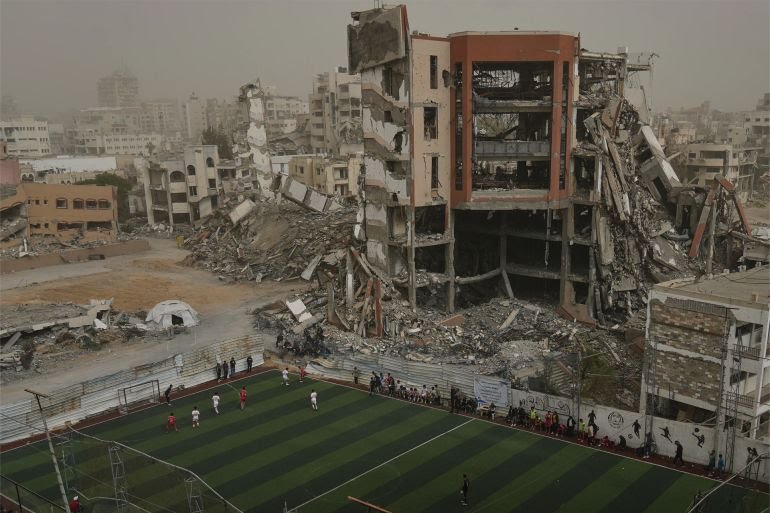
CROSSFIREARABIA – A photo by Palestinian photographer Jihad Al Sharafi in Gaza was transformed into a wide political and cultural controversy in France after it was taken, and suddenly, out of the Deauville Sports Images Festival; it was replaced by a photo of motorbikers. The ‘controversial’ photograph taken by Associated Press photographer Al Sharafi documents a football game by two youths playing in a field rehabilitated in Gaza City and surrounded by destroyed buildings from all sides caused by the Israeli war on the Gaza Strip. The removed photo was supposed to stay in the photography exhibition till 6 September as an image that documents the relations between sports and public life. The removal of the photo, thought to be made after much pressure from the Jewish lobby in the country, has created a deluge of criticism in France about the freedom of the press. (For more see Palestine Information Center).

Continue reading
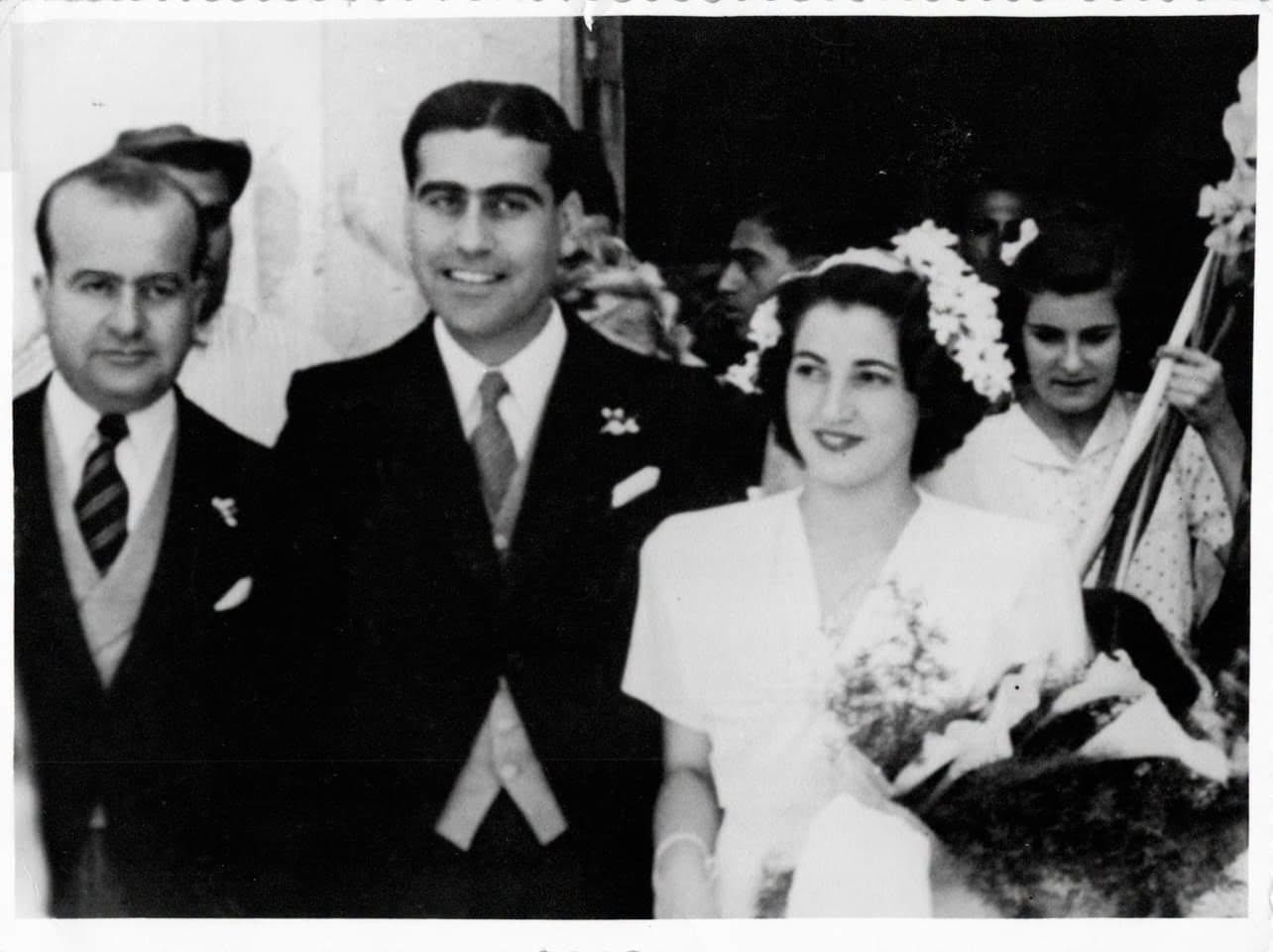
A Jerusalem Wedding, 1945
  • HebaHeba
  • August 26, 2026

From Palestinian Heritage:

This historic photograph documents the wedding of Ruth Raad, daughter of prominent Palestinian photographer Khalil Raad, to Robert Meshbek in Jerusalem in 1945. The wedding ceremony took place at the Russian Trinity Church in Jerusalem. The photograph shows the bride in a traditional white wedding dress with a wreath of flowers in her hair, alongside the groom and guests.

Continue reading
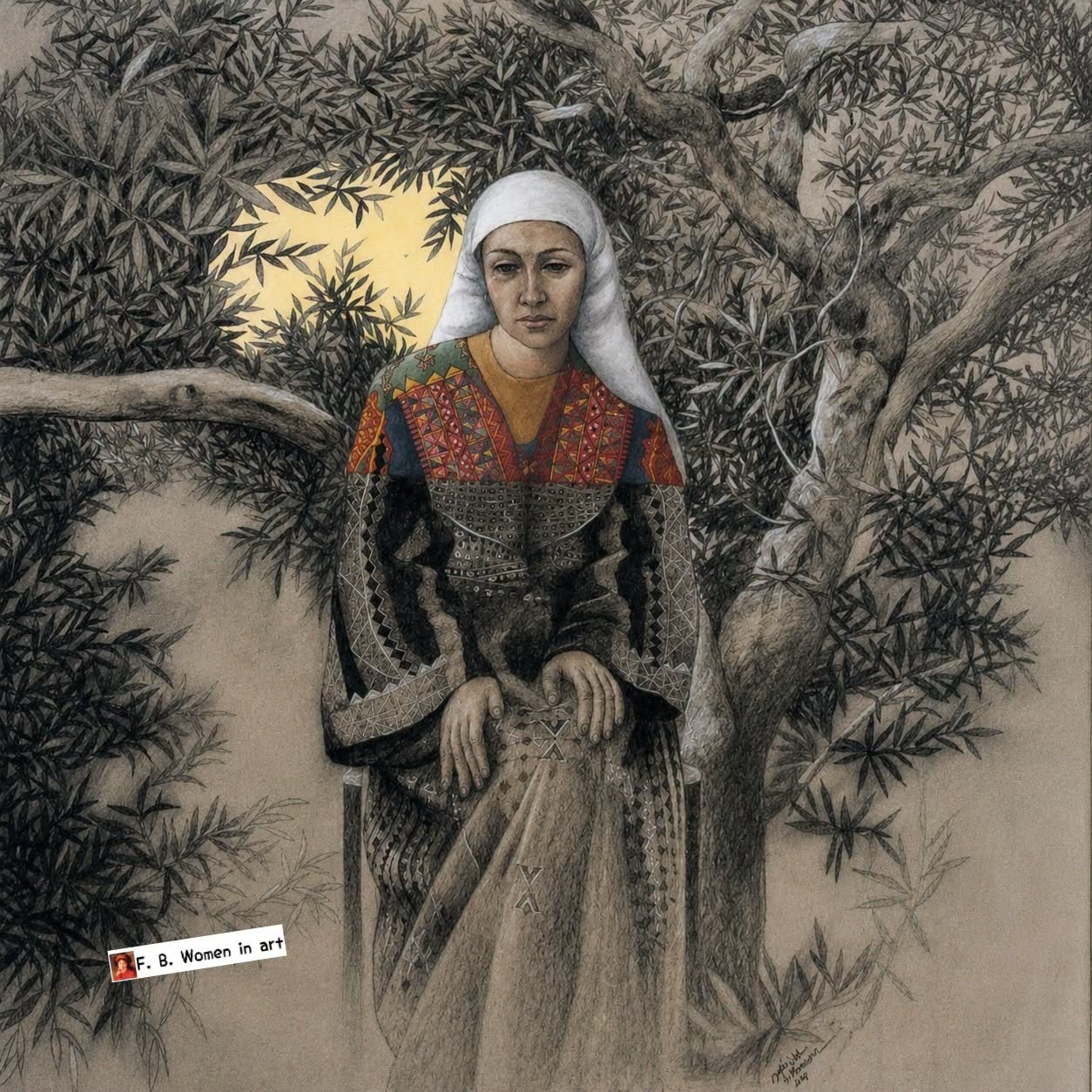
The Woman in Two Colours

From Women in Art

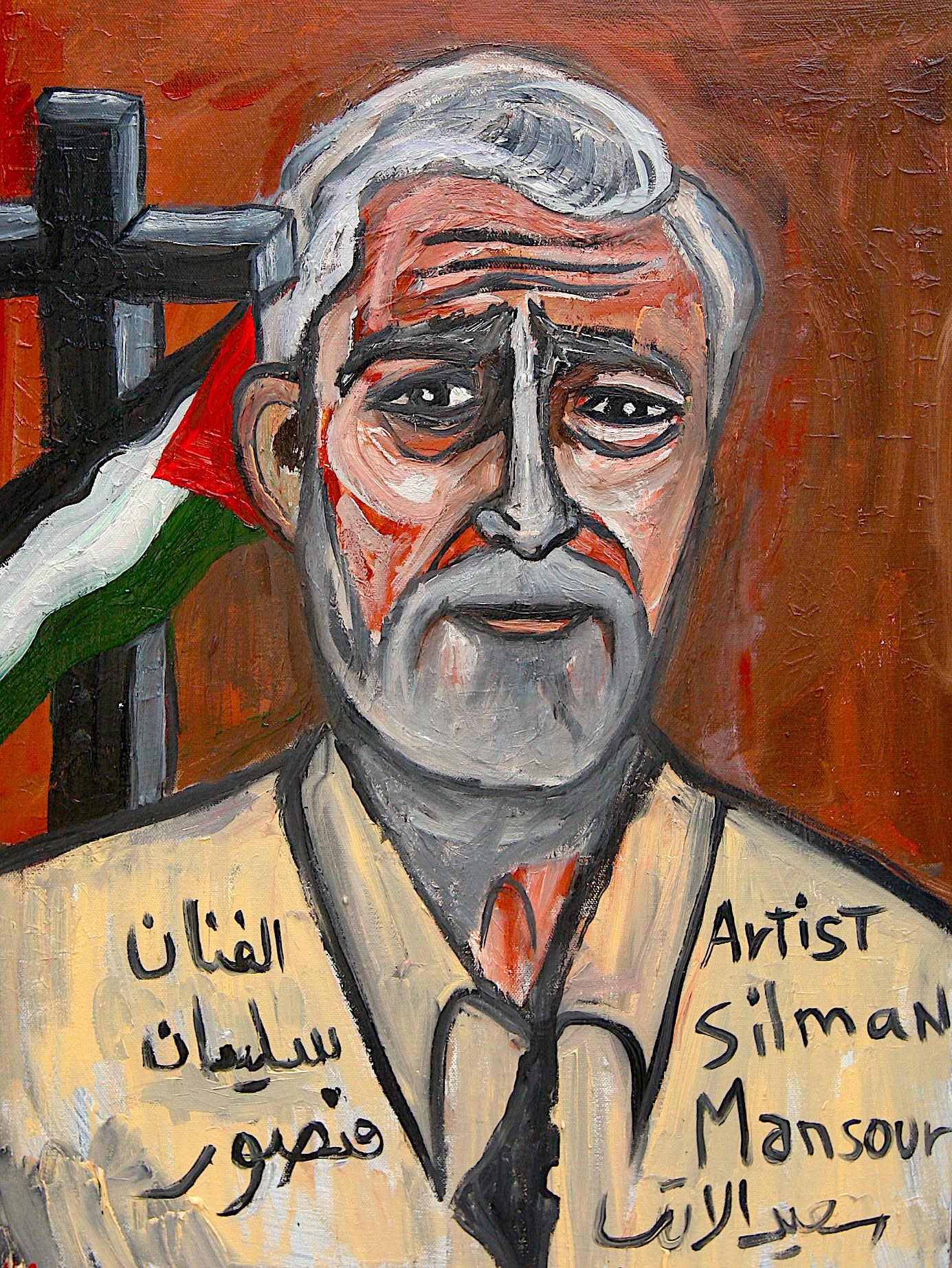
In his “October Afternoon,” painting late artist Sulieman Mansour shows us a Palestinian woman sitting beneath an olive tree, wearing traditional Palestinian dress.

But what immediately catches the eye is the woman herself—half of her is in color, while the other half is almost completely without color.

This division can be read as a reflection of Palestine: One part still present and holding firmly to its land and identity, while another carries the traces of war and displacement.

Behind her, the olive tree stands as a symbol of land, roots, and belonging.

Palestine is not painted here as a map… but as a woman carrying a homeland in her features. 

Suleiman Mansour is gone, but his paintings remain to tell the story of Palestine.

Continue reading