Int’l Day of Solidarity With Palestine

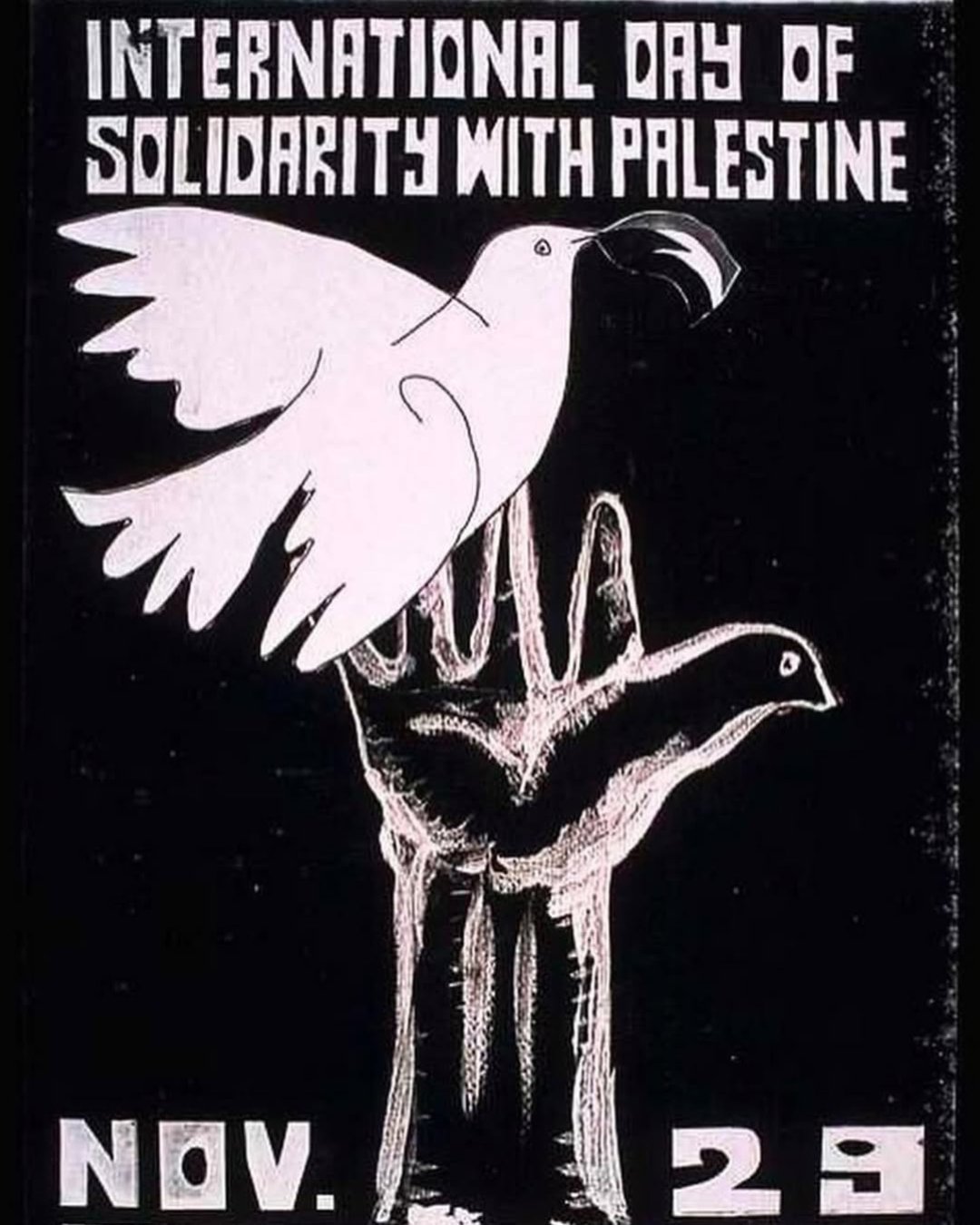
Since 1978, the world has observed the International Day of Solidarity with the Palestinian People every November 29th. This year, as Palestinians in Gaza continue to endure 14 months of US-backed Israeli genocide, standing in international solidarity with Palestinians is more crucial than ever.

The below posts are of the Jewish Voice for Peace:

The international community has met this horrifying political movement with unprecedented solidarity with Palestinians in their struggle against genocide, for freedom, self-determination, and the right of return. We stand with them.

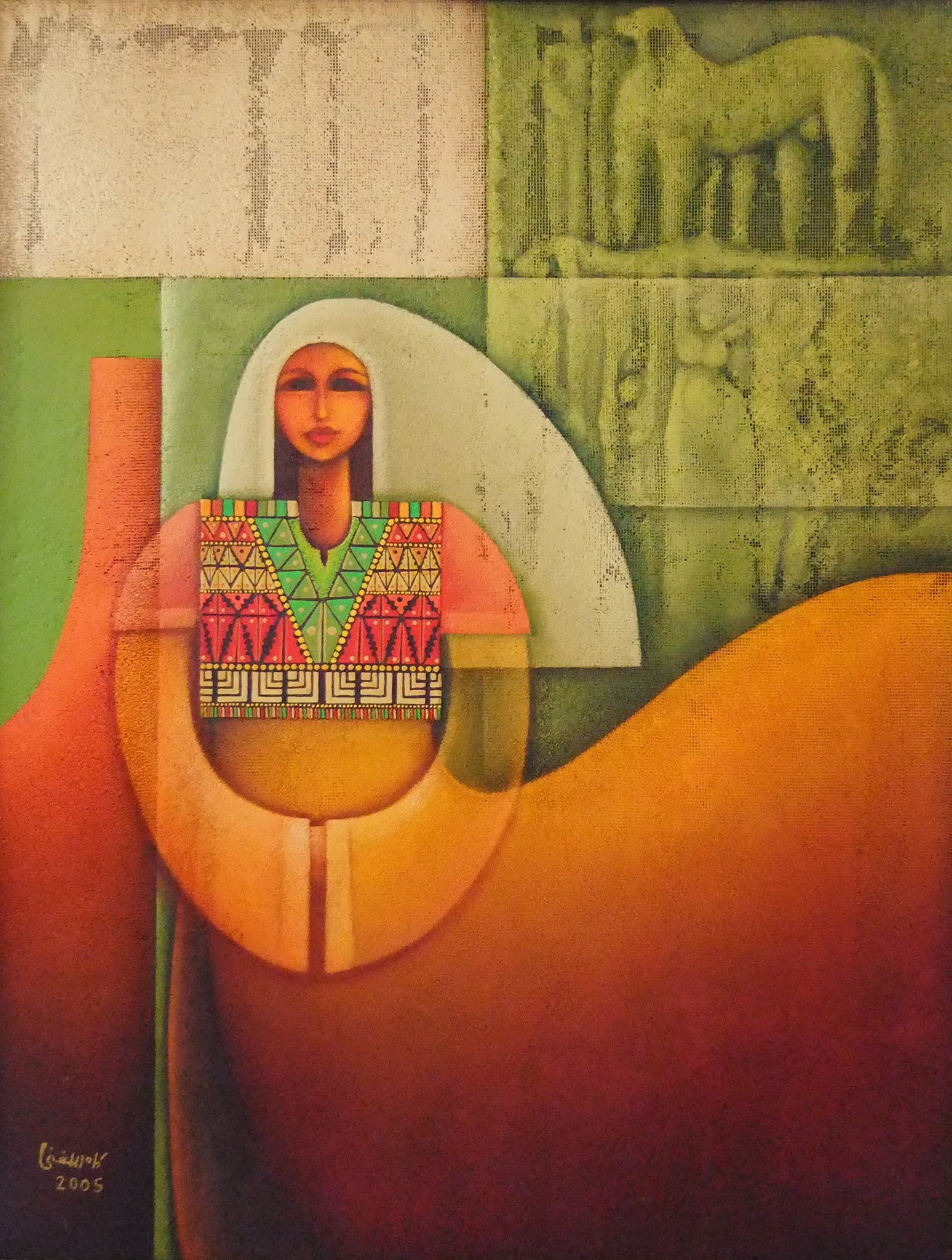
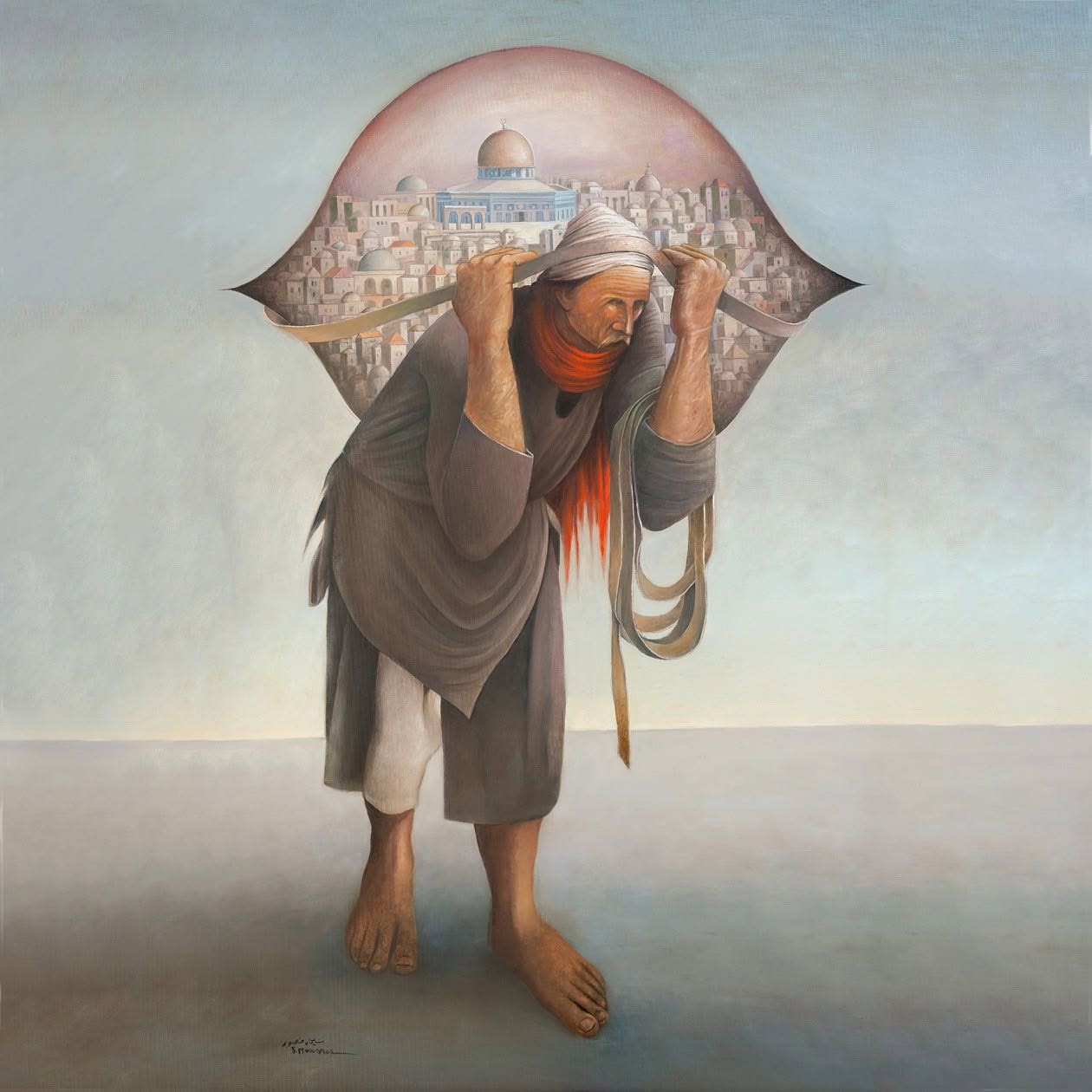
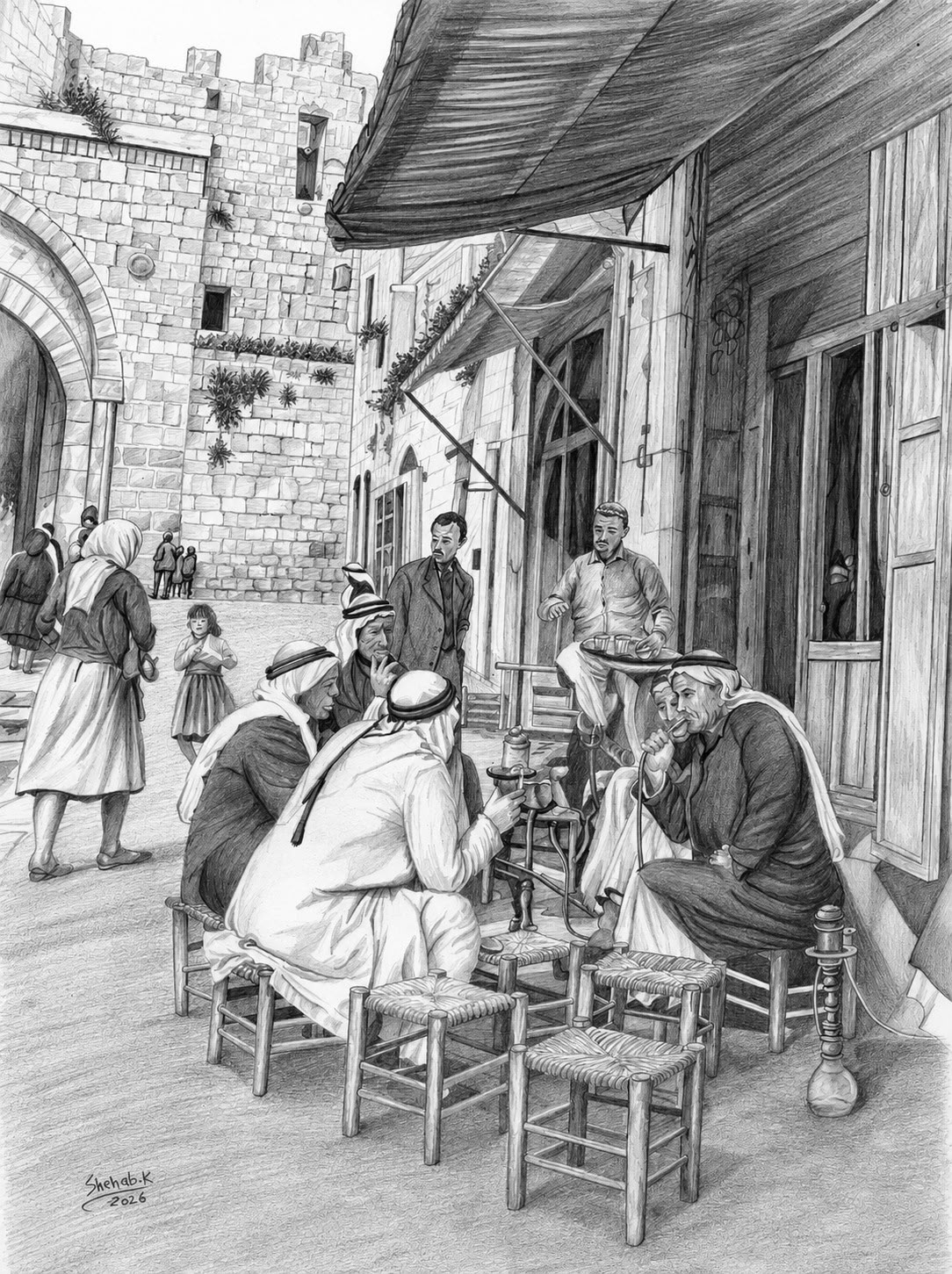
The global fight for a free Palestine comes from a long lineage of struggle and solidarity. Among the leaders of this liberation movement are artists.

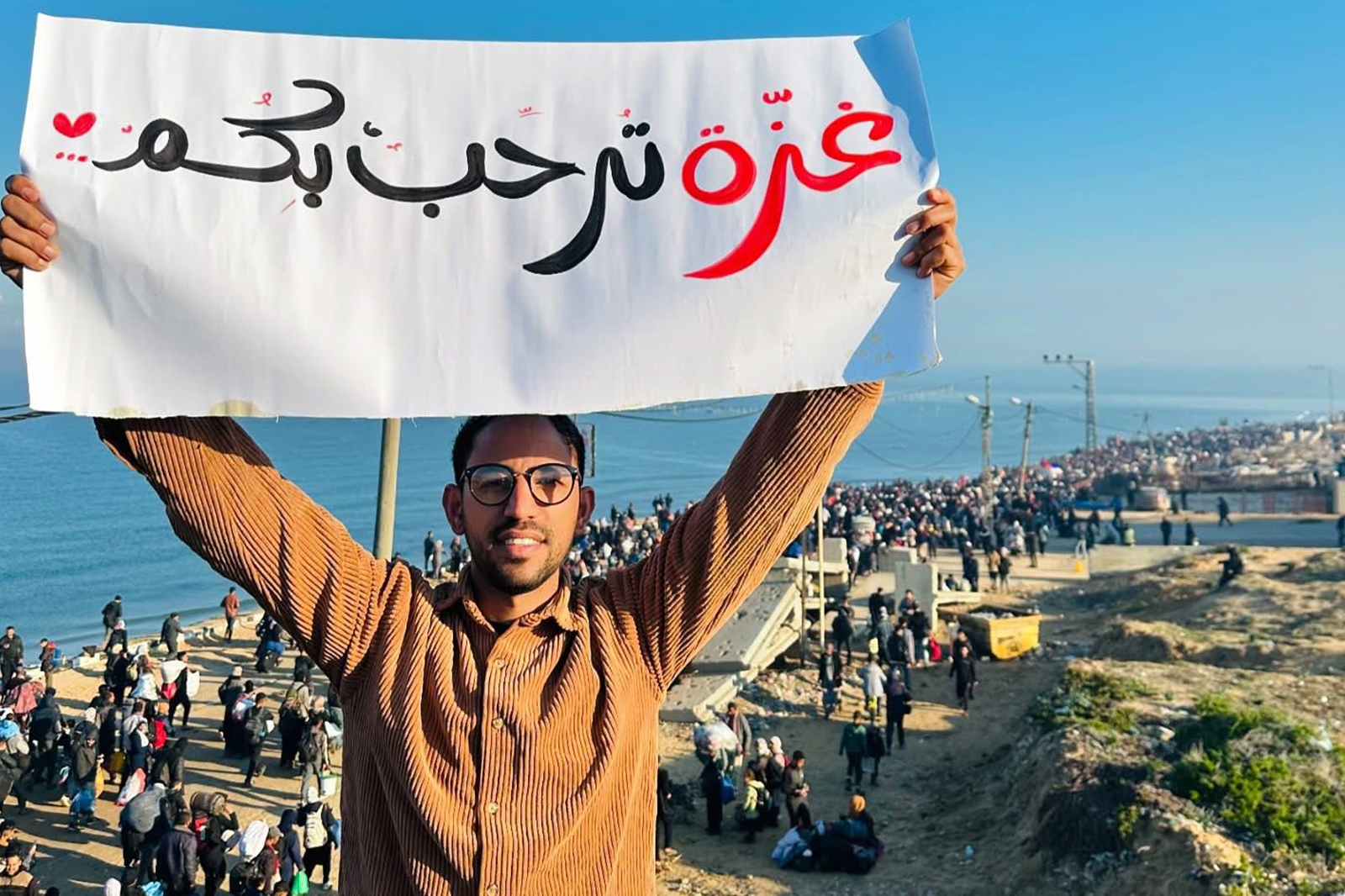
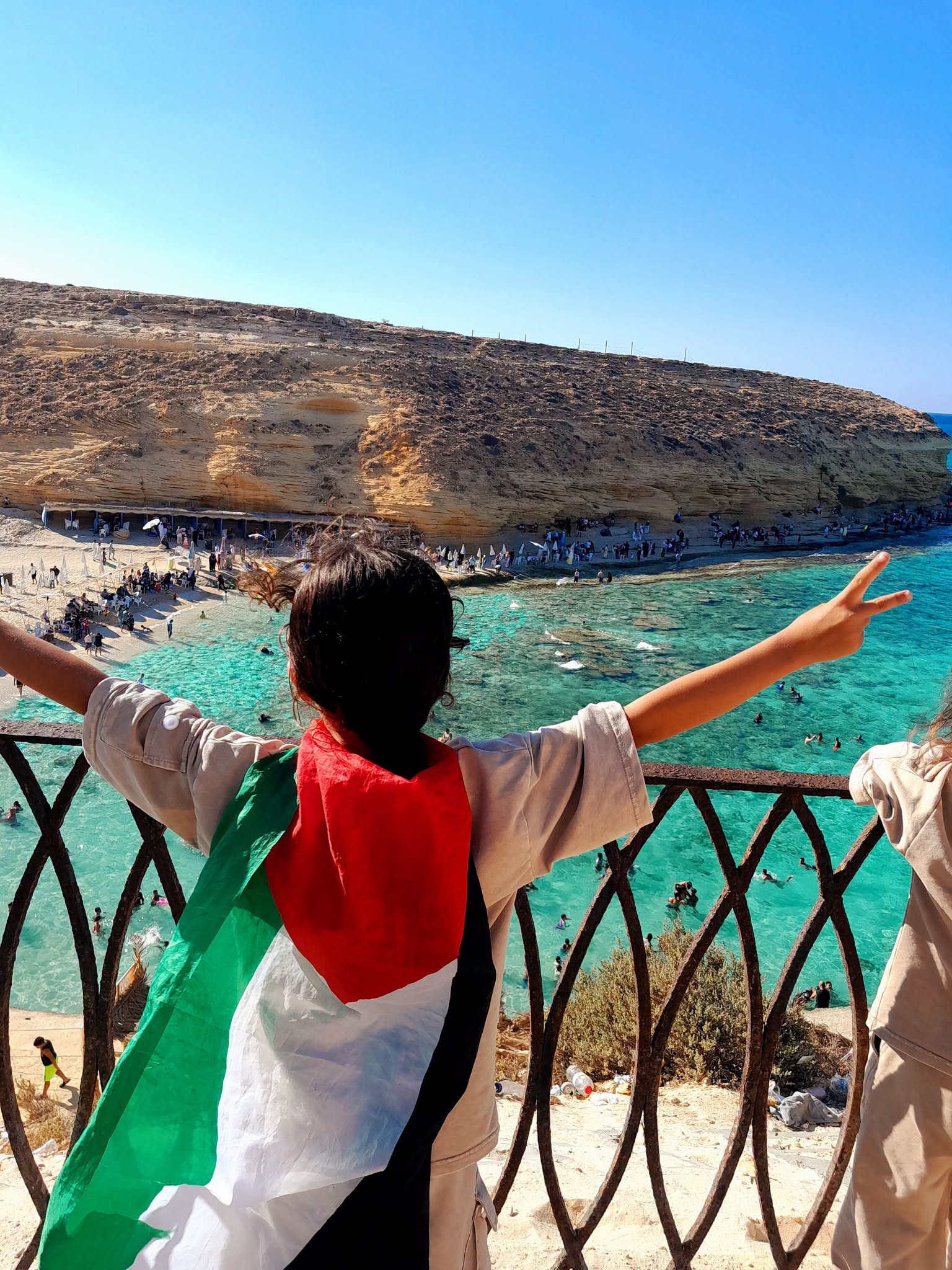
Today, we’re sharing a variety of visual expressions of support from around the world for Palestinians’ struggle for freedom, self-determination, and the right of return to their homelands.

Inevitably, oppressed people everywhere will seek — and gain — their freedom. And the global movement to gain that liberation supports Palestinians’ steadfast struggle of over 75 years for liberation.

https://x.com/jvplive/status/1862528380043698380

Another world is possible. Together, we will never stop fighting for a future where Palestinians can live their lives with dignity and justice.

These posters are from commemorations of International Day of Solidarity with the Palestinian People from the 1970s up to the present day. For more information, visit http://palestineposterproject.org.

Continue reading
Israel Wants Gazans to ‘Freeze’

Despite the advent of a harsh winter and dire humanitarian circumstances, Israel continues to prevent blankets, clothing, and shoes—including necessities for children—from entering the Gaza Strip. Israel has been blocking the entry of these items into the besieged enclave for over a year now.

As the second winter of Israel’s genocidal war on the Gaza Strip begins, Palestinians are suffering from a severe lack of clothing and shoes, which have been banned from entering the Strip since the start of the genocide. The only exceptions are a small number of supplies that are allowed in as part of humanitarian aid and are given to a small percentage of the roughly two million displaced people in the enclave.

Harsh conditions

Euro-Med Monitor notes that Israel restricts the entry of such items as part of its efforts to impose harsh living conditions on the Palestinian people that will ultimately lead to their actual destruction, as part of the comprehensive crime of genocide it is committing in the Gaza Strip. There is no military necessity or justification under international law that permits the prevention of basic necessities from reaching a civilian population.

Israel has destroyed at least 70% of the homes in the Strip and the majority of shops and markets there, including those selling clothing, in addition to limiting Palestinian merchants’ ability to coordinate the entry of goods with Israeli authorities. Consequently, the total number of trucks entering the Gaza Strip in the past period contained aid that did not exceed 6% of the population’s daily needs—the majority of which are related to food supplies—and the clothing and shoes allowed to enter the enclave did not exceed 0.001% of residents’ needs.

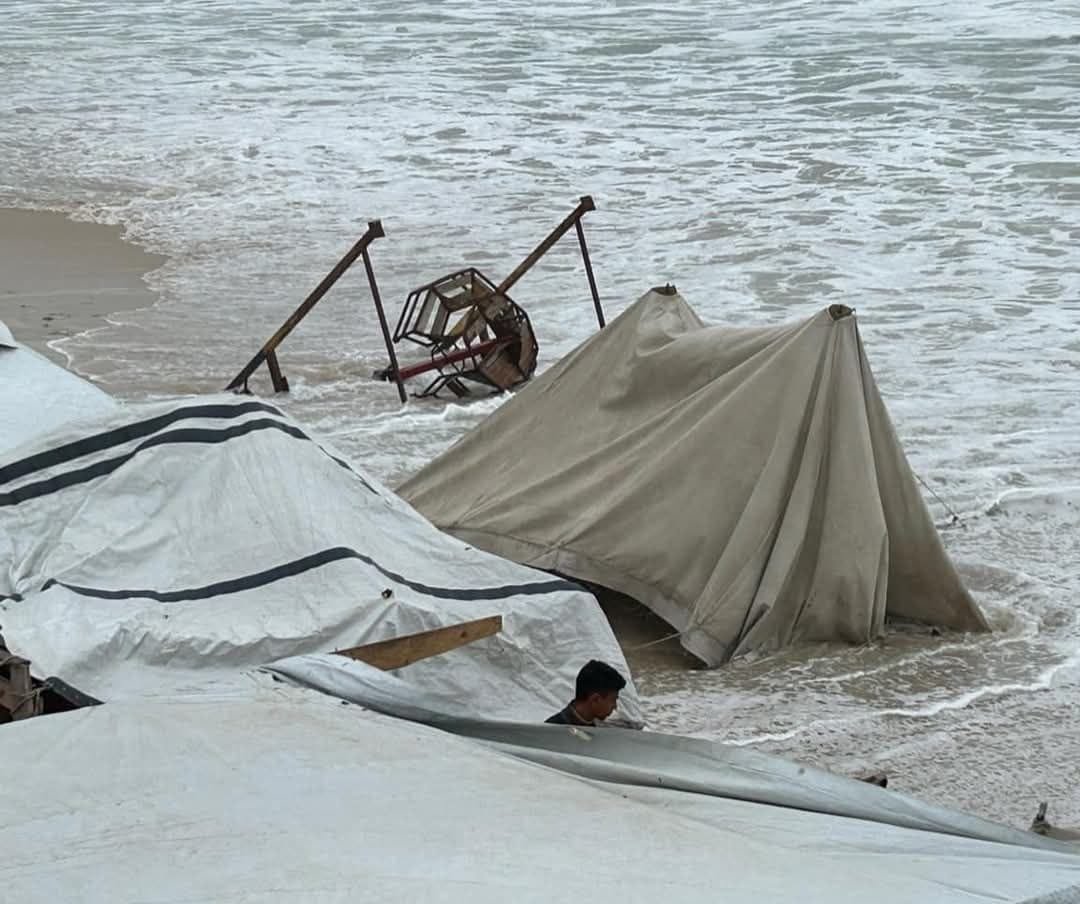
The vast majority of displaced people in the Gaza Strip continue to live in tents that do not provide adequate protection from the cold and rain, while hundreds of thousands of Palestinians, including women, children, and the elderly, are left without enough appropriate clothing to protect them from the harsh weather as winter approaches. The lack of access to essential medical care in these dire circumstances also puts Palestinians at greater risk of contracting serious illnesses like respiratory infections and other cold-related conditions.

Scarcity

The situation is made worse by the acute lack of basic medications required to treat cold-related illnesses, which is directly related to Israel’s arbitrary blockade. Additionally, the population’s immune systems have been weakened by the scarcity of food and lack of variety, as well as their heavy reliance on canned foods, leaving them much more vulnerable than usual to viruses and illnesses.

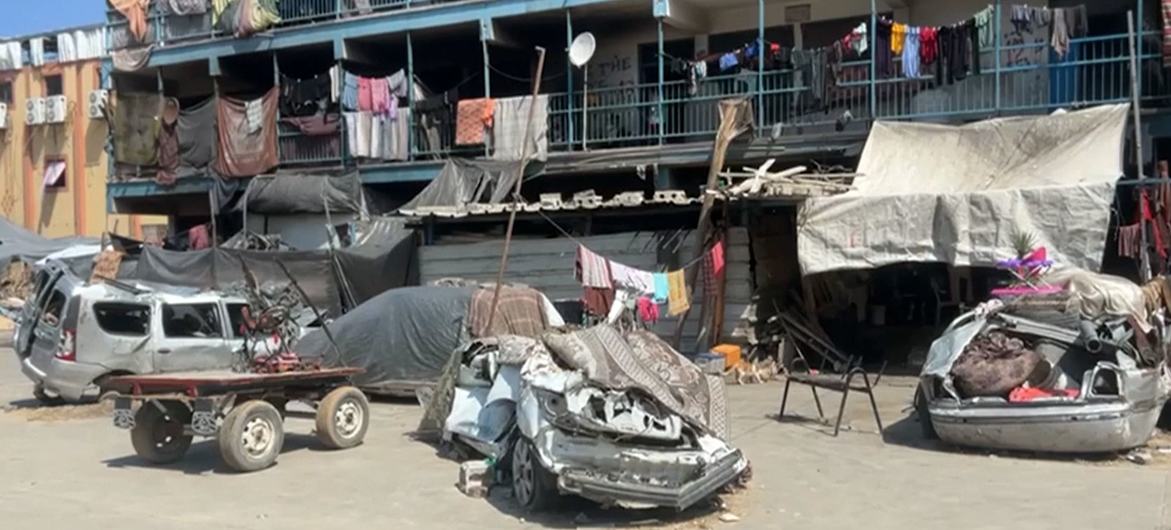
Out of the roughly 2.3 million Palestinians living in the Gaza Strip, about two million have been forcibly displaced from their homes; the majority of them are now living in tents, schools-turned-shelters, or the remains of their destroyed homes. Those who fled their homes were typically forced to leave their personal belongings and clothing behind, taking only what they were wearing as they left.

Most displaced families have lost the majority of their belongings as a result of Israeli bombardment, and have had to search for clothing and shoes in marketplaces that have also been bombed by the occupation army.

The Euro-Med Monitor field team has observed children in the Gaza Strip walking barefoot in sewage- and debris-filled streets in the rain while wearing only light, shabby clothing. Children who lack shoes are more likely to sustain wounds and injuries, leaving them susceptible to infection in an environment devoid of medical supplies and medications because of the strict blockade.

People turn to short-term, unsafe, and insufficient solutions that worsen their suffering, like making wooden and plastic shoes for their kids. Due to a lack of clothing, Gazans are currently compelled to sew or patch old clothing from old blankets, as only those with the means to do so can purchase any alternatives.

Lost tents

Due to the rainy weather over the past two days, the majority of the displaced have been unable to cover their tents and protect them from the rain, which has resulted in hundreds of tents flooding and the few belongings of the displaced becoming drenched in water. Notably, Israel also prohibits the entry of adequate quantities of tents, tarps, and nylon into the Strip, as well as other necessities to protect against the winter cold, such as blankets, firewood, fuel, and heating sources.

Israel’s continuous and severe deprivation of the fundamental necessities of life is an act of genocide, as it seeks to strip the Palestinian population of the most basic means of protection, with the aim of physically erasing their existence. Children and other vulnerable groups are specifically targeted by Israel as they are more affected by this deprivation, which exacerbates their suffering and raises the death rates among them; due to the lack of refuge from winter weather, these rates will undoubtedly spike without international intervention.

Denying basic necessities to all segments of the civilian population is an outright assault on people’s dignity and a deprivation of their humanity. Treating them as though they are undeserving of even the most basic rights has shattered their spirits, contributing to a sense of dejection felt by all Gaza Strip residents. In creating such inhuman conditions, Israel also expresses a clear aim to destroy Palestinians’ cultural and social identity.

Israeli crimes

International and United Nations organisations must work, by all possible means, to pressure Israel to allow the entry of basic materials into the Gaza Strip, and to publicly expose these crimes.

Given the grave worsening of the humanitarian situation, the international community must take responsibility for halting the genocide in the Gaza Strip and all related crimes being committed by Israel and its allies, as this is the only way to protect civilians and preserve what remains.

In addition to imposing sanctions on Israel and implementing the arrest warrants issued by the International Criminal Court against the Israeli Prime Minister and Minister of Defense as soon as possible, as well as their transfer to international custody, it is imperative that Palestinians in the Gaza Strip be given immediate and unhindered access to winter clothing, shoes, and the most basic tools of survival.

Euromed Monitor

Continue reading
Israelis Slam Hezbollah Ceasefire

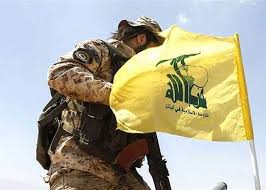
Former head of the Israeli military intelligence division, Tamir Hayman, admitted the Israeli army did not achieve any of its goals in its aggression against Lebanon. He noted the goal of returning the settlers quickly and safely to the north was not achieved.

He stressed Hezbollah fighters “embodied, through their bold fighting against the Israeli army, the saying that equations are imposed only on the ground.”

He pointed out “Israel has a problem with ammunition stores after a year of fighting, a problem with the capabilities of reserve soldiers, and a problem with the target, and the army does not choose the target, but rather it is the prime minister who determines it (returning the residents safely).”

Hayman said that “the Israelis described the agreement with Lebanon as an agreement of surrender and submission to Hezbollah.”

Further, a recent poll shows that 99% of Israelis believe that “Israel did not win the war against Hezbollah,” which, according to analysts, achieved “absolute victory.”

After the ceasefire agreement between Hezbollah and Israel came into effect, Channel 14 condemned the return of residents of southern Lebanon to their towns, despite the threats of the Israeli army spokesman.

It said: “They do not listen to the Israeli army spokesman but they return to southern Lebanon.”

Mayor of the Kiryat Shmona settlement, Amichai Stern said he is unwilling “for his settlers to return [to the north] like cattle to be slaughtered.”

He continued: “Regardless of being the mayor, I do not feel safe raising my children in Kiryat Shmona, as the homes in the Lebanese villages are advanced sites, and after 7 October we all knew what awaited us in southern Lebanon.”

Head of the Merom Hagalil Regional Council Amit Sofer saw the ceasefire agreement as “providing calm, not security,” and said: “No one wants to live in a place where there is no security.”

For his part, head of the Metula Council David Azoulay blasted that the Israeli government concluded a “shameful agreement with Hezbollah”, considering that it had left the settlers of the north to their fate.

He added in a Hebrew Channel 12 interview that: “The Israeli army says it is on the Litani, but we should not be enthusiastic, as it is only 2 kilometers near Metula and we have not entered tens of kilometers.”

He added he lacked confidence “in the Israeli government, Prime Minister Benjamin Netanyahu and Hezbollah,” as reported in Jo24.

The ceasefire agreement between Lebanon and the Israeli occupation entered into force Wednesday 26, November, 2024 at exactly 4 am Beirut time. From the first minutes, the residents of the south, the Bekaa and the southern suburb began returning to their towns.

Continue reading
UN Official: Families Flee With Just ‘The Shirts on Their Backs’

Families fleeing from besieged areas of northern Gaza are leaving homes and shelters with just the shirts on their backs, Louise Wateridge, Senior Emergency Coordinator for UNRWA, the UN agency for Palestinian refugees, told UN News on Saturday.

Speaking from an UNRWA school in Gaza City, which is in the north of the Strip, Ms. Wateridge said that, for almost 50 days, UN humanitarian missions have attempted to deliver supplies to northern Gaza, including besieged areas such as Jabalia, but access to those in desperate need has been extremely limited.

Louise Wateridge: I have heard absolutely horrific stories today, speaking to families who fled Jabalia for their lives. They say there was just nothing left. It was absolutely flattened. There was death around them. They ran out of food. They had no access to water.

They reached UNRWA schools like this one, searching for safety but, days after arriving, airstrikes which killed many of the people sheltering here. And we’ve seen six such incidents on UN school shelters.

Since this siege began, we have had this horrible situation where people are forced to flee for their lives from the besieged north; they come to Gaza City looking for safety, but the danger just keeps following them. Death and destruction are their shadows.

Louise Wateridge: As far as the eye can see, every building is damaged and destroyed. You might see a stairwell riddled with bullet holes, or an exposed living room hanging out of a third-floor apartment, signs that there was once life here.

Around 300,000 people are now in Gaza City and it’s just rubble. That’s why people are forced to shelter in these UN facilities, because there is just nowhere else to go.

With winter coming, people are trying to find some kind of cover and safety, and protect themselves from the elements. They need tarpaulins, tents and shelter. They don’t have blankets or mattresses. They are just out in the in the open.

Louise Wateridge, UNRWA Spokesperson (middle) following the administering of polio vaccination in UNRWA's Deir El Balah health center.

UN News

Louise Wateridge, UNRWA Spokesperson (middle) following the administering of polio vaccination in UNRWA’s Deir El Balah health center.

UN News: How difficult is it to get aid in?

Louise Wateridge: For almost 50 days, access to besieged areas of north Gaza has either been denied or impeded. People have no access to food or water. We’ve heard people say they drank water from puddles to survive.

The eight UNRWA water wells in Jabalia are all damaged and destroyed. The hospitals have been hit on multiple occasions, and all of the UNRWA health clinics are out of medication.

Many humanitarian workers have been injured and killed themselves since the start of this war. Are they still at risk?

Louise Wateridge: Yes, every day. There is absolutely nowhere safe in Gaza.

247 UNRWA colleagues have been killed in this war.

Time and time again, day in and day out, our colleagues and their families are being injured and killed.

Every day my team and I wake up, the first thing we do is text each other to make sure everybody made it through another night.

For some weeks, we have had colleagues scattered across the Gaza Strip. Sometimes you lose contact with each other for days, if not weeks on end, and we don’t know how they are.

Sometimes we find out our colleagues have been killed and we haven’t known for a few days. Sometimes they come back online. It’s desperate.

Multiple United Nation convoys have been shot at. I was in a convoy in July that was shot at delivering supplies to northern Gaza.

It’s becoming more dangerous and more difficult for humanitarians to do their jobs by the day.

UN News

Continue reading
World Speaks: Arrest Warrants Isolate Israel Further

The world and Israeli press see the arrest warrants against Netanyahu and Galant as a major setback for Israel, a dramatic political and legal escalation with much repercussion and leading to its isolation as an occupying state with the imposition of restrictions on the travel of its officials to dozens of countries and weakening its international position.

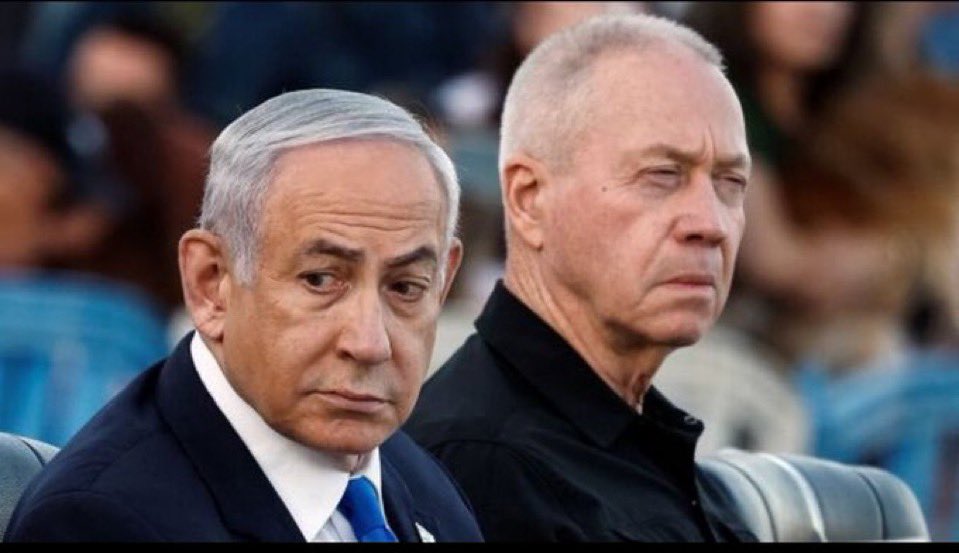
In a historic precedent, the International Criminal Court issued arrest warrants, Thursday, against Israeli Prime Minister Benjamin Netanyahu, and his dismissed Defense Minister Yoav Galant on charges of war crimes in the Gaza Strip.

The arrest warrants focused on the committal of the war crime of genocide, including starving an entire people and preventing them from accessing their right to the necessities of life.

Political storm

The ICC decision sparked an international political storm. While many EU countries confirmed their commitment to implementing the court’s order, attention turned to Israel and how it would deal with the decision, which many consider a slap in the face whose consequences unimaginable, even if the US administration rejects it on the grounds that the ICC does not have jurisdiction in this matter.

Netanyahu, who is in deep crisis and famous for his rhetorics, found no better way than to describe the decision but as a new “Dreyfus trial,” likening himself to the French Jewish officer who was tried in 1894 because he was Jewish. His description was a prelude to considering the ICC decision anti-Semitic, hostile to Jews and a dark day for the history of civilized peoples.

Months ago, Netanyahu described the request of the International Criminal Court’s prosecutor to issue arrest warrants as “ridiculous and false… and a distortion of reality,” while stressing “Israel’s right to defend itself” against barbarism and obscurantism, and those who seek to eliminate it.

A Haaretz article sees the issuing of ICC arrest warrants against Netanyahu and Galant as reflecting the lowest point of the Jewish state in its battle for legitimacy and international support.

According to the article, Israelis who felt supported by many world countries after Operation Aqsa Flood on 7 October, 2023, “wake up today, 13 months later, to find their country isolated, condemned and accused of committing war crimes.”

Dramatic escalation

The British Financial Times described the ICC decision as a dramatic escalation in legal proceedings against Israel over its war on Gaza, noting it is the first decision of its kind against Western-backed Israeli officials.

According to the newspaper, the decision will reinforce the feeling Israel is experiencing increasing international isolation due to its behavior in the war on Gaza.

Le Monde however, stated that it is the United States who would now face isolation after using its veto power against a resolution calling for a ceasefire in Gaza.

According to the French daily, negotiators expected the Biden administration to review its current position before the arrival of the strongly pro-Israel Donald Trump administration.

Potential implications

The New York Times highlighted three possible repercussions of the ICC arrest warrants, the first of which is world diplomatic isolation, especially among the ICC signatory countries and which may hinder diplomatic relations and military cooperation between Israel and many countries.

The New York-based newspaper believes the arrest warrants will put Israeli leaders back under the international legal microscope, making their travel outside Israel risky, in addition to weakening the Israeli position, adding the warrants increases international criticism of Israeli military operations, and weakens the support it receives from its allies, especially in Europe.

But the New York Times also quotes international law expert Philippe Sands as saying there are legal restrictions facing the International Criminal Court in implementing arrest warrants, “but the decision carries strong symbolism that reflects a change in the international position towards Israel,” noting the signatory countries are obligated to arrest “wanted persons if they enter their territory. This is a clear legal obligation.”

However, the newspaper’s adoption of precedents such as Russian President Vladimir Putin’s visit to signatory countries without arresting him raises questions about the court’s ability to enforce its decisions in practice.

Embargo on arms supplies to Israel

An Israeli military analyst believes that the two international arrest warrants against Netanyahu and Galant open the door to imposing an arms embargo on the occupying state of Israel.

Amos Harel, an analyst in Haaretz, points out the ICC decision “could give a strong boost to the complaints and criminal investigations against IDF soldiers and commanders that are being conducted in many countries.”

Harel points out to the many implications of the decision, including the possibility of Netanyahu and Galant being arrested in more than 120 member states of the ICC if they reach them, adding the decision could create an opportunity for an arms embargo by additional Western countries, which have so far been content with “more moderate” measures against Israel.

 “This will give a strong boost to the many complaints and criminal investigations against Israeli soldiers and leaders taking place in many countries. It also serves as a reminder that there is another axis for criminal investigation, which is the events taking place in the West Bank, with a focus on settlements,” he added.

The warrants will also put pressure on lower-ranking Israeli officials as they can be brought into war crimes cases in national courts of individual countries they travel to.


“It sort of gives a stamp of quality to Israel’s isolation. This is not a protest at Columbia University. This is not a bunch of hooligans fighting each other on the streets of Amsterdam. This is the ICC,” said Alon Pinkas, a former senior Israeli diplomat pointed out.

This article was translated, edited by Dr Marwan Asmar from the Palestine Information Center and reprinted on crossfirearabia.com.

Continue reading