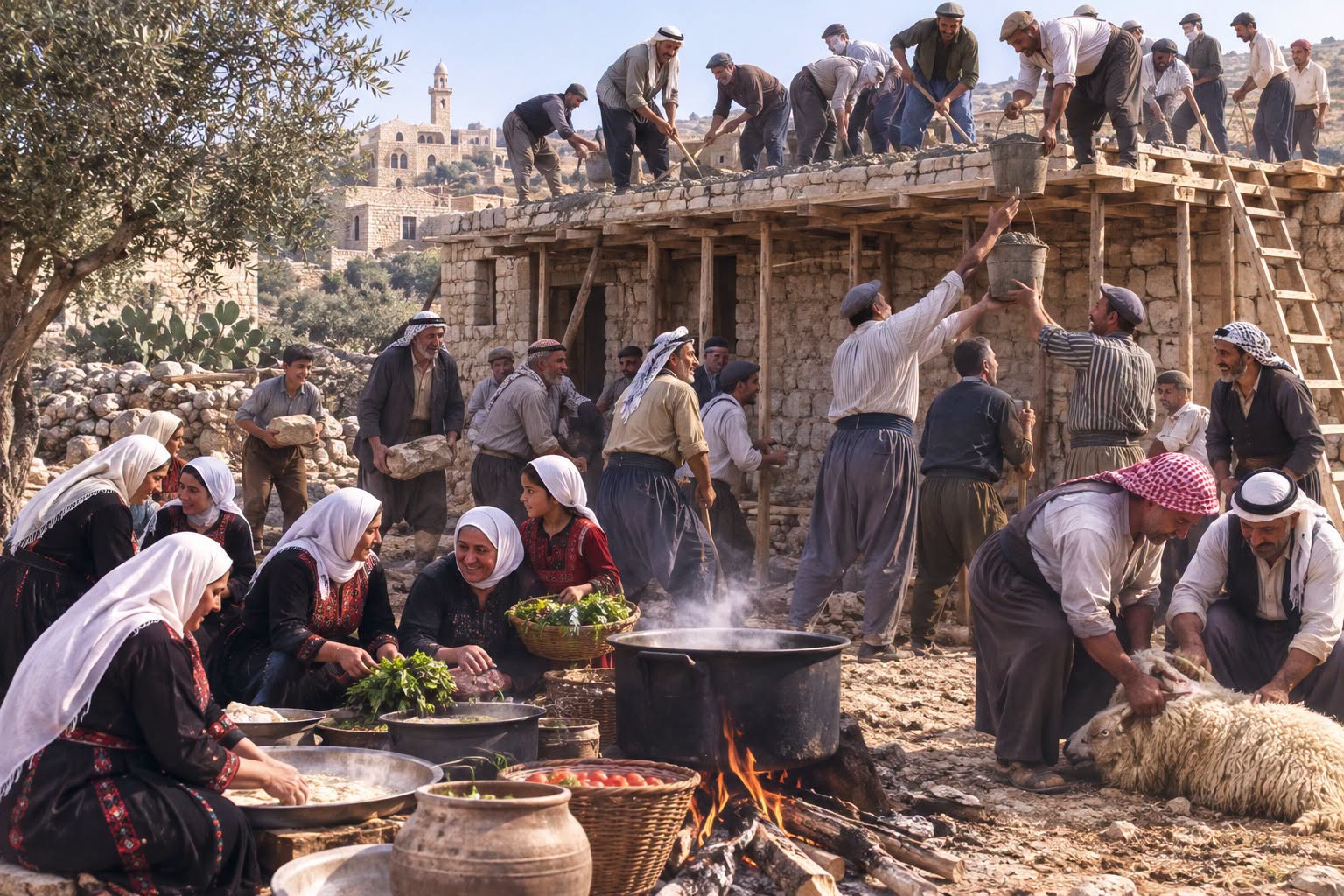
Pitching Together, Palestine

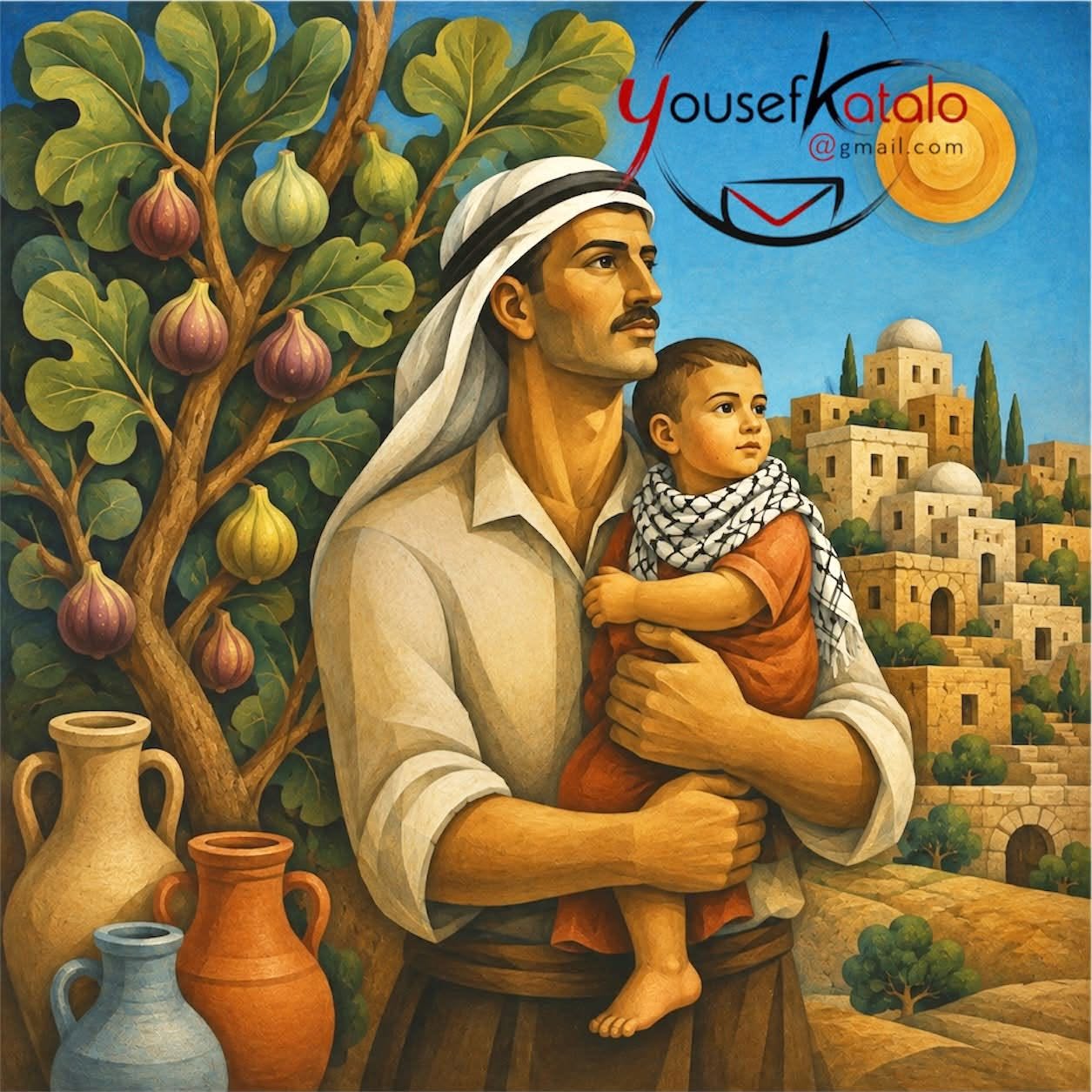
Mutual aid was more than just a social custom; it was an unwritten pact that united hearts before hands, making the community one home whose doors were never closed to anyone. As soon as someone began building a house, harvesting a crop, or pouring concrete for a roof, men would rush from every direction, carrying picks and stones, each offering their labor with love and contentment, without expecting any reward or compensation.

Generosity was deeply rooted in their hearts, and the sound of folk songs would fill the air, easing the hardship of the work and planting joy in their hearts. The owner of the concrete structure would slaughter a sheep or a goat in honor of those who stood by him, and the women would prepare the food. The workday would then transform into a celebration of cooperation and love, showcasing the most beautiful aspects of Palestinian solidarity. Today, life has become a heavy burden on people… everyone is preoccupied with their livelihood, work, and studies… many of the values ​​we were raised on have faded… and “mutual assistance” has become more of a tale from a bygone era than a reality… Yet, this spirit hasn’t died… it still lies dormant in the hearts of the people of this nation… waiting for someone to awaken it and restore it to its rightful place.

Nations are not preserved by their buildings and markets alone… but also by their authentic values… and by the sense of honor that compels a person to rush to the aid of their brother before being asked… Does that spirit of mutual assistance that once united people in love still exist among us… or has it become a memory we recount to our children with endless nostalgia?
Continue reading
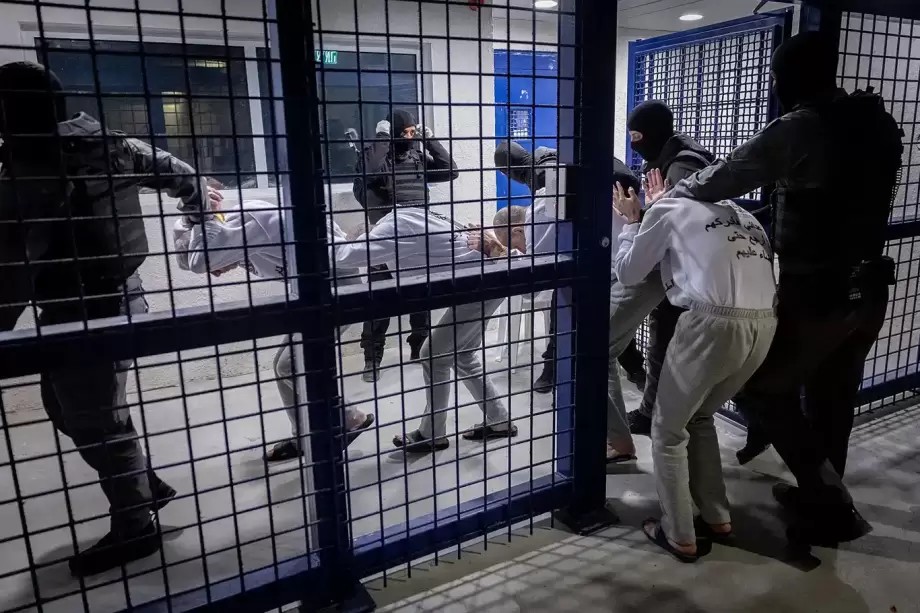
Palestinian Prisoners Experience Worse Times in Israeli Jails

CROSSFIREARABIA – A research paper by the Prisoners Media Office shows Palestinian prisoners are experiencing the worst times in Israeli jails for the month of July. Prisoners are being subjected to torture, starvation, negligence and medical isolation. The paper which was published Tuesday, shows the number of Palestinians behind bars today is unprecedented with their total number at 9400. They include 94 female prisoners, 350 children and 1320 on administrative detention under what Israel calls the “Unlawful Combatant Law.” It further shows that since the war on Gaza, the number of those detained stood 24,600 people. The paper documents an escalation in the “oppressive operations” inside Israeli jails and which include raids on prisoners’ cells, beatings of prisoners, use of rubber bullets against them, frequent use of police dogs besides, solitary confinement and humiliating searches. The paper also shows that female prisoners are subjected to violations, pointing to the Damon Prison where diseases are rife, medical negligence persists, and the documentation of physical and sexual torture against female Palestinian prisoners. See full article here.  

Continue reading
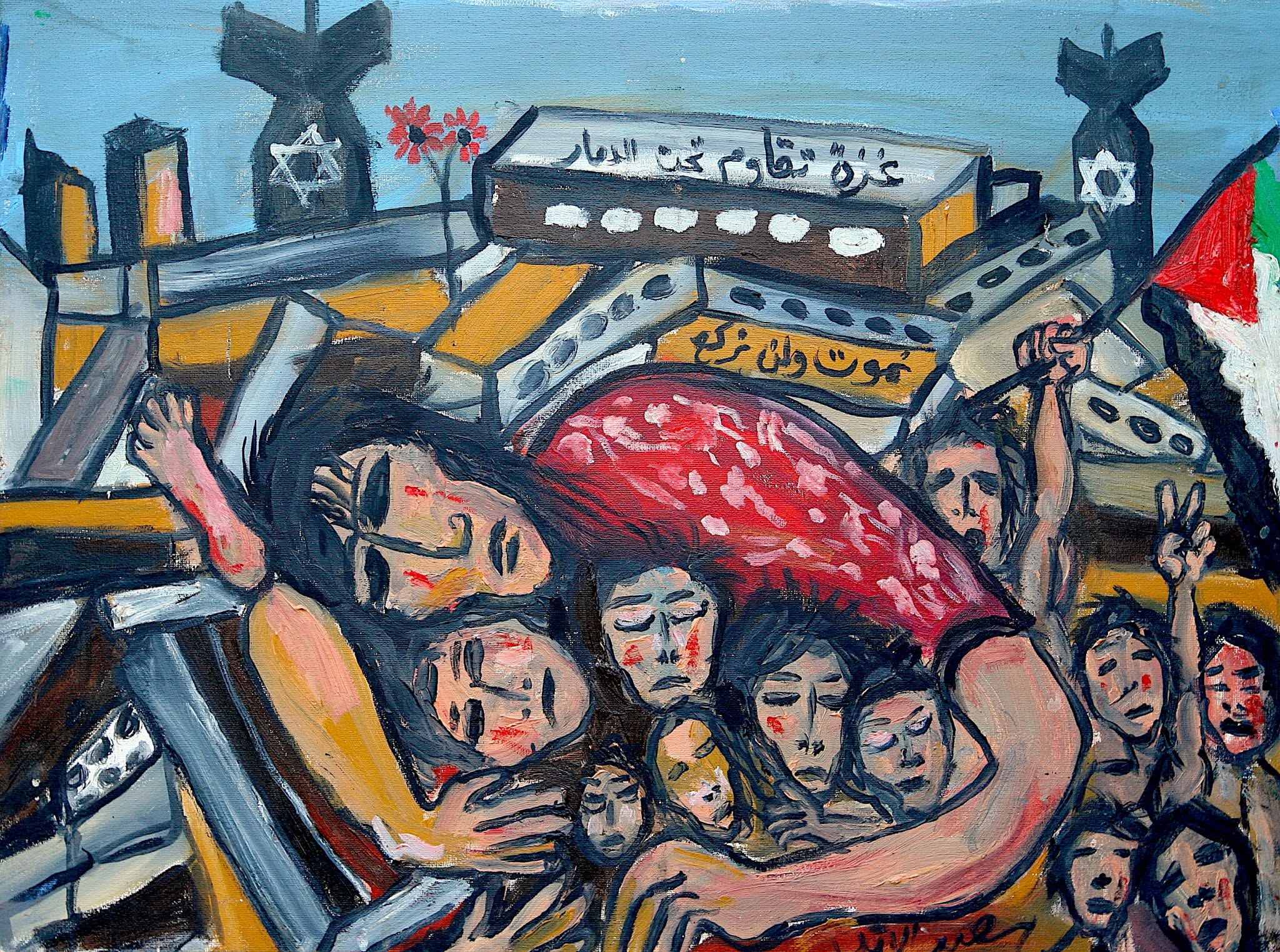
In Art: Trapped Under The Rubble

Said Alatab writes:

My painting depicts a Palestinian mother and her children trapped beneath the rubble after bombing Gaza City. This work reflects the immense suffering, loss, and tragedy endured by innocent families caught in war. Through this painting, I hope to honor the victims and remind the world of the human cost of violence. Please share it. Please share and support my art

Alatab is a professional artist currently living in the United States having immigrated there in 1979. He was born in the Sabra and Shatila Camp in Beirut in 1959. After studying art in New York he became a professional artist with alluring paintings that display fascinating features which he says are inspired by his personal journey, struggles, and observations of the world.

“I often explore suffering, hope, and the human condition,” he points out. Currently, as his displayed works show, he is focusing on the war in Gaza and the suffering of its civilians. “For me, art is more than a career. It is my life’s purpose, a way to preserve memory and inspire reflection. I continue to paint to express truth, emotion, and hope.”

One of the artists who has influenced Alatab most is the great artist Vincent Van Gogh. “I feel a deep connection to his emotion, honesty, and intensity. His dedication to painting despite hardship inspires me to continue creating art that reflects my life, my struggles, and my vision of humanity,” he comments.

Continue reading
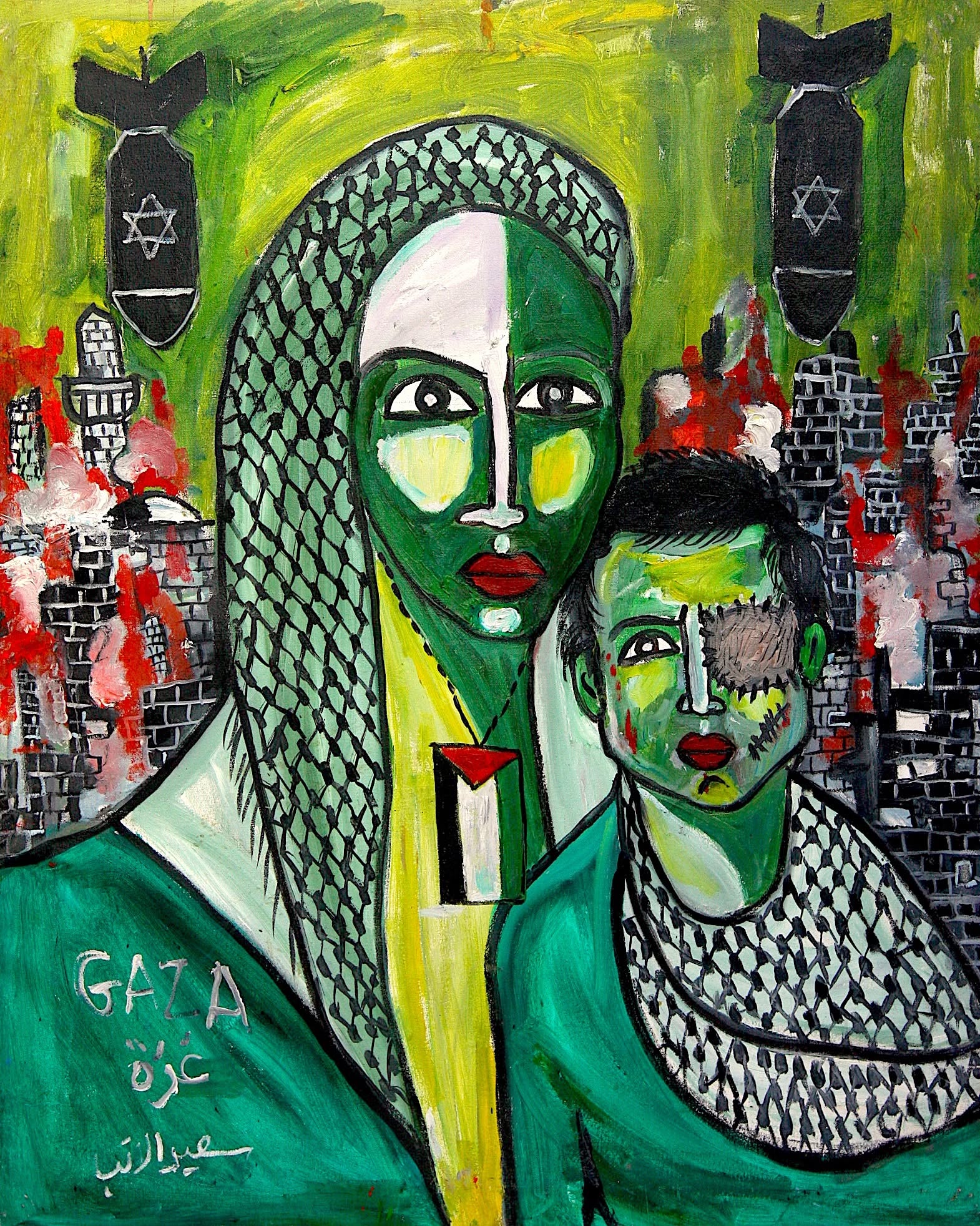
‘Mutilated Art’

The painting speaks to all; no words are needs to express the physical horror yet meted out by the Israelis:

Said Alatab writes:

This is my new painting called “The Mutilated Little Boy with His Mother.” It is a response to the ongoing destruction of the Gaza Strip. Thousands of children have suffered devastating injuries, including the loss of eyes, hands, and limbs as a result of missile strikes and explosions. This painting reflects on the lifelong consequences of surviving such violence. For many children, these injuries mean a future marked by physical dependence, emotional trauma, and the constant aware…

Continue reading