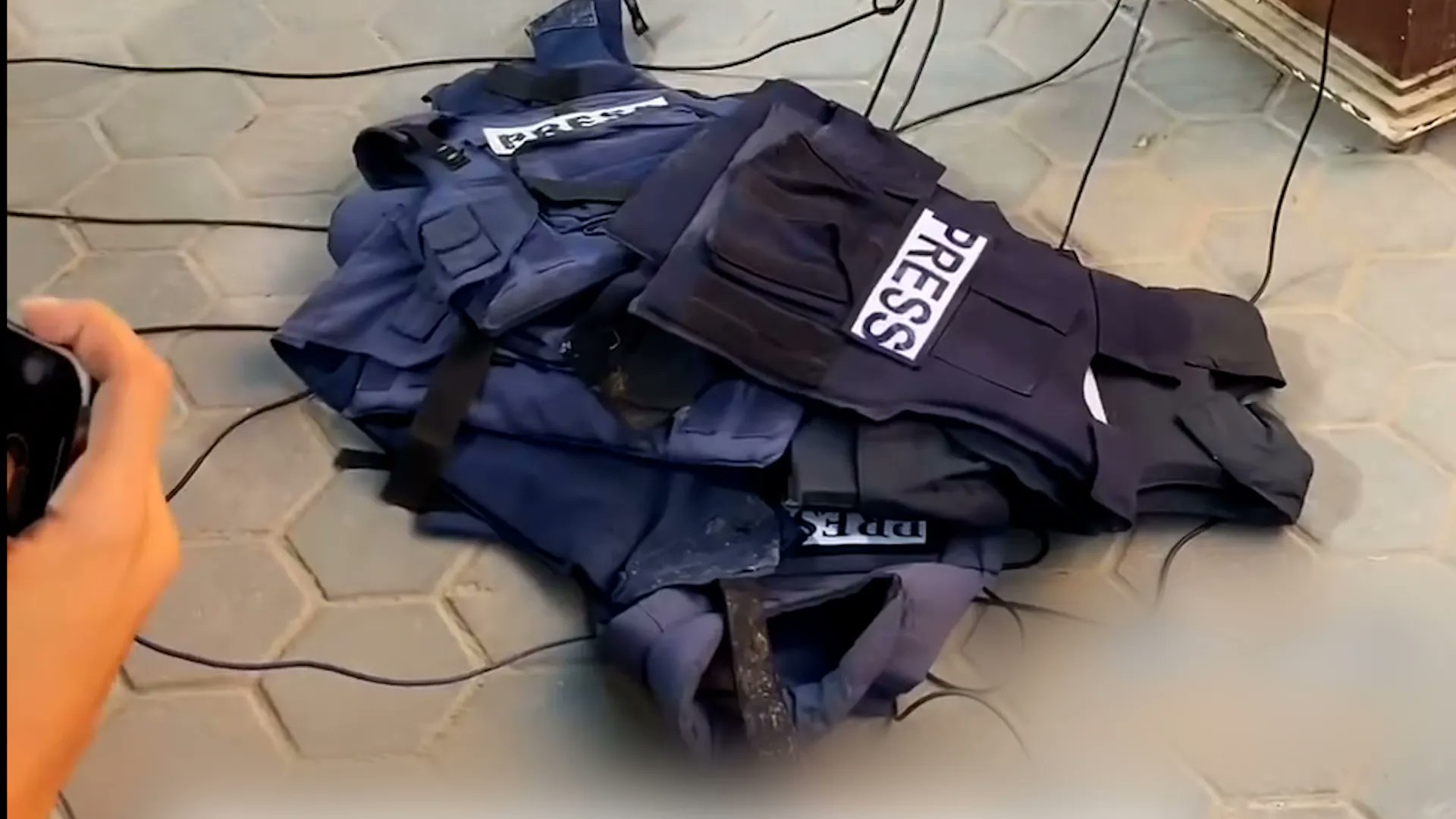
Why Does Israel Continue to Kill Journalists?

CROSSFIREARABIA – Over 190 Palestinian journalists have been killed in Gaza since 7 October, 2023 for daring to report and utter the truth.

The Government Media Office in Gaza states the number of journalists killed in Gaza, as reported on 30 November, 2024, is now 191 after the death of Mamdouh Quneita in the al-Ahli Arab Hospital.

Quneita was an editor for Al-Aqsa satellite channel, the media office said.

“The Government Media Office condemns in the strongest terms the targeting, killing and assassination of Palestinian journalists by the Israeli occupation. We hold it fully responsible for committing this heinous crime.”

His name is trending on the social media for he was killed by an Israeli drone in the middle of Gaza City on Saturday afternoon in the courtyard of the Baptist Al Ahli hospital . According to the Anadolu Agency, as of Nov 27, 190 journalists have been killed in Gaza from Israeli attacks since Oct 7, 2023

One blogger writes: Shame on mainstream medias and all western journalists who remain silent in the face of Palestinian journalists being killed in unprecedented numbers by the Israeli colonial and apartheid regime. @MariamBarghouti, @ReporterSol

Another said Israeli forces shot and killed Mamdouh Quneita with a direct bullet to the head while he was performing his journalistic duties by Mamadani hospital. 191 journalists killed by Israel in just 13 months. This should be met with outrage and consequences.

Quneita was killed at the same hospital that Israel bombed October 17, 2023 killing hundreds in one go and setting the precedent for what later became a targeted attack on the Palestinian health infrastructure— including the rape and execution of doctors, nurses, and their own children.

One writes the killing of Palestinian journalists is more than WWI, WWII and Vietnam war combined yet the killing goes on the silence by the international community is maintained.

Yet the shocks continue by shallow statements from such western politicians.
Continue reading
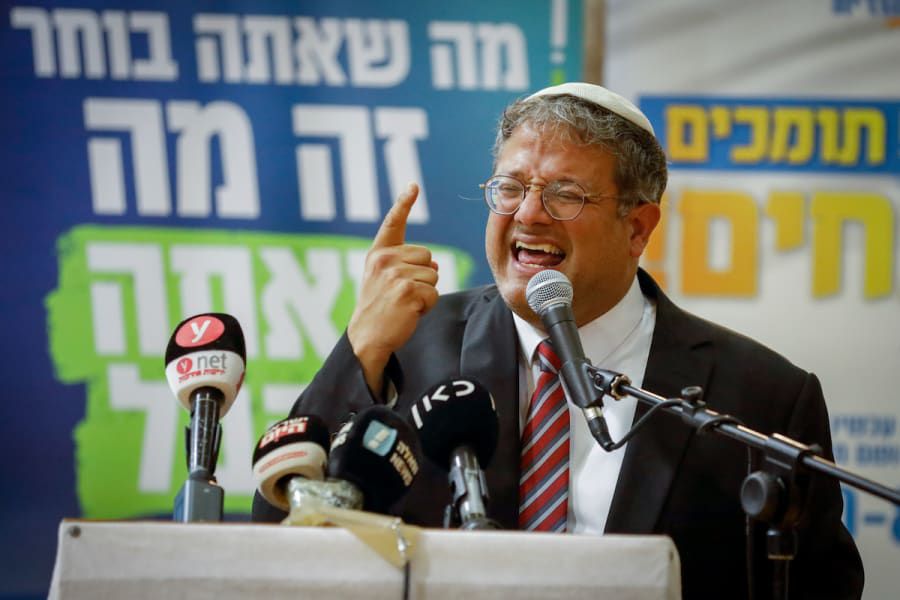
Ben Gvir: ‘No Call to Prayer’

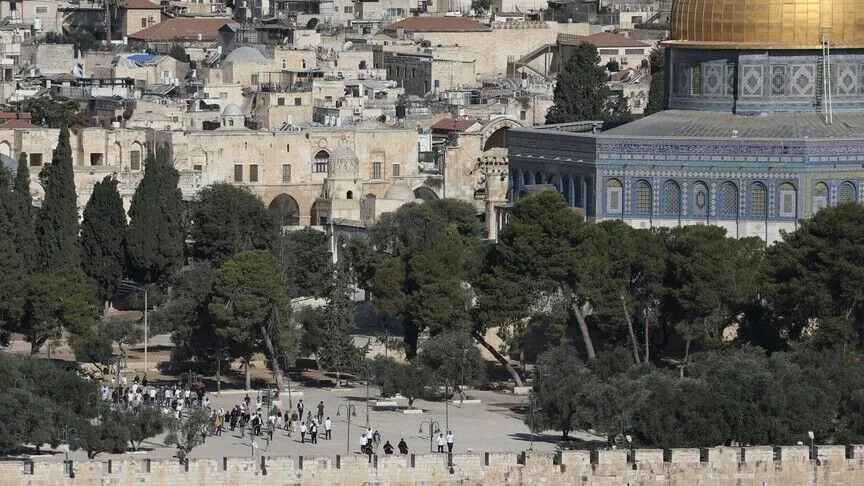
Ultranationalist Israeli Minister Itamar Ben-Gvir orders police to begin confiscating loudspeakers from mosques in 1948-occupied Palestine, claiming the call to prayer disturbs settlers. He also demands fines for instances where confiscation is not possible, according to Channel 12 reporter.

Continue reading
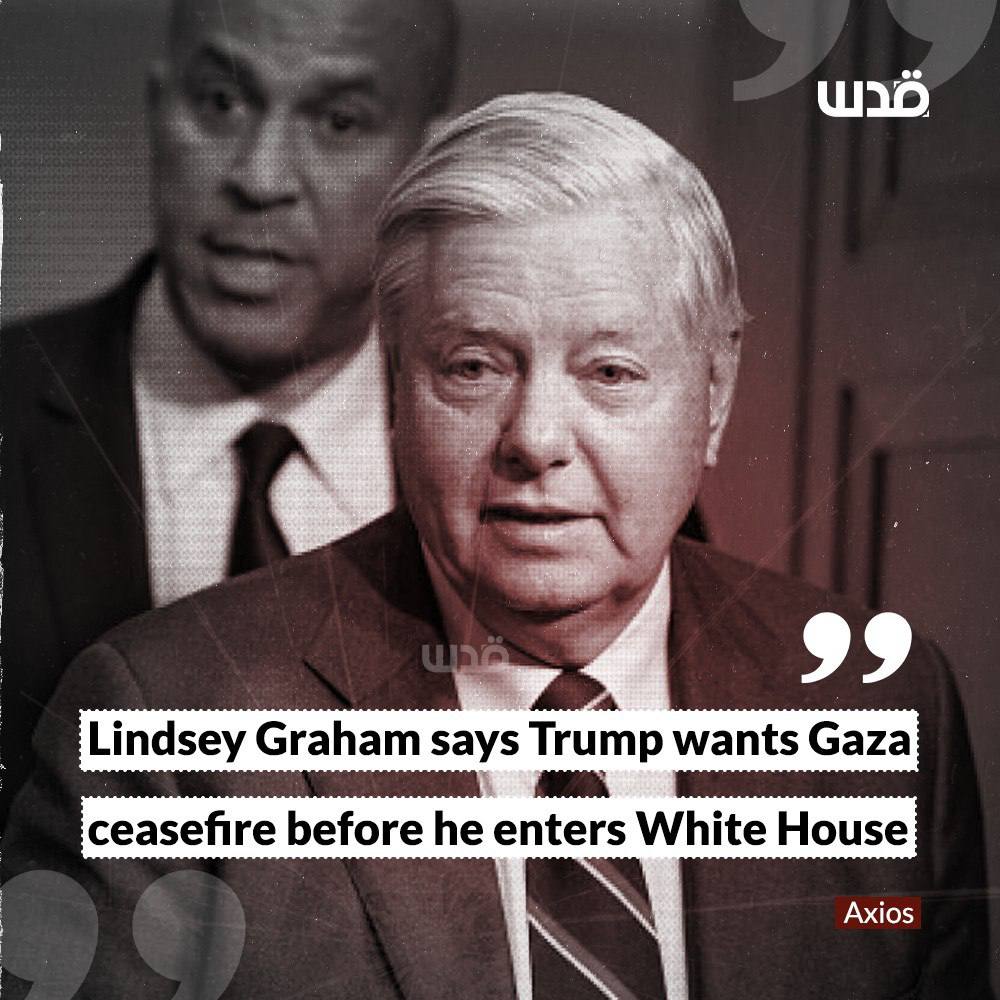
Trump, Gaza Ceasefire & Hostage Deal

US Republican Senator Lindsey Graham told Axios that US President-elect Donald Trump wants to see a Gaza hostage deal and ceasefire before he returns to the White House in January. “Trump is more determined than ever to release the hostages and supports a ceasefire that includes a hostage deal. He wants to see it happening now,” Graham told Axios. 

“I want people in Israel and in the region to know that Trump is focused on the hostages issue. He wants the killing to stop and the fighting to end,” he said.  “I hope President Trump and the Biden administration will work together during the transition period to release the hostages and get a ceasefire,” he added.

Continue reading
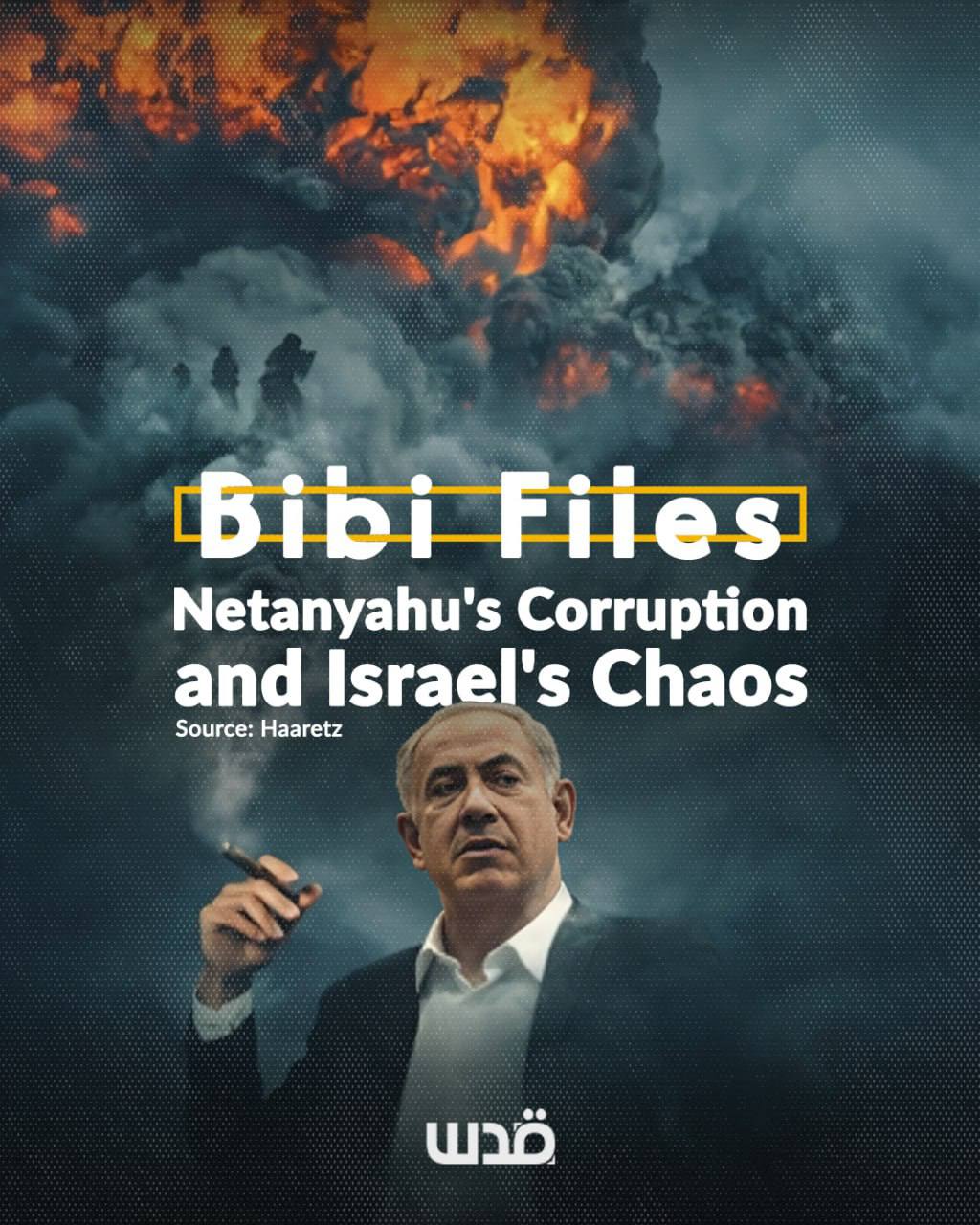
Destroying Israel

Film “Bibi Files,” directed by Alexis Bloom, reveals the strategies used by Netanyahu and his allies to consolidate their power and undermine Israel’s institutions, as well as his pursuit of political survival, even at the expense of endangering Israelis.

Continue reading
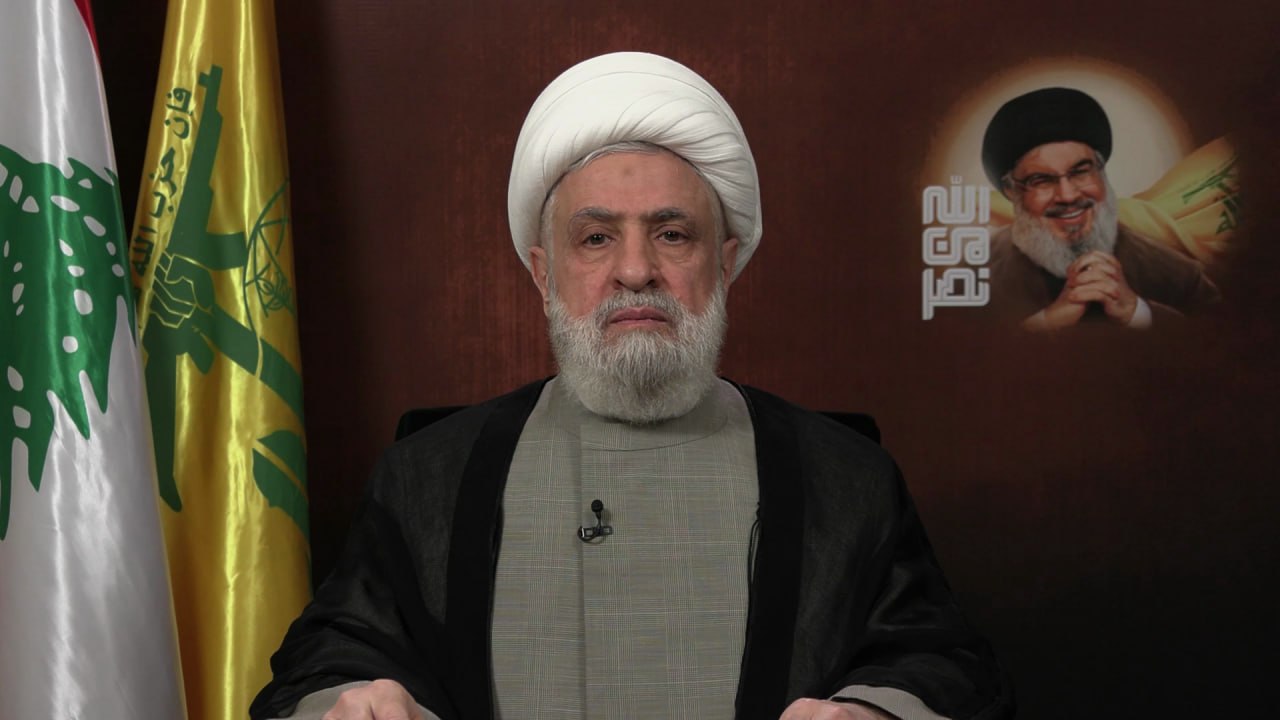
Naim Qassem: ‘Hezbollah Achieved a Great Victory…’

Hezbollah’s Secretary-General Naim Qassem confirmed that the party achieved a great victory over the Israeli occupation, and stressed the continuation of support for Palestine in various forms, and presented five pledges for the post-war period, including assistance in reconstruction, and completing the contract of constitutional institutions, most notably the election of a president for the republic.

On the third and fourth pledges, Qassem said; Our national work will be in cooperation with all forces that believe that the homeland belongs to all its sons, and we will also cooperate and dialogue with all forces that want to build a unified Lebanon on the basis of the Taif Agreement.

In his first speech after the ceasefire in Lebanon he said: “I decided to announce as a result, officially and clearly, we’ve one a great victory that exceeds the victory of  July 2006.”

Qassem added: “We won because we prevented the enemy from destroying Hezbollah, we won because we prevented it from ending the resistance and/or weakening it…”

Qassem also attributed the victory to the long duration of the Israeli aggression, the ferocity of the battle, and the sacrifices made by the Lebanese, in addition to the American and Western support provided to Israel.

Sheikh Qassem also pointed out that Israel suffered heavy losses in its battle with Lebanon, as a result of the strikes directed at it by Hezbollah, and hundreds of thousands were displaced from northern Israel, and because of the resistance’s steadfastness, Israel’s horizon was blocked.

Hezbollah’s Secretary-General added in his speech that in light of what he called the defeat surrounding Israel, the ceasefire agreement came, which he said was “not a treaty or a new agreement that requires the signature of countries, but rather a program of procedures related to the implementation of Resolution 1701.”

He said that the agreement confirms the withdrawal of the Israeli army from all the places it occupied and the deployment of the Lebanese army in the south of the Litani River to assume its responsibility for security and for expelling the enemy from the region.” He also confirmed that Hezbollah will coordinate with the Lebanese army.

Sheikh Qassem also noted in his speech that “the agreement was made under the umbrella of Lebanese sovereignty, and we agreed to it with our heads held high in our right to defend ourselves.”

On 27 November, 2024, a ceasefire agreement between Hezbollah and the Israeli army came into effect after months of mutual military operations between the two parties due to Hezbollah’s support for the Gaza front after Operation Flood of Al-Aqsa.

On the other hand, he stressed the continuation of the Lebanese resistance’s support for Palestine, and said: “Our support for Palestine will not stop and be in different forms.” In the same context, he recalled when Hezbollah began supporting the resistance in the Gaza Strip, it repeated it did not want war, but confirmed that it was ready if it was imposed on it.

Next stage

Sheikh Qassem spoke about the next stage, and made five pledges for the post-war stage, including assistance in reconstruction, and completing the constitutional institutions, most notably the election of a president for the republic, expressing his hope to achieve this on the scheduled date of 9 January, and said that the party’s presence in political and social life will be effective and influential in keeping with the country’s circumstances.

Regarding the third and fourth pledges, Qassem said: “Our national work will be in cooperation with all forces that believe that the homeland belongs to all its sons, and we will cooperate and speak with all forces that want to build a unified Lebanon on the basis of the Taif Agreement,” adding that “to those who bet on weakening the party, we regret that their bets failed.”

In his speech, the Secretary-General of Hezbollah also thanked Iran, Yemen and Iraq, according to Al Jazeera.

Continue reading