How Should Arabs Influence The US?
 CrossFireArabia
- September 15, 2025
The United States faces a sensitive equation in the Middle East. On one side, a strong strategic alliance with Israel, built on military and intelligence superiority. On the other, a deep economic and security partnership with Arab states, which control oil, gas, key waterways, and sovereign wealth funds. Yet Washington still treats Arabs as financial and energy suppliers, while granting Israel unconditional superiority. The question is: How long can this continue before America pays a strategic price?
Since the 1970s, oil has been tied to the U.S. dollar through the petrodollar system. This made the dollar the backbone of the global financial order and allowed Washington to finance deficits while keeping global dominance. But the landscape is shifting. BRICS seeks to reduce reliance on the dollar. With Saudi Arabia and the UAE joining, Arabs now have direct influence on the future of global finance. Any move to price oil in other currencies could shake the foundations of U.S. power.
Meanwhile, Israel—backed by open U.S. support—pushes Netanyahu’s vision of a “New Middle East.” The plan is clear: destroy Gaza, swallow the West Bank, fund the displacement of Palestinians, and strike Lebanon, Syria, Qatar, and Yemen. Even Gulf states are no longer outside the danger zone, as Israeli threats expand across the region.
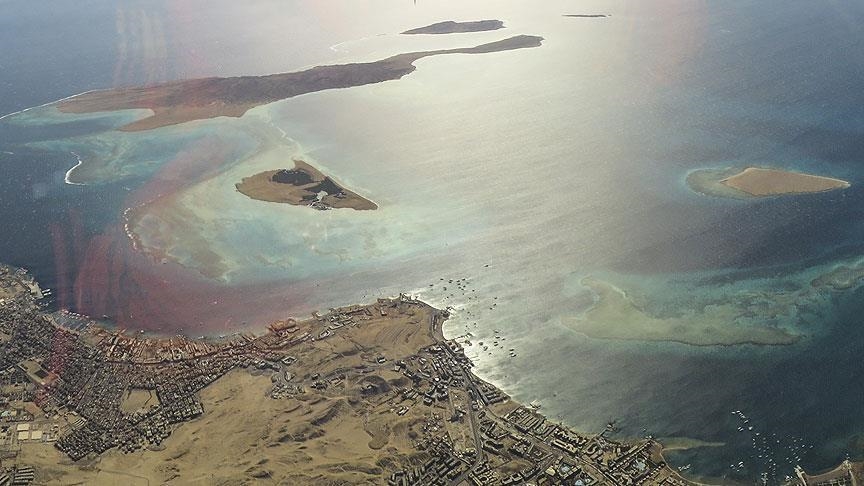
Israel has little economic weight compared to the Arabs, but it enjoys political and military privileges that make it a forward base for Washington. Arabs, by contrast, hold powerful cards: oil and gas, the Suez Canal, Bab al-Mandab, the Strait of Hormuz, and sovereign funds with hundreds of billions in U.S. markets. Used together within a united stance, these cards can rebalance U.S. policy toward Israel.
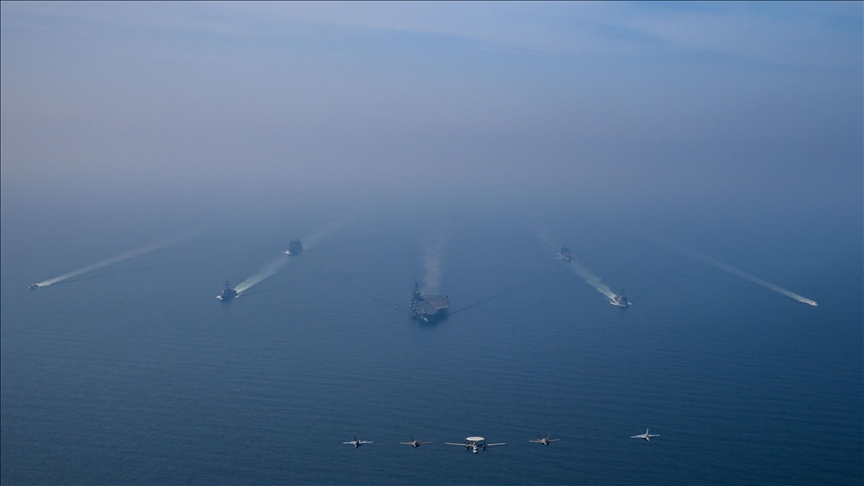
The pressure is not only economic. The U.S. operates dozens of military bases in the Gulf, Jordan, and Turkey. If Arabs link these facilities to Washington’s position on the conflict, the cost of bias will rise. At the same time, Arabs are no longer just oil producers. They are key players in renewable energy and green hydrogen, shaping the future of global energy markets.
Inside the U.S., the Israeli narrative no longer dominates unchallenged. A growing movement among youth, universities, and independent media rejects blind support for Israel, especially after the humanitarian disaster in Gaza. This has fueled mass protests, political pressure, and divisions inside the Democratic Party between the old guard and a younger generation more critical of Israel. Arabs can build on this by engaging think tanks, universities, and Arab-American communities.
In Europe, the EU cannot ignore its vital interests with the Arab world in energy, trade, and investment. Public anger over Gaza is rising. Arabs have an opportunity to unify their message and push Europe toward greater independence from Washington. Linking access to Arab markets with balanced political positions could turn sympathy into official pressure on Israel from within its Western allies.
At the international level, Israeli actions no longer pass without scrutiny. The UN Security Council has issued repeated condemnations, despite Washington’s vetoes. The latest vote reaffirmed the two-state solution as the only path to peace, highlighting Israel’s growing isolation. A united Arab stance could transform this consensus into real leverage, combining international legitimacy with Arab economic power.
In the end, the ball is in the Arabs’ court. They hold the tools to impose a new balance and secure a fair solution for Palestine. If they act with unity and resolve, they can curb Israeli arrogance and reshape the region. If not, the cost will fall on Arab citizens—through weaker economies, shrinking wages, and eroded sovereignty—while the future of the Middle East is written without them.
The writer is a columnist in the Jordan Times