At least 109 Iranian security members were killed during unrest sweeping several parts of the country over the past few days, the Qatar-based Al Jazeera channel reported Sunday, citing Iran’s Tasnim News Agency.
The outlet did not specify how many protesters were killed.
Iran has been rocked by anti-government protests since Dec. 28 at Tehran’s Grand Bazaar, fueled by the sharp depreciation of the Iranian rial and worsening economic conditions. Demonstrations later spread to several cities.
There are no official estimates on casualties, but the US-based rights group HRANA put the toll at 116, with more than 2,600 detained.
A Tehran doctor, however, told Time magazine on condition of anonymity that six hospitals in the capital recorded “at least 217 protester deaths, most by live ammunition.”
In a detailed look at the situation, at least six security members were killed and dozens of protesters were detained as anti-government protests continued to roil Iran, fueled by worsening economic conditions, local media reported on Sunday.
State broadcaster IRIB, citing the country’s prosecutor general Mohammad Movahedi-Azad, said six security members were killed in disturbances in the western province of Kermanshah.
Press TV said Iranian security forces have arrested 200 protest leaders and seized weapons in raids on their houses.
Iran’s police chief Ahmad Reza Radan said coordination between security and law enforcement forces had intensified operations against what he called rioters.
“With proper coordination between security and law enforcement forces, the level of confrontation with rioters has been upgraded,” he said.
He said key elements behind the unrest were arrested last night, saying those detained “will face punishment after completing legal procedures.”
Radan said most of the fatalities in the current wave of protests “died from bladed weapons and knife wounds,” citing forensic findings.
“The shooting distance was very close,” which indicates the acts “were not carried out by security forces but by trained and directed elements,” he said.
Meanwhile Iranian president Masoud Pezeshkian said Sunday that his government is determined to address Iran’s economic problems.
Iran’s “enemies are seeking to sow chaos and instability” following the country’s 12-day war last June with Israel, Pezeshkian told the state television.
His remarks were the first since protests that began last month over worsening economic conditions and the record depreciation of the national currency, the rial, turned violent last week.
Pezeshkian condemned recent attacks on public places, including mosques, in Tehran and other Iranian cities, blaming the US and Israel for the violence.
There are no official casualty figures, but some NGOs outside Iran estimate the death toll at 116, including both security forces and protesters, with over 1,000 injured.
Iranian officials have accused Washington and Tel Aviv of backing the increasingly violent protests, particularly in Tehran, where government buildings, banks, buses, and mosques have been set ablaze by armed protesters in recent days.
Internet connectivity has also been suspended across the country.
Pezeshkian accused the US and Israel of “training certain groups” inside and outside the country and bringing “terrorists from abroad” to set mosques, markets, and public places on fire.
“They have killed some with weapons, burned others, and beheaded some. Truly, these crimes are beyond our people’s nature. These are not our people. They do not belong to this country. If someone protests for this country, we listen and address their concerns,” he said.
The Iranian president said his government admits to “shortcomings and problems” and is working hard to alleviate the people’s concerns, especially regarding the economy.
“Where in the world are such protests and behaviors accepted as protests? If this happened in the US, would Americans allow it? Would Europeans allow it? If someone attacked a military base or city center, would they say: ‘Go ahead and loot it’,” he said.
He insisted that those attacking public property are not protesters, but rioters, adding that the government is willing to meet with and listen to those who have legitimate concerns.
Pezeshkian said the US and Israel tried to bring Iranians “to their knees” during the 12-day war in June but failed, and now seek to do the same through “riots.”
“We will build this country with the people’s help and stand firmly against the external conspiracies and riots, with the help of producers and merchants. We will stop them with power,” he said, offering condolences to those who have died in the ongoing protests.
Before the protests turned violent on Thursday night, US President Donald Trump tweeted that the US would “come to the rescue” of Iranian protesters if the government used lethal force against them.
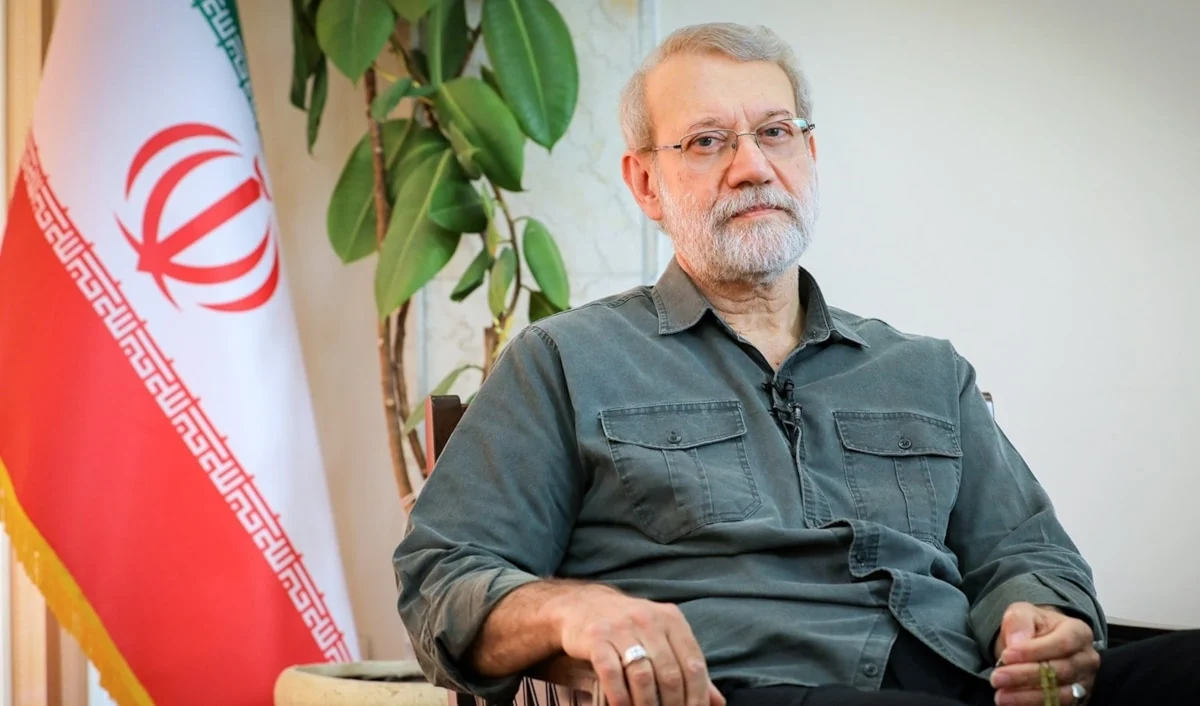
His remarks drew sharp criticism from top Iranian officials, including Supreme Leader Ayatollah Ali Khamenei, security chief Ali Larijani, and Foreign Minister Abbas Araghchi.
Pezeshkian accused the US and Israel of instigating Iranian youth.
“The same people who destroyed this country and killed our youth and children now instruct these rioters to destroy more.”
He reassured the public that his government will work to solve their problems and urged families “not to let their youth mix with rioters and terrorists who kill and behead.”
“Protest if you must; we will listen and solve your concerns. Let us work together to solve problems. But worsening the country’s economic situation through chaos serves no one,” he said according to Anadolu.

 CrossFireArabia