What Next For Moscow After Fall of Damascus

Events are rapidly unfolding before after the fall of the Syrian capital, Damascus, into the hands of the armed opposition forces that entered it without resistance because the Syrian army, under orders from its supreme commander, decided not to resort to bloody confrontations to prevent bloodshed and accept defeat in the face of a tripartite aggression well-planned in the dark rooms of Washington, Ankara and Tel Aviv.

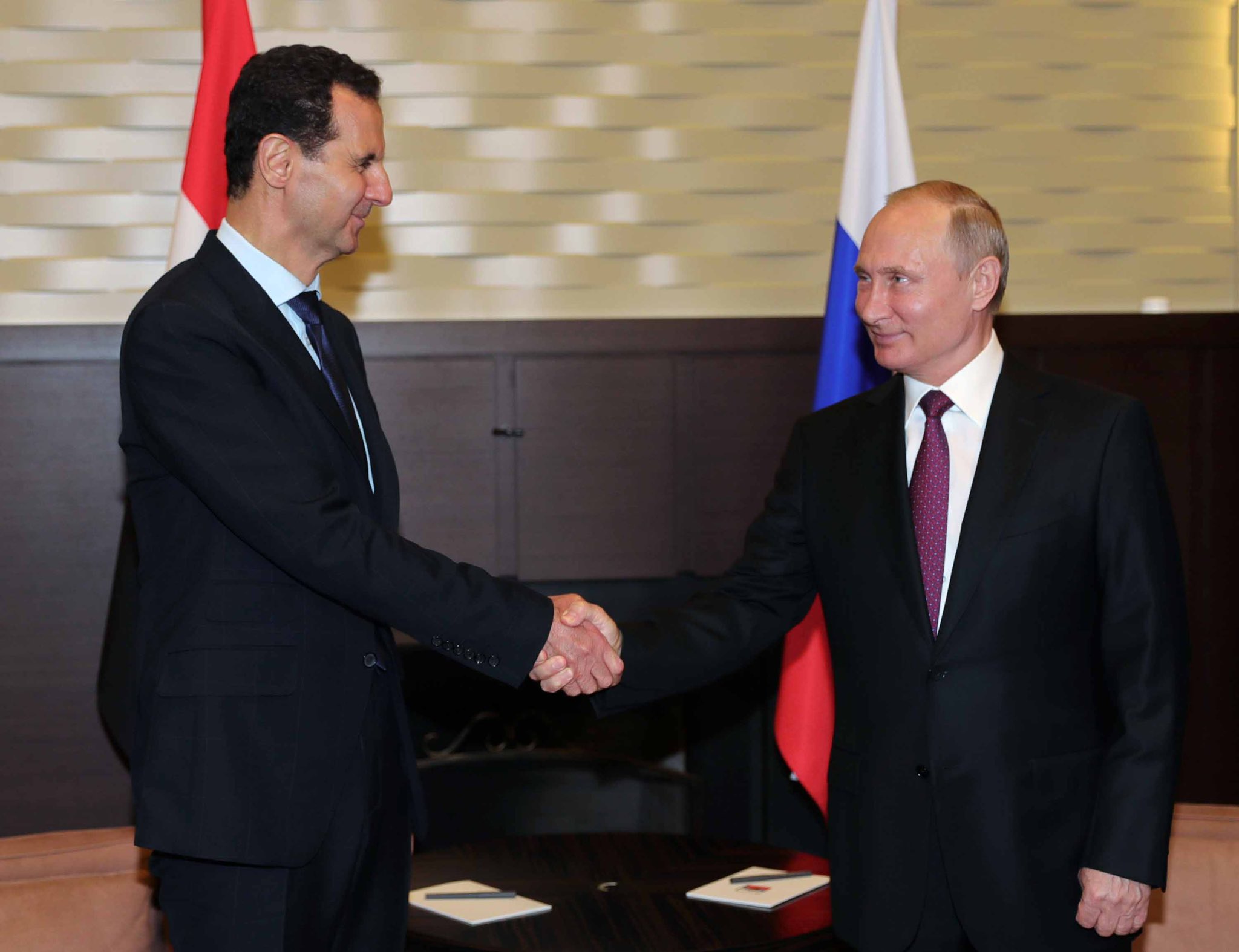
The Russian authorities’ announcement, Sunday, of the arrival of Syrian President Bashar al-Assad and his family to Moscow and granting them political asylum, confirms that the sudden developments currently taking place may be the tip of the iceberg.

There may be many surprises to come on all levels, as Syria is a jungle of weapons, and it is unlikely that the sudden surrender is just a maneuver, just like what happened in Iraq after the collapse of the Iraqi army in the face of the American invasion, and the goal now is to reposition, bow to the storm, and prepare to resist the occupation.

https://twitter.com/abdelbariatwan/status/1865843698195378221

The fall of Damascus is a fatal stab to Russia and its leadership, which the new authority in Syria has no affection for, and sees it as a strategic partner of the isolated Syrian regime. Its warplanes have not stopped bombing Idlib, Aleppo, Hama and Homs, and this Russian airstrike played a major role in the Syrian Arab Army regaining most of the cities and villages that were seized by the opposition forces supported by America, Europe and Turkey.

We do not know what President Bashar al-Assad’s plans are in the coming period. Will he resort to calm and withdraw from political work, in compliance with the conditions of political asylum, or will he make Moscow a base to manage a resistance that he will form and lead from his new exile.

News circulated in the past few days that countries supporting the deposed Syrian president, led by Russia, suggested he form a government in exile to confirm his non-recognition of the new government that may be formed in the coming few days to run the country, avoid a political vacuum, and prepare for holding general elections.

We do not know the extent of the accuracy of this news, and perhaps it is too early to try to extrapolate what events are coming in Syria, as only one day has passed since the fall of Damascus and President Assad’s flight to Moscow and his granting of political asylum.

However, what can be pointed out is that the picture seems blurry in Syria at the present time, as Damascus and the major Syrian cities have been exposed to a war led by armed Syrian opposition factions on behalf of America, Turkey and other Arab countries, unlike the direct American war in Iraq in 2003, in which more than 160,000 American soldiers participated, and Paul Bremer was installed as military governor of Iraq in a transitional phase.

Unfortunately, we can’t disagree with Benjamin Netanyahu when he said: “The fall of Damascus and the collapse of the ruling regime there is considered a historic day and a great victory for Israel.”

Damascus is the crown jewel of the axis of resistance, the main supporter of the Palestinian cause, and the stubborn opponent of normalization. The question remains: Will Netanyahu’s celebrations of this fall last long? We leave the answer to the coming days and months.

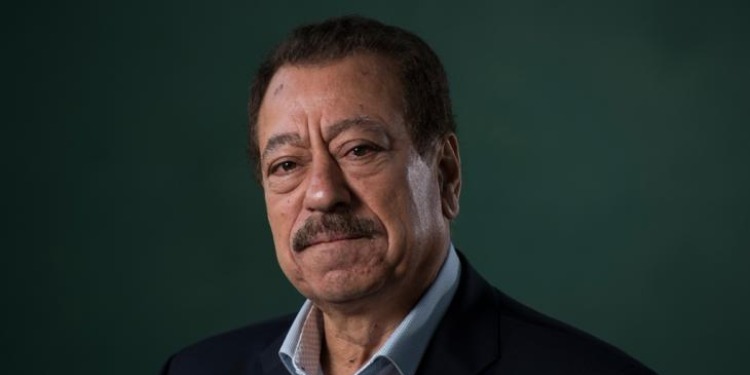
Abdel Bari Atwan is the Chief Editor of Al Rai Al Youm
Continue reading
Al Assad in Moscow, Granted Asylum With Family

Former President of Syria Bashar Al Assad is now a Moscow resident and ends much speculation to his whereabouts.

After at least 10 hours of media rumors, Sunday, a Kremlin source confirmed to TASS, the state-owned news agency that Al Assad has arrived in Russia with his family and has been granted political asylum.

The news confirmed on Sunday night is trending on the social media with photos and images of him and his family.  

The source said that “President Assad of Syria has arrived in Moscow. Russia has granted them (him and his family) asylum on humanitarian grounds”.

The confirmation puts an end to the mystery of his whereabouts. News reports suggested earlier a plane took him early Sunday morning over Homs, took an eastern turn and disappeared off the radar screen.

It added fuel to the theory that it may have been shot by rebel groups who where taking over the country.

Continue reading
Syria: New Era as Baath Party Falls

CROSSFIREARABIA – Syria is about to enter a new political era without Baath Party rule which has been in power since 1963 and controlled by the Al Assad family since 1971.

After 61 years, this pan-nationalist party  collapsed, Sunday when the capital Damascus fell out of the hands of the regime and into a motly opposition parties and Islamist groups, including the reformed Al-Nusra outfit, formerly affiliated to Al Qaeda and lead by Abu Mohammad Al Jolani who has renamed it yet again, as Hayat Tahrir Al Sham (HTS)

Many observers say this is the completion of the Arab Spring Syrian revolution started in 2011 but took 13 years of bloodshed to arrive at this stage of political development.

https://twitter.com/Satmepa/status/1865693649633259834

Over this period the Baath regime saught to control the country with an iron-fist with the help of Russia, Iran and Hezbollah to beat the armed groups that slipped into Syria to attempt to “regime-change” the Baathist order.

Today, they stand successful with the regime finally collapsing, and its leader Bashar Al Assad hastily scurrying outside the country in a plane in the middle-of-the-night, Sunday, heading to what is thought to Moscow.

This is indeed an end of era for Syria and a beginning of a new dawn with a twist in Arab nationalist politics for change has both been unexpected and happened so quickly.

It all started on 30 November when the anti-regime groups took control of Aleppo in the north from the Syrian army and then proceeded to Idlib, Homs and clenched Hama city center moving very fast to the strategically important province of Homs which is a gateway to the Syrian capital of Damascus.

The opposition forces were not to be stopped capturing other towns and cities in the south of the country, including Suwayda and Qunitera and Deraa on the border with Jordan. Despite clashes with regime forces they established control and moved northward towards Damascus.

By Sunday 8 December, it was all over, the opposition groups entered Damascus and established control of the capital.

Today the situation remains fluid. Al Jolani, who quickly established firm control has called on the Baathist Syrian Prime Minister Mohammad Ghazi Al Jalali, who is still in his home in Damascus, to continue in his official position during this transitional period.

Since their take over, the opposition groups stated they want things to continue as they are and government departments to function as smoothly as possible.

Meanwhile Arab countries, US, Russia, Iran and Israel are watching carefully the unfolding developments in Syria.

Continue reading