Explosive Robots: Destroying A City
 CrossFireArabia
- September 2, 2025
The Israeli army is destroying about 300 residential units daily in Gaza City and Jabalia, using around 15 robots carrying nearly 100 tonnes of explosives.
These bombings are taking place at an unprecedented pace, aimed at destroying Gaza City and displacing its residents, as part of a dangerous escalation of the ongoing genocide against Palestinians in the Gaza Strip for nearly 23 months.
Euro-Med Monitor’s field team documented the Israeli army’s intensified use of armoured, explosive-laden robots to demolish residential areas at an accelerating pace. Most homes and infrastructure in Jabalia al-Balad and Jabalia al-Nazla have already been destroyed, while the army advances with comprehensive destruction toward the heart of Gaza City from the south, east, and north.

Since the Israeli army announced last Friday, the end of what it called a “temporary humanitarian ceasefire” in Gaza City, which it claimed applied during daylight hours, Euro-Med Monitor’s field team has documented a doubling in the number of explosive-laden robots detonated, from about seven to nearly 15 per day.
Each of these robots is loaded with highly explosive materials, sometimes weighing up to seven tonnes, and is directed to detonate in Jabalia al-Balad and Jabalia al-Nazla north of Gaza City; the Zeitoun, al-Sabra, al-Shuja’iyya, and al-Tuffah neighbourhoods south and east of Gaza City; as well as the al-Saftawi and Abu Iskandar areas northwest of Gaza City.
The unprecedented pace of destruction of residential neighbourhoods in Gaza City using explosive-laden robots indicates Israel’s determination to wipe the city off the map. At the current rate, the rest of the city could be destroyed within two months, a timeline that may shorten further given the Israeli army’s massive firepower and the absence of any pressure to halt its crimes against Palestinians.
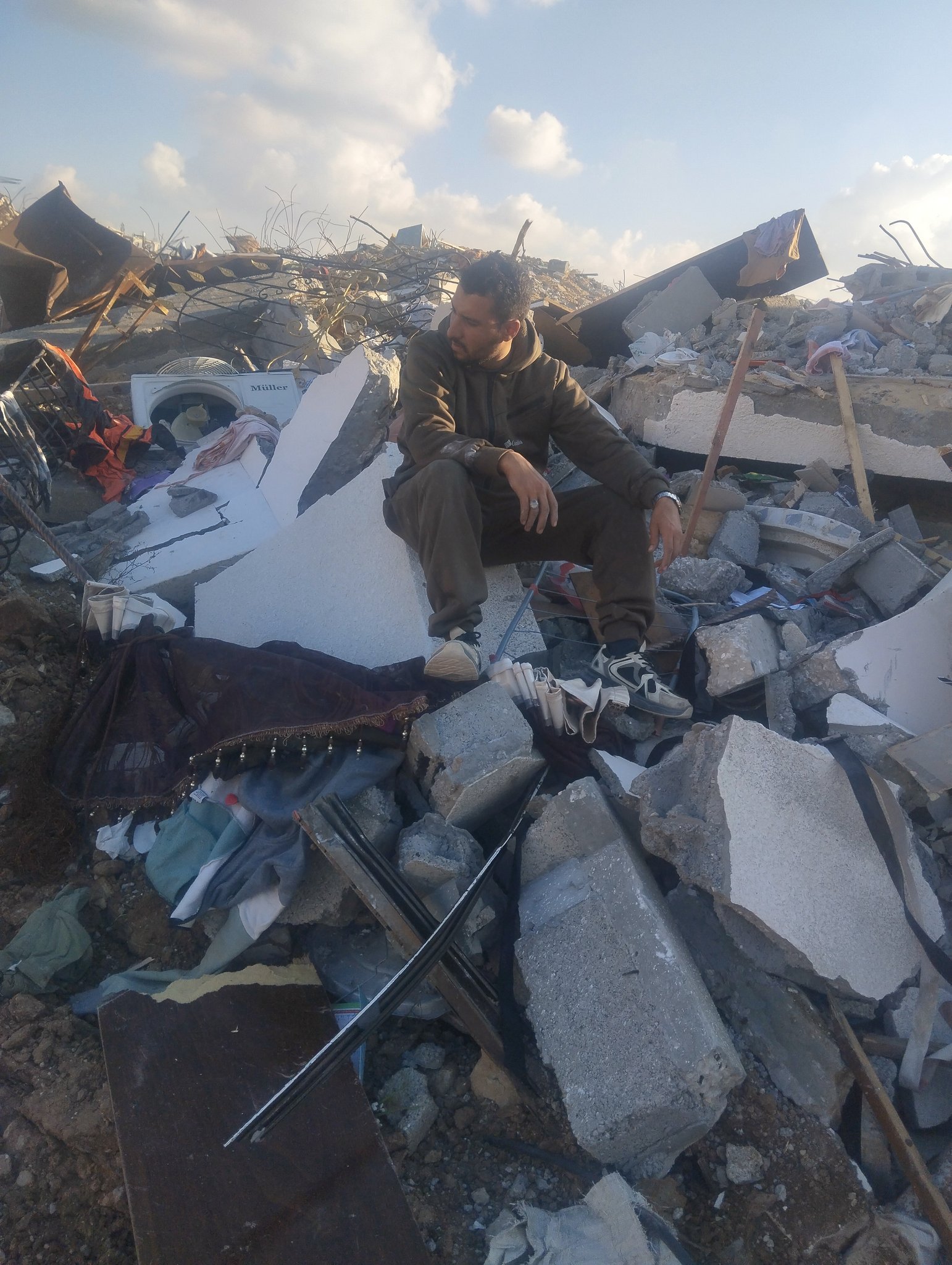
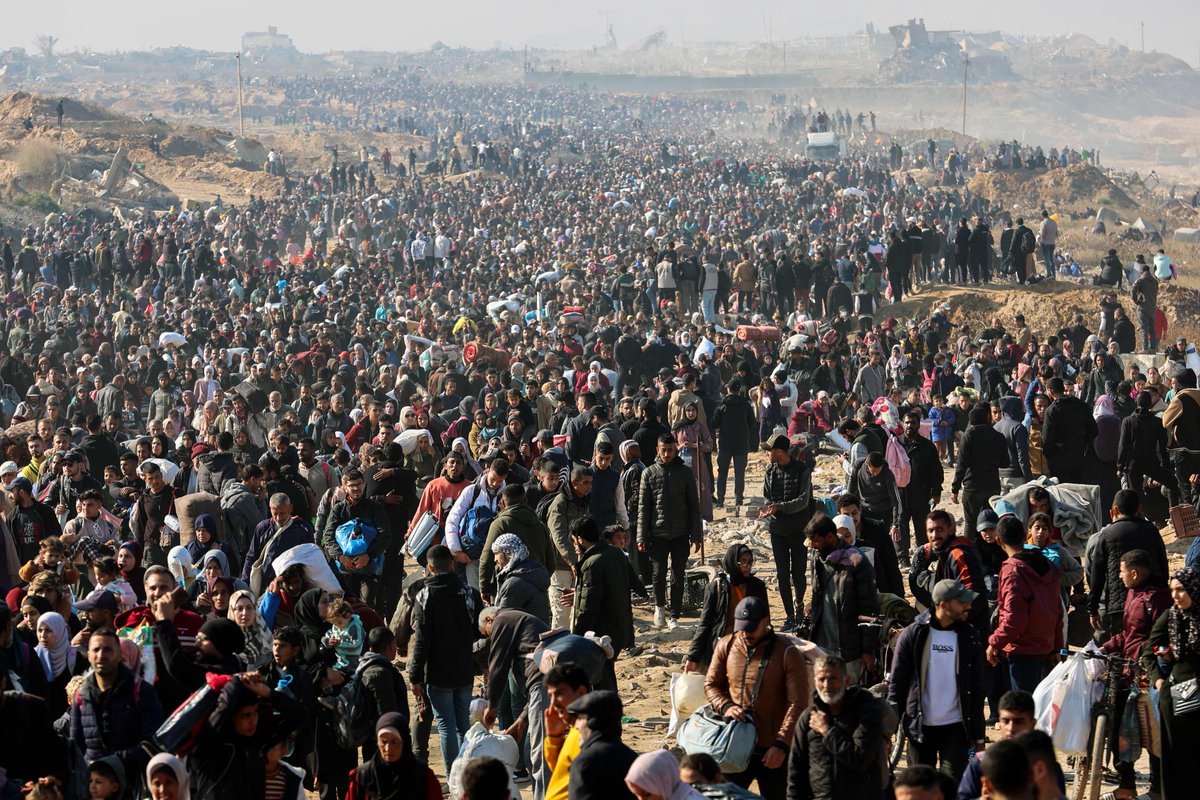
After preliminary assessments of the robot attacks, Euro-Med Monitor estimates that each robot can completely or partially destroy around 20 housing units. This will soon leave hundreds of thousands of people without homes or shelters, forcing them to flee once again in deadly conditions, without even the bare minimum for survival.
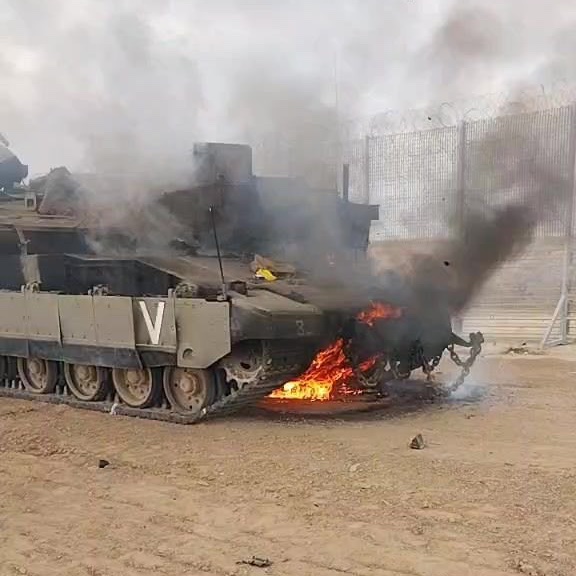
The robots used in the bombing are essentially Israeli military vehicles, such as outdated M113 armoured personnel carriers, loaded with tonnes of explosives and remotely piloted through civilian neighbourhoods. They are directed to explode in carefully selected locations to maximise destruction. In some cases, the robot is not rigged to detonate but is fitted with large boxes of explosives that are unloaded at the target site, after which the vehicle is returned to base for reuse in other operations. This reflects an organised military strategy aimed at systematically destroying residential neighbourhoods and maximising the scale of devastation.
The catastrophic impact of explosive-laden robots extends beyond the physical destruction of residential neighbourhoods to the systematic use of psychological terror against civilians. The Israeli army deliberately detonates most of these robots late at night or at dawn to spread fear and panic and force residents to flee. The explosions produce deafening sounds that shake Gaza City, while the remaining buildings shudder under the violent blast waves, deepening the population’s suffering and turning daily life into a constant state of terror and insecurity.
The sound of explosions from these robots often carries beyond the entire Gaza Strip, heard at distances of over 40 km from the blast site. This demonstrates the immense destructive force of such weaponry, which Israel employs to wipe out cities in the enclave.
The international community’s blatant inaction and complicity, together with the refusal of influential states and relevant UN and international bodies to hold Israel accountable, have enabled it to carry out the destruction of Gaza City openly, without even attempting to invoke legal justifications to legitimise the crime.
Such blatancy was illustrated by Israeli Defence Minister Israel Katz’s statement on 22 August, when he declared: “If they [Hamas] do not agree to Israel’s terms, Gaza will become Rafah and Beit Hanoun. Just as I promised – so it will be.”
The first documented use of robots by the Israeli army to destroy residential areas occurred during the two campaigns against the Jabalia refugee camp in the northern Gaza Strip in May and October 2024, before their deployment expanded to other areas across the Strip.
Israel’s use of explosive-laden robots is explicitly prohibited under international humanitarian law, as they are inherently indiscriminate weapons incapable of accurately targeting military objectives. Their wide-area explosive effect directly and indiscriminately impacts civilians and civilian objects, in blatant violation of the principles of distinction and proportionality, which form fundamental pillars of international humanitarian law.
These weapons fall under the category of prohibited arms, and their use in populated areas constitutes both a war crime and a crime against humanity, as they cause widespread killing, forced displacement, and deprivation of basic living conditions as part of a systematic or widespread attack on the civilian population.
Moreover, the systematic use of such robots, as currently practised to destroy residential neighbourhoods and strip residents of their homes and livelihoods, makes them a direct tool for committing genocide. This pattern of destruction clearly falls within the acts defined in the Genocide Convention, specifically the intentional infliction of conditions of life calculated to bring about the destruction of the group, in whole or in part.
The use of these destructive methods, primarily robots, not only causes loss of life and forces residents into deadly displacement but also seeks to obliterate residential neighbourhoods and infrastructure entirely, erasing any possibility of life in Gaza City and undermining Palestinians’ future, along with their inherent right to remain on their land and return to their homes.
Explosive-laden robots are only one of the methods used by the Israeli army to wipe out cities in the Gaza Strip. They form part of a broader arsenal of destructive tools, including aerial bombardment with missiles and heavy bombs, continuous artillery shelling, the dropping of bombs and explosive packages from drones, the deliberate booby-trapping and detonation of buildings, and the use of military and civilian bulldozers to raze structures or what remains of them.
More than one million Palestinians in Gaza City face an existential threat as Israeli destruction, starvation policies, and forced displacement persist, amid the international community’s unjustifiable silence on this unprecedented crime.
The UN General Assembly must urgently act under Resolution 377 (V) “Uniting for Peace”, which authorises it to address situations where the Security Council fails to act due to a lack of unanimity among its five permanent members. Under this resolution, the General Assembly may issue recommendations to UN member states for collective measures to ensure the restoration of international peace and security.
The General Assembly must urgently act under the aforementioned resolution to establish and deploy an international peacekeeping force in the Gaza Strip. This step is necessary to end crimes against civilians, guarantee their protection, secure unhindered access to humanitarian aid, safeguard medical and relief facilities, and stop the systematic targeting of such facilities. Activating this mechanism is both a legal and moral duty of the international community to protect over two million people in Gaza from ongoing genocide and grave violations.
All states, individually and collectively, must fulfil their legal obligations and act urgently to stop this genocide in Gaza, taking every feasible measure to protect Palestinian civilians there. They must enforce Israel’s adherence to international law and the rulings of the International Court of Justice and hold Israel accountable for its crimes against Palestinians.
Israel must be held accountable for its crimes against Palestinians before both international and national courts. This includes, without waiver, enforcing the arrest warrants issued by the International Criminal Court for the Israeli Prime Minister and former Minister of Defence at the earliest opportunity and surrendering them to international justice to stand trial for crimes against humanity and war crimes committed against Palestinians in the Gaza Strip, including killing, persecution, other inhumane acts, and the use of starvation as a method of warfare.
The international community must also impose economic, diplomatic, and military sanctions on Israel in response to its systematic and grave violations of international law. This includes banning weapons exports to Israel and halting arms purchases from it; suspending all forms of political, financial, and military support and cooperation; freezing the assets of officials involved in crimes against Palestinians or inciting such acts; and imposing travel bans on them. Moreover, trade privileges and bilateral agreements that grant Israel economic advantages, enabling it to commit crimes, must be suspended.