Ceasefire Gaza: Israel Maintains Grip on The Ruined Strip

Despite the declaration of a ceasefire on 19 January 2025, Israel continues to commit genocide in the Gaza Strip by denying Palestinians the basic necessities for survival and imposing conditions of life calculated to bring about their physical destruction.

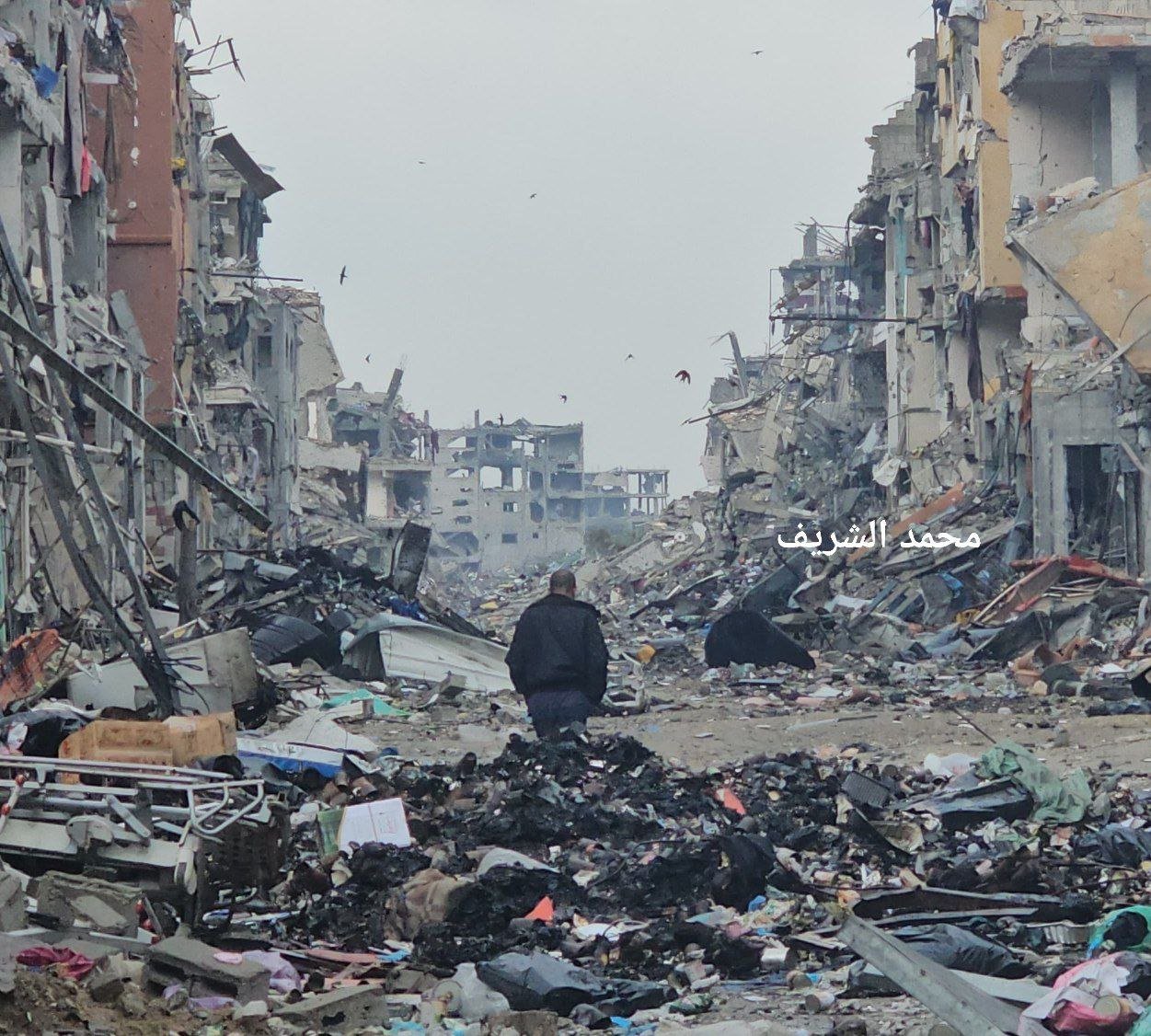
Israel is not content with the mass killings and devastation it inflicted on Gaza over the past 15 months. Now, it is enforcing measures to effectively kill the population through an illegal, total siege that blocks the flow of basic supplies and humanitarian aid, prevents the repair of essential infrastructure, and denies services indispensable for survival.

Israel is fully aware of the catastrophic impact of its unlawful actions on Palestinians in Gaza, including the severe and lasting consequences for marginalized communities and people with critical medical conditions. Yet, in the absence of meaningful international pressure to end its ongoing crimes, these violations continue unabated.

Although the mass killings in Gaza have halted since the ceasefire, Israeli occupation forces continue to kill Palestinians without legal grounds, using false justifications.

Euro-Med Monitor has documented the killing of at least 110 Palestinians since the ceasefire, with an average of about six deaths per day. These victims include both new fatalities, killed directly by the IOF, and individuals who succumbed to their prior injuries after Israel denied the right to travel abroad for treatment. Additionally, 901 Palestinians have been injured since the ceasefire, averaging 47 injuries per day.

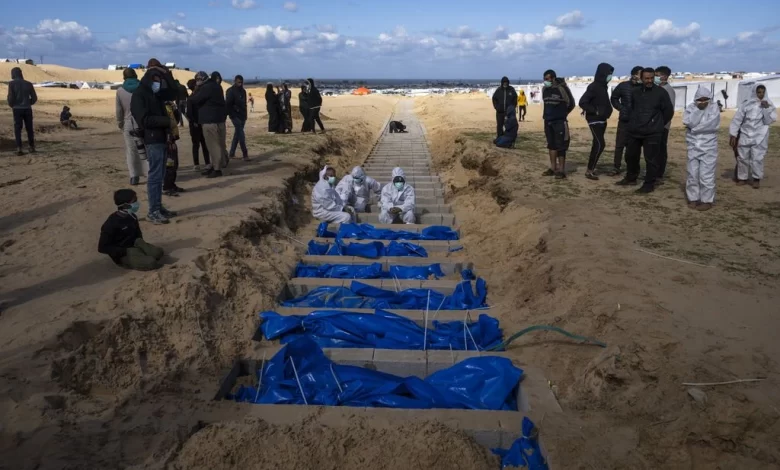
Thousands remain missing beneath the rubble, yet recovery efforts are still hampered by Israel’s deliberate delays in allowing the necessary equipment into the enclave. Recovery operations are currently being carried out with manual tools or basic equipment that is not suitable for dealing with thousands of tonnes of rubble. As of right now, 571 dead bodies have been recovered in the Strip, at a rate of 30 per day.

Since the ceasefire, only a handful of injured and ill Palestinians from Gaza have been permitted to travel abroad for treatment, leaving thousands at risk of death due to Israel’s ongoing denial of their right to receive treatment.

In addition to ensuring a severe shortage of specialised medical personnel, generators, fuel, and oxygen stations, Israel has obstructed the rehabilitation of destroyed hospitals and blocked the entry of medical supplies, medications, and equipment.

Further, in addition to blocking equipment needed for maintenance and restoration, the ongoing and illegal restrictions by Israel are preventing the entry of temporary shelters, tents, and basic supplies for the hundreds of thousands of Palestinians whose homes it has destroyed. This has worsened their suffering under harsh weather conditions, as there are no adequate shelters available because Israel demolished most of the homes and shelters in the Strip.

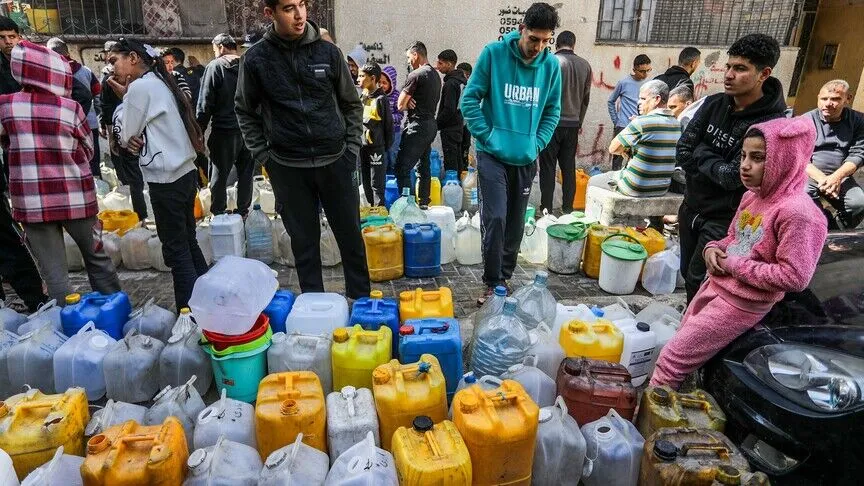
Israel is deliberately obstructing the restoration of essential infrastructure, including water and sewage systems, endangering civilian lives and worsening environmental and health crises.

Israel also imposes strict restrictions on essential food production supplies, threatening large-scale famine in Gaza. Food stocks are depleting, and residents are unable to farm, fish, or secure food for their families. Through these measures, Israel seeks to make the Palestinian population entirely dependent on its decisions regarding humanitarian aid,  which has become the remaining primary source of food for the people of Gaza.

The conditions imposed by Israel deliberately create living circumstances aimed to destroy the Palestinian population in Gaza, particularly when considered in the context of the widespread poverty, destruction, hunger, malnutrition, and the health and environmental disasters resulting from Israeli military actions since October 2023.

These actions violate Israel’s obligations under international humanitarian law and human rights law, including its duties as an occupying power to provide for the basic needs of the population. They also violate the rulings of the International Court of Justice, which require Israel to take prompt, decisive action to enable the delivery of humanitarian aid and urgent basic services to alleviate the dire circumstances that Palestinians in the Gaza Strip face.

According to the 1948 Convention on the Prevention and Punishment of the Crime of Genocide, which forbids imposing living conditions on a group with the intent to destroy it in whole or in part, Israel’s policy is nothing more than a consecration of the crime of genocide. Despite the ceasefire, Israel has not fundamentally changed its behaviour and policy to undo the devastating conditions it has imposed on the Palestinians in Gaza. Instead, Israel has continued to create conditions that are likely to ultimately result in the physical destruction of the Palestinian people, given the effects of its actions on all facets of their lives and the length of time they have endured these conditions.

In addition to taking effective measures to protect Palestinians from plans for forced displacement and slow killing, immediate international action is required to stop the crime of genocide in the Gaza Strip and to appropriately address the immediate needs of the population. As a critical part of ensuring their survival and dignity, adequate temporary housing must be provided to the Strip’s residents.

The entry and access of humanitarian aid should be guaranteed, along with the removal of any restrictions or blockades preventing the civilian population from receiving relief, hospital services, and access to water and education. The consideration of the needs of women, children, and members of the most vulnerable groups must also be guaranteed, as well as the prompt reconstruction of Gaza’s basic infrastructure; provision of social and psychological support to address the devastating psychological effects of the conflict, particularly on children and attack survivors; and the imposition of genuine pressure to lift the blockade imposed on the Strip so that the Palestinian people can reclaim their lives and human dignity.

The international community and the United Nations must act urgently to hold Israel accountable for its ongoing crimes against Palestinians. This includes enforcing effective sanctions, halting all military, financial, and political support, and immediately suspending all arms sales, transfers, and purchases, including export licenses and military aid. Israel must be held accountable at all levels, both domestically and internationally. Additionally, the International Criminal Court’s arrest warrants against the Israeli Prime Minister and former Defence Minister must be executed without delay and brought before international justice.

Continue reading
After 40 Days What Happened to Dr Abu Safiya?

Al-Mezan Organization stated that the Israeli occupation has lifted the ban preventing Dr. Hussam Abu Safiya from meeting his lawyer after 40 days of detention without legal counsel. Dr. Hussam Abu Safiya was abducted by the Israeli army from Kamal Adwan Hospital in northern Gaza and was reportedly tortured and mistreated in various Israeli detention centers.

Continue reading
Israel Hides True Soldier Deaths, Injuries

The discrepancy between the number of Israeli soldiers killed and wounded during the genocidal war on Gaza and the official casualty figures reported by the army shows that the Tel Aviv regime is concealing the true extent of its losses in the Strip.

Speaking at Work Programs Conference of the ministry of military affairs on Sunday, Israel’s newly appointed chief of staff Major General Eyal Zamir admitted that the number of Israeli soldiers killed and wounded in Gaza is significantly higher than what the army has officially reported.

The Israeli military asserts that 844 soldiers have lost their lives and 5,696 have sustained injuries since the onset of the bloody Gaza onslaught on October 7, 2023.

In contrast, Zamir stated that there are a minimum of 5,942 officially recognized “bereaved families” – a designation used exclusively for the families of soldiers killed in action.

He also revealed that over 15,000 soldiers have been admitted to the rehabilitation system due to physical injuries and mental health problems, reinforcing assumptions that Israel has been deliberately underreporting its military losses as reported in PressTV.

This is not the first time that the actual casualties and damages sustained by the Israeli army far exceed the official figures.

Back in December last year, Haaretz reported that while the Israeli army claimed only 1,593 soldiers were wounded between October and December, hospital records showed the actual number was 10,548.

The newspaper had earlier exposed that about 1,000 wounded soldiers were being admitted to rehabilitation centers every month.

Israel’s genocidal war on Gaza has led to the death of at least 47,583 Palestinians, mostly women and children, and injury of 111,633 others since early October 2023.

A ceasefire and prisoner exchange agreement went into effect in Gaza on January 19, halting Israel’s aggressive campaign against the coastal region.

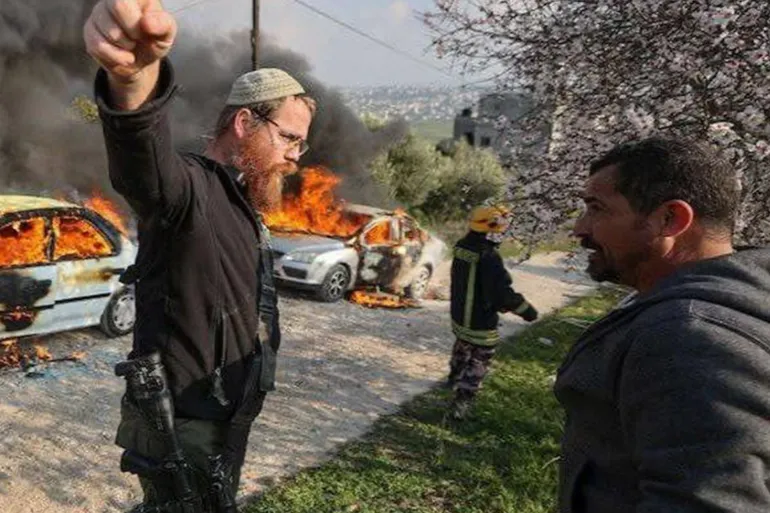
Since the beginning of Israel’s onslaught against Gaza in October 2023, at least 905 Palestinians have been killed across the occupied West Bank in attacks by Israeli forces and settlers.

Continue reading
Aid, Urgency and Rebuilding Gaza

The UN World Food Programme (WFP) on Thursday called for urgent action to rebuild Gaza and increase international support to boost humanitarian assistance.

WFP Deputy Executive Director Carl Skau appealed for an increase in international support to boost humanitarian assistance for millions of people in Gaza as they seek to rebuild their lives.

Saying that WFP has sent in more than 15,000 tons of food since the ceasefire began on Jan. 19, he noted that it is not enough.

“This is a strong step in the right direction but it is not enough,” Skau said in a statement following his two-day visit to Gaza.

“The scale of the needs is enormous and progress must be maintained. The ceasefire must hold. We cannot go back.”

While it is too early to focus on recovery, Skau stated that it is critical that WFP and the entire humanitarian community assist Gazans to become self-sufficient and boost their long-term resilience against hunger.

“The people of Gaza are unique in their strength, resilience and capacity to rebuild,” he said.

He went on to say that international assistance should increasingly be geared towards supporting them in their first steps towards rebuilding their lives which requires funding.

“We call on the international community and all donors to continue supporting WFP’s life-saving assistance at this pivotal momen,” according to Anadolu.

Continue reading
US Officials Downplay Trump’s Gaza Proposal as Unvetted Ideas

US President Donald Trump’s abrupt announcement proposing that the US take “ownership” of the Gaza Strip – battered by a 15-month Israeli offensive – has left senior officials, foreign counterparts, and political observers perplexed, press reports said on Wednesday.

While Trump presented the idea as a formal initiative, advisors and insiders described it as underdeveloped and lacking the necessary planning to make it a viable policy, according to The New York Times. During his first term, Trump was also known for presenting unvetted ideas as policy, leaving his aides scrambling to justify what the president unexpectedly said.

During a joint press conference with Israeli Prime Minister Benjamin Netanyahu, Trump read his proposal from a prepared statement, but sources within the administration said the plan had not been discussed in any formal capacity.

“There had been no meetings, no interagency consultations, no feasibility studies – nothing,” one senior official familiar with the matter was quoted by The New York Times as saying.

Idea without foundation

The lack of preparation behind the announcement was obvious, according to the Times.

Officials from the Pentagon and State Department – critical stakeholders in any foreign policy initiative of this magnitude – were not consulted.

There were no assessments of the military or financial requirements needed to implement such a plan, nor any evaluations of its legal or diplomatic implications.

The announcement also caught Netanyahu off guard.

According to individuals briefed on the matter, Trump told the Israeli leader of the proposal just minutes before their public appearance.

While Netanyahu appeared pleased during the press conference, the broader international response has been far cooler, and even hostile.

The announcement was met with immediate opposition from key US allies in the Arab world, including Saudi Arabia.

Critics highlighted several glaring questions left unanswered by Trump’s proposal.

These include the logistics of removing Palestinian group Hamas, clearing unexploded ordnance, rebuilding Gaza’s infrastructure, and justifying such an action under international law.

There are also concerns about the fate of the some 2 million Palestinians living in Gaza, their home.

Trump suggested that residents could be relocated temporarily to neighboring countries such as Jordan or Egypt, but both nations have already rejected the proposal.

In his remarks, Trump claimed Palestinians would be eager to leave Gaza due to its uninhabitable conditions, a statement that drew further criticism for its tone and feasibility.

Trump is known for vaguely citing people said to hold certain opinions to justify a course of action he has decided upon.

Contradictions, mixed messaging

In a bid to clarify the president’s remarks, White House press secretary Karoline Leavitt downplayed the scope of the proposal, stating that Trump was merely seeking temporary solutions involving regional partners.

However, Trump’s comments during the announcement, including his willingness to put “boots on the ground” (soldiers) if necessary, signaled a far more ambitious and interventionist approach, according to The New York Times.

Senior administration officials have struggled to defend the proposal.

National Security Adviser Mike Waltz, speaking on CBS News, described the plan as a collection of “concepts” rather than a fully formed policy.

“The fact that nobody has a realistic solution, and he puts some very bold, fresh new ideas out on the table, I don’t think should be criticized in any way,” Waltz said.

He added that Trump’s announcement could spur other nations in the region to develop their own solutions if they find his proposal not to their liking.

Critics raise alarms

Many experts and former officials have dismissed the idea as implausible and dangerous.

Daniel B. Shapiro, a former US ambassador to Israel, described the proposal as “not serious” and warned it could worsen tensions in an already volatile region.

“The danger is that extremists within the Israeli government and terrorists of various stripes will take it literally and seriously, and start to act on it,” Shapiro said.

He also cautioned that the plan could jeopardize the ongoing release of hostages under the current ceasefire deal and undermine efforts toward normalization between Israel and Saudi Arabia.

Senior officials within the administration privately expressed similar reservations, calling the proposal a “fantastical event” born out of Trump’s ad hoc approach to foreign policy.

One advisor suggested that the plan would likely fade away as its practical challenges grow more and more apparent.

Trump’s approach to Gaza is consistent with his broader foreign policy style, which often frames international relations as transactional deals.

During his presidency, he has proposed similar ideas, including purchasing or otherwise acquiring Greenland, reclaiming the Panama Canal, and treating Canada as a potential 51st state.

His critics argue that such proposals lack serious consideration of geopolitical realities and international norms.

Trump’s vision for Gaza reflects his background as a real estate developer, viewing the region’s challenges as opportunities for reconstruction and investment.

His Middle East envoy, Steve Witkoff, also comes from a real estate background and reportedly influenced Trump’s thinking after visiting Gaza and witnessing the dire conditions in the war-battered enclave firsthand.

But David Friedman, who served as Trump’s ambassador to Israel, praised the proposal as “out of the box” thinking.

“It’s brilliant and creative,” Friedman said, while acknowledging the immense challenges involved.

“After 15 years of rebuilding, it could be a market-driven process,” he added, referencing Gaza’s potential as a waterfront destination according to Anadolu.

Broader implications, future steps

Despite the skepticism surrounding the plan, Trump’s announcement has already sparked debate among policymakers and international observers.

Supporters argue that it could serve as a catalyst for alternative solutions to the Gaza crisis, while critics warn of the risks associated with floating such half-baked idea.

The proposal’s timing also raises questions, given Trump’s ongoing efforts to reshape US foreign policy.

His administration has faced criticism for reducing the role of the US Agency for International Development (USAID) and other agencies responsible for humanitarian and development assistance.

Observers pointed to contradictions between his stated goals and his administration’s actions.

As the discussion around Gaza evolves, the lack of detailed planning behind Trump’s proposal underscores the challenges of addressing one of the world’s most complex conflicts.

Whether the idea gains traction or fades away quietly, its announcement highlights the unpredictable nature of Trump’s presidency and its impact on global diplomacy.

Proposal

At a news conference on Tuesday with Israeli Prime Minister Benjamin Netanyahu, Trump said the US “will take over the Gaza Strip, and we will do a job with it too,” and that if necessary, US troops would be sent in to turn it into “the Riviera of the Middle East.”

​The controversial announcement sparked global outrage, with many Arab, European, and African countries, as well as the Organization of Islamic Cooperation, issuing statements condemning the proposal.

Trump first triggered an uproar last week by suggesting that Palestinians in Gaza should be relocated to Jordan and Egypt, calling the enclave a “demolition site” after Israel’s 15-month war that has claimed more than 47,500 lives. A ceasefire that took hold on Jan. 19 is currently in place.

The International Criminal Court (ICC) issued arrest warrants in November for Israeli Prime Minister Netanyahu and his former Defense Minister Yoav Gallant for war crimes and crimes against humanity in Gaza.

Israel also faces a genocide case at the International Court of Justice for its war on the enclave.

Continue reading