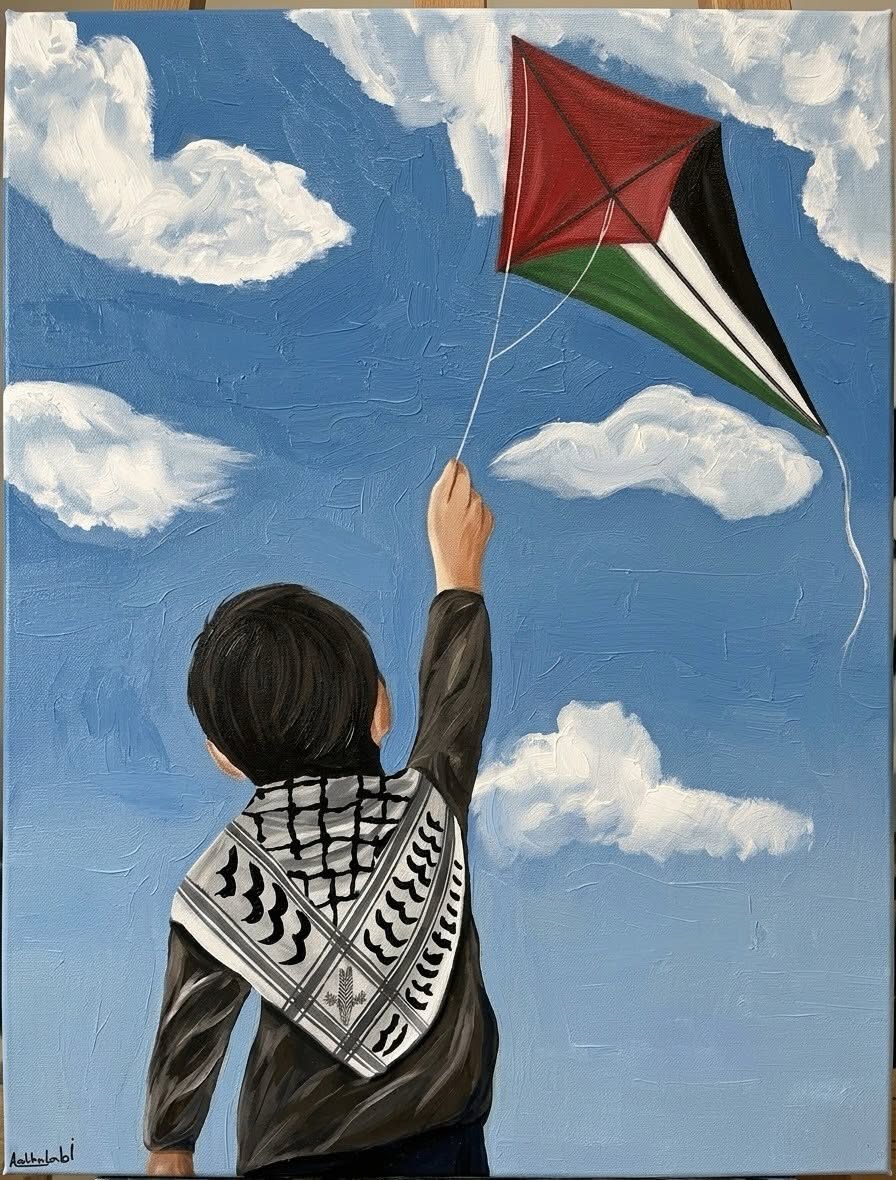
Japan May Take War-Injured Gazans

Japanese Prime Minister Shigeru Ishiba said his government is considering offering medical support in Japan to Palestinians from the Gaza Strip, local media reported.

“We’re making efforts to find ways to accept people in Japan who have fallen ill or been injured in Gaza,” Ishiba told a parliamentary session, according to Kyodo News Agency.

He added that Japan will also try to launch a special program for Palestinian students to study at Japanese universities.

Last month during a visit to Malaysia, Ishiba said his country would facilitate the development of Palestine.

Later, Malaysian Prime Minister Anwar Ibrahim said his government will establish a fund along with Japan to build hospitals, schools and mosques in Gaza which have been destroyed by Israel’s genocidal war since October 2023.

A ceasefire agreement between the Palestinian group Hamas and Israel took hold in Gaza on Jan. 19, halting the war, which has caused widespread destruction and left the enclave in ruins.


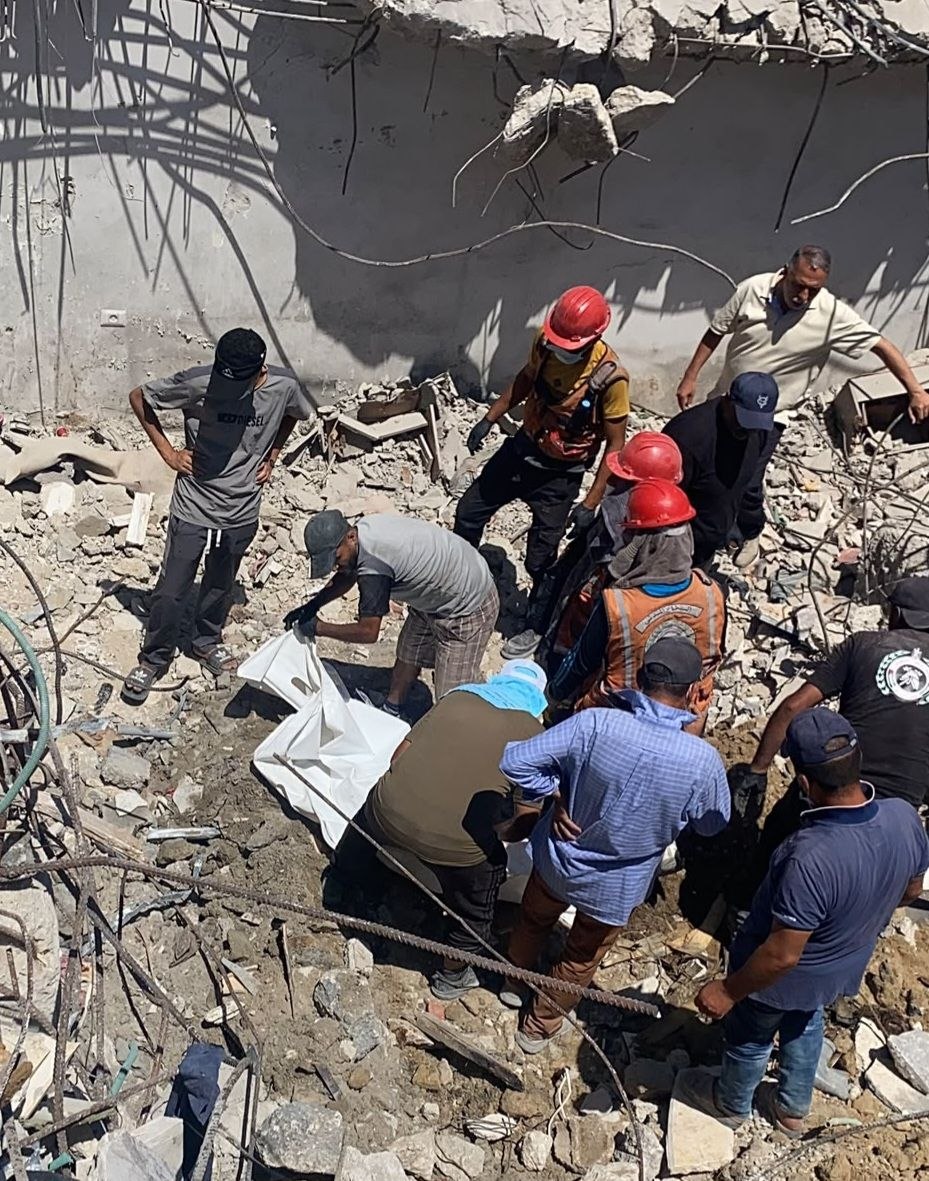
Israel’s genocidal war has killed more than 47,500 Palestinians, most of them women and children, and injured over 111,600 since Oct. 7, 2023.


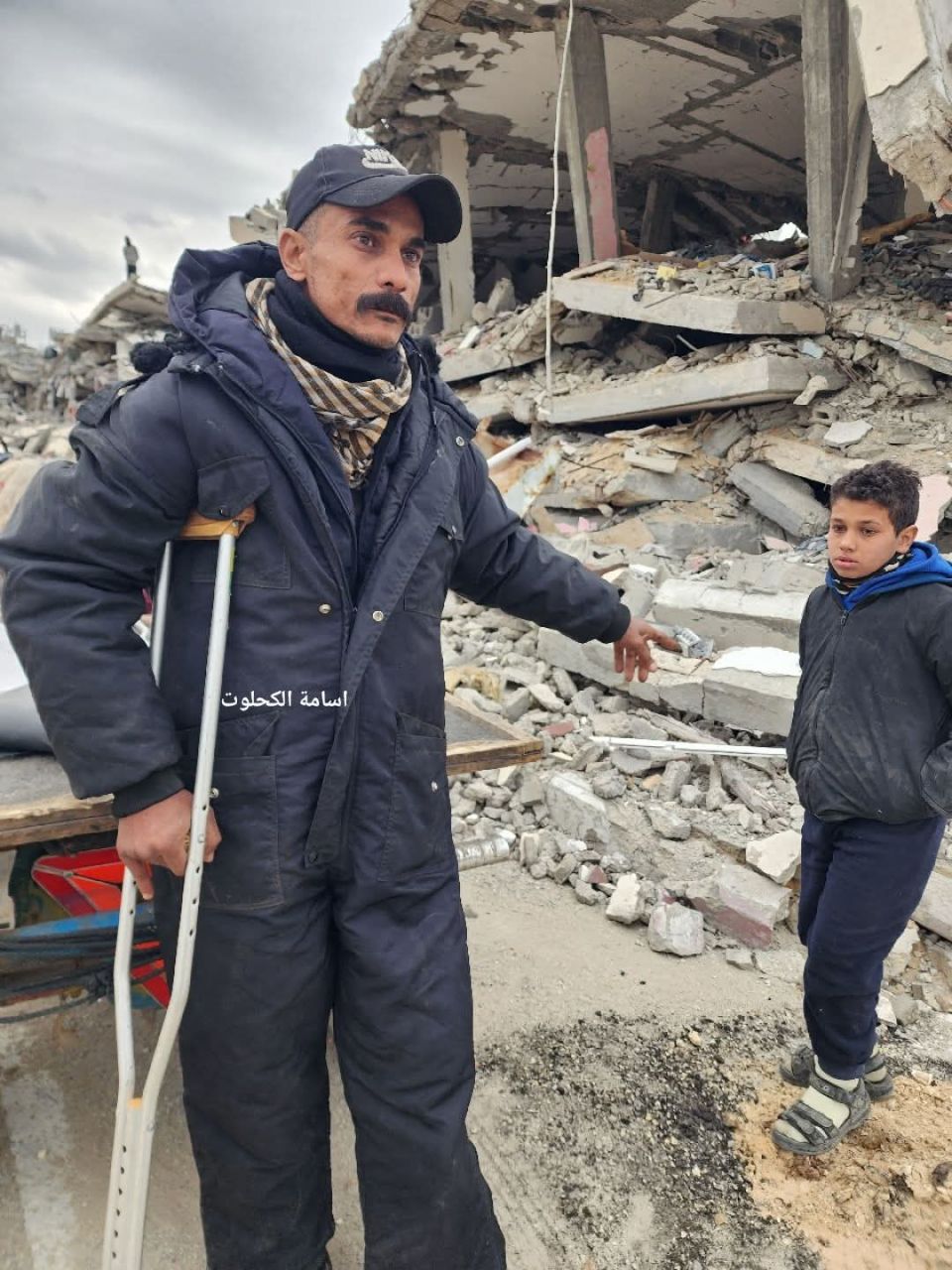
The Israeli onslaught on Gaza has left more than 11,000 people missing, with widespread destruction and a humanitarian crisis that has claimed the lives of many elderly people and children in one of the worst-ever global humanitarian disasters.


The International Criminal Court issued arrest warrants in November last year for Israeli Prime Minister Benjamin Netanyahu and his former Defense Minister Yoav Gallant for war crimes and crimes against humanity in Gaza.

Continue reading
Jordan, Trump and The High Stakes of Politics

The recent remarks by US President Donald Trump suggesting the displacement of Gaza’s residents to Egypt and Jordan as a “practical solution” for Gaza’s reconstruction carries significant risks. This proposal not only overlooks the fundamental complexities of the issue, from the acceptance of displacement by Gaza’s residents to the logistical feasibility of relocating populations and securing the consent of all involved parties, but also reveals that forced displacement appears to be Trump’s primary solution, one that the region may have to contend with for years to come.

It is essential to remember that we are observing Trump in the early phases of his political return. He is eager to present himself as a strong and decisive leader capable of imposing solutions, even if they appear coercive. However, as with many theoretical ideas that seem simple at first glance, the real challenge lies in their practical implementation.

We are living through an unprecedented era. The events following October 7 have fundamentally altered the region. Gaza is witnessing destruction on a scale it has never seen before. Amid this devastation, Israel appears to be betting on worsening the humanitarian crisis, hoping to make life in Gaza unbearable for its residents. This coincides with difficulties in finding realistic reconstruction solutions or even implementing humanitarian relief efforts that adequately respond to the scale of the disaster. 

Israel’s strategic vision is focused on achieving demographic displacement in Gaza and redrawing its geographic landscape. These goals might seem attainable if the crisis continues, and the humanitarian catastrophe deepens. What is alarming, however, is that proposing Jordan as an option in this context may implicitly lay the groundwork for considering it a destination for displaced Palestinians from the West Bank as well, should this theory of forced displacement extend beyond Gaza. 

Indeed, Israel is actively pursuing this scenario by seeking to reshape the geography of the West Bank through dismantling densely populated areas, such as the refugee camps in Jenin, Nablus and Tulkarm. This objective aligns with the vision of the Trump administration, which supports Israel’s ambitions under the framework of “Judea and Samaria.” Neither Egypt nor Jordan has had sufficient opportunity to directly engage with the US administration to present alternatives or explain the security, economic, and political risks associated with these proposals. 

Jordan’s strategic response should focus on warning against these scenarios while presenting viable alternatives. Highlighting the potential shocks these steps could inflict on a key ally like the United States is crucial. Additionally, Jordan has several cards to play, particularly in the economic domain. These include regional energy projects, development initiatives, and the reconstruction of Syria. Such endeavours could offer the US tangible benefits across multiple fronts, forming the foundation for alternative approaches. 

In short, navigating Trump’s looming flood of proposals requires a nuanced understanding of American perspectives and avoiding direct confrontation whenever possible. At the same time, Jordan must strengthen its position with robust Arab support. Elevating strategic relations with Saudi Arabia is particularly crucial, given its dominant role in the current and upcoming phases and its centrality to Trump’s economic and political ambitions, including regional peace efforts. 

Nevertheless, Israeli Prime Minister Netanyahu’s visit to Washington may signal a new escalation in the region. The Gaza conflict remains unresolved, and tensions in the West Bank and Lebanon persist. If the conflict extends further to Iran, a broader escalation could stretch from Iraq to Iran, potentially resulting in the imposition of forced displacement as a grim humanitarian reality, especially if violence escalates once again in Gaza and intensifies in the West Bank.

Dr Amer Al Sabaileh is a professor and a columnist at the Jordan Times

Continue reading
To Piers Morgan: How Can The Killing of Women Children Be Justified as a ‘Moral Right’

British broadcaster and journalist Piers Morgan said Israel’s killing of Palestinian civilians in Gaza, including women and children, could be justified as a “moral right.”

In an interview this week with journalist Tucker Carlson on a rooftop in Saudi Arabia’s capital, Morgan discussed several topics, including the Israeli assault in Gaza and whether the U.S. should be funding it.

Carlson condemned Israel’s bombardment of civilians for over a year, which Morgan questioned as he said such bombing ‘wasn’t evil.’

Carlson said: ‘If you’re intentionally killing civilians, you probably shouldn’t beat your chest and brag about it… maybe you can make the case that you had to do it, but you should weep.’

‘Is it evil though?’ Morgan responded, to which Carlson argued: ‘To kill civilians on purpose? I think it is. Kids and children? Yeah.’

Morgan said he could see there being a ‘moral right’ to civilian deaths in wartime, saying: ‘If there is a world war that threatens the entire world, yes.’

When Carlson called his view ‘disgusting’, he walked back and said it could be justified ‘in a pure defensive action’ as the two journalists sparred over the assault.

‘To intentionally kill noncombatants, women and children, I think we can say that’s wrong,’ he concluded.

The two journalists moved onto the issue of whether the US should continue funding Israel’s assault in Gaza, after former President Joe Biden sent at least $17.9 billion in military aid since the start of the Israeli genocide in October 2023.

After Carlson repeated his calls for the US to stop supplying aid to Ukraine in its conflict with Russia, Morgan questioned: ‘Why do you support Israel against Hamas? Why do you support giving them billions of dollars?’

‘I don’t,’ Carlson snapped back.


‘I support Israel in the sense that I really like Israel, I brought my family on vacation there… but (I support Israel) only to the extent that it helps the United States.’

Morgan said this was a hypocritical stance given his criticism of aid to Ukraine, saying his support merely ‘depends on which country’.

‘I don’t see a difference between (Israel’s bombing of Gaza) and what is happening in Ukraine,’ Morgan continued.

‘This is a long way away from America, there is no direct involvement with America or no mainland involvement, and yet you think it’s right that America supports Israel, but you don’t think it’s right that America supports Ukraine.’

Fifteen months of Israeli bombardment have reduced buildings to rubble and ash, leaving large areas of Gaza uninhabitable. More than 47,400 Palestinians were killed during the Israeli assault, with 70 percent of the victims being women and children, according to Gaza’s Health Ministry.

Continue reading
Cairo Plans to Rebuild Gaza Without Displacing Palestinians

Egypt said Sunday that it has a “clear vision” regarding the reconstruction of the war-torn Gaza Strip without displacing Palestinians from the territory.

“The Egyptian efforts regarding Gaza are ongoing and will not stop with regard to implementing the specific requirements of the ceasefire agreement in its three stages,” Foreign Minister Badr Abdelatty told a news conference in Cairo with his Djiboutian counterpart Mahamoud Ali Youssouf.

“We have a clear vision for rebuilding the Gaza Strip without any citizen leaving his land,” he added.

Trump suggested last weekend that Palestinians in Gaza should be relocated to Egypt and Jordan, calling the enclave a “demolition site” after Israel’s war. His proposal, however, was vehemently rejected by Cairo and Amman.

A six-nation Arab ministerial meeting in Cairo on Saturday firmly rejected Palestinian displacement from Gaza and renewed calls for implementing a two-state solution to the Israeli-Palestinian conflict.

Trump’s proposal came after a ceasefire agreement took effect in Gaza on Jan. 19, suspending Israel’s genocidal war that has killed nearly 47,500 people, most of them women and children, and injured over 111,000 since Oct. 7, 2023.


Red Sea

The top Egyptian diplomat said there is no justification for military escalation in the Red Sea after the Gaza ceasefire.

“We stress the need to enhance the security of the Red Sea and freedom of maritime navigation, and we reject any military presence of any country that does not border the Red Sea,” he added.

Tension has begun to ease in the Red Sea after the Gaza ceasefire deal. During the Gaza war, Yemen’s Houthi group carried out drone and missile attacks on Israeli cargo ships or ones linked with Tel Aviv in the Red Sea in a show of support for the Palestinian enclave.

Egyptian President Abdel Fattah al-Sisi met early Sunday with the Djiboutian foreign minister to discuss bilateral cooperation and the latest developments in Somalia and the Red Sea region, the presidency said in a statement.

Tension escalated between Ethiopia and Somalia originated in January 2024, when Addis Ababa signed an agreement with Somalia’s breakaway region of Somaliland to use the Red Sea port of Berbera. Since then, Türkiye has actively mediated to ease tensions between the two nations.

Egypt and Ethiopia are already locked in a decade-long dispute over the construction of a dam project on the Nile River, which Cairo fears will drastically reduce its share from the Nile water. Ethiopia says that the dam is vital for its development process according to Anadolu.

Continue reading
King Abdullah Meets Trump on 11 Feb.

Jordan’s King Abdullah II will meet with US President Donald Trump at the White House on Feb. 11, the royal court said on Sunday.

The visit comes upon an invitation from the US president, it said in a brief statement.

Trump suggested last weekend that Palestinians in Gaza should be relocated to Jordan and Egypt, calling the enclave a “demolition site” after Israel’s war. His proposal, however, was vehemently rejected by Amman and Cairo.

A six-nation Arab ministerial meeting in Cairo on Saturday firmly rejected Palestinian displacement from Gaza and renewed calls for implementing a two-state solution to the Israeli-Palestinian conflict.

Last week, Abdullah had a phone call with Trump, during which he underlined the importance of the US role in achieving peace and stability in the Middle East region according to Anadolu.

Continue reading