Can ‘Realist’ Trump Pull Off Gaza Ceasefire?
 CrossFireArabia
- May 15, 2025
By Michael Jansen
During his ongoing visits to Saudi Arabia, Qatar and the Emirates, US President Donald Trump seeks to focus on business opportunities and investment in the US rather than address the negative political realities to which he contributed during his first term (2017-2021).
At that time, he dismissed the two-state solution in favour of “The Deal of the Century” which would give Palestinians a degree of autonomy within Israel. He defunded UNRWA, recognised Jerusalem as Israel’s capital, moved the US embassy there, and said the US no longer considers Israeli settlements illegal overturning a 1978 policy. The fate of the refugees, Jerusalem, and settlers were meant to be negotiated under the two-state solution by the sides under the 1993 Oslo accord. He closed the US consulate in occupied East Jerusalem which served Palestinians and the PLO office in Washington. Trump recognized Israeli annexation of Syria’s occupied Golan.
Trump began his second term by calling for the expulsion of Palestinians from Gaza which would be redeveloped as a Middle East Riviera instead of exerting pressure on Israel to end the Gaza war and enable its reconstruction. Under Trump’s real estate venture Gazan Palestinians were supposed to settle in Egypt and Jordan, which along with all the Arabs flatly rejected this proposal. Egypt drew up a counterproposal to reconstruct devastated Gaza while its population stays put.
His resort scheme has angered the Arab public from the Gulf to the Atlantic. His call for Saudi Arabia to establish relations with Israel has been rejected as Riyadh has said it will normalise when there is a Palestinian state with its capital in Jerusalem.
Since Trump made Saudi Arabia his first foreign destination in 2017 during his first term, the region has changed significantly by pivoting to the East. Saudi Arabia and the Emirates have cultivated ties with Russia – Riyadh’s partner on oil production and pricing – and China which buys Gulf oil and exports billions of dollars in goods to the Gulf. The Emirates, Egypt and Iran joined BRICS (the grouping of Brazil, Russia, India, China, and South Africa) while Saudi Arabia applied but did not follow through. China mediated Saudi-Iranian reconciliation. This has ended Iran’s isolation in the region.
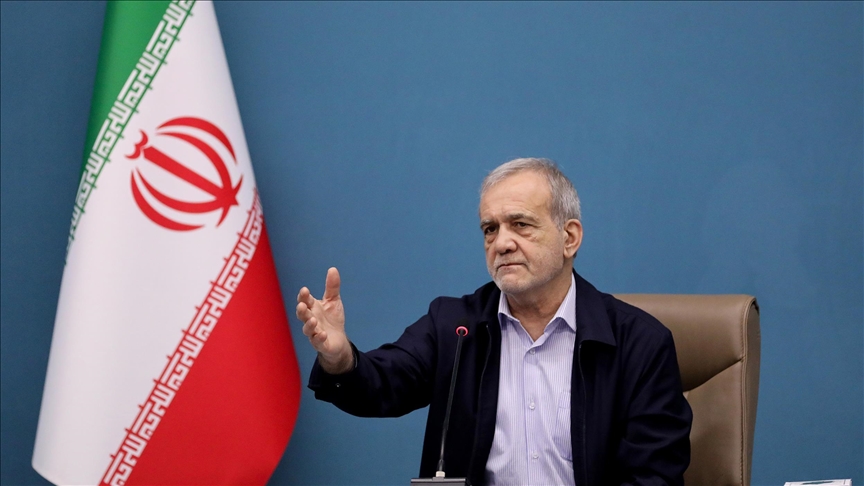
On the positive side, early in this term Trump opened talks with Iran over its nuclear programme to replace the 2015 deal from which he withdrew in 2018. A fifth round of talks is expected. Although Trump wants to be a peacemaker, he has threatened war if the talks fail.
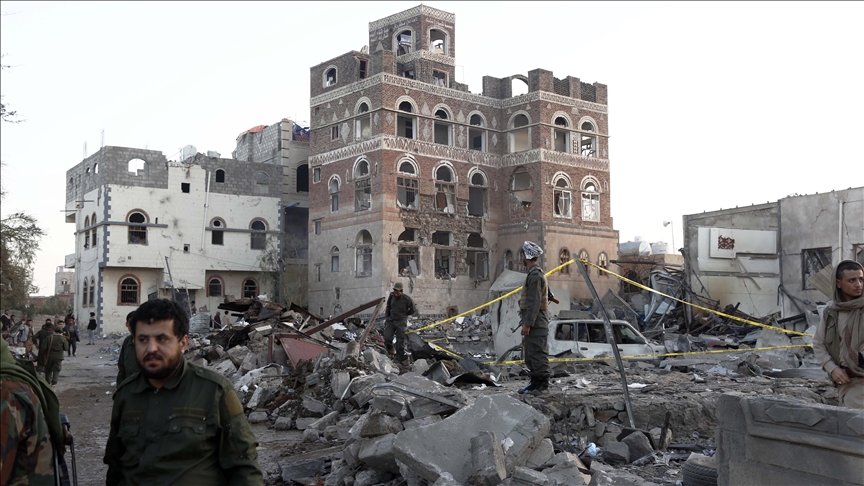
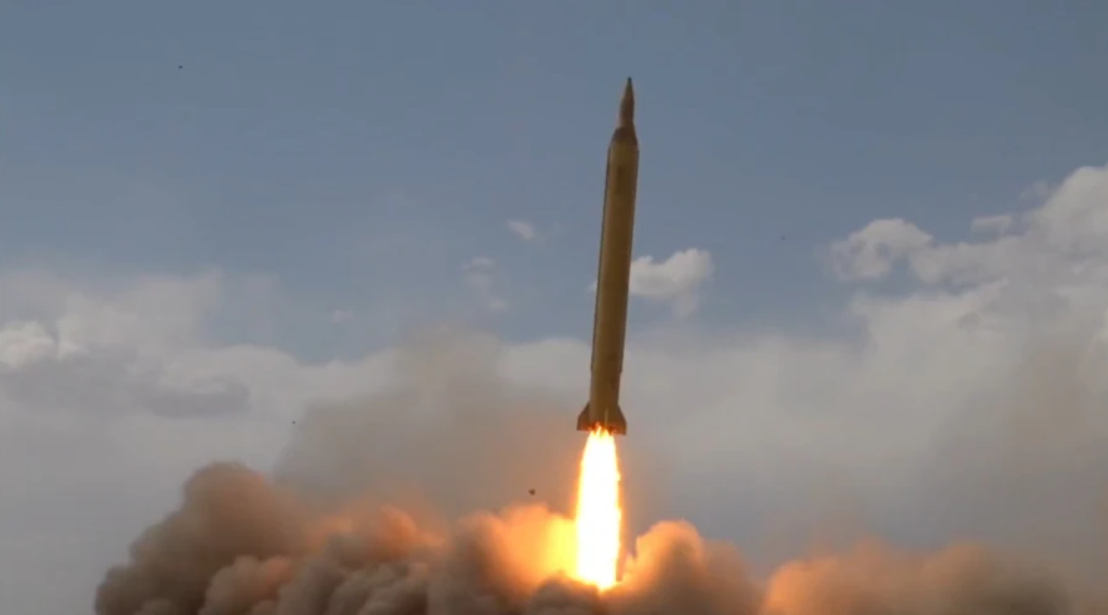
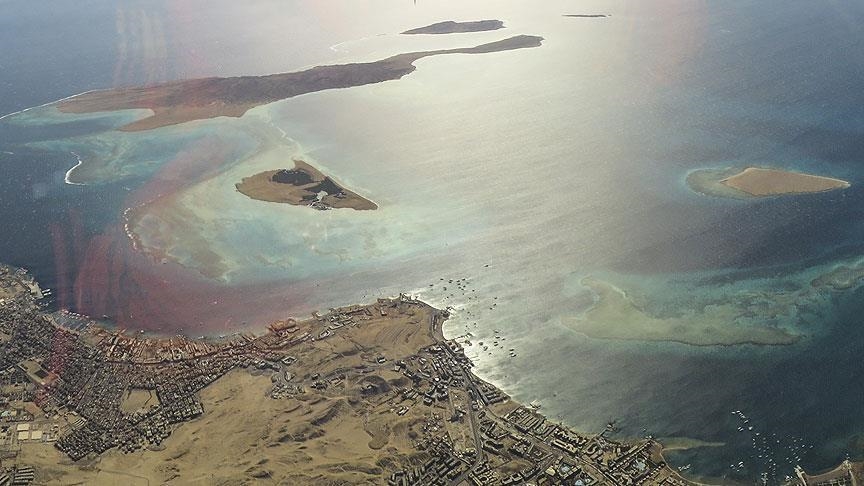
As a peacemaker, Trump bombed Yemen heavily to force Yemen’s Houthis to end attacks on international commercial and naval vessels in the Gulf of Aden and the Red Sea. The Houthis and US agreed to end this confrontation. Trump has not, however, halted Houthi drone and ballistic missile attacks on Israel which the Houthis say will stop if Israel observes a ceasefire or ends the war on Gaza.
Trump has not planned to stop in Israel during this Gulf tour, indicating that there is some distance between him and Israeli Prime Minister Binyamin Netanyahu. He has not only refused to ceasefire in Gaza but also maintained a ten-week blockade of the strip. He could have done both to ease Trump’s swing around the Gulf where Gaza is high on the agendas of the rulers and public. Since Netanyahu has carried on with his Gaza war, Trump has ignored him when resuming talks with Iran on limiting its nuclear programme in exchange for lifting sanctions and agreeing to a ceasefire with Yemen’s Houthi. The ceasefire has been welcomed by Washington’s Arab allies, particularly Saudi Arabia which had been urging an end to US attacks on Yemen before Trump began his tour.
Without Israeli involvement, the US has also negotiated with Hamas over the release on Monday of US-Israeli hostage Edan Alexander. For Trump, this is a greatly desired success in the US. In Israel, families of hostages who are not US-Israel dual citizens fear their relatives will be forgotten by Netanyahu who is determined to not only continue with the war but also to expand it once Trump departs from the region. Hostage families are not alone in their suspicions. A majority (54 per cent) of Israelis said that the war was being driven by personal rather than security reasons. Only 21 per cent agreed with Netanyahu’s prioritisation of eliminating Hamas over rescuing the hostages. A March poll showed 70 per cent of Israelis wanted Netanyahu to resign.
He has adopted this stance for several reasons. First, right-wingers in his coalition have vowed to pull out if he ends the war. Second, once the war is over, Netanyahu will be called upon to account for lax Israeli security in the south where Hamas breached the fence on October 7th, 2023, killed 1,200 Israelis and visitors and abducted another 251. There was no excuse for laxity. Young female Israeli soldiers deployed as “watchers” along that part of the border with Gaza, warned repeatedly that Hamas was conducting drills and manoeuvres ahead of an attack. Their warnings were not taken serioiusly by senior Israeli officers. Some of these women were killed and some captured. Third, as long as the war is being waged, Netanyahu will not have to explain how lightly armed Hamas fighters have managed to carry on the fight while the mighty Israeli army and air force levelled Gaza and killed 53,000 Palestinians. Netanyahu has a lot of explaining to do.
Jansen is a columnist for the Jordan Times