A ‘War Day’ in The Life of Haifa

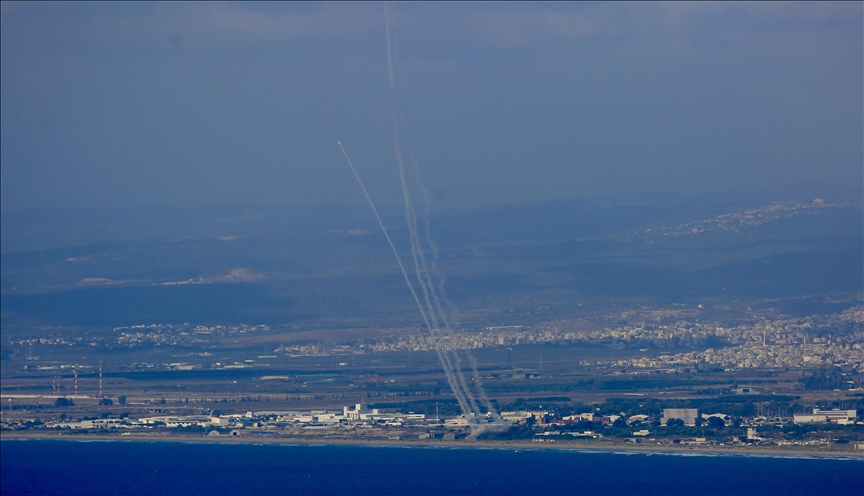
CROSSFIREARABIA – Sirens in Haifa. its surroundings areas and in the north of Israel have been going off all day, Monday, because of continuing missiles coming all the way from southern Lebanon.

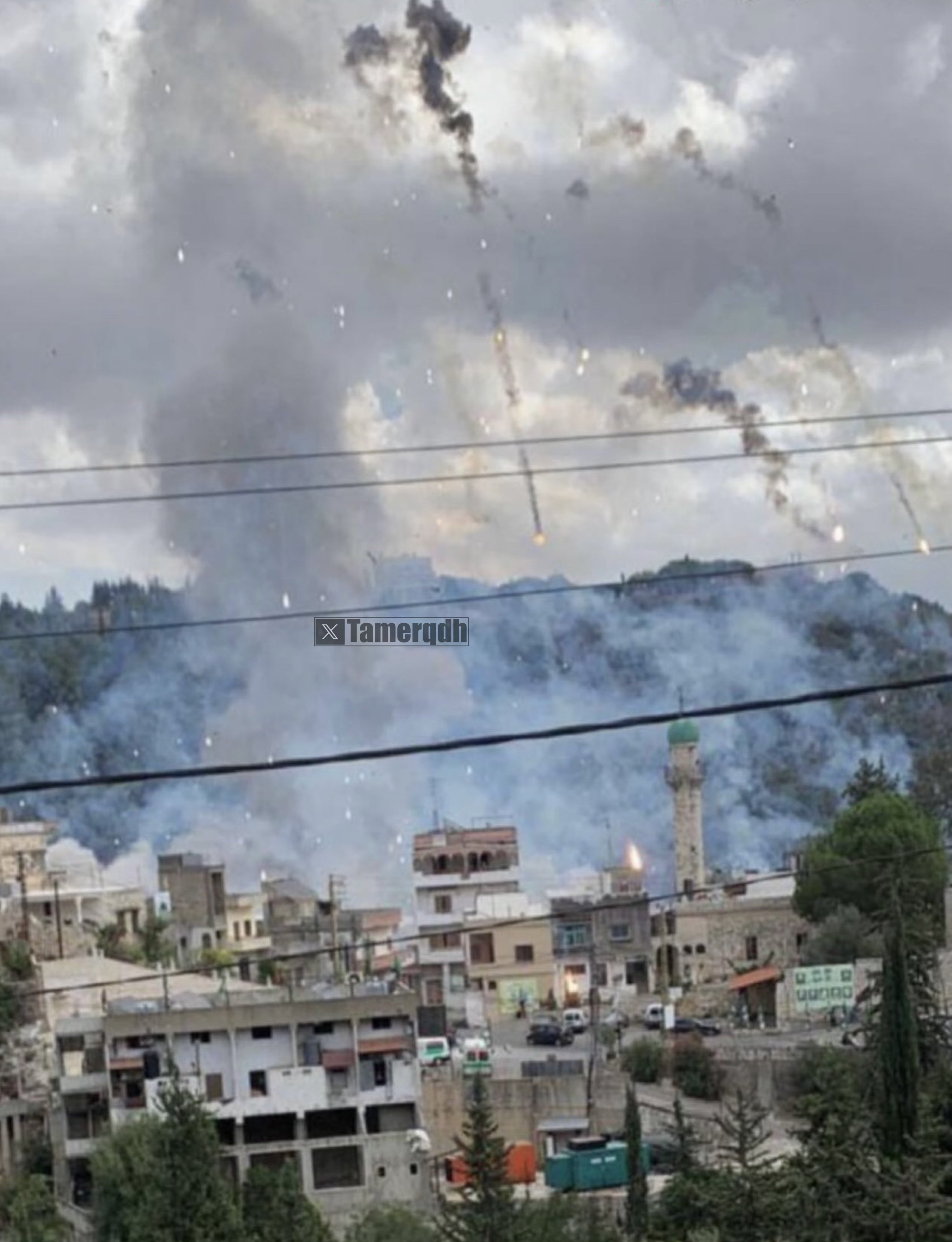
Israeli media reports say the sirens are bellowing hard in the center of the city that doesn’t rest these days, either night or day. Eyewitness reports describe the incoming missiles as “heavy” while people scurrying in the streets looking for safe areas to hide.

It was a tough day, Monday, as described with at least 165 rockets being launched into different parts of Israel.

This is the first time since 2006 since Hezbollah launched direct hits on Haifa with rattled people – estimated at 300,000 – quickly going to underground shelters. At least 30 rockets hit the city at different times triggering the sirens and panic among people with many registering for therapy these days.

One of the areas hit was Kiryat Tivon to the southeast and surprisingly in the middle of the Haifa’s prestigious Technion Institute where a number of rockets from the north landed as part of a large-scale missile launch to reach all part of the country including Tiberias and Safad as estimated by the operations unit of the Israeli army.

With the rockets coming in sharp thuds, the fires in the different northern parts of Israel like Ein Zeitim have raged on, keeping the fire engines busy.

The strikes have been part of wider military launches from southern Lebanon including to Acca, Upper Galilee and Lower Galilee while missiles reaching to the occupied West Bank, about 120 kilometers from the Lebanese border.

This is the first long stretch of rocket launches and show that Hezbollah has a lot of missiles in their storerooms despite the Israeli claims that 50 percent of their military hardware have been destroyed.

But the city of Haifa has been under bombardment since early this week with the Ramat David Airbase and other sensitive sites being under attack and hit for a second time on Sunday, which means that nervousness among the people and workers continue.

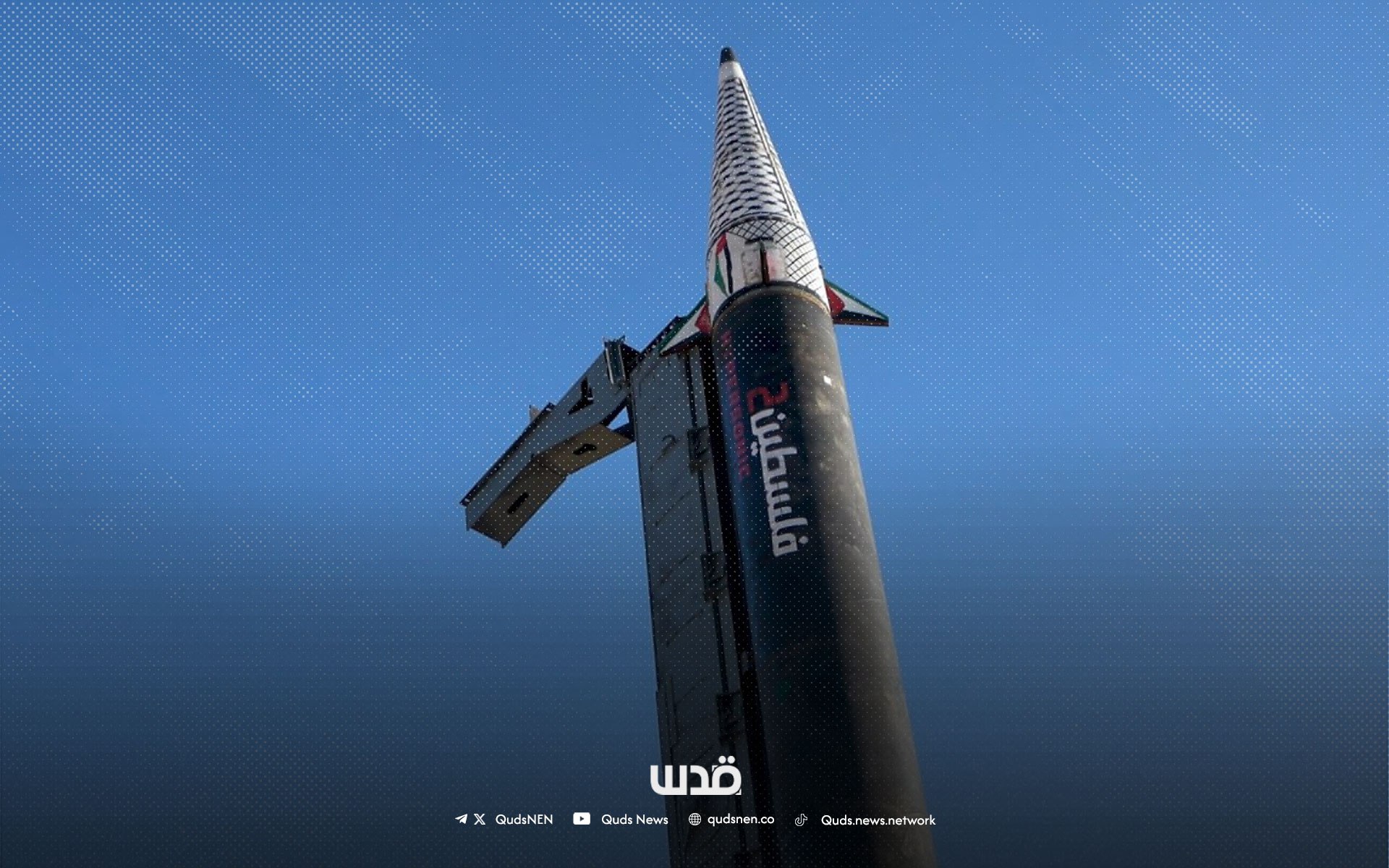
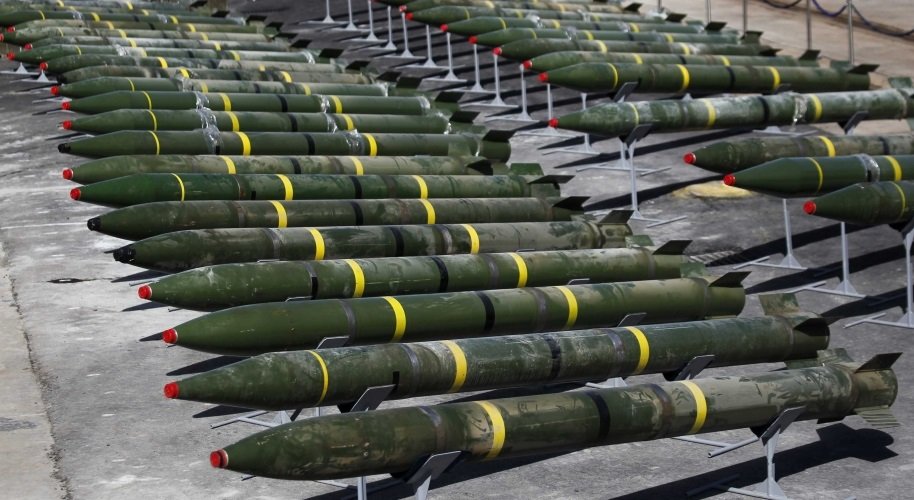
Hezbollah rockets also landed on the Israeli Rafael Advanced Defense Systems military-industrial complex, which specializes in electronic warfare, using the-now-becoming-famous Fadi-I, Fadi-II and Katyusha rocket weapons. 

The complex lies to the north of Haifa and is supposed to be the pride of Israeli military industrial ingenuity but for how long many wounder.

A settler from Kiryat Bialik, north of Haifa, told Maariv: “We have never seen anything like this before, not even in 2006. We all assumed that there would be a response from Hezbollah, but we did not think it would be this strong, especially when there is Iron Dome, which is supposed to protect us.”

Talk of the Iron Dome these days, seems to be a dead duck affair since it is woefully failing to intercept many of the missiles that seems to be flying into Israeli airspace whether from Hezbollah, the Houthis of Yemen and the Islamist groups in Iraq.

But elation is not expected in this war for the Israeli army is fighting back and doing damage. On Monday evening, Lebanese Health Minister Firas Al Abiad announced 274 people were killed and 1024 injured in what the Israeli army said over 1000 air raids into Lebanon.

Continue reading
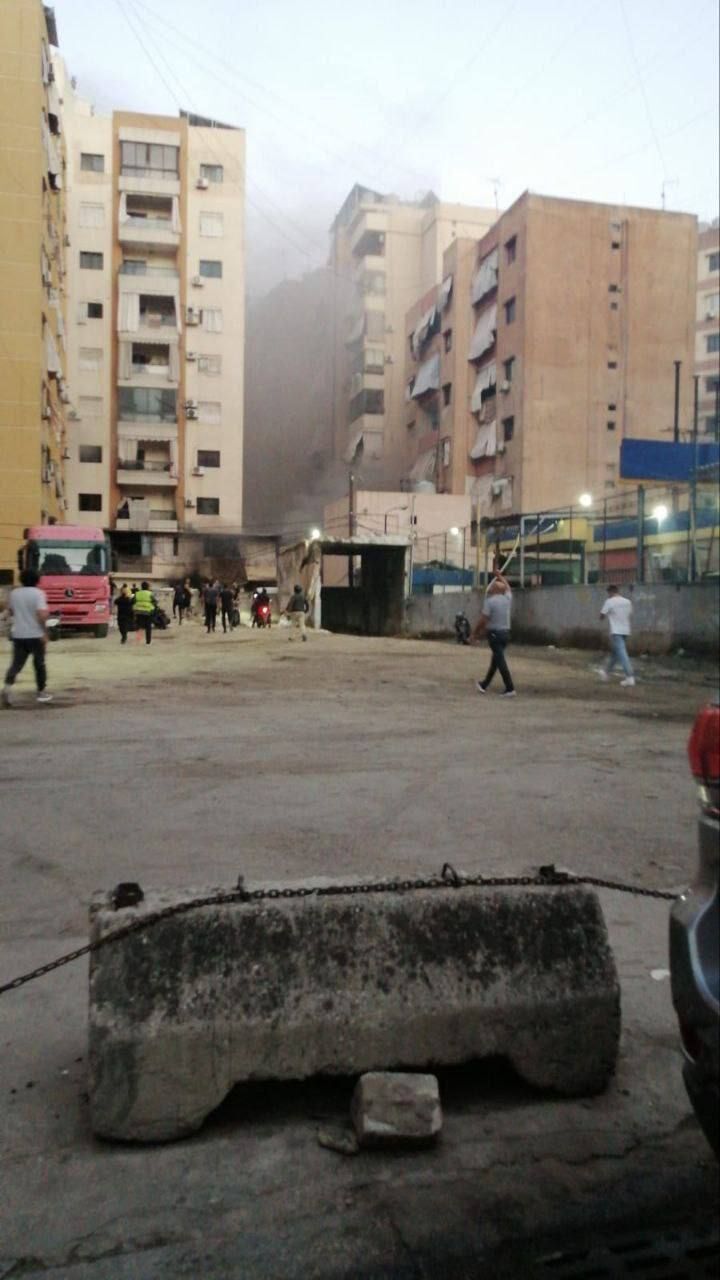
Israeli Warplanes Target Beirut

An Israel airstrike targets the southern district of Beirut. Israeli warplanes have been targeting Hezbollah positions since Monday morning.

The Israeli army states it targeted a total of 11,000 Hizbollah positions all around the country according to Israel’s Channel 14.

Israeli Defense Minister Yoav Gallant claims Israel destroyed what Hezbollah built in 20 years.

Continue reading
Israel Kills 100 People in 200 Raids on Lebanon

The Ministry of Health in Lebanon announced that “100 people were killed and more than 400 injured as a result of Israeli raids on various areas in eastern and southern Lebanon. In turn Hezbollah stated it bombed Haifa and the Galilee with missiles.

Israeli warplanes launched more than 250 raids on various areas in eastern and southern Lebanon this morning, Monday.

Al Jazeera’s correspondent said the raids targeted the towns of Mays al-Jabal, Aitaroun, Houla, Taybeh, Markaba, Bani Hayyan, Jabal al-Rayhan, the heights of Iqlim al-Tuffah al-Tiri, Bint Jbeil, Hanin, Zawtar, and the Nabatieh region in southern Lebanon.

Continue reading
Why Did Hezbollah Name Its Missiles Fadi?

After the Hezbollah missiles that targeted Israel’s Ramat David base and airport with Fadi I and Fadi II missiles, social media activists circulated a picture of Yoav Galant with the question: Who is Fadi?

Returning to the picture, it turned out it was Israel’s Defense Minister, who is being constantly threatened with dismissal, visited the Ramat David Base on 18 September and which Hezbollah bombed.

Galant announced then that the “the center of gravity is moving north,” and said: “We are shifting forces, resources, and energy to the north.”

Since Hezbollah launched its missiles, the most frequently asked question has been: Who is Fadi, the name bearer of those missiles?

The truth is that these missiles, despite many views on the social media, were named after Fadi Hassan Al Tawil, who was born on 10 May, 1969 in West Beirut, and originally belonged to the southern town of Khirbet Silm.

Al Tawil joined the ranks of the resistance in 1982, and participated in several resistance missions, from surveillance, reconnaissance, and ambushes, deep inside the “occupied strip”.

He was martyred during the series of the “Badr Al-Kubra” military operations carried out by the Islamic Resistance against the military positions of the Israeli occupation forces and the Antoine Lahad Army (South Lebanon Army that cooperated with the Israeli occupation to control southern Lebanon) on 30 May, 1987.

His body remained on the battlefield for eight days before being removed and buried. He is the brother of the Hezbollah commander Wissam Al-Tawil, who was killed in southern Lebanon during Hezbollah’s support for the resistance in Gaza in the current “Al-Aqsa Flood” battle.

Continue reading
Israel is Losing in Gaza And Against Hezbollah – Military Expert

Military expert Dr. Nidal Abu Zeid said the success of the resistance in attacking the occupation’s military hardware and drones proves the falseness of the Israeli story of eliminating the Rafah Brigade.

He noted that after the withdrawal of the 98th Paratroopers Division from Gaza a few days ago, the only remaining Israeli forces were the 162nd Armored Division to fight in Rafah, the Alexandroni Brigade and the 8th Armored Brigade in the Netzarim axis; he added there were five divisions fighting at the beginning of the military operations.

Abu Zeid added to Jordan24 that the resistance is working at a calm pace to achieve three tactics, which are operations with political messages, as is happening in Rafah.

He indicated that low-intensity operations outline the features of a long phase of attrition which is what the Palestinian resistance group want to exhaust the remaining Israeli forces in Gaza, which have been fighting for 352 days.

Lebanon

Regarding what is happening in southern Lebanon, Abu Zeid said the Israeli forces have tried to maintain the initiative and want to accumulate achievements and not give Hezbollah the opportunity to reorganize its ranks in order to deprive it of the ability to launch operations towards the north of the occupied territories.

However he added, it seems that Hezbollah has begun to regain the ability to seize the initiative through the missile barrages it launched at dawn on Sunday and reached deep into northern Israel, reaching the Ramat David base and airport with dozens of Fadi-1 and Fadi-2 missiles. This shows that Hezbollah is rebuilding its capabilities, but it is still early to judge the full recovery of the decision-making chain.

Abu Zeid stressed that the operations with Hezbollah have moved from the scope of “geographical targeting” to those of targeting the party’s organizational structure, pointing out calculing profit and loss in this form of unconventional operations is not measured by the method of air strikes, but by calculating the points in which the resistance still excels, whether in Gaza or in southern Lebanon.

He added Israel did not achieve its goal by its operations against Hezbollah to return the residents of the northern settlements nor did it achieve its goals in Gaza by recovering the prisoners or create a new security reality.

The military expert indicated that the occupation is winning tactically but losing strategically.

Continue reading