Gaza: A Starvation Nightmare
 CrossFireArabia
- July 23, 2025
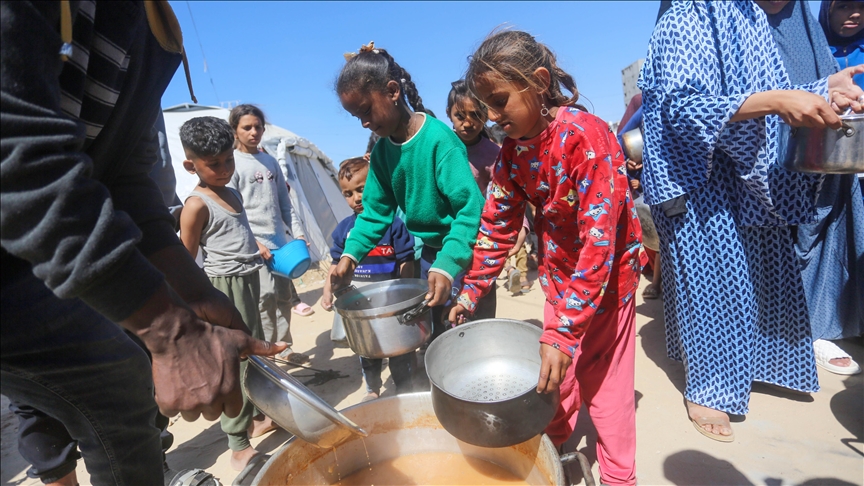
UN humanitarian workers said that alarming reports of UN staff members in the Gaza Strip fainting from hunger and exhaustion over the past 48 hours have heightened fears for the lives of the population in the besieged enclave.
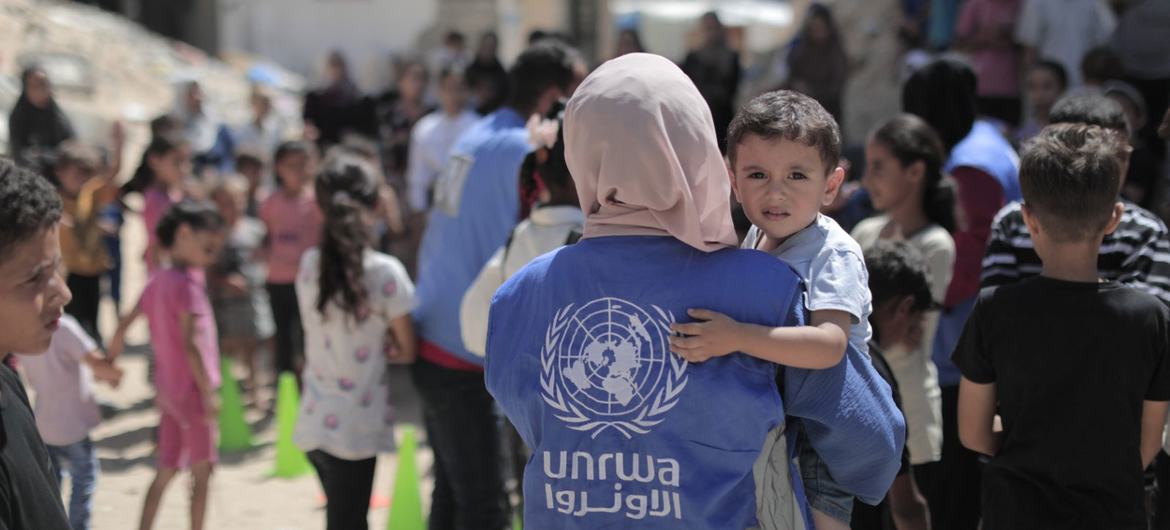
“Doctors, nurses, journalists, and humanitarian workers, including UNRWA staff, are suffering from hunger… fainting from hunger and exhaustion while carrying out their duties,” said Juliette Touma, Director of Communications and Public Information for the United Nations Relief and Works Agency for Palestine Refugees (UNRWA).
Speaking from Amman, Touma emphasized that the search for food has “become as deadly as the bombing.”
More than 1,000 Palestinians Killed
This development comes as the Office of the High Commissioner for Human Rights announced that more than 1,000 Palestinians have been killed by the Israeli army while trying to access food in Gaza since the so-called Gaza Humanitarian Facility began operating on 27 May.
“As of 21 July, we have recorded 1,054 people killed in Gaza while trying to access food; 766 of them near GHF sites, and 288 near UN and other humanitarian aid convoys,” said UNHCR spokesperson Thamin Al-Khaitan.
The US- and Israeli-backed organization began operating in the Strip on May 27, bypassing the UN and other established NGOs.
“Aid work is not for mercenaries”
“GHF’s so-called distribution scheme is a sadistic death trap, where snipers fire indiscriminately into crowds, as if they have been given a license to kill,” Ms. Touma said.
Quoting UNRWA Commissioner-General Philippe Lazzarini, Ms. Touma described the scheme as “a mass hunt for people with complete impunity.” She added: “This cannot be the new normal. Humanitarian assistance is not the work of mercenaries.”
The UNRWA spokesperson emphasized that the United Nations and its humanitarian partners have the expertise, experience, and resources available to provide safe, dignified, and large-scale assistance. “We have proven this time and again during the recent ceasefire,” she said.
Famine-like conditions
Living conditions in the Gaza Strip have reached a new low, with prices for basic goods increasing by nearly 4,000%. Gazans, who have lost their homes and been displaced multiple times, are left without income and are completely deprived of essentials.
Ms. Touma highlighted the testimony of a colleague on the ground who had to walk for hours to buy a bag of lentils and some flour, paying nearly $200 for it.
The World Food Programme has confirmed that a quarter of Gaza’s population is facing famine-like conditions, with nearly 100,000 women and children suffering from severe acute malnutrition and in need of urgent treatment.
Everyday staples such as diapers are scarce and expensive, costing around $3 each. Mothers have resorted to using plastic bags instead, while one father said he “had to cut up one of his last shirts to give his daughter sanitary pads,” Ms. Touma said.
Ms. Touma emphasized, “UNRWA has stockpiles of hygiene supplies, including baby and adult diapers, waiting outside the gates of Gaza.” She emphasized that the agency has 6,000 trucks loaded with food, medicine, and hygiene supplies waiting in Egypt and Jordan for entry into the Strip.
Urgent appeal for a ceasefire
She reiterated the UN’s calls for “an agreement that would achieve a ceasefire, release the hostages, and allow the regular flow of humanitarian supplies into Gaza under UN management, including UNRWA.”
For his part, World Health Organization spokesperson Tarik Jasarevic said that humanitarian operations in the Strip are being pushed into “an ever-shrinking space.” In a briefing to journalists in Geneva, he condemned three attacks on Monday on a building housing the organization’s staff in Deir al-Balah, central Gaza, as well as “the mistreatment of those present and the destruction of its main warehouse.”
“Staff and their families, including children, were exposed to grave danger and trauma after the airstrikes caused a fire and extensive damage,” said Mr. Jasarevic, adding that the Israeli military entered the building, “forcing women and children to evacuate on foot” toward the coastal area of Mawasi amidst intense fighting.
UN staff member detained…searched at gunpoint
A WHO spokesperson said that staff and their family members were “handcuffed, stripped, and subjected to immediate interrogation and searches at gunpoint.” Two staff members and two family members were also arrested. While three were later released, one WHO staff member remains in detention for unknown reasons.
Mr. Jasarevic called for the release of the detained staff member, emphasizing that “no one should be detained without charge or due process.”
Mr. Jasarevic added that the recent evacuation order for the area had affected many WHO buildings and weakened its field presence, “paralyzing efforts to maintain a collapsed health system and putting survival beyond the reach of more than two million people.”
According to health authorities in Gaza, approximately 1,500 health workers have been killed in the Strip since the war began in October 2023. Mr. Jasarevic said that approximately 94% of all health facilities have been damaged, and that half of Gaza’s hospitals are “completely non-functional.”
He emphasized that “the opportunity to prevent loss of life and reverse the massive damage to the health system is closing by the day.”
A Nightmare That Must End
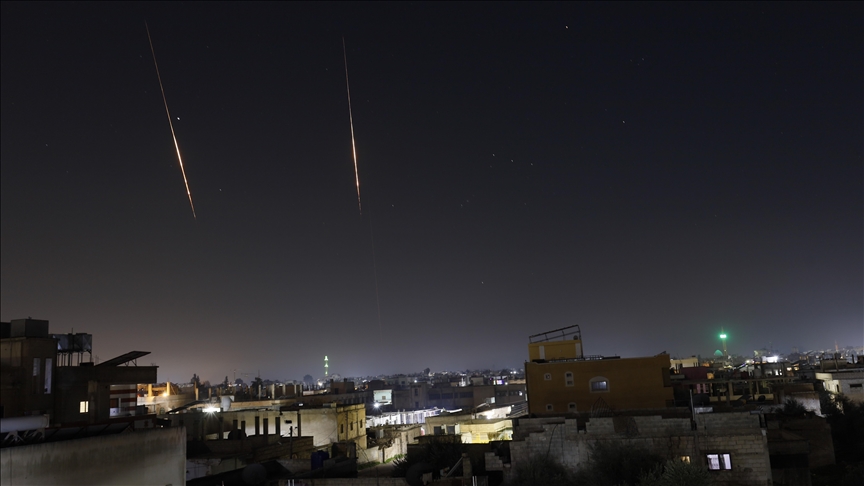
UN High Commissioner for Human Rights Volker Türk described the nightmare facing the people of Gaza as worsening following the latest Israeli evacuation orders, followed by intensified attacks on southwest Deir al-Balah, which “added further misery to the suffering of starving Palestinians.”
He warned in a statement that the risk of unlawful killings and other serious violations of international humanitarian law is extremely high, “given the concentration of civilians in the area and the means and methods of warfare used by Israel to date.”
He continued: “Homes have already been destroyed, and thousands have been forced to flee the area once again. Their only option is to go to the ever-shrinking areas of Gaza, where hundreds of thousands are forced to congregate, making any attempt to deliver humanitarian aid difficult. Even these areas are not safe. I remind Israel that the permanent displacement of people living under its occupation would constitute an unlawful transfer, a war crime, and, under certain circumstances, may also constitute a crime against humanity.”
The High Commissioner said that Israel, as the occupying power, must ensure the provision of food, medicine, and other supplies to the population, and must immediately and unconditionally allow humanitarian aid to enter and be distributed to all those in need. He added: “Instead of launching round after round of new military attacks, the killing, destruction, and widespread violations of international law must stop immediately. More and more countries are joining the calls to extricate us from this nightmare.”